Full Article
about Adsubia
Small Moorish-origin municipality in the Pego valley; quiet, ringed by orange groves and mountains.
Hide article Read full article
A Small Inland Village Shaped by Its Land
Tourism in Adsubia is closely tied to its setting within the Marina Alta. This is a small inland village, only a few kilometres in a straight line from the Mediterranean, yet separated from the coast by a landscape of agricultural valleys and low mountain ranges. With just over six hundred inhabitants, the connection between people and land remains direct. The surroundings are not there for show, they are still actively worked.
The municipality is encircled by dry-stone terraces where citrus fruits, almonds and olives continue to be cultivated. These terraces, built up over generations to make use of sloping ground, define much of the area’s appearance. They also explain the rhythm of daily life: agricultural seasons, small storage buildings, and rural paths that begin almost at the edge of the village.
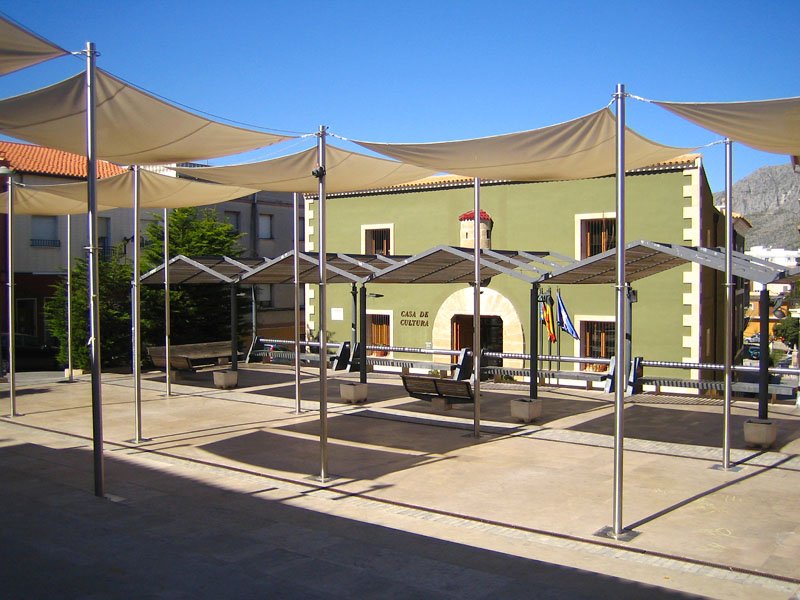
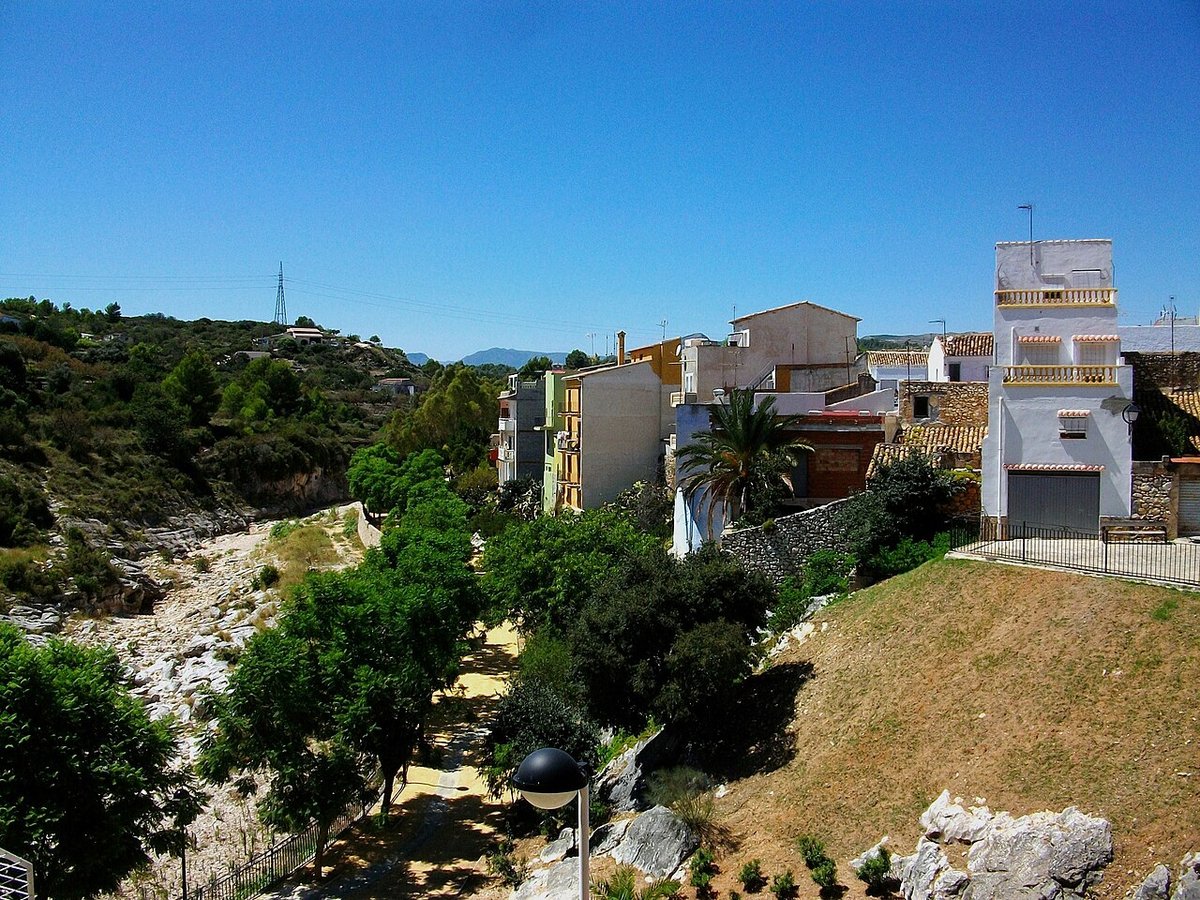
Within the town itself, traces of its Moorish past can still be seen. The street layout is irregular and, in places, quite narrow, designed more for walking than for cars. Traditional houses are simple in form, with white façades, two storeys, iron balconies and wooden doors that often retain their original carpentry.
The Shape of the Village and Its Heritage
The most prominent building is the parish church dedicated to San Pedro Apóstol. The current structure appears to stand on the site of an earlier one and is generally dated to the 16th century, although it has undergone later alterations. It is not a large or imposing church, yet it occupies the highest point of the village and defines its outline when approaching by road.
The oldest part of Adsubia spreads out around this church. Walking just a few streets reveals how the layout follows the contours of the terrain, with short slopes and narrow alleys leading into small open squares.
Traditional washhouses can still be found in various parts of the municipality. Some have been restored in recent years, though their structure remains unchanged: rows of basins set beneath a simple roof. For decades, these were everyday places of work and conversation, closely tied to daily life in the village.
The Agricultural Landscape of Inland Marina Alta
Beyond the built-up area, the landscape is unmistakably agricultural. Dry-stone terraces climb up and down the hillsides, forming a patchwork that shifts with the seasons. In late winter, when many almond trees in the area come into bloom, the higher plots briefly fill with white and pink tones.
Rural paths lead out from the village towards nearby fields and scattered areas of cultivation. These are not always marked routes, but working tracks still used for agriculture. They can be walked, provided care is taken not to interfere with those working the land.
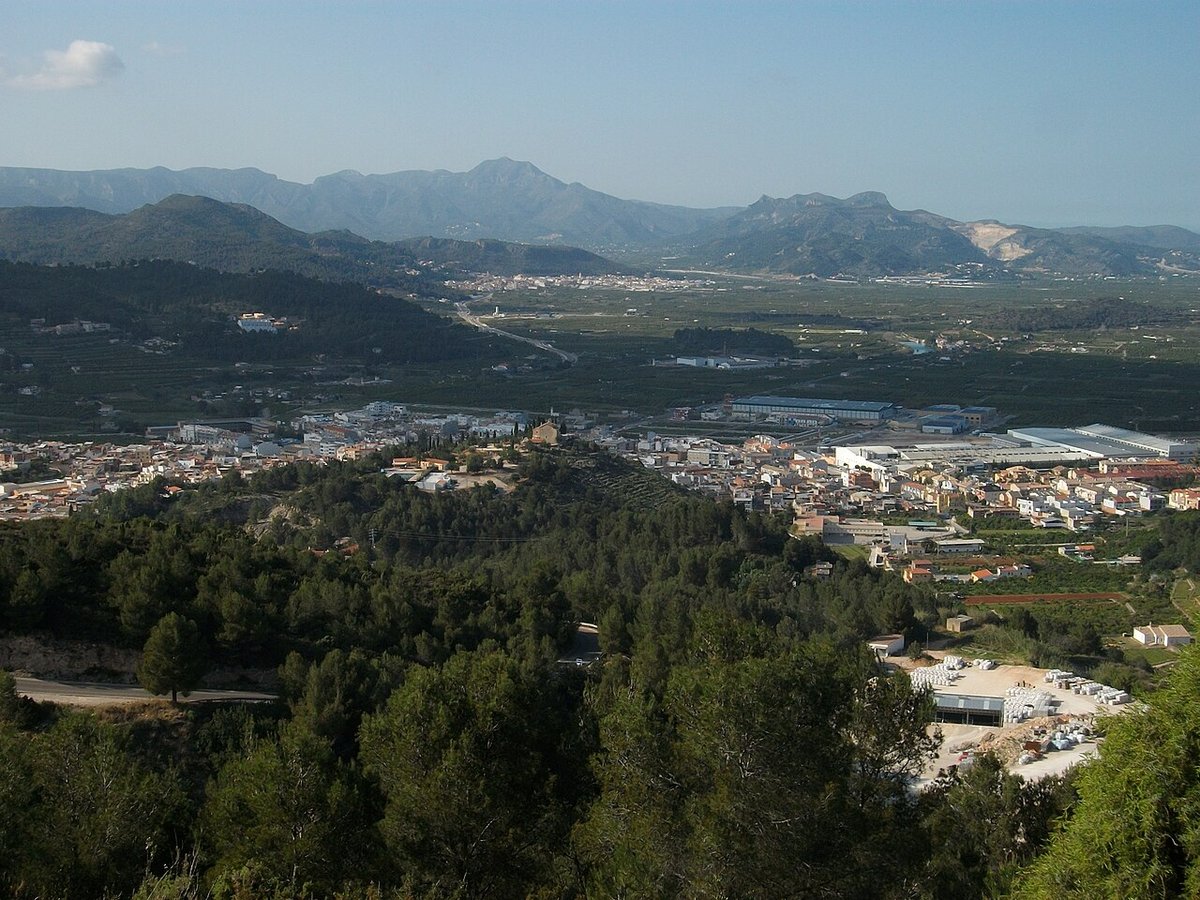
From certain elevated spots, there are open views across the valley where other villages of the inland Marina Alta are located. It is a calm setting, quite different from the coastal strip, even though it lies relatively close.
Local Traditions and the Yearly Calendar
The village’s celebrations follow the pattern common to many small towns in the Valencian Community. The patron saint is San Pedro Apóstol, and the main festivities usually take place towards the end of June, combining religious events with activities organised by residents.
In January, the tradition of Sant Antoni is still observed. This celebration, linked to the blessing of animals and the lighting of bonfires, has strong roots in agricultural life and continues to be maintained in many inland villages.
During the summer, additional local festivities are held when families who live elsewhere return. At that time of year, the pace of the village shifts noticeably, and the streets become livelier again.
Getting There and Moving Around
Adsubia lies inland in the Marina Alta, among the agricultural valleys behind the coastal towns of Dénia and Oliva. It can be reached by regional roads from these places or from other nearby villages.
The village centre is small and can be explored on foot in a short time. It is best to leave the car at the entrances and continue walking, especially to take in the older streets and the paths leading out towards the terraces. In winter and early spring, the agricultural landscape is more active, making it easier to understand how the surrounding land shapes life in Adsubia.