Full Article
about Alcalalí
Town in the Pop Valley known for its medieval tower and almond and vineyard cultivation.
Hide article Read full article
Alcalalí: Cuando el pueblo es la base, no la foto
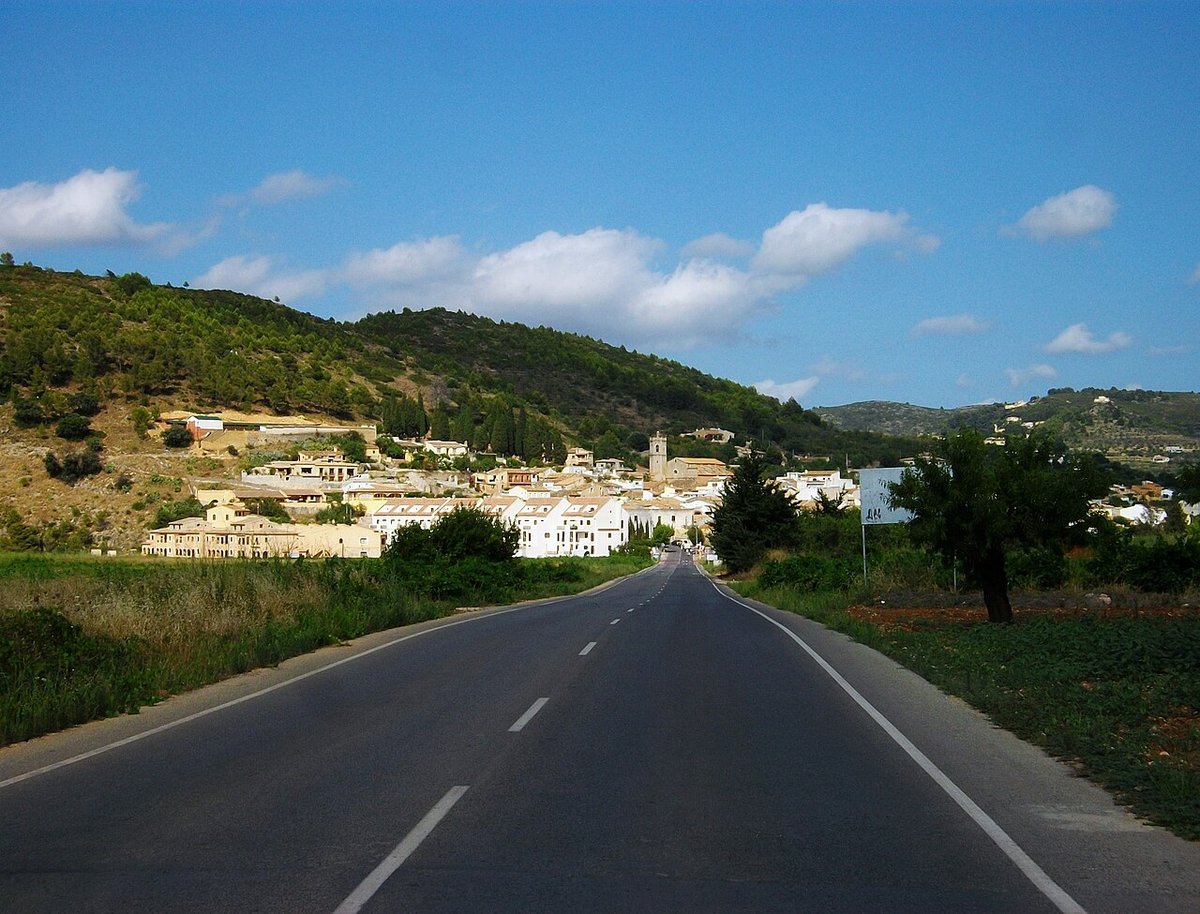
Llegas a Alcalalí pensando que es uno de esos pueblos que ves desde la carretera, le sacas una foto y sigues. El tipo de sitio que sirve para estirar las piernas diez minutos. Y en parte lo es. Pero luego te das cuenta de que su gracia está en no intentar ser más que eso. Es como el plato de lentejas de un bar: sencillo, sin pretensiones, y que a veces es justo lo que necesitas.
Con poco más de 1.400 habitantes, este pueblo de la Marina Alta, en el Valle del Pop, huele a tierra y almendros. Los coches están aparcados junto a los bancales, los vecinos se saludan por el nombre y el ritmo lo marca el campo, no un horario de visitas turísticas. Para mí, ese es su valor real: funciona como una base tranquila y creíble para moverte por la comarca sin ruido.
El paseo que no tiene pérdida (ni grandes monumentos)
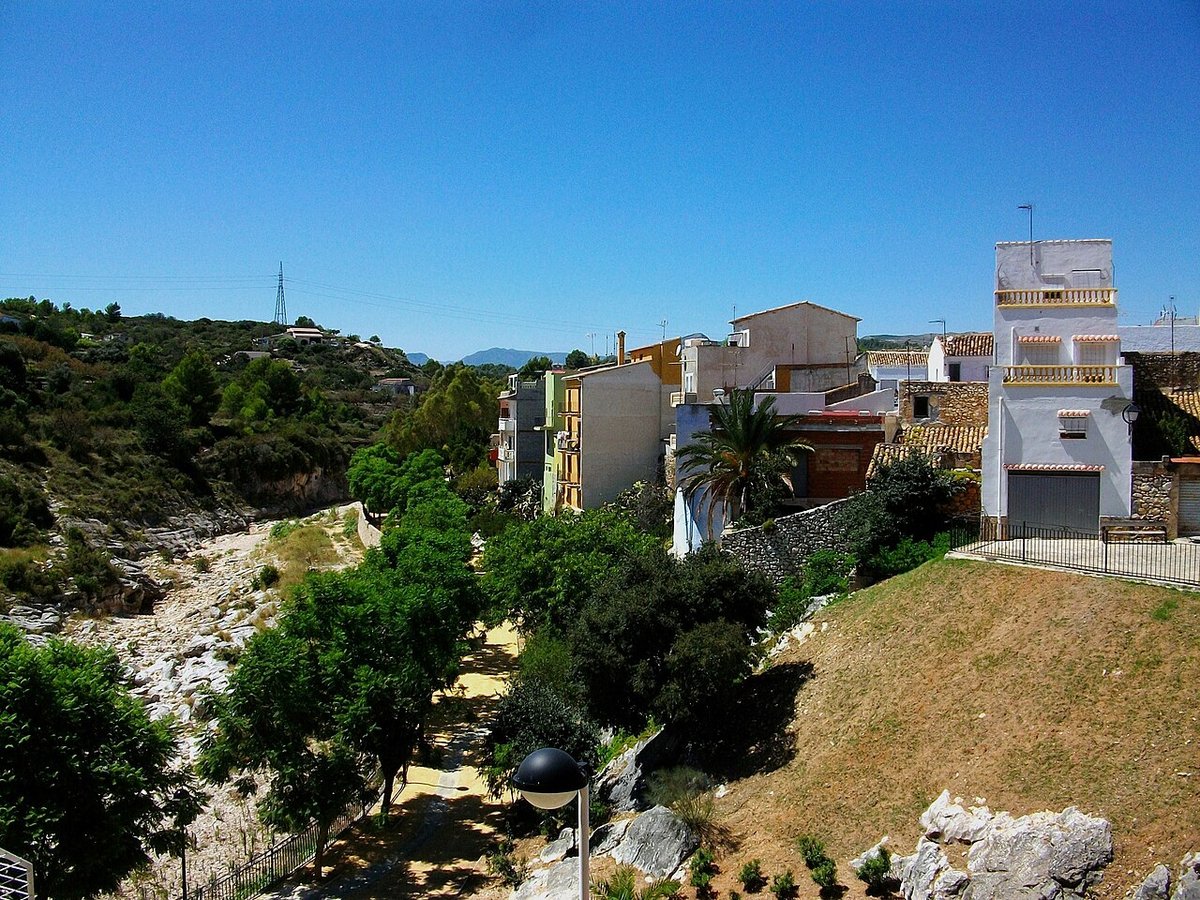
El centro histórico es pequeño. De los que en media hora has dado dos vueltas. La iglesia de San Cosme y San Damián, del siglo XVIII, hace de faro. No es una catedral, es la iglesia del pueblo, con su campanario útil para orientarte entre callejuelas blancas y cuestas suaves.
Aquí no hay lista de "imprescindibles". La idea es caminar sin rumbo: fijarte en una puerta vieja de madera, en el geranio que sobrevive al verano en una ventana, en el sonido de las campanas a las doce en punto. En una hora has entendido cómo funciona el lugar. La vida está en los corrillos de la plaza y en las persianas que se suben por la mañana, no en un museo.
Lo bueno está fuera: el Valle del Pop
La verdadera postal—la que no te venden—empieza donde acaba el asfalto. Alcalalí está rodeado por ese paisaje ordenado y trabajado de la Marina Alta: bancales de piedra seca con almendros y olivos.
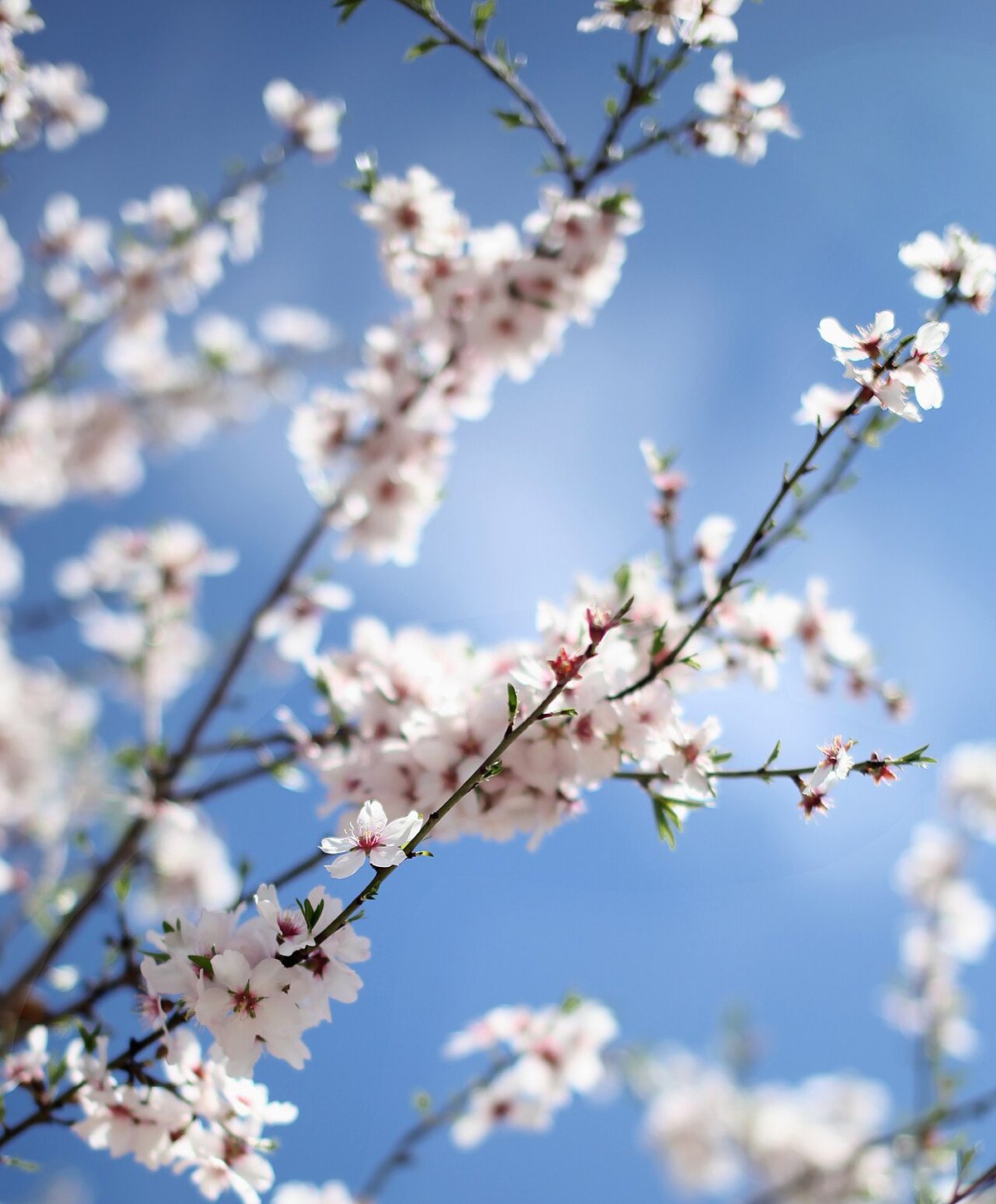
Si vas entre enero y febrero, puede que pilles la floración de los almendros. El valle se pone blanco y rosa pálido. No es un festival organizado; simplemente pasa. Y entonces verás a gente con cámaras por los caminos rurales, buscando ese instante efímero antes de que se lleve el viento.
El agua siempre ha sido clave aquí. Hay fuentes y manantiales desperdigados por los alrededores, algunos accesibles siguiendo senderos agrícolas. Son pequeños recordatorios de cómo se ha cultivado esto durante siglos: con mucho esfuerzo y aprovechando cada gota.
Caminar sin complicaciones (y con sentido común)
Esta es probablemente la mejor actividad aquí: poner zapatillas cómodas y salir andando. Los senderos rurales que salen del pueblo son accesibles, del tipo que puedes hacer en una mañana sin ser un experto. Te llevan entre bancales, junto a muros de piedra y alguna caseta de campo abandonada.
Su encanto está en esa sencillez absoluta. No necesitas mapa ni equipo especial; solo seguir el camino. Se oye el viento entre los árboles, algún tractor a lo lejos y poco más.
Aviso práctico: En verano, el sol aquí pelea sucio. Si piensas caminar entre julio y agosto, madruga o será una experiencia tipo sauna sin vapor. La sombra escasea en esos caminos.
Estos paseos también te muestran lo conectados que están estos pueblos del valle. Desde Alcalalí puedes llegar andando o en un corto trayecto en coche a otros municipios con la misma esencia rural.
Fiestas: calendario local sin edulcorar
El ambiente cambia a finales de septiembre con las fiestas patronales de San Cosme y San Damián. Hay procesiones, comidas comunitarias y música en la calle hasta tarde. Se nota que es algo de ellos, no montado para foráneos.
En marzo llega el eco fallero desde Valencia. No esperes ninots gigantes; aquí son fallas a escala local, con petardos por la tarde y gente charlando en la plaza cuando empieza a templar el aire.
La Semana Santa se vive con más recogimiento: procesiones nocturnas silenciosas por las calles estrechas del centro. Son fechas buenas para ver cómo late realmente el pueblo si no te importa mezclarte con su rutua festiva normal.
Cuándo ir (y qué esperar)
Olvídate del verano si quieres moverte a pie con comodidad. La primavera (abril-mayo) o el otoño (octubre-noviembre) son los momentos más agradecidos. Las temperaturas son suaves para caminar por el valle. En primavera tienes la posibilidad—no garantizada—de pillar los almendros en flor. En otoño vuelve esa calma tras el calor intenso.
Alcalalí no va a cambiarte la vida ni te va a dejar sin palabras. Es un pueblo agrícola funcional donde puedes pasar una mañana tranquila, dar un paseo honesto entre cultivos y ver cómo transcurre un día cualquiera en esta esquina del interior alicantino. A veces eso ya es bastante