Full Article
about Benigembla
Municipality in the Pop Valley with street art on its facades, surrounded by mountains and riuraus.
Ocultar artículo Leer artículo completo
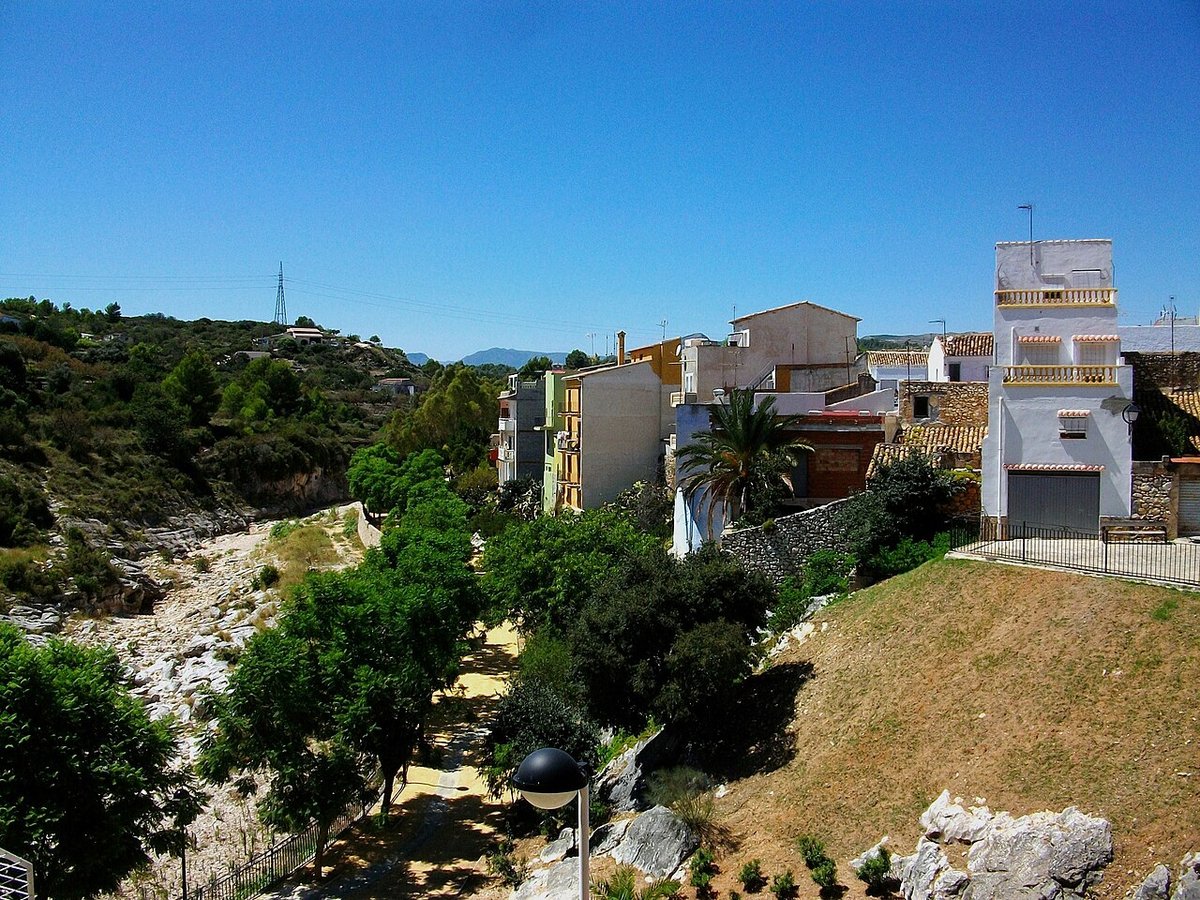
Benigembla sits 314 metres above the valley floor, close enough to Benidorm that you can still smell the sea salt on the wind, yet far enough that the only evening entertainment is the church bell marking the hours. The village spreads across a limestone shelf in the Marina Alta, its white houses arranged like stepped seating for a theatre whose performance is the changing light on almond terraces.
The Village That Forgot to Modernise
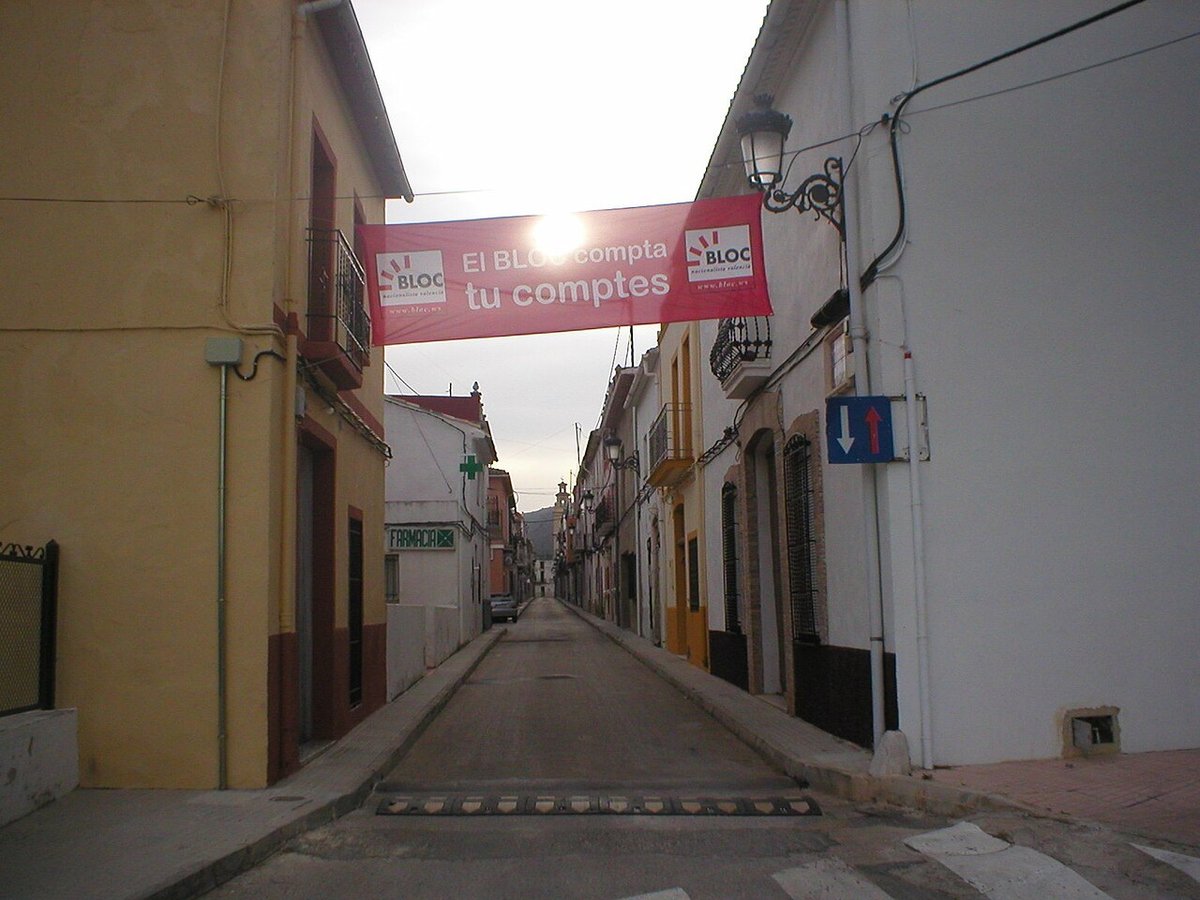
Five hundred and thirty-seven residents. Four restaurants. One supermarket the size of a London corner shop. Benigembla's statistics read like a place that simply refused to grow up. The streets narrow to shoulder-width in places, forcing drivers to fold their wing mirrors and breathe in. Stone portals still bear the iron rings where farmers tethered mules. Behind one such door, Maria José sells bread from her kitchen table between 9 and 10 each morning, or until the loaf tin empties.
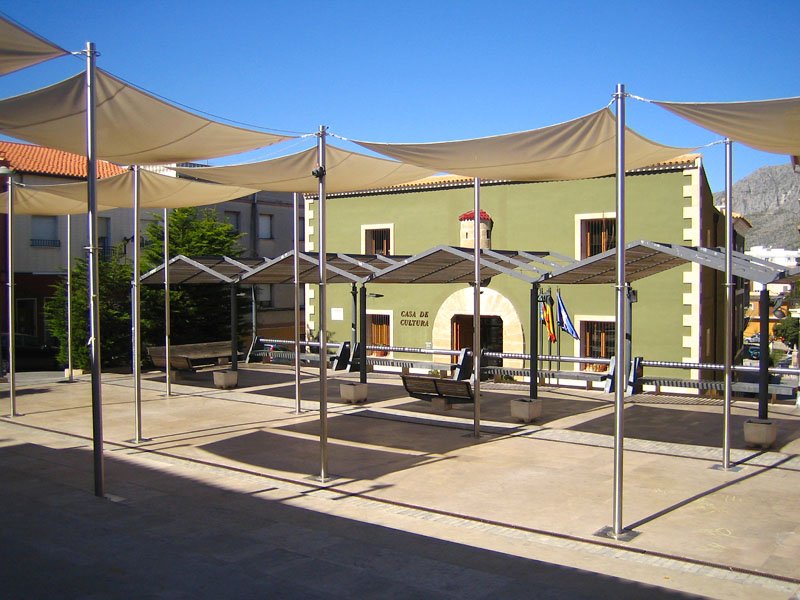
The Church of the Assumption dominates the skyline from every approach. Built in the 18th century on foundations that probably predate the Reconquista, its square tower serves as the village's exclamation mark. The plaza spreads before it like an apron, hosting the daily migration of elderly men from bench to bench, following the shade. Thursday brings the mobile library van; its arrival rates as a social event.
Winter mornings carry the smell of wood smoke and coffee strong enough to float a spoon. Summer afternoons smell of hot pine and drying almonds. The village functions on agricultural time, not tourist time. When the almonds need harvesting, shops close. When rain threatens, everyone helps bring in someone else's crop.
Walking Into the Past
The valley network surrounding Benigembla contains one of Spain's best-preserved Moorish irrigation systems. Dry stone walls channel water along contours first surveyed a thousand years ago. Walking tracks follow these acequias, making navigation simpler than the tourist office's rudimentary maps suggest. The PR-CV 147 trail heads north towards the Cocoll ridge, gaining 400 metres in three kilometres. The ascent feels steeper than it looks on paper; loose limestone scree demands proper footwear.
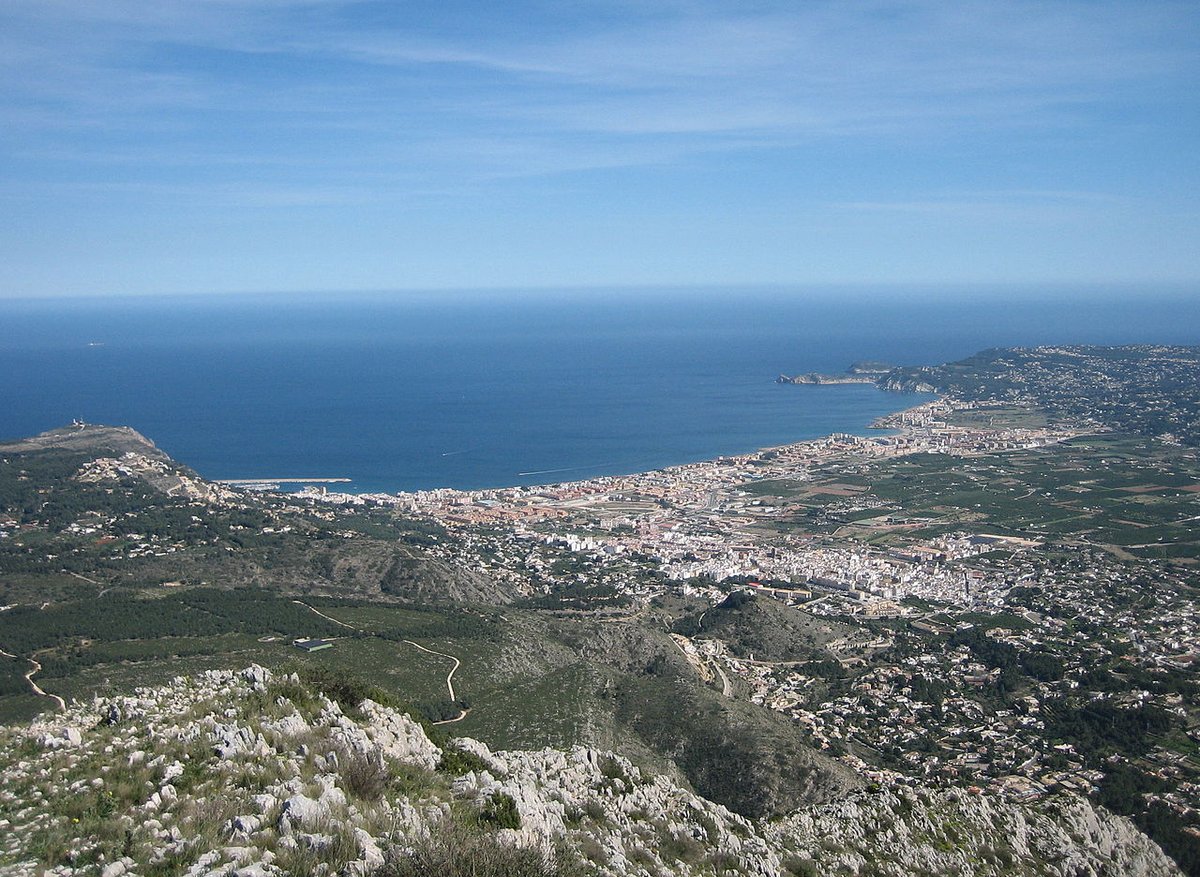
From El Cocoll's summit, the Mediterranean glints steel-blue on clear days. Below, the Pop valley spreads like a green carpet thrown across brown knees. The village appears toy-like, its church tower a chess piece moved halfway across the board. Buzzards ride thermals at eye level. The silence is profound enough to hear your own heartbeat.
Spring walks reward with almond blossom snowstorms. White petals carpet the terraces, drifting against terrace walls like wedding decorations. The flowering window is narrow—late February to mid-March depending on winter rainfall. Miss it and you'll wait another year. Autumn brings different colours: ochre soil, silver olive leaves, and the burnt umber of harvested almond shells.
What Passes for Cuisine
Casa les Olives serves the only menu del día worth mentioning. Twelve euros buys three courses, bread, wine and water. Tuesday's rice dish might contain rabbit shot the previous evening. Thursday brings cocido, the mountain stew that sustained workers through cold mornings. The owner, Pep, speaks enough English to explain that "coca de mollitas" isn't fishy despite the name—it's breadcrumbs toasted with garlic and olive oil, scattered over pastry like savoury granola.
Beni Ruta bar opens early for coffee and stays open late for beer. Their toasted sandwiches rescue hungry children who've rejected rabbit. Local almond cake appears on Saturdays; it sells out by noon. The wine list extends to two choices: red or white. Both come from cooperative cellars in Jalón, ten minutes down the valley. The Moscatel is dangerously drinkable—sweet enough for pudding, strong enough for after dinner.
Self-caterers should shop in Jalón first. Benigembla's supermarket stocks basics: tinned tuna, UHT milk, rubbery cheese. Fresh fish arrives Thursday. Fresh meat arrives Tuesday. Both sell out within hours. The bakery counter offers only what fits in one small display case.
When Silence Becomes Deafening
August transforms the village. Population quadruples as expat children return with British grandchildren. The fiesta programme includes bulls running through streets barely wider than the animals themselves. Fireworks start at dawn. Bands play until 3am. Booking accommodation requires forward planning measured in years, not months. The Sunday roast at Casa les Olies requires reservation by Thursday.
Winter delivers a different intensity. January rain turns mountain tracks to chocolate pudding. Cloud sinks into the valley, erasing the village from below. Days shorten to a grey interval between long nights. The four restaurants reduce to two mid-week. One closes entirely February. Mobile phone signal, patchy at best, becomes theoretical when storms knock out the repeater.
Yet these extremes define Benigembla's character. Spring's almond blossom looks miraculous because you've survived February's mud. September's warm evenings feel precious because August's crowds have evaporated. The village rewards patience and punishes haste.
Getting Lost Properly
The nearest petrol station sits six kilometres away in Murla. The final approach involves switchbacks sharp enough to meet yourself coming back. Sat-nav systems sometimes suggest routes requiring four-wheel drive and nerves of steel. Trust the CV-720 from Jalón instead—it winds but remains paved.
Parking occupies whatever space isn't already taken by someone's tractor. The plaza offers twelve spaces. Side streets offer gaps between doorways. Saturday market day (such as it is—three stalls maximum) requires creative interpretation of yellow lines.
Buses exist on Tuesdays and Thursdays. They connect with Jalón's more regular service, assuming you don't mind waiting two hours between connections. Car hire from Alicante airport remains the sensible option. The drive takes seventy-five minutes if you resist stopping at every almond-blossom viewpoint. Resistance is futile.
Benigembla offers no postcard moments, no Instagram icons. Instead it provides something increasingly rare: a place where geography and history continue their ancient conversation, largely indifferent to passing visitors. Come for the walking, stay for the silence, leave before the isolation becomes oppressive. The village will still be here, almonds ripening and bells marking time, long after your flight home has landed.