Full Article
about Benimeli
A quiet farming village at the foot of the Sierra de Segaria.
Ocultar artículo Leer artículo completo
Morning in the Orchard Belt
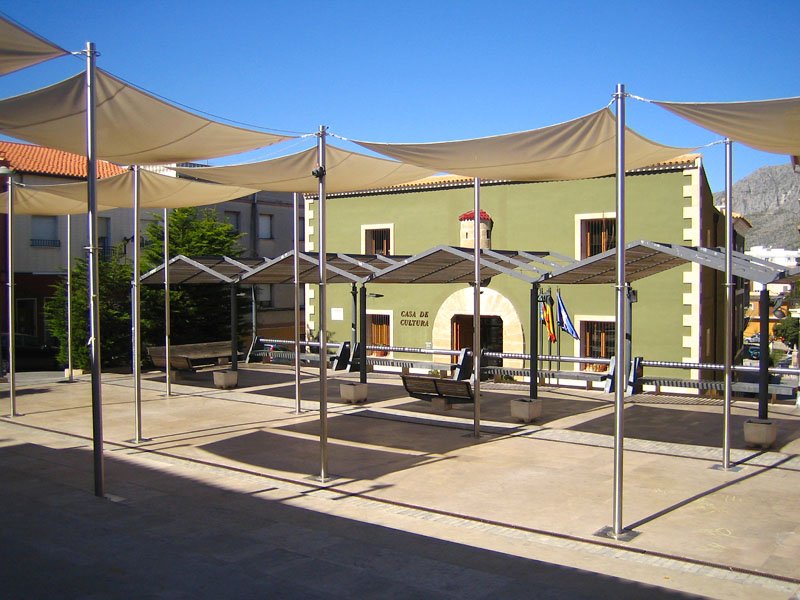
The first thing you notice is the smell. At dawn, when the tramontana wind drops, orange blossom drifts uphill from the terraces below Benimeli and settles over the single traffic light like a light blanket. By 7 a.m. the plaza is already in motion: irrigators in muddy boots queue for cortado at Ca l’Liki while the baker slides trays of coca boba into an oven that dates back to Franco’s time. Nothing here is staged for visitors; the bar owner still scolds locals who forget to return coffee cups.
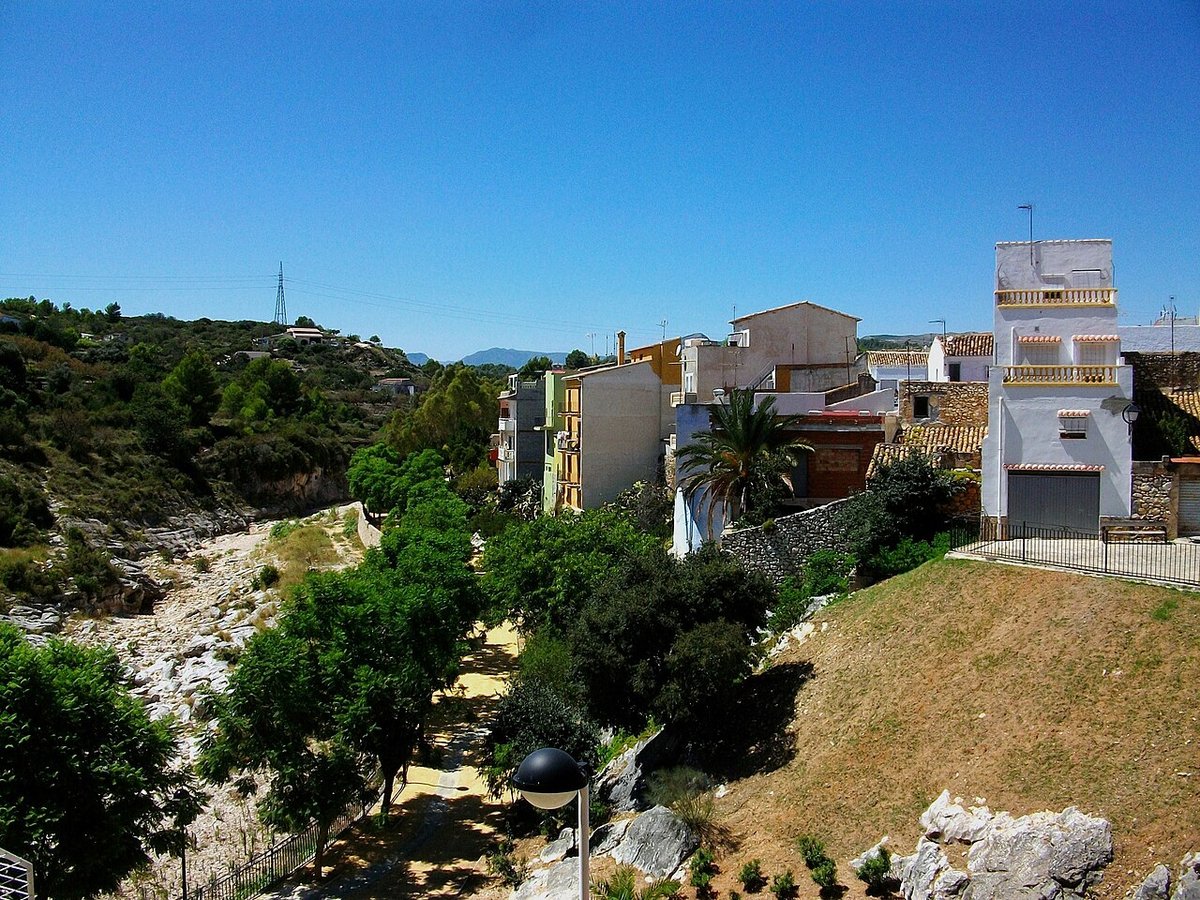
Benimeli sits 92 m above the citrus plain of La Marina Alta, small enough that you can whistle and be heard from one end to the other. Its 455 registered inhabitants share three short streets, a 1700s church dedicated to Saint Michael, and an almost stubborn refusal to grow beyond the last almond terrace. The name comes from Arabic—"Beni Mali", sons of Mali—and the street plan still follows the tight weave of Moorish foundations. Houses are chalk-white, rooflines irregular, doors painted the colour of deep-sea fishing boats. Washing hangs from wrought-iron balconies; at dusk the façades glow salmon-pink, then fade quickly once the bells strike eight.
Walking Through the Agricultural Calendar
Leave the plaza by the narrow lane opposite the church and you drop almost immediately into working countryside. Concrete irrigation channels, known locally as séquies, gurgle on both sides; their flow is turned on and off according to a rota that every farmer can recite by heart. January brings pale blossom and the scent of wood smoke; by late March the terraces are loud with bees and the first oranges glow like lamps among glossy leaves. Harvest runs from April to June, when pickers’ ladders lean against tree trunks and the road hums with tractors towing crates to the co-op in Ràfol de Almunia.
A 4 km loop south-east towards Sagra follows the old camí de ferradura, a bridleway paved centuries ago with limestone shards that still glint after rain. The gradient is gentle, but trainers suffice; sturdier footwear is wise if you plan to continue up the Segaria massif, whose saw-tooth ridge dominates the western horizon. From the saddle at 439 m you can sight the Gulf of Valencia on very clear days, though the Mediterranean remains a blue suggestion rather than a presence. Carry more water than you think necessary—shade is scarce once the path leaves the citrus belts and crosses thyme-scented scrub where only goats and kestrels keep you company.
When the Village Lets Its Hair Down
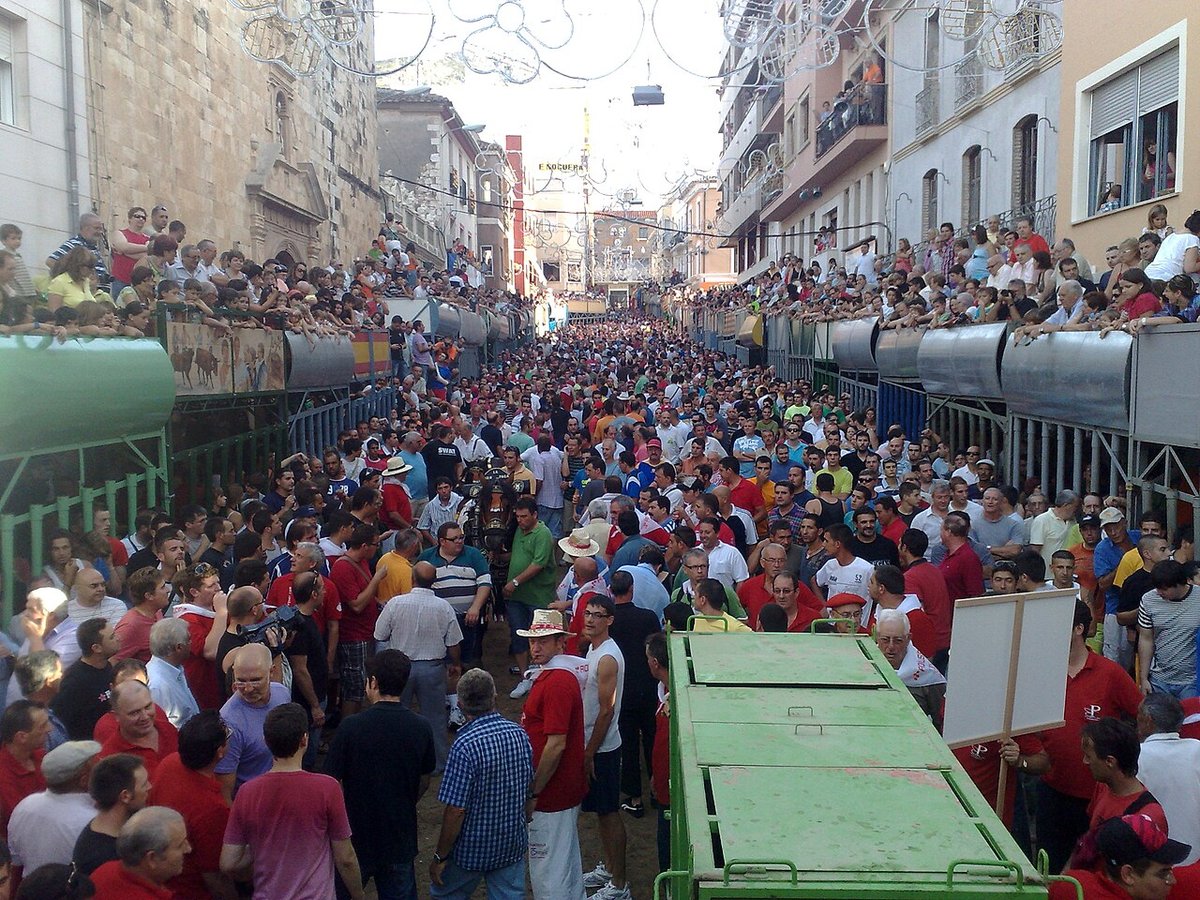
Fiesta time compresses the whole year into five loud days around 29 September, when the patron saint is paraded through streets strewn with rosemary and confetti. Brass bands rehearse until 2 a.m.; fire-runners in devil costumes sprint past centuries-old doorways hurling fireworks that ricochet off walls. Earplugs are advisable, accommodation scarce—book in July if you insist on being here then. For a milder taste of tradition, visit on 17 January for the blessing of the animals. Farmers bring mules, lapdogs and one bemused alpaca to the church door; the priest sprinkles holy water, children giggle, and by midday everyone has vanished indoors for stewed rabbit and red wine.
Winter is quieter but rewarding. Daytime temperatures hover around 16 °C, ideal for long walks, while nights drop to 7 °C—log-burning stoves are standard in village rentals. Summer, on the other hand, turns the terraces into a kiln. August routinely tops 35 °C; the municipality mists the streets at dusk, but sensible visitors escape to the coast or climb at dawn, finishing circuits before the church clock strikes nine.
Eating What the Fields Provide
Benimeli has one bar, one bakery and no supermarket—proof that size is no barrier to flavour. Ca l’Liki opens at 6 a.m. for field workers and closes when the last domino falls. The chalkboard menu changes with the agricultural calendar: espencat of roasted peppers and aubergine in late summer; arròs al forn baked with pork ribs and garbanzos when nights turn cool. Prices are coastal-Marina without the mark-up—expect €10–€12 for a plate of rice big enough to share, €2.50 for a glass of locally pressed Moscatel.
If you’re self-catering, head to the Saturday pop-up market in neighbouring Ràfol de Almunia (ten minutes on foot). Stallholders sell misshapen tomatoes, bunches of herbs and yesterday’s Daily Mail for homesick Britons. An honesty box on the CV-720 offers 3 kg of just-picked oranges for a euro; the farmer restocks it each sunrise and trusts you to leave the correct change. Olive oil is pressed in nearby Tormos—bring an empty bottle and leave with peppery liquid gold that clouds when the nights turn cold.
Getting Here, Getting Around
Alicante airport lies 74 km south, Valencia 84 km north; both drives take under an hour on the AP-7, though tolls add about €9 each way. Car hire is worth the outlay—public transport involves a train to Denia, then bus line 9 to Ràfol de Almunia, followed by a 1 km uphill walk with no pavement. There is no taxi rank in Benimeli; pre-book Denia Radio Taxi if you must, but signal drops in the last kilometre, so arrange pick-up points in advance.
Once here you can survive on foot, yet a vehicle liberates the hinterland. Within 20 minutes you reach the castle-crowned village of Pedreguer, Wednesday street market and a proper supermarket for forgotten toothpaste. The beaches of Les Deveses stretch 7 km, wild and windy when the tramontana blows; sand is coarse, perfect for long trots but less so for sandcastles. If you crave coves and paddle-boat ice creams, continue south to Denia’s main Platja de les Marines, where British newspapers and proper espresso are available from October to Easter.
Leaving the Orchard Silence
Stay a week and the village resets your rhythm: siesta starts after the post-lunch bell, evening strolls finish at the bakery before it shuts at eight, conversations pause when the irrigation water roars past like an urban motorway. Some visitors find the hush unnerving after dark; others discover they can finally hear crickets negotiating volume. Benimeli offers no postcard panoramas, no boutique hotels, no Instagram-famous swings above the Med. It delivers instead the small theatre of daily Spanish life—an agricultural calendar you can smell, fiestas that shake plaster from 200-year-old walls, and oranges that cost less than the plastic bag you carry them in. Arrive with modest expectations and a taste for citrus, and you may leave wondering why villages anywhere bother to grow larger.