Full Article
about Calp
Tourist icon dominated by the Peñón de Ifach; offers beaches, salt flats with flamingos, and seafood.
Ocultar artículo Leer artículo completo
The queue starts forming at half nine. By ten, hopeful hikers snake along the promenade, water bottles glinting in the Mediterranean sun. They're waiting for the tunnel—the bottleneck that controls access to Calp's 332-metre limestone monolith, the Peñón de Ifach. Only three hundred people daily may pass through this stone artery to reach the upper trails. Arrive late and you'll spend your morning watching others ascend while you nurse a café con leche below.
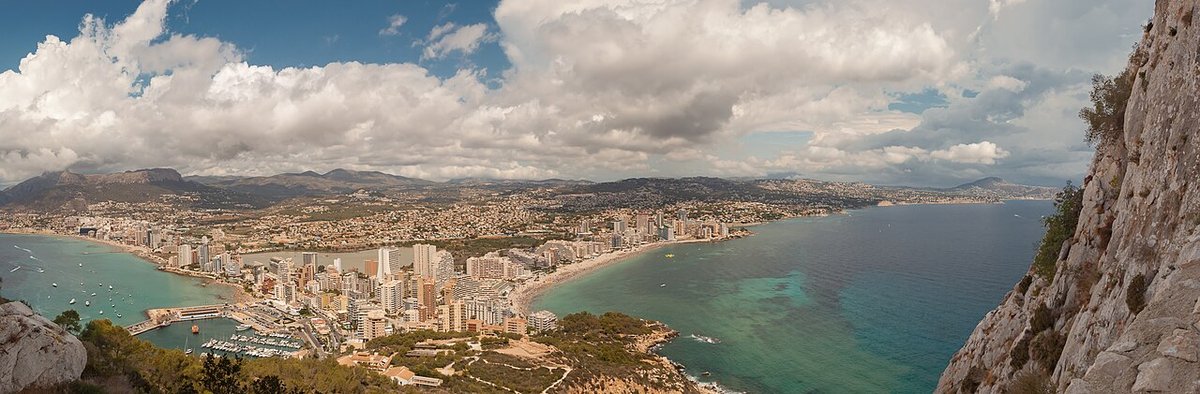
This daily ritual sums up modern Calp: a working fishing town that discovered tourism and never looked back, yet still maintains enough Mediterranean authenticity to keep things interesting. The rock dominates everything—visible from every beach, every apartment balcony, every narrow street in the old quarter. It's not merely photogenic; it's the town's compass point, weather vane, and spiritual centre rolled into one massive chunk of karst.
The Harbour That Still Works
Down at the port, away from the seafront bars serving full English breakfasts, fishermen mend nets in the morning sun. Their boats—small, weather-beaten, functional—tie up beside polished pleasure craft that cost more than most houses. The contrast isn't jarring; it's honest. Calp makes no pretence about having preserved some mythical "authentic Spain." Instead, it's learnt to accommodate both worlds.
The fish auction happens most afternoons in a modest concrete building. Visitors can watch from a gallery as local restaurateurs bid on dorada, sea bream still flapping from the morning's catch. It's theatre, yes, but necessary theatre—without this daily commerce, half the port-side restaurants would serve frozen imports rather than the grilled sardines that arrive on tables within hours of leaving the sea.
Speaking of restaurants, the port area offers what British visitors might call proper value. Three-course menús del día hover around €14-16, featuring rice dishes that stretch a single small fish into a meal for two. The local speciality, llauna de Calp, arrives as a clay pot of sea bream baked with potatoes, tomatoes, and enough garlic to keep vampires at bay. It's honest cooking—no foam, no fuss, just fish that tasted the Mediterranean that morning.
Beyond the Beaches
Arenal-Bol, the main beach, sprawls in a kilometre-long arc of imported sand. In July and August, it's a towel-to-towel affair that would make Bournemouth seem spacious. The promenade behind pulses with rental bikes, inflatable toys, and the eternal Spanish soundtrack of mobile phone conversations. Yet walk ten minutes either direction and the crowds thin dramatically.
Cala del Mallorquí, tucked beneath cliffs at the rock's base, offers a different experience. It's smaller, pebbly in parts, with water so clear you can watch fish inspecting your toes. The beach bar here serves decent paella without the Arenal-Bol premium. Similarly, Les Bassetes, north of the port, provides rock-platform swimming and views back toward the Peñón that'll have you reaching for your camera despite yourself.
The salt flats present Calp's most unexpected landscape. Las Salinas, now ringed by apartment blocks, remain a proper wetland where flamingos stalk through shallow water against a backdrop of urban development. It's surreal, slightly whiffy, and absolutely worth the twenty-minute walk from town. Bring long trousers—the vegetation fights back. February through May offers the best birdwatching, though you'll spot residents year-round. The trail circumnavigating the flats takes forty minutes and provides sufficient flamingo sightings to keep children interested without boring teenagers to tears.
Uphill Battles
The Peñón hike divides visitors into two camps: those who turn back at the tunnel, and those who emerge onto the summit ridge wondering why they ever considered Benidorm. The route starts gently enough—a paved path through Mediterranean scrub that smells of rosemary and wild thyme. Then comes the tunnel, a 50-metre stone throat that requires headlamps and steady nerves. Beyond it, the path becomes proper mountain walking: loose rock, exposure, sections where hands are required.
The summit rewards with views stretching from Alicante's skyscrapers to the mountains beyond Jávea. On clear days, Ibata's outline shimmers on the western horizon. The descent demands respect—Calp's emergency services regularly extract over-confident walkers wearing flip-flops. Proper footwear isn't just recommended; it's essential.
For those preferring their mountains less vertical, the Sierra de Oltà provides excellent hiking without the queues. Starting fifteen minutes drive inland, trails wind through abandoned terracing and pine forest to a summit offering rock's-eye views of Calp and coastline. It's where locals go when they want exercise without tourist company.
The Old Town Conundrum
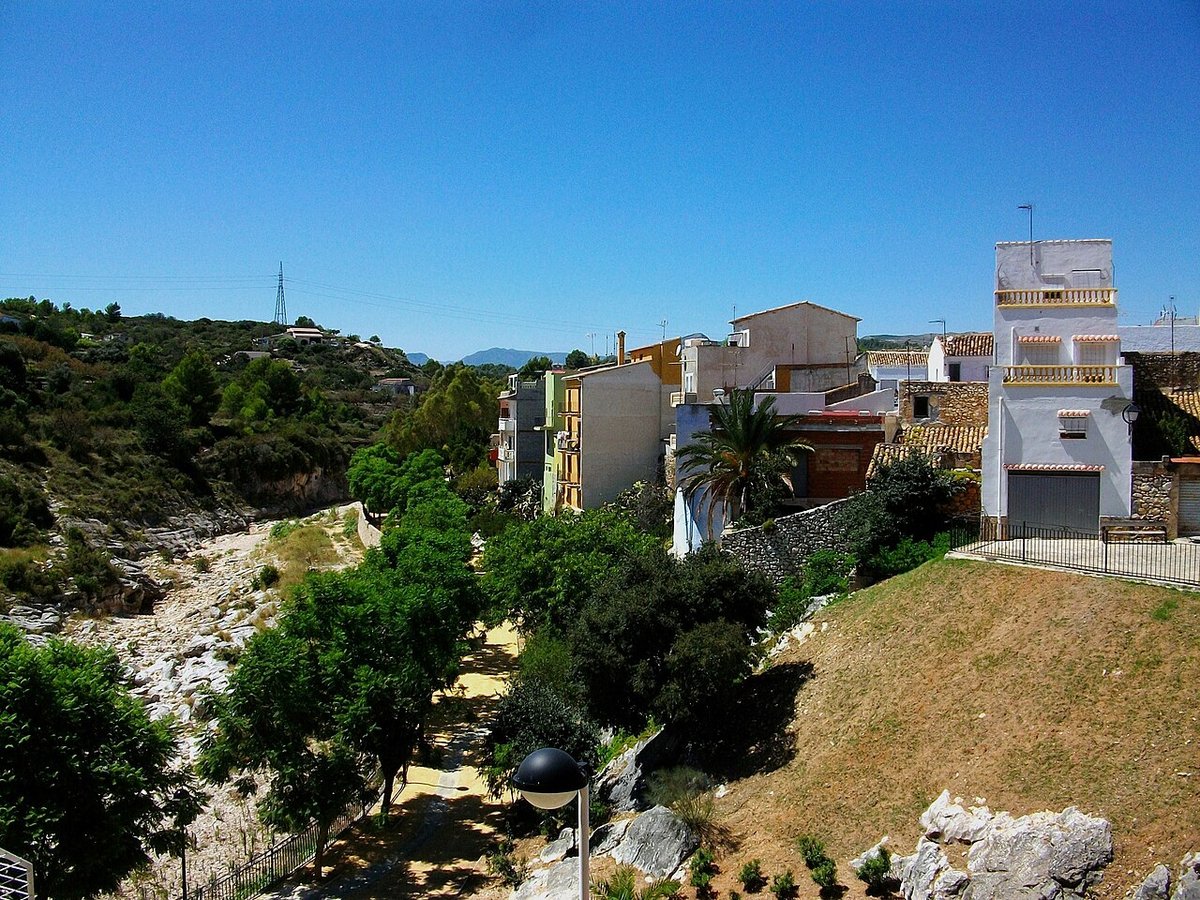
Calp's historic centre occupies a modest hill ten minutes from the sea. It's pretty enough—whitewashed houses, geranium-filled balconies, the occasional medieval wall fragment. It's also tiny. The entire old town can be walked in twenty minutes, including time to photograph the Gothic church and remaining sections of Moorish wall. British visitors expecting something on the scale of Pollensa's old town or Sóller's historic centre might wonder what they've missed.
What the old town lacks in size, it compensates for through altitude. Streets climb steeply from the modern grid below, revealing sudden glimpses of the Peñón framed between houses. Evening here offers respite from beachfront commercialism. Small bars serve tapas at half tourist-zone prices, while locals occupy benches discussing football and fishing with equal passion.
Practical Matters
Driving from Alicante airport takes an hour via the free N-332 coastal road, saving €15 each way in tolls compared to the AP-7. The route winds through orange groves and past roadside restaurants serving three-course lunches for €10—perfect for arrival-day hunger without airport prices.
Wednesday and Saturday mornings see the town's main market spread across the car park behind Avenida Masnou. It's enormous, chaotic, and brilliant for picnic supplies. British visitors particularly appreciate the locally grown avocados and the stall selling proper Manchego at prices that make supermarket equivalents seem criminal.
Accommodation ranges from basic apartments at €60 nightly in shoulder seasons to beachfront hotels hitting €200+ in August. The sweet spot comes in late May or mid-September—warm seas, manageable crowds, restaurant tables available without Spanish-queueing (which resembles rugby without rules).
Evening entertainment remains resolutely Spanish. British-style pubs exist but feel apologetic about it. Instead, locals promenade along the seafront until midnight, children in tow, before settling into restaurants where dinner starts at ten and conversation continues past one. It's a rhythm that takes adjustment but rewards the effort.
Calp won't suit everyone. It's too developed for those seeking undiscovered Spain, too Spanish for those wanting home comforts with sunshine. Yet between the rock and the sea, the working harbour and the historic quarter, it offers something increasingly rare on this coast—a place where tourism and daily life maintain an uneasy, fascinating balance.