Full Article
about Dénia
Capital of the Marina Alta and a UNESCO Creative City of Gastronomy; known for its castle, beaches, and red shrimp.
Hide article Read full article
A fisherman at the fish market once compared Dénia’s red prawns to Rolling Stones tickets. Pricey, hard to get, with long queues. That image sticks when you see a price board. In a good season they can hit 200 euros per kilo. For that money, you could buy a ferry ticket to Ibiza. Many boats in the harbour do just that each morning.
That contrast sums up the place. Dénia lives with one foot in fishing life and the other in a steady flow of travellers. Ferries come and go, crates of seafood change hands. The rhythm feels both practical and slightly theatrical.
The castle climb after dinner
The walk up to the castle is not long. But it stretches out if you try it after a late dinner of arròs negre. Seventy metres of uphill feels more serious when rice and squid ink are fresh in your system. The effort pays off though.
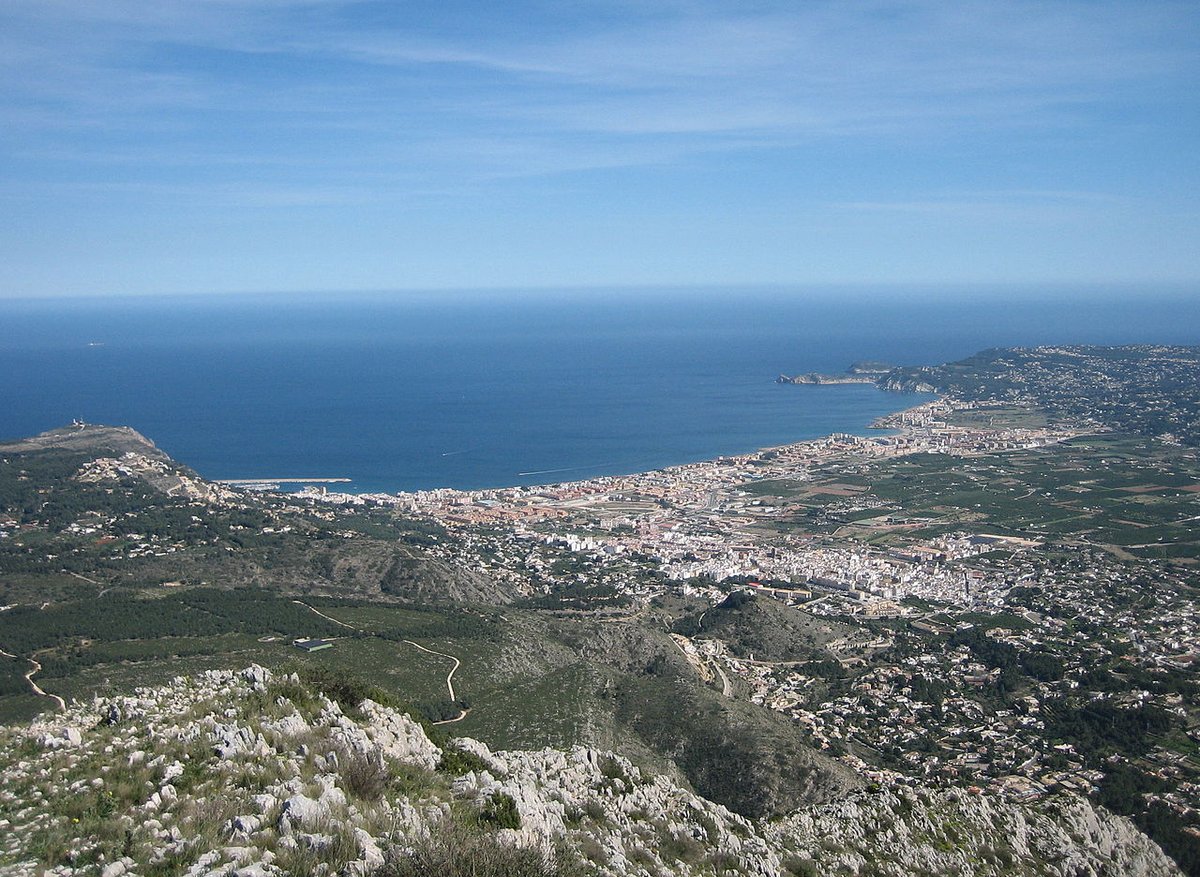
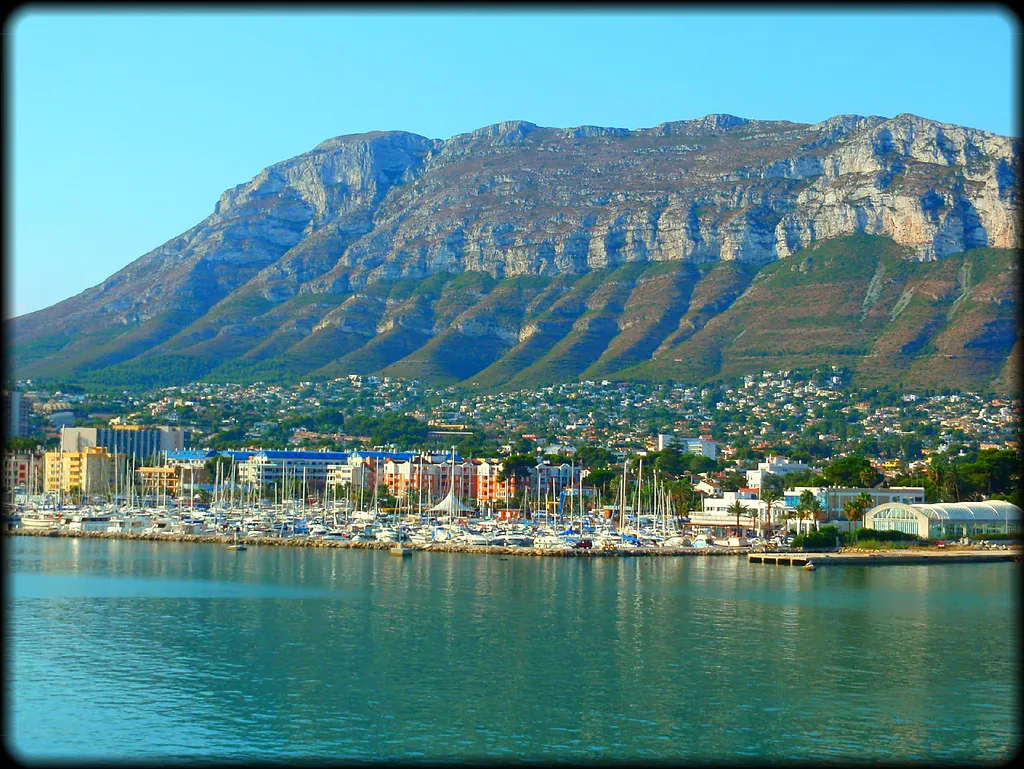
From the top, Dénia spreads out like an uneven amphitheatre. White houses crowd together, angled towards the sea. The Montgó looms behind like a quiet bouncer keeping everything in check.
The castle has been many things. An Islamic fortress, a Christian residence, a prison. Today it works as a historical space and museum. It might seem like a quick walk past some panels at first, but the stories pull you in. The era of the taifas, when different Muslim kingdoms fought over this coastline, gives it a sense of constant change. It feels like watching people argue over the last piece of tortilla.
From the walls, you see the port clearly. Ferries to Ibiza sit beside fishing boats. Their shapes look oddly similar from this height.
Walking up Montgó
Montgó dominates everything around it. People approach it in all sorts of ways. Some treat it like a casual stroll, even in flip-flops. Others use it for training.
One route passes by the Cova de l'Aigua. The name sounds gentle but the climb is serious. A steady gradient demands some effort. It quickly reminds you what you packed and what you forgot.
Bring extra water, more than you think you need. Sun protection matters too. Reaching the summit can test your patience on busy days. It becomes a viewpoint full of raised phones all trying to capture the same image.
But there are quieter moments. When space opens up, the view does the rest. The Mediterranean fills half the horizon. Dénia looks small below, like a handful of houses placed beside the harbour without much planning.
Watching the fish auction
Late afternoon at the fish market has its own ritual. Visitors, locals and traders all focus on one point waiting for action. The atmosphere is like waiting for a village band to start playing. Everyone watches alert and expectant.
Then it begins. Boxes of red prawns move fast from one set of hands to another. Prices are called out quickly. Buyers respond with small nods as if negotiating over art not seafood.
The prawn justifies some of that attention. Cooked very lightly it tastes intensely of salt and sea with a hint of sweetness. That explains part of its price tag.
Another dish appears soon after: caldero dianense. It is fish and rice served with its own sequence. First comes fish with broth then rice cooked in that same stock. It feels homely but firmly rooted in this town’s maritime identity.
When festivals take over
Dénia shifts character depending on time of year. During Fallas it turns into continuous celebration for days. These festivals famous across Valencia involve large sculptural figures that get burned eventually. In Dénia they have a more local feel than in Valencia city belonging to specific neighbourhoods close to everyday life.
One figure might show a fisherman lifting a giant prawn at auction It sounds humorous but captures something essential about this place
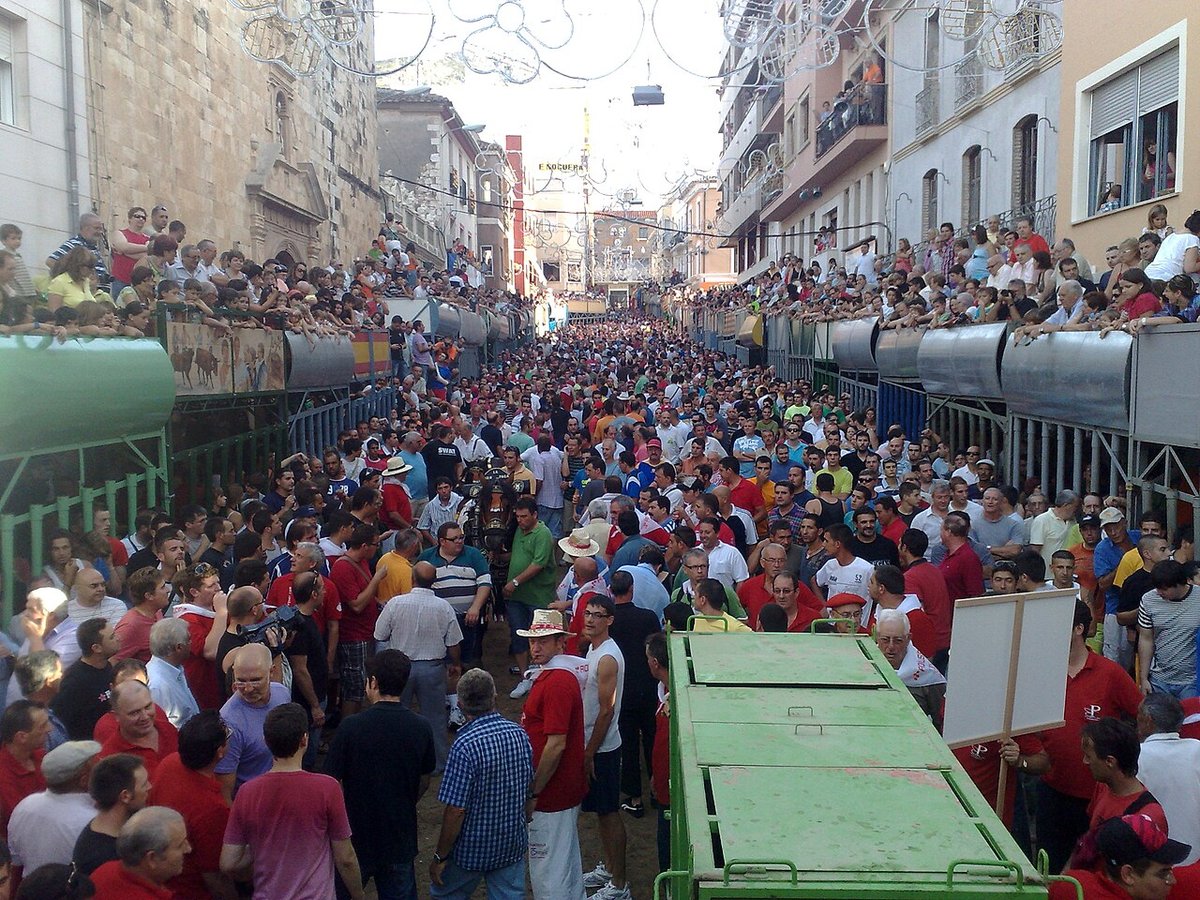
Then there are bous a la mar The idea is simple if surprising Bulls run along platform by port often falling into sea Some participants jump in after them whether out bravery or impulse Others watch from behind barrier drink in hand keeping safe distance
For visitors it takes time understand Within town unfolds with sense normality part long standing tradition people accept without much question
A beach bar that grew up
Dénia does not fit neatly into one category Not quite village not quite city It feels more like beach bar that grew up relaxed atmosphere remains but now surrounded by everything comes larger place
Timing makes difference Spring September offer calmer version Dénia August brings crowds energy feeling similar entering shopping centre just before major holiday plenty happening plenty people too
For something slower vía verde towards El Verger provides easy route almost flat ideal gentle cycle serves quiet counterbalance long lunches centred around rice dishes
One final suggestion Head up castle towards end day Sit along wall while watch light shift over port Town begins glow gradually Montgó turns dark silhouette behind calm simple moment explains Dénia better than any guide Just remember leave before closing time cats live up there already behave castle belongs them