Full Article
about El Poble Nou de Benitatxell
Coastal municipality known for Cala del Moraig and its cliffs; blends farming with residential tourism.
Hide article Read full article
El Poble Nou de Benitatxell: el pueblo que mira al mar desde lo alto
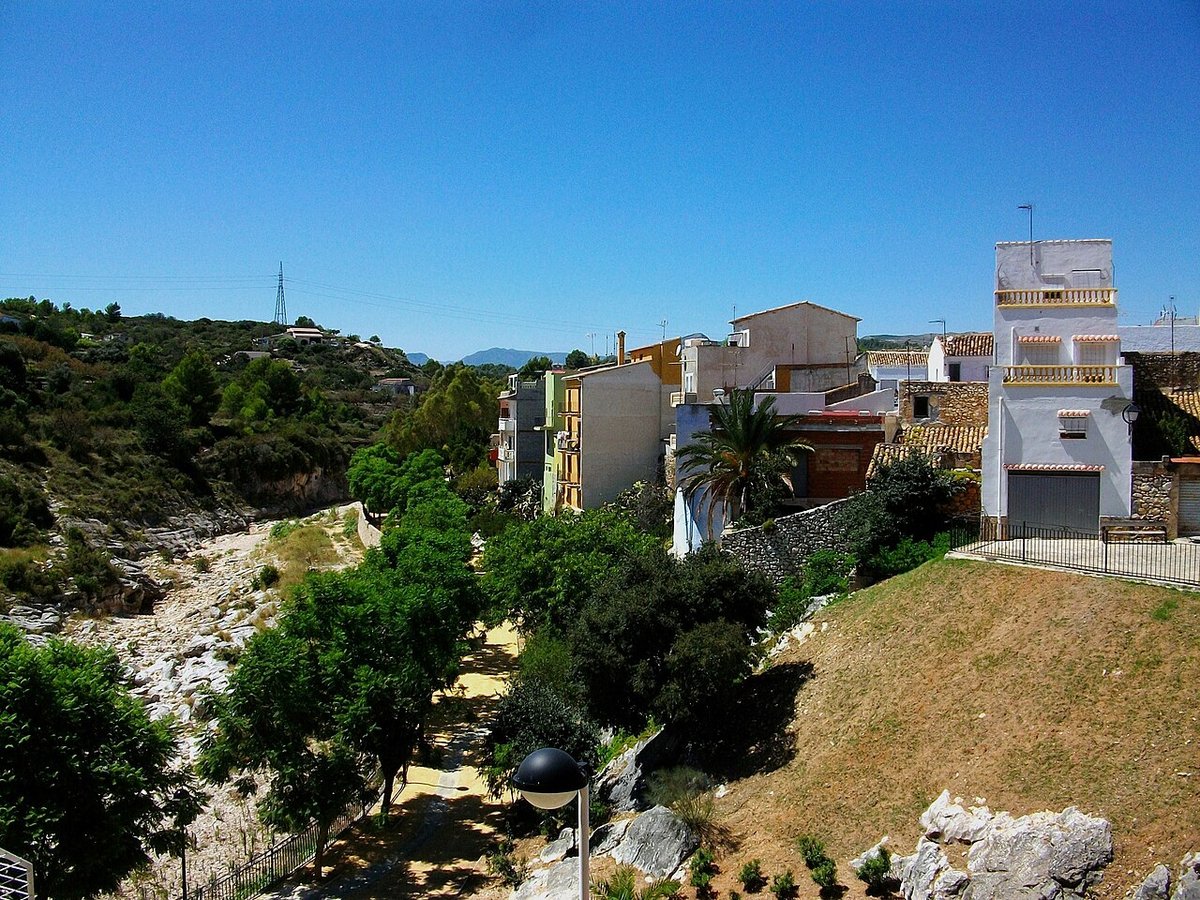
El Poble Nou de Benitatxell es como ese amigo que siempre habla de ir a la playa, pero vive en un tercero sin ascensor. Lo primero que piensas al oír su nombre es en la Cala del Moraig, esa foto de agua turquesa que has visto mil veces. Y sí, está ahí. Pero llegar hasta ella es otro cantar: una cuesta abajo que te recuerda, con cada paso, que luego toca subir. Ese contraste entre el pueblo sobrio, a 140 metros sobre el mar, y la costa abrupta es justo lo que define este rincón de la Marina Alta.
El núcleo urbano es práctico, de esos donde el panadero todavía te saluda por la mañana y las conversaciones en la plaza son parte del mobiliario. Con unos 4.800 habitantes, conviven vecinos de toda la vida con una comunidad europea asentada. No esperes un casco histórico monumental; aquí lo patrimonial es más bien discreto, como la iglesia de Santa María Magdalena del siglo XVIII: funcional y sin florituras.
Pero la verdadera personalidad del lugar no está entre calles, sino colgando sobre el Mediterráneo.
La costa no es un decorado, es el terreno
Si vienes buscando playas de arena kilométricas, este no es tu sitio. La costa aquí son acantilados rotos por calas a las que se accede por senderos pedregosos. Es para quien no le importe sudar un poco a cambio de un baño en un escenario más salvaje.
La estrella es, claro, la Cala del Moraig. El agua suele tener esa claridad que parece poco creíble, encajonada entre paredes rocosas. En verano se llena rápido; si llegas pasadas las once, prepárate para buscar hueco como en un metro a hora punta. Justo al lado está la Cova dels Arcs, ese arco natural que sale en todas las fotos. Cuando el mar está plano, se ve perfectamente desde dentro. Si hay algo de oleaje, mejor admirarlo desde lejos: el Mediterráneo aquí puede cambiar de humor en minutos.
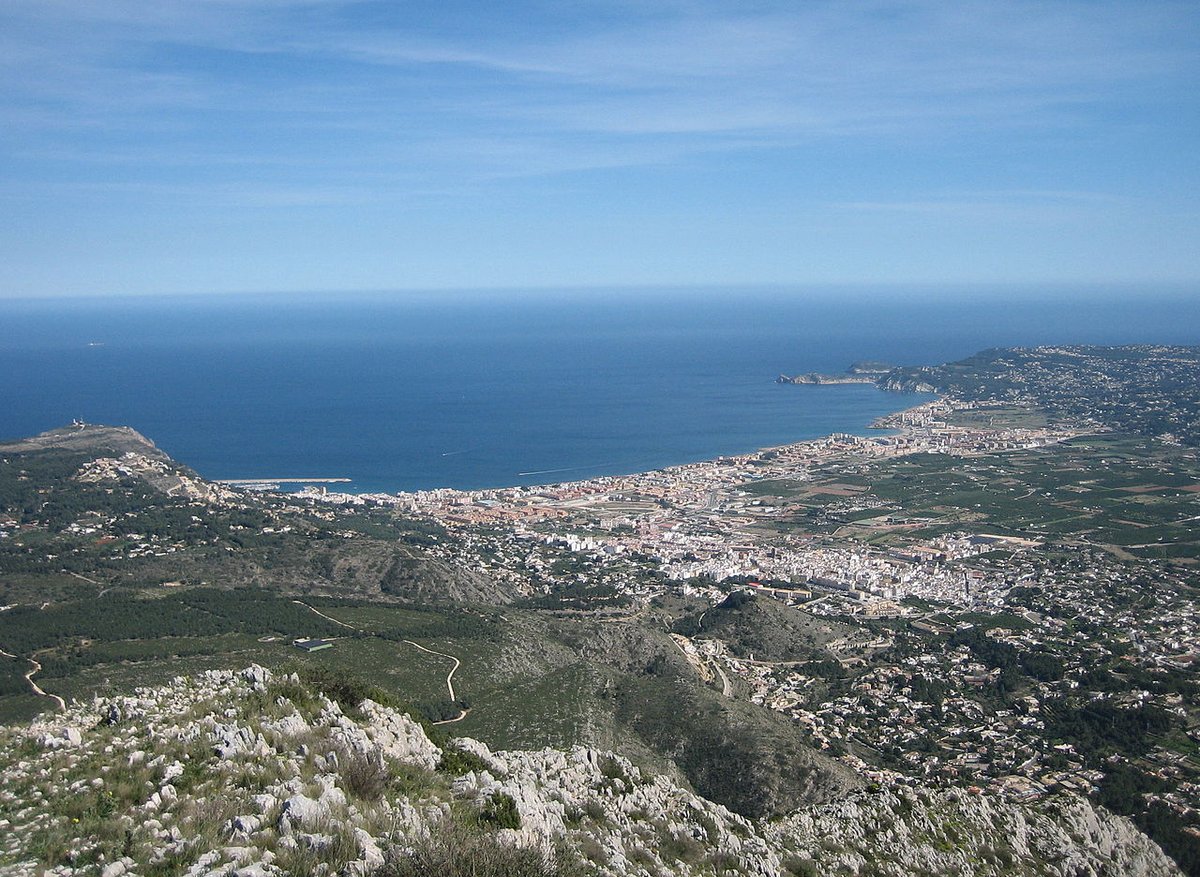
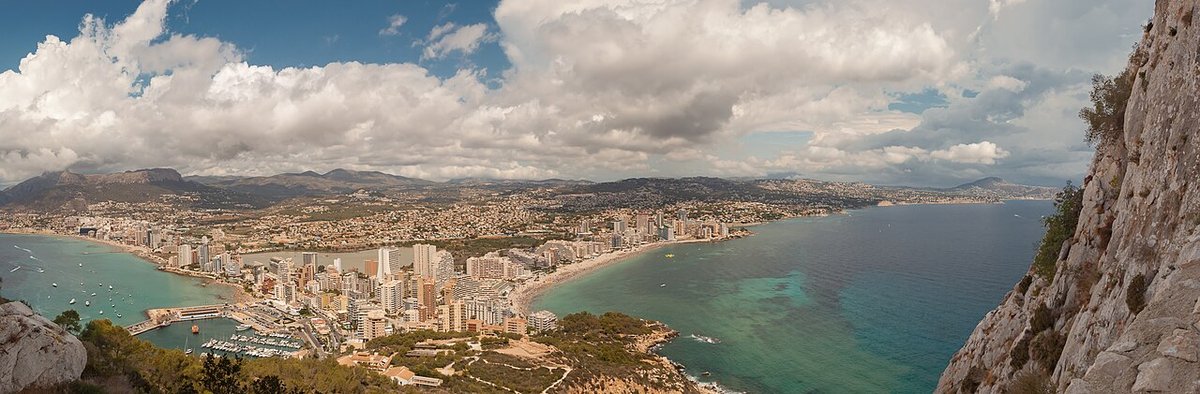
Por encima de todo esto vigila el Puig de la Llorença, el punto más alto. Desde algunos miradores la vista se estira hasta el Peñón de Ifach y, en días excepcionalmente claros, algunos juran ver una silueta borrosa que podría ser Ibiza. Quedan restos de una torre vigía antigua, recordatorio de cuando esta costa era una primera línea defensiva.
Para moverte por este laberinto de roca está el Paseo Ecológico. Llámalo "paseo" con cariño: en realidad es un sendero irregular por los acantilados, con tramos rocosos y poca sombra en verano. Lleva agua y calzado que agarre bien; no es un paseo marítimo para ir en chanclas.
Caminar o remar: dos formas de medirse con el paisaje
Aquí las actividades tienen un denominador común: el esfuerzo merece la pena. La Ruta de los Acantilados recorre buena parte del litoral. En verano, hazla a primera hora o al atardecer; el sol pega duro y el camino tiene sus tramos comprometidos con piedra suelta y desniveles.
Pero si quieres cambiar completamente la perspectiva, métete en el agua. Hacer snorkel en Cala del Moraig los días tranquilos tiene recompensa: entre rocas y praderas de posidonia se mueve bastante vida. Para más intimidad, hay otras calas como la dels Testos o Llebeig, cuyo acceso es aún más exigente. La bajada puede hacer que dudes, pero luego ese baño a solas sabe a victoria.
Otra opción es alquilar un kayak. Desde abajo los acantilados ganan mucho dramatismo y descubres cuevas pequeñas que desde tierra ni se intuyen. Eso sí: consulta siempre el estado del mar y el viento antes de salir; aquí las condiciones cambian rápido.
Fiestas para vecinos (y si estás de paso, bienvenido)
El ritmo festivo aquí sigue su propia cadencia local. Las fiestas grandes son las de Santa María Magdalena, hacia finales de julio. No son espectáculos montados para turistas; son los días en los que el pueblo se vuelca en procesiones, música y encuentros en la calle. Si coincides, verás cómo se anima todo sin perder ese aire familiar. Es como si le subieran un par de grados al volumen habitual.
En resumen: Benitatxell funciona si aceptas sus reglas. No vengas buscando postal perfecta sin arrugas. Vente con calzado cómodo, con ganas de caminar y con tiempo para sentarte frente al acantilado sin hacer nada más. El premio no es un monumento, sino esa sensación rara de estar en un pueblo tranquilo que tiene, ahí abajo, un litoral bravo y bastante bello. Como ese amigo serio que, de repente, te sorprende contando la historia más divertida de su vida