Full Article
about El Ràfol d'Almúnia
Historic seat of the Rectoría; quiet village ringed by citrus groves and mountains
Hide article Read full article
A slow start in the Marina Alta
The bells of Sant Bartomeu ring early, when there is still a trace of moisture on the orange leaves. From the square, where the ground holds the cool of the night, the tower stands out against a sky that is only just beginning to brighten. In El Ràfol d'Almúnia, the day unfolds gently: a car passes through without hurry, shutters lift one by one, and someone opens their front door to sweep the pavement before the heat builds.
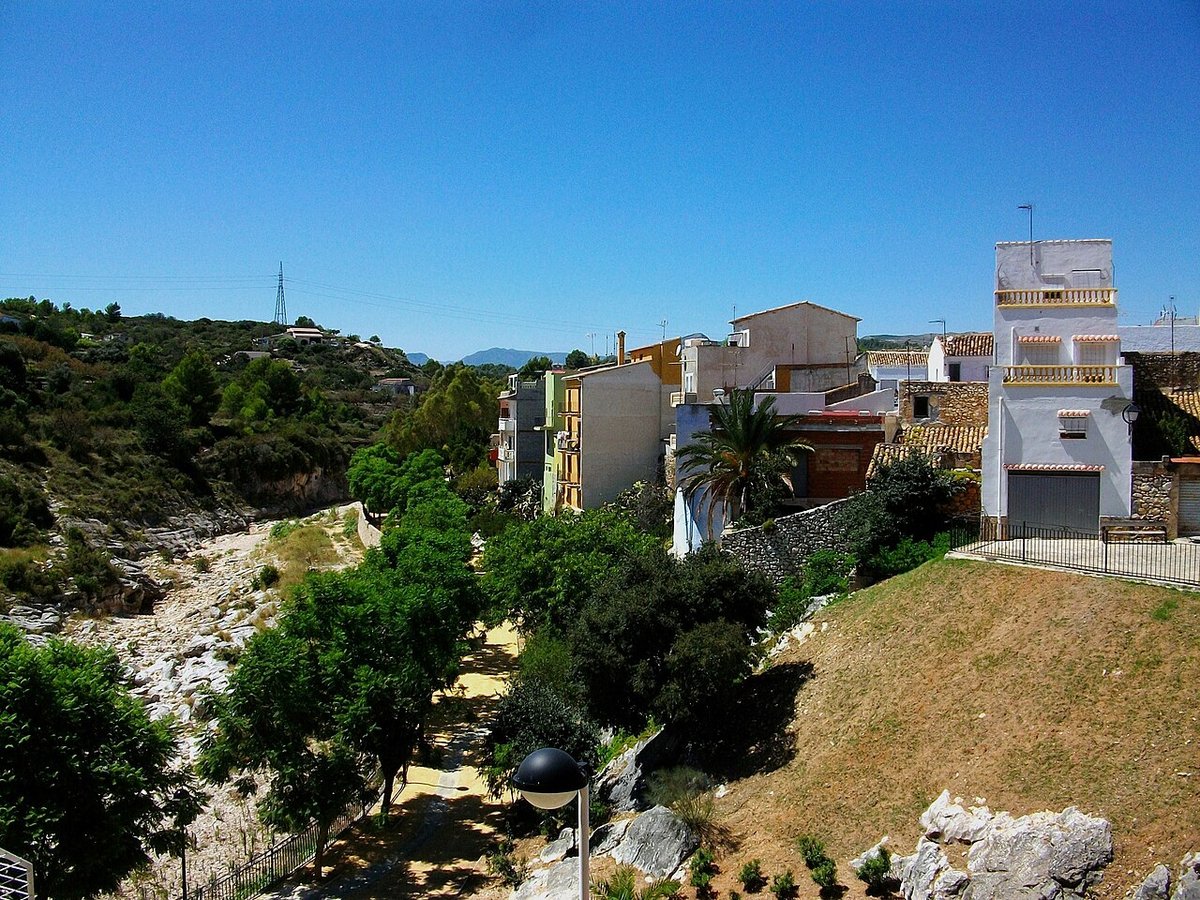
The village sits on a gentle slope in the Marina Alta, within an area known locally as the Rectoria. The sea is relatively close, though it cannot be heard. What carries instead are other signs: the smell of damp earth after rain, orange blossom in spring, and wood smoke on colder winter days. These are familiar scents across this part of the comarca, tied closely to the citrus groves that surround the village.
The legacy of the Rectoria
Walking through El Ràfol means coming across traces of the old Rectoría, a small territory that for centuries organised life across several nearby settlements. The parish church, dedicated to San Francisco de Paula, dominates the centre with its solid tower. The building dates back several centuries, generally placed in the early modern period, and remains the most visible landmark when approaching by road.
Inside, there is the dimness typical of village churches: the scent of wax, dark wood, and stone that stays cool even in August. Some elements have been restored over time, yet the age of the building still shows in its thick walls and worn stone details.
The name Almúnia, which forms part of the municipality’s name, appears in old documents connected to the area. It is also common to see it on gravestones in the cemetery or in the surnames of current residents. In a place of this size, family histories and the story of the village tend to intertwine.
Orange groves and working paths
Much of the landscape around El Ràfol d'Almúnia is made up of orange groves. In April, when the trees are in bloom, the air changes completely. The scent of orange blossom drifts through the streets and into the centre itself.
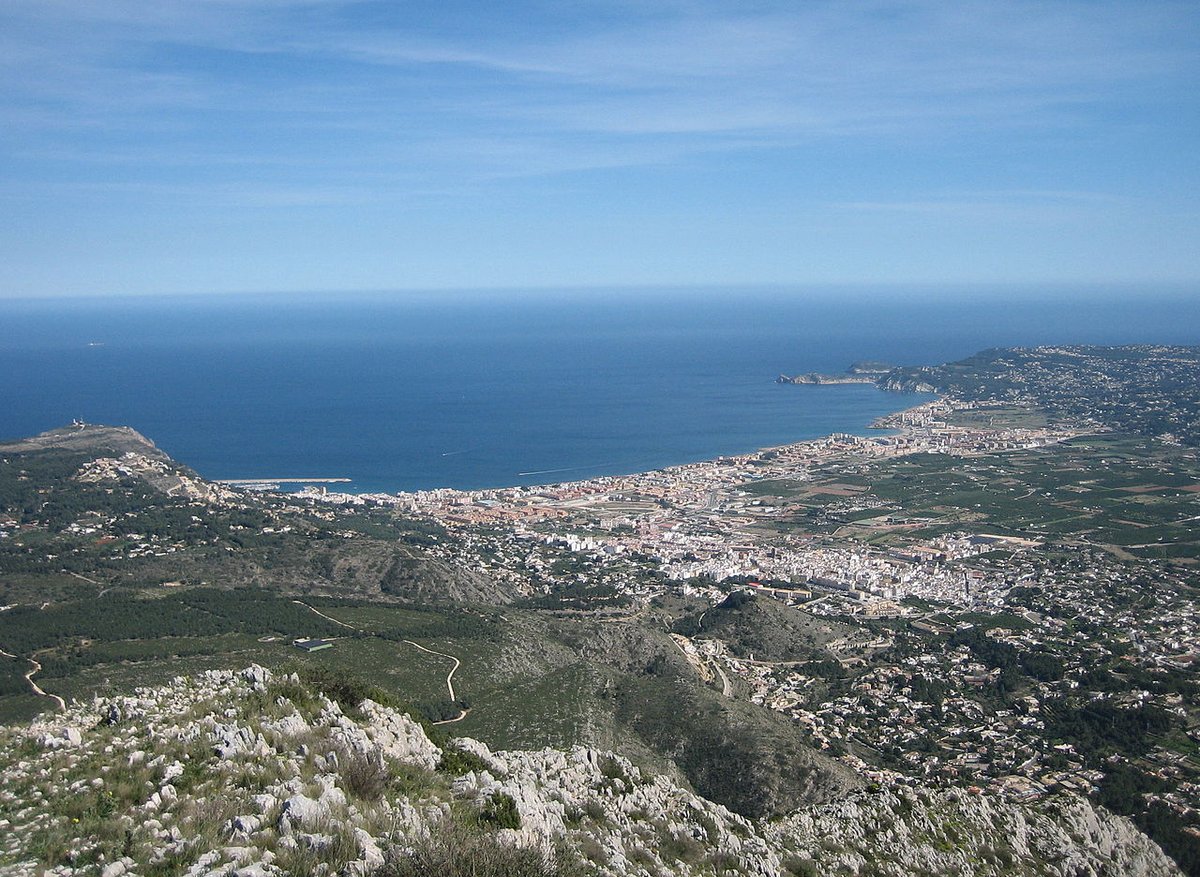
Several agricultural paths lead out of the village, allowing for walks between the terraced fields. These are not marked routes but working tracks used by farmers, so care and respect for the land are expected. From higher points, there are clear views over the Girona river valley and, on a bright day, a strip of Mediterranean blue between the mountains.
Towards evening, when irrigation systems are switched on, the sound of water running through the acequias becomes noticeable. Many of these channels follow older layouts linked to irrigation systems developed here during the Andalusí period, a reminder of how long agriculture has shaped the area.
August festivities and local life
By mid-August, the atmosphere shifts. The patron saint festivities bring people back to the village for a few days: families who now live in places like Dénia, Gandía or Valencia return to their relatives’ homes.
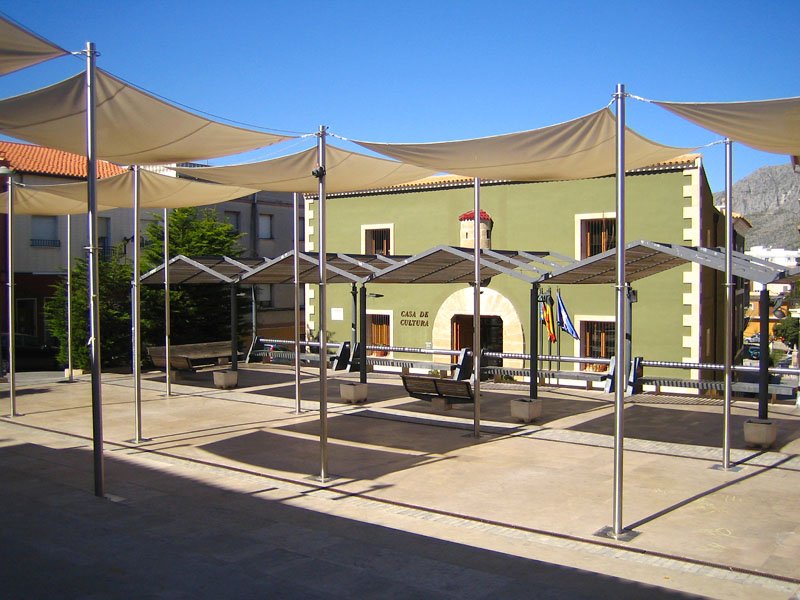
The main square becomes the centre of activity. Large paellas are prepared, meals stretch out over long conversations, and the usual quiet gives way to more hours of noise and movement. It feels different from the coastal summer scene. El Ràfol remains a small village, but during these days there is a clear sense of increased life in the streets.
Across many towns in the Marina Alta, similar gatherings take place, often organised by local associations, frequently involving women from the village. These events revolve around traditional dishes such as olla or rice dishes. They are largely inward-looking celebrations, designed for those who live here rather than for visitors.
Early mornings at Easter
During Semana Santa, some early morning processions are still observed. In the early hours of Good Friday, it is common for religious events to pass through the streets in silence. At that time, the ground is often damp with dew, and the only sounds are footsteps along with the occasional chain or drum.
As the procession ends, daylight begins to spread over the orange groves. People linger for a while in the square before heading home. It is one of those moments when the village’s own pace becomes especially clear, far removed from the rhythm of the nearby coast.
Getting there and choosing your moment
El Ràfol d'Almúnia lies just a few kilometres inland from the coast near Dénia. From the motorway, it can be reached by car in a short time, although the final stretch along local roads winds between fields and encourages a slower pace.
August is the liveliest month. For a quieter visit, a weekday outside the summer season tends to be more pleasant. In winter, particularly on clear afternoons after rain, the light becomes especially sharp and the valley appears with a clarity that is harder to find during summer.
At that hour, there is hardly anyone on the carrer Major. Perhaps a neighbour returning by car, or someone moving through the village without urgency, in keeping with the steady rhythm that defines El Ràfol d'Almúnia.