Full Article
about El Verger
Modern municipality with a medieval tower; link between the coast and the interior
Ocultar artículo Leer artículo completo
The scent of orange blossom drifts through the air at first light, carried on a breeze that rustles the leaves of a thousand citrus trees. From the stone bench outside Bar Central, you can watch the village wake up: metal shutters clatter open, a farmer hoses down the pavement outside the co-op, and someone wheels a handcart of lemons towards the market square. This is El Verger at 7 a.m.—a place where the working day still starts with the land, not the beach towel.
Between Plain and Peak
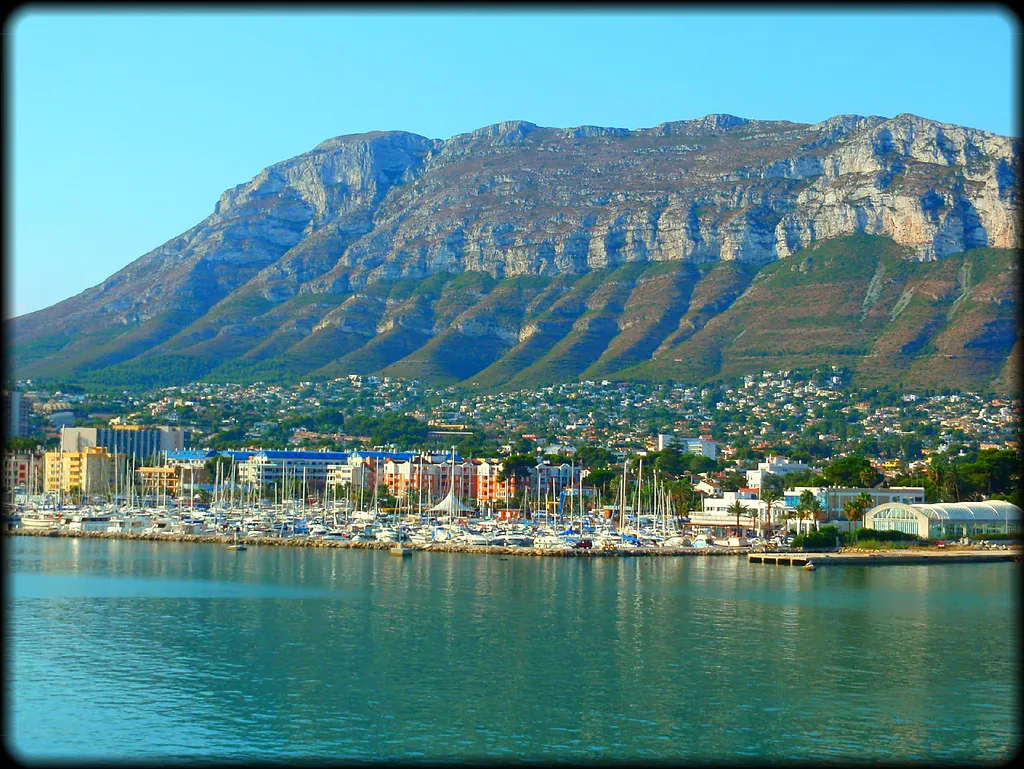
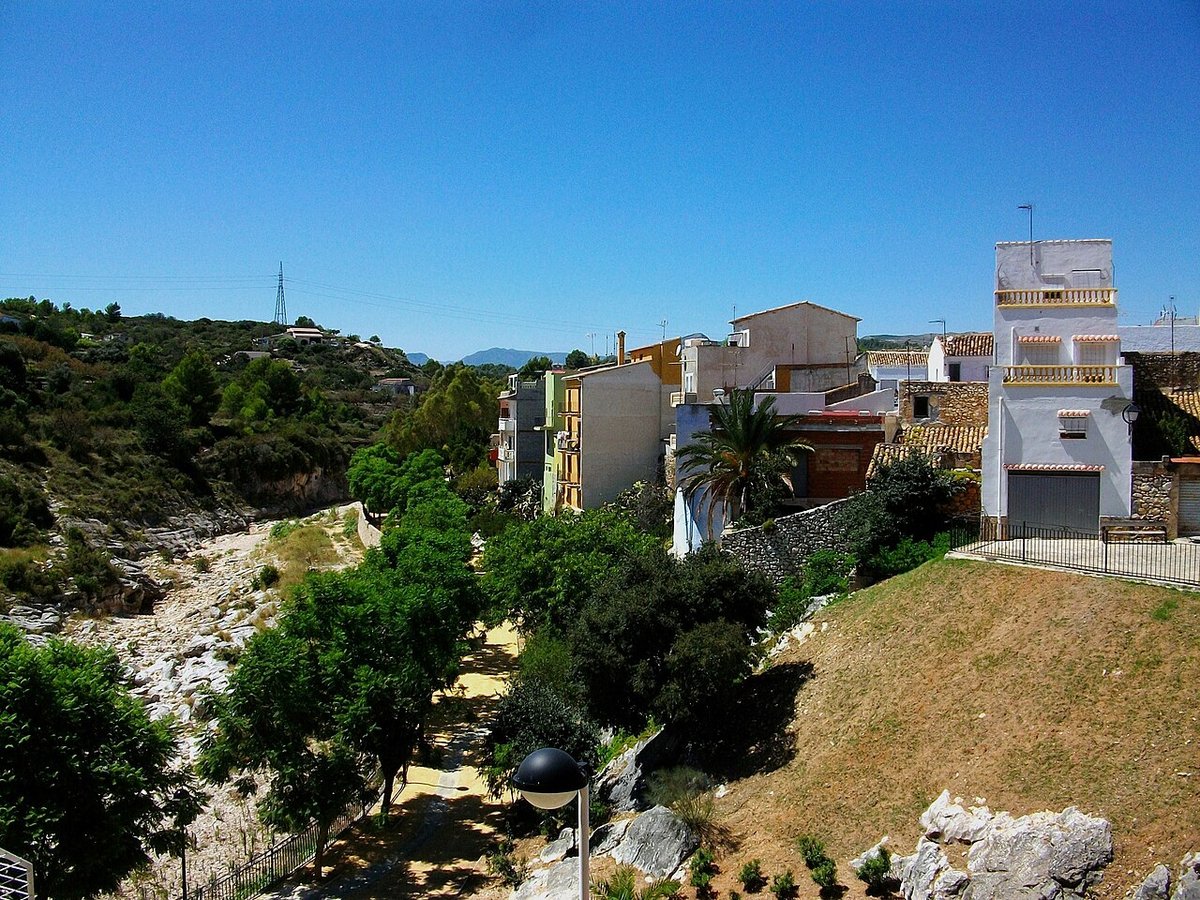
El Verger sits twenty-five metres above sea level on the fertile coastal plain that links Dénia and Pego. The Segaria mountains rise immediately behind it, their limestone ridges turning amber at dusk, while the Mediterranean glints five kilometres away. That short distance makes all the difference: the village keeps the manners of an inland farming town rather than a resort. You will hear Valencian in the baker’s queue, see rice fields reflected in irrigation channels, and notice that the supermarket shuts for two hours at lunch because staff live round the corner and go home to eat.
The grid of streets is compact—ten minutes’ walk from edge to edge—yet the surrounding groves stretch for miles. Any lane heading west will deposit you among orderly rows of navel and valencia late oranges, the fruit waxy and heavy from December to May. Public footpaths are sign-posted but lightly used; walkers share the earth tracks with the occasional tractor rather than a tour group. Spring mornings smell of azahar blossom so intensely that locals claim it drifts through closed windows. If you visit in summer the fragrance is gone, yet the shade thrown by glossy citrus canopy gives merciful relief from thirty-degree heat.
Market-Day Arithmetic
Wednesday is the pivot of the week. By nine o’clock the main through-road, Avenida Alicante, is closed to traffic and colonised by stalls: pyramids of tomatoes still dusty with soil, net bags of onions, buckets of snails that twitch when prodded. Prices are chalked on scraps of cardboard—two kilos of clementines for €1.50, bunches of herbs for a euro. British regulars compare notes on which stall accepts cards (only the honey man) and which insists on exact change. Parking is free but scarce before eleven; the smartest strategy is to leave the car on the rough ground behind the polideportivo and approach on foot past the football pitch where teenage teams train in last season’s Valencia CF shirts.
Inside the permanent market hall, fishmongers slap whole dorade onto stainless steel and shout the daily catch in rapid Valencian. If your Spanish stalls at ordering beer, try the four-word formula that works here: “medio kilo de gambas”. You will be handed half a kilo of prawns, heads on, for roughly six euros, and the vendor will toss in a fistful of parsley for free.
Rice, Fireworks and Other Local Habits
El Verger does not possess a single blockbuster monument. Instead it offers small, repeated pleasures: a coffee that costs €1.20, the sight of storks circling the church tower, the way the evening light turns the stone of Sant Antoni Abad church the colour of burnt cream. The interior is cool and plain, rebuilt after the Civil War, yet the side chapel still holds a seventeenth-century statue of the town’s patron. Every January he is carried through streets crowded with horses, tractors and dogs waiting to be blessed; animals leave the procession wearing coloured ribbons and, if they behave, a sugar cube from the priest.
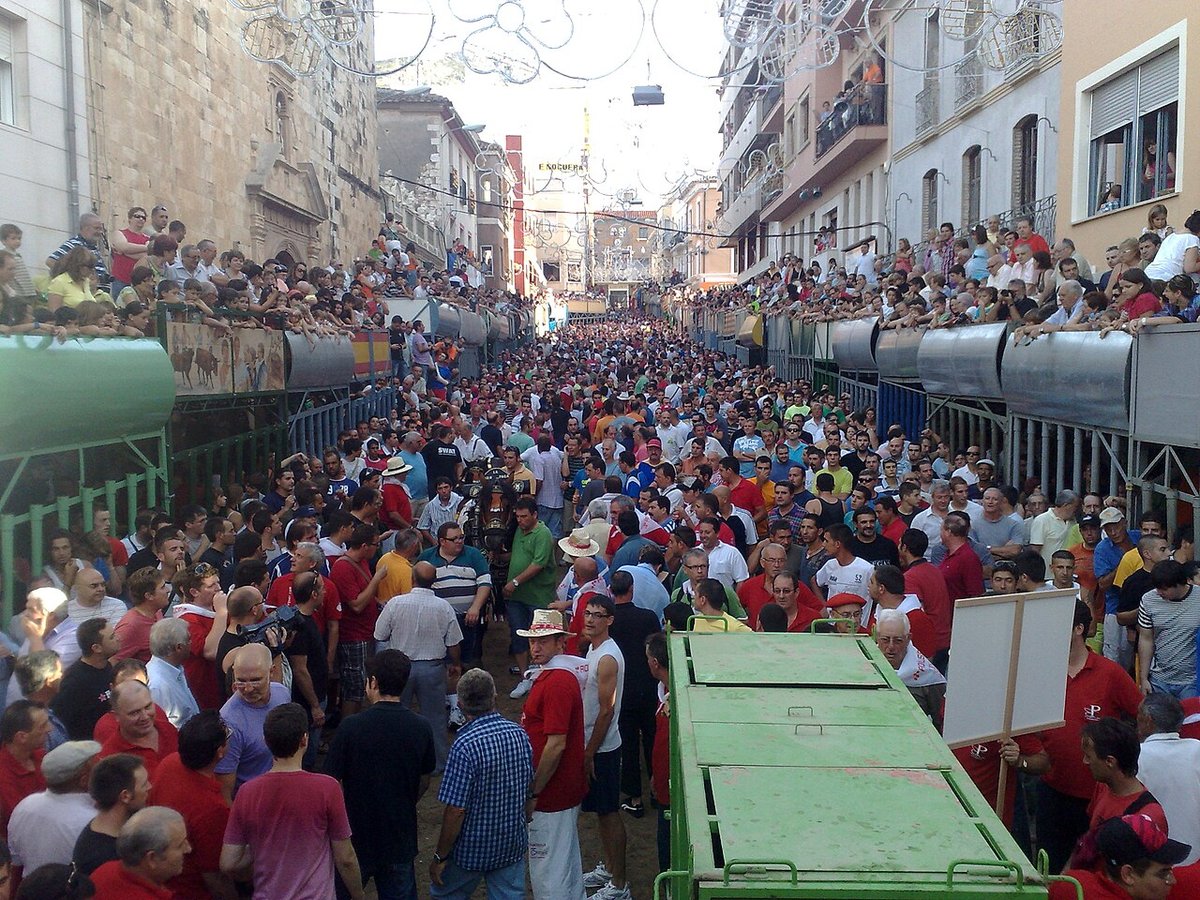
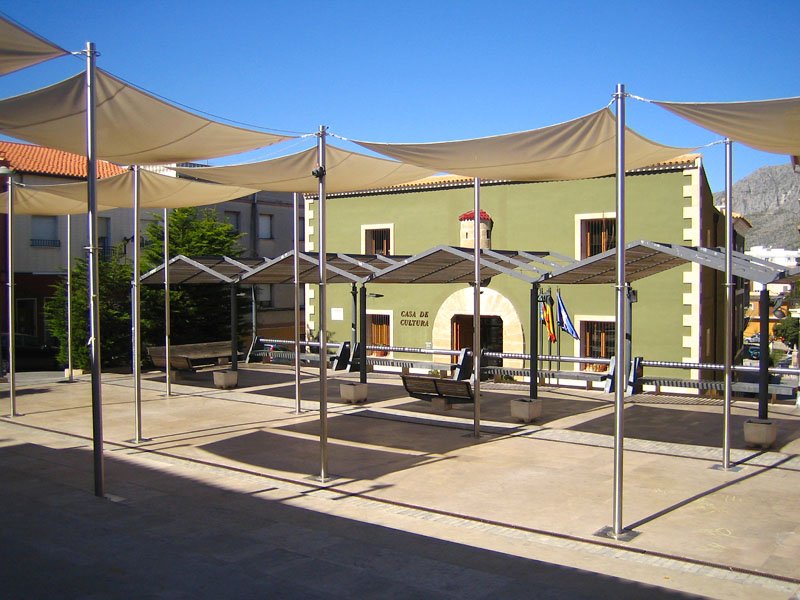
August turns the volume up. Firecracker strings crack from midday until the small hours, brass bands rehearse in the cultural centre, and temporary bars serve litre bottles of beer for two euros. The fiestas are democratic: toddlers chase balloons at six, teenagers parade in mock armour at nine, grandparents dance pasodoble at midnight. Light sleepers should avoid rooms facing the plaza; everyone else accepts the noise as part of the package, much as you would tolerate bagpipes in Edinburgh during the Festival.
What to Eat, Where to Sit
Restaurants line the pedestrian lane called Carrer Major. Casa Chimo offers a gentle introduction to regional rice: chicken and saffron baked until the grains form a chewy crust underneath, mild enough for children who balk at seafood. Across the way, BB Grill piles charcoal until it glows almost white, then delivers a mixed platter of pork ribs, chorizo and morcilla big enough for two hungry cyclists; ask for chips instead of the standard green beans if you must. Vegetarians are catered for at Wok El Verger, an unlikely pan-Asian buffet that locals use when they tire of gazpacho. Dessert is best taken standing up: a €1.50 flute of horchata from the machine at Gelats Toni, thick with tiger-nut sediment, or a coca dulce—an oval pastry topped with candied fruit that tastes of orange blossom and lasts exactly until you reach the end of the street.
Breakfast, meanwhile, belongs to Bar Central. They stock PG Tips behind the counter and will boil a kettle on request, though you may be the only person drinking tea while everyone else downs café amb llet. A toasted bap filled with sobrasada and local honey costs €2 and will keep you full until lunch, by which time the terrace shade has reached the crossword page of yesterday’s Costa Blanca News left on the next table.
Walking Off the Calories
A flat, paved path follows the river Girona south-east to the coastal settlement of Els Poblets. The walk is three kilometres each way, shaded by eucalyptus and crossed by wooden footbridges where terrapins sunbathe. Evening is the sensible time; daytime heat can top forty degrees in July, and there is no café en route. Turn round when you hear the diesel engines of the fishing boats that work out of Dénia, or continue another kilometre to the beach at Almadrava where a basic chiringuito serves cold Estrella for €2.50 and you can rinse salty feet at the outdoor shower.
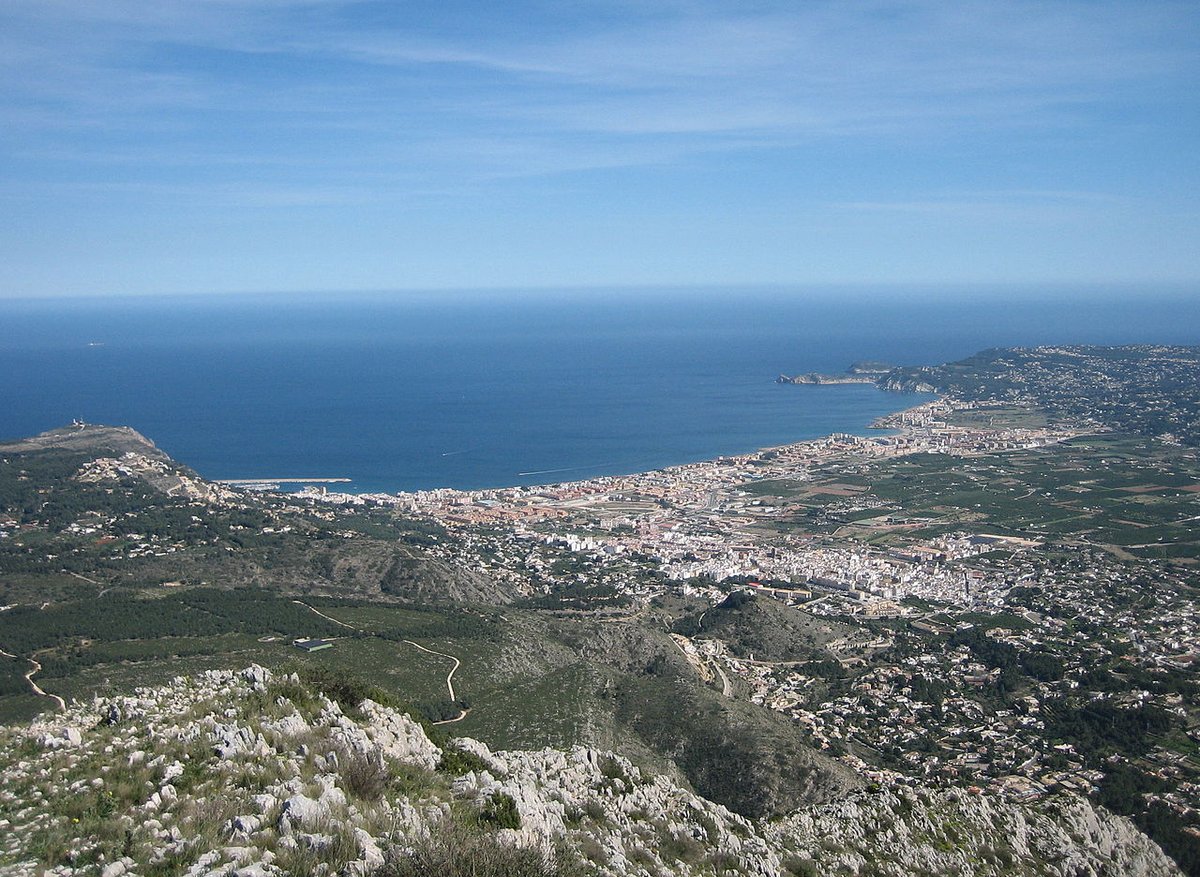
Behind the village, tracks climb into the Segaria range. The summit is 508 m, a steady ninety-minute haul on a stony mule track that starts between orange warehouses on the CV-700. Views stretch from the razor ridge of Montgó to the marshy mouth of the Pego-Oliva lagoon; on clear winter days you can pick out the high-rise outline of Benidorm thirty kilometres south. Take water—there are no springs—and avoid August when the stones radiate heat like an oven.
Getting There, Getting Out
The village is five minutes’ drive from the AP-7 motorway. Alicante airport is an hour south, Valencia ninety minutes north. Car hire is almost essential: buses run to Dénia every hour but finish at nine, and a taxi back from the coast costs around €18. If you must do without wheels, bicycles can be rented in Dénia and brought on the train as far as Vergel-Girona station—note the Catalan spelling—two kilometres from the centre along a busy road without pavement.
For day trips, historic Dénia offers a castle, marina and ferry to Ibiza; Gandia has a Borgia palace and long, wide beaches backed by dunes. Closer to home, the Pego-Oliva marsh is a haven for purple gallinule and glossy ibis; wooden walkways allow quiet access, best at dawn before the sun glints off the water and turns binoculars into mirrors.
Worth It?
El Verger will not dazzle anyone seeking Spain’s greatest hits. It has no Alhambra, no Gaudí spires, no Michelin stars. What it does have is continuity: oranges ripening on the same trees that fed your breakfast juice, neighbours arguing over the price of tomatoes, fireworks that have exploded on the same August date for half a century. Come for three nights and you may find yourself timing your return by the market, planning your hike by the shade of the citrus lanes, calculating how many kilos of fruit you can squeeze into hand luggage. That arithmetic, rather than any brochure superlative, is the village’s quiet boast—and the reason plenty of Brits now spend their entire winter here, greeting the dawn with the farmers and the scent of blossom they can still smell with the windows shut.