Full Article
about Jávea
Top-tier tourist destination with a varied coastline: from sandy beaches to rocky coves and Montgó.
Ocultar artículo Leer artículo completo
The first thing that strikes you about Jávea is the light. Not the soft, honeyed glow travel writers wax lyrical about, but a sharp, almost surgical brightness that bounces off whitewashed walls and makes the Mediterranean shimmer like polished steel. It's this quality of light—clean, precise, almost Nordic—that first drew artists here in the 1950s, and still pulls British winter refugees today.
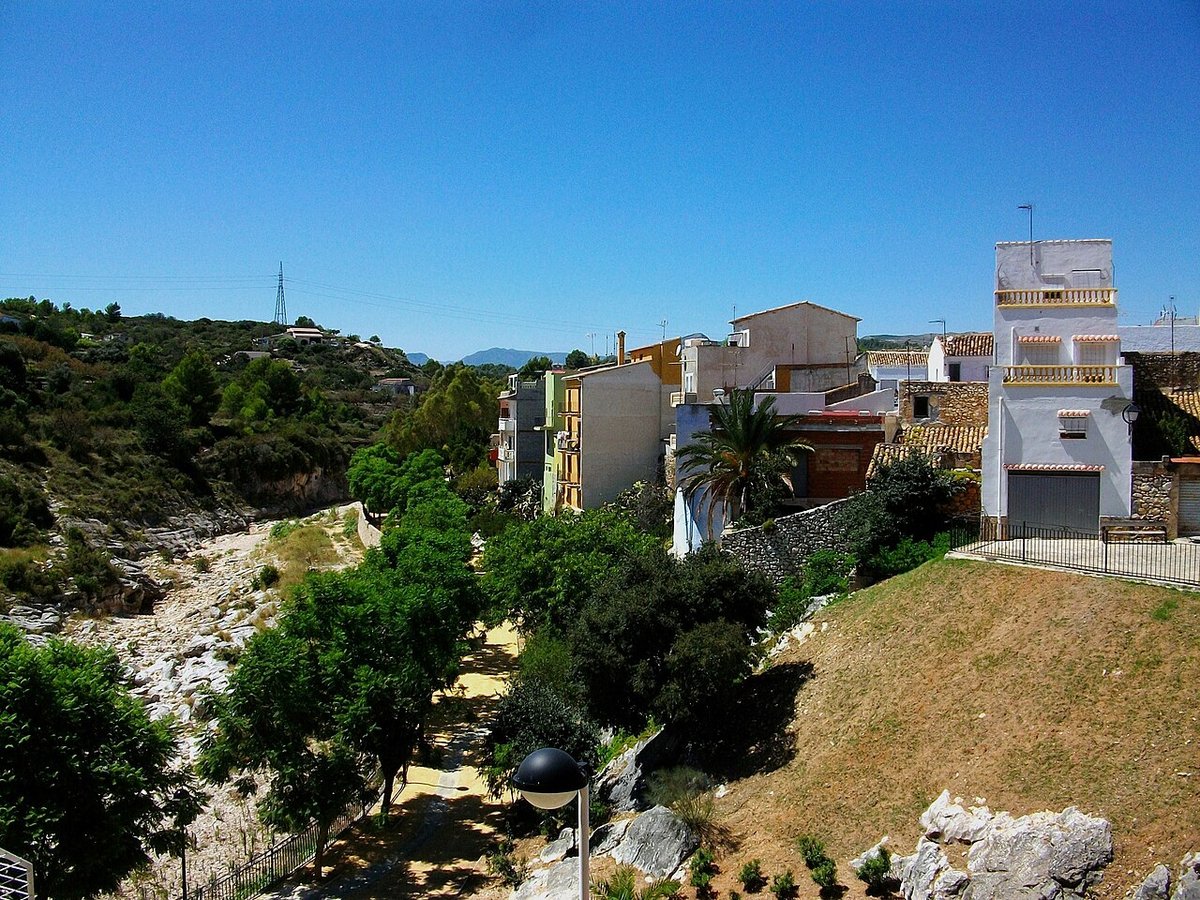
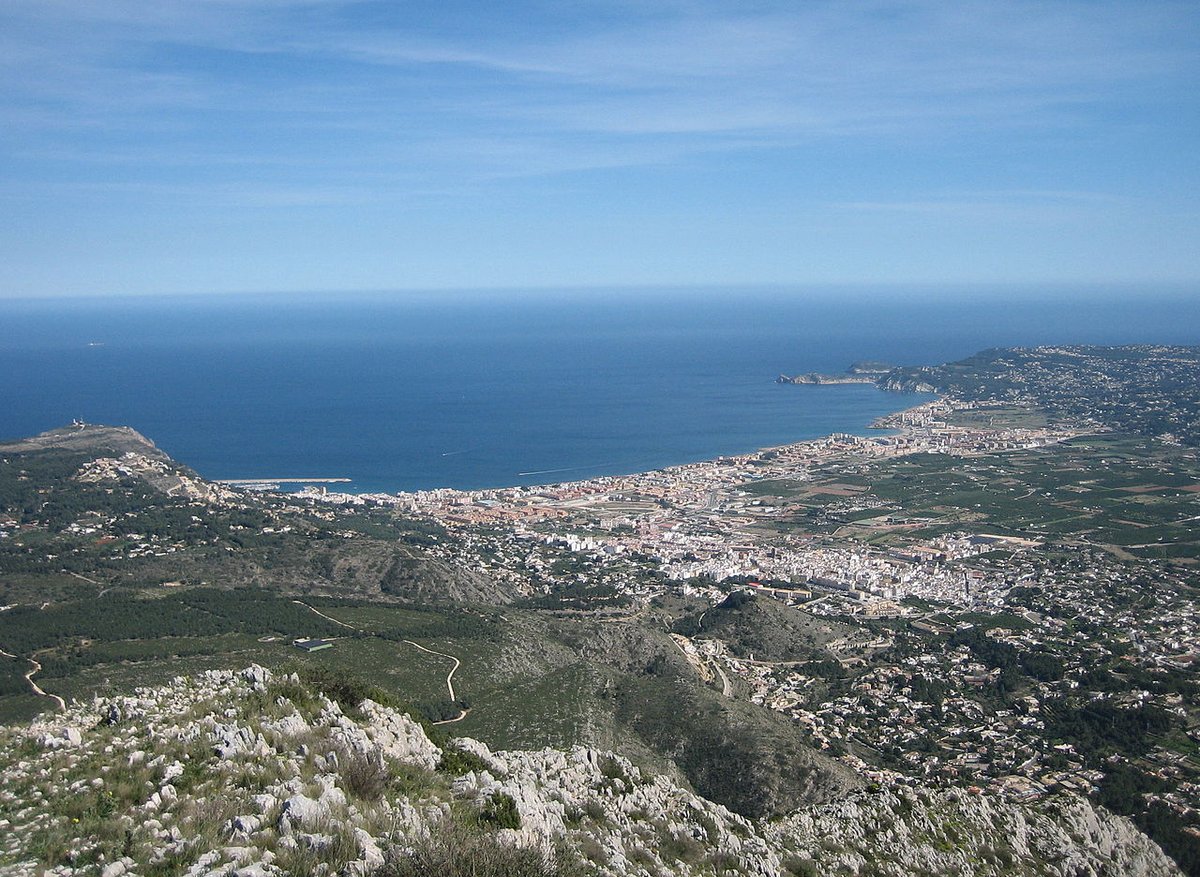
Jávea sprawls rather than sits, spreading itself across three distinct zones like a city that couldn't quite decide what it wanted to be. The old town, proper name El Pueblo, sits four kilometres inland—a proper Spanish working town where grandmothers still sweep their doorsteps at dawn and the butcher knows exactly how you like your jamón sliced. Down at sea level, the fishing port maintains its daily rhythm of boats heading out at 4 am, returning by midday with catches that'll appear on restaurant tables by evening. Between them lies Arenal, the beach zone that most British visitors mistake for the real Jávea.
The Three Faces of a Town
The division isn't just geographical—it's temporal. El Pueblo runs on Spanish time, shuttering for siesta between 2 pm and 5 pm, its narrow medieval streets offering shade from summer heat that regularly tops 35°C. The port operates on maritime schedules, dictated by tide and catch rather than tourist convenience. Arenal, meanwhile, operates on northern European time: breakfast from 8 am, dinner service starting at 6 pm, supermarkets open all day. It's here that you'll hear more English than Spanish during peak season, though the proportion shifts dramatically in winter when the resident British population swells to nearly a third of the town's numbers.
This seasonal transformation defines modern Jávea. From October to April, it's a sedate coastal retirement community where £800 monthly rents a two-bedroom flat with sea views, and Tuesday night pub quizzes draw serious competition. Come July and August, the population explodes from 28,000 to over 100,000. Parking becomes a blood sport, restaurant reservations essential, and the free blue bus service—ordinarily a leisurely circle route—transforms into standing-room-only transport for sunburnt families clutching beach toys and bags of shopping from the Chinese bazaar.
Between Mountain and Sea
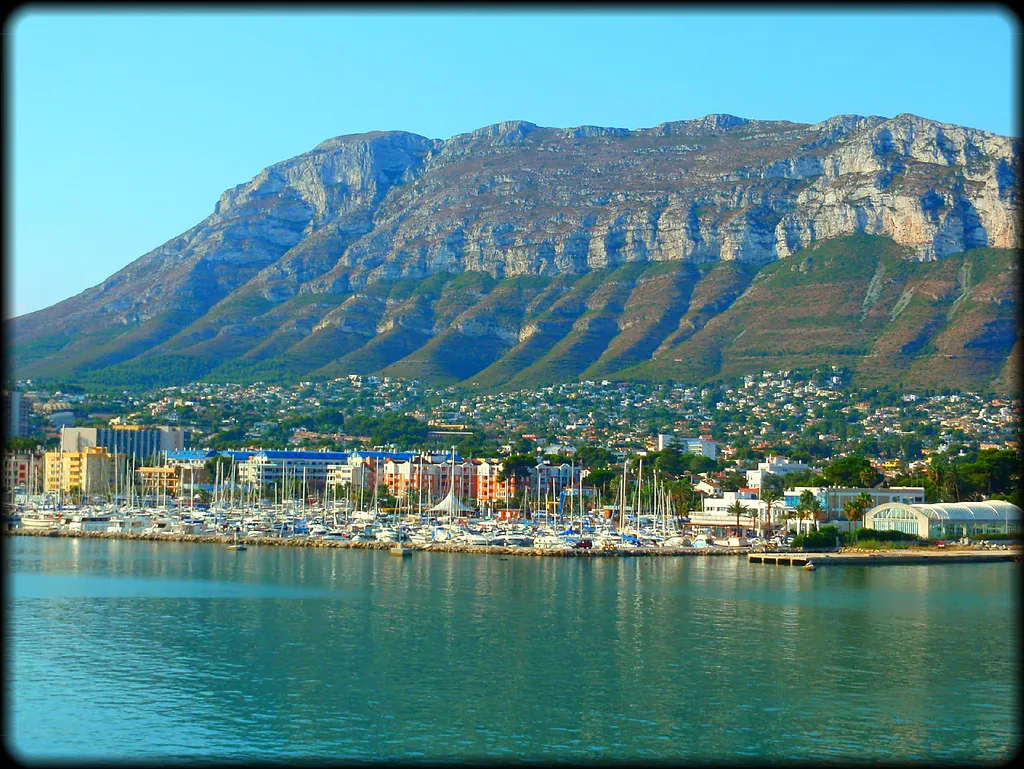
Montgó, the 753-metre mountain that shelters Jávea from northern winds, creates its own microclimate. Winter mornings can be T-shirt warm while the neighbouring town of Dénia shivers under grey skies. This meteorological quirk hasn't escaped notice: British estate agents market properties here as "Costa Blanca's sun trap," and weather apps regularly show Jávea several degrees warmer than coastal towns just 20 minutes north.
The mountain also provides Jávea's best walking territory, though "walking" undersells the reality. The ascent from Portal de la Font car park gains 650 metres in under 5 kilometres—steeper than anything in the Lake District and distinctly lacking in friendly pubs en route. The limestone paths shred walking shoes, and summer attempts without 3 litres of water per person have ended with mountain rescue call-outs. The reward, on clear days, extends to Ibiza's outline 90 kilometres southeast, though haze often reduces visibility to the immediate coastline.
Coastal walking presents its own challenges. The GR-92 long-distance path threads between secret coves and vertiginous cliffs, but sections require scrambling rather than strolling. Cala Ambolo, frequently Instagrammed for its perfect crescent of sand, currently sits behind safety barriers after rockfalls made access too dangerous for public liability. Cala Granadella, reachable by car followed by a steep descent, offers better swimming but limited shade—arrive after 11 am in summer and you'll fry like the daily catch.
What Lies Beneath
The sea here runs deeper than the casual swimmer might suspect. The Marine Reserve of Cabo de San Antonio, stretching from Jávea's headland towards Dénia, protects some of the Mediterranean's last healthy posidonia meadows—the seagrass that keeps the water crystalline and provides nursery grounds for fish. Snorkellers regularly encounter barracuda, octopus, and the occasional moray eel in water that stays refreshingly cool even in August. British divers particularly rate the underwater caves around Portixol island, though local knowledge is essential: currents can change quickly, and boat traffic approaches faster than you'd expect.
Back on land, the town's museums punch above their weight. The Soler Blasco Archaeological Museum occupies a 17th-century palace in El Pueblo, its collection spanning Iberian bronze weapons, Roman coins, and implements from Jávea's agricultural past when raisins constituted serious export business. Entry costs €2, and you'll likely share the cool stone galleries with Spanish pensioners rather than tour groups—a refreshing change from the coast's commercial attractions.
The British Connection
Jávea's British community runs deep, dating back to the 1960s when property prices ran to hundreds rather than hundreds of thousands of pounds. Today's expats divide between the year-round residents—often retired teachers, police officers, and small business owners who've learned fluent Spanish—and seasonal visitors who treat the town as their personal winter sun retreat. The former group integrates thoroughly: joining local hiking clubs, supporting the volunteer fire service, shopping at the Friday market where €3 buys enough vegetables for a week. The latter cluster around Arenal's British bars, discussing house prices and Brexit implications over full English breakfasts that cost €8.50.
This British presence has practical benefits. Pharmacists usually speak English, the private hospital employs British-trained doctors, and the library stocks UK newspapers. Less positively, it's driven property prices beyond local affordability. A modest two-bedroom flat within walking distance of Arenal now commands €250,000—impossible on Spanish wages that average €1,200 monthly. The town council attempts balance by limiting new construction, but the gap between tourist economy and resident reality widens yearly.
When to Visit, When to Stay
Timing transforms Jávea completely. January brings almond blossom painting the agricultural terraces white and pink, with daytime temperatures hovering around 16°C—perfect for cycling the coastal roads that British clubs rave about. May offers ideal hiking weather: warm enough for T-shirts at sea level, cool breezes on mountain paths, wild orchids flowering in Montgó's lower slopes. September sees warm seas without July's crowds, though restaurants start closing from the 15th as Spanish families head home.
November through March reveals the town's authentic character. Fishermen mend nets in the port, old men play dominoes in Plaza de la Constitución, and you can park anywhere. The downside? Many beach bars shut completely, evening entertainment runs to Spanish-language bingo, and rain, when it comes, falls in dramatic bursts that flood roads and test British driving skills on unfamiliar tyre tread depths.
Summer visitors should book accommodation early—British demand for July-August rentals means properties disappear by February. Winter lets offer better value: three-month winter rentals run €900-1,500 monthly for decent apartments, including bills. Bring a car if staying longer than a week; while the blue bus service improves yearly, Spanish public transport still assumes you own a vehicle.
Jávea rewards those who look beyond the obvious. Yes, Arenal's promenade serves excellent paella (order the arroz a banda, proper fisherman's rice, not the lurid yellow tourist version). But walk ten minutes inland to Calle de la Constitución and you'll find Bar Ventura, where €2.50 buys a bocadillo of salt cod that locals queue for. The town offers neither unspoilt authenticity nor purpose-built resort convenience—it occupies the messy, fascinating middle ground where real life continues alongside seasonal tourism. Approach it on its own terms, rather than expecting either virgin Spain or Benidorm-lite, and Jávea delivers something far rarer: a working town that happens to enjoy 300 days of sunshine yearly, where British accents mingle with Valencian dialects over coffee strong enough to make your spoon stand upright.