Full Article
about Murla
Cradle of Valencian pilota; historic inland village of the Marina Alta
Hide article Read full article
Getting There and Getting Around
Murla sits inland in the Marina Alta, tucked into the Pop valley. The usual approach is by car from the AP‑7, leaving at Ondara or Dénia and continuing along secondary roads into the valley. The final stretch has a series of bends, though it is straightforward to drive.
Parking is generally simple. With just over five hundred residents, traffic pressure is low apart from the occasional busy weekend when people from nearby areas arrive. It makes sense to leave the car in the lower part of the village and continue on foot. The historic centre has narrow streets and noticeable slopes.
Murla does not take long to explore. Many visitors stop briefly before continuing to other villages in the valley.
A Walk Through the Village
At the highest point stands the church of San Miguel Arcángel. It dates from the 18th century and follows the restrained style common in many local village churches. The bell tower is simple, the façade unadorned, and the interior designed with practicality in mind.
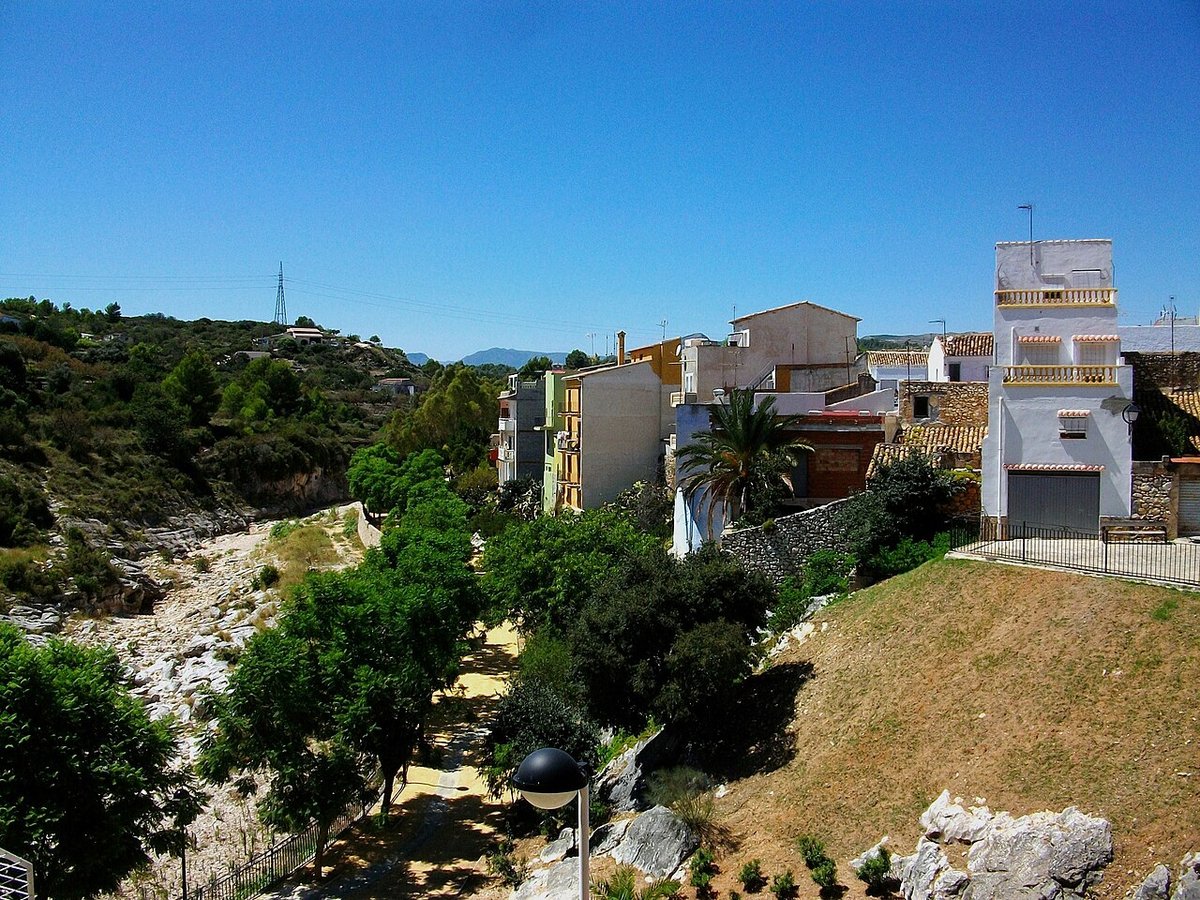
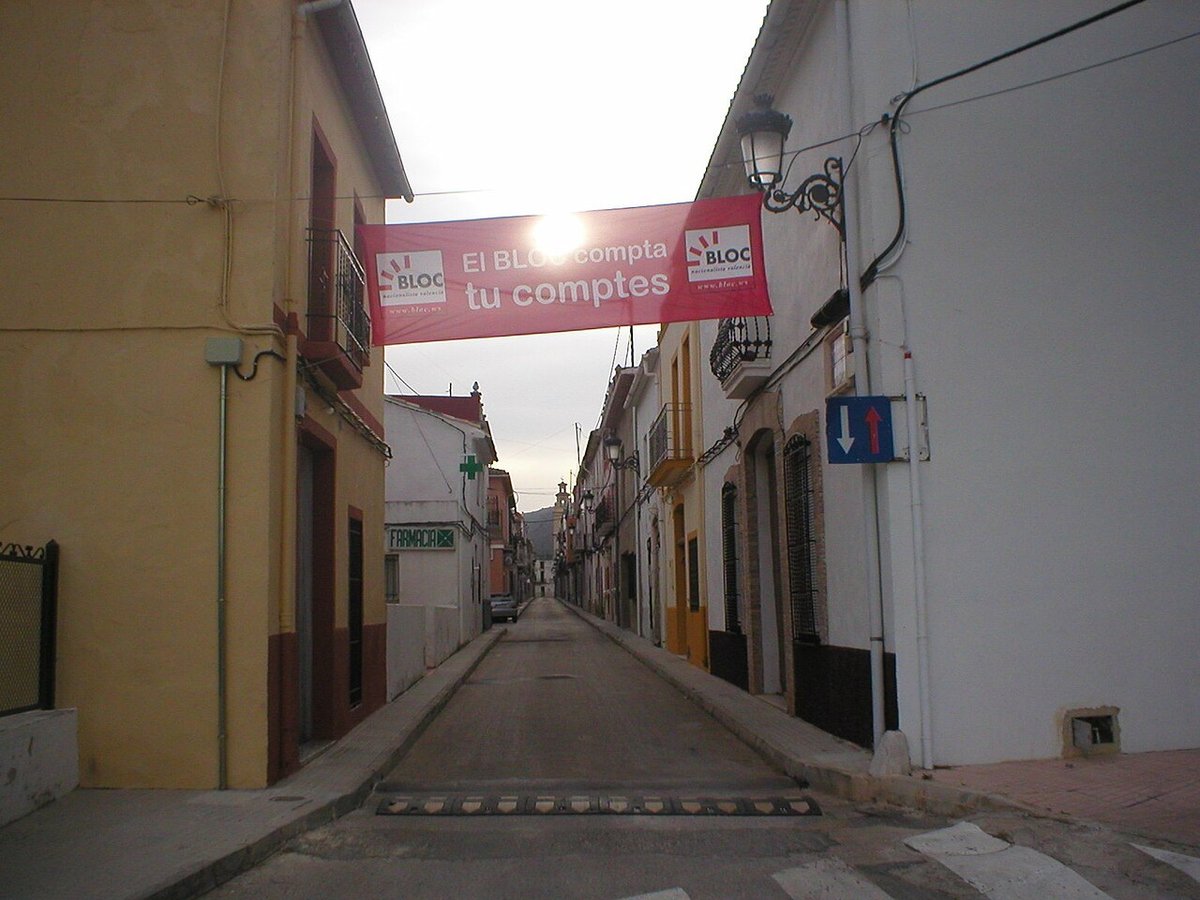
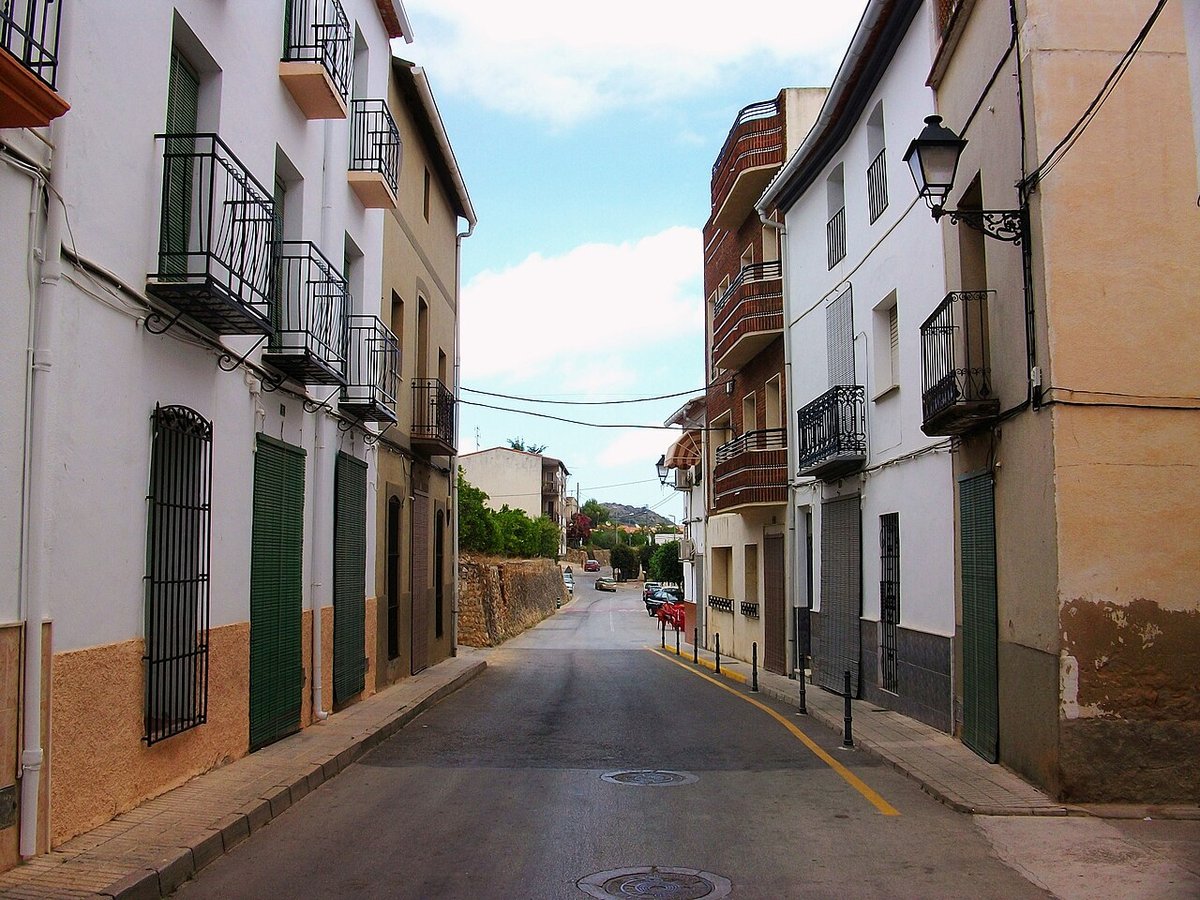
The main street cuts through the old centre, lined with two-storey houses. Whitewashed walls, iron window grilles and wooden doors show layers of paint from different periods. There is no large monumental ensemble here. Murla feels like what it is: an ауыл shaped by agriculture, with gradual changes over time rather than dramatic transformations.
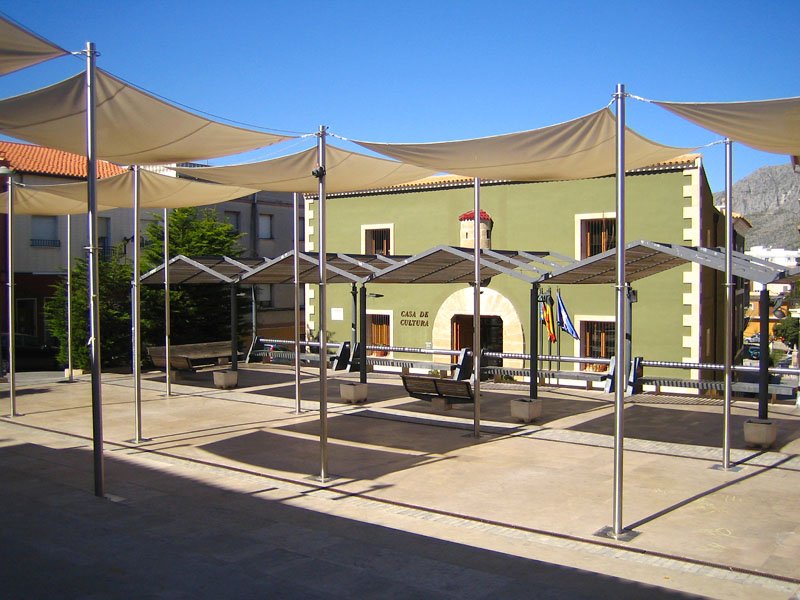
The village square acts as a meeting point. A few benches and some shade make it a place where residents gather in the late afternoon once the heat eases.
Beyond the houses, the landscape opens out into farmland. Almond trees, olive groves and citrus plots fill the valley floor. In late winter, usually February or March, almond blossom turns many of the slopes white for a few weeks.
Paths and Rural Surroundings
Several rural tracks lead out from Murla and connect with other parts of the valley. Some routes climb the surrounding hillsides, while others descend towards fields and neighbouring villages.
Signposting is not consistent across all paths. Anyone planning a longer walk should prepare the route in advance, either on a phone or with a map. After rain, certain stretches can become tricky, with loose stones or muddy patches.
Dry stone terraces are clearly visible while walking. These structures are old yet still used in many plots. They form an essential part of the agricultural landscape in this area of the Marina Alta, shaping both the terrain and how it is worked.
Local Festivities
The main celebrations usually take place around San Miguel, towards the end of September. Religious events combine with activities organised by residents over several days.
January often brings celebrations for San Antonio Abad, including the blessing of animals. This tradition is common in agricultural villages across the Comunidad Valenciana and reflects the close link between daily life and the land.
Easter week in Murla remains modest in scale. Short processions move through the streets of the village, with participation largely from local residents.
Practical Notes and When to Go
The journey from Alicante takes a little over an hour in good traffic conditions. From Valencia, the drive approaches two hours. The final part of the route is always along regional roads.
Accommodation within Murla itself is limited. Many visitors stay elsewhere in the Marina Alta and come here for a short visit during the day. The village is easy to explore on foot, though comfortable footwear helps with the slopes.
Late winter and spring tend to bring more activity to the valley, particularly during the almond blossom. Autumn is also a calm period, with mild temperatures.
Summer days can be hot. Early morning or late afternoon suits a walk better at that time of year. Murla does not require a long stay: a stroll through the old streets, a look out over the valley from above, and then on to the next stop in the Marina Alta.