Full Article
about Ondara
Transport and trade hub; it has a historic bullring and architectural heritage.
Hide article Read full article
A Thursday Morning That Sets the Pace
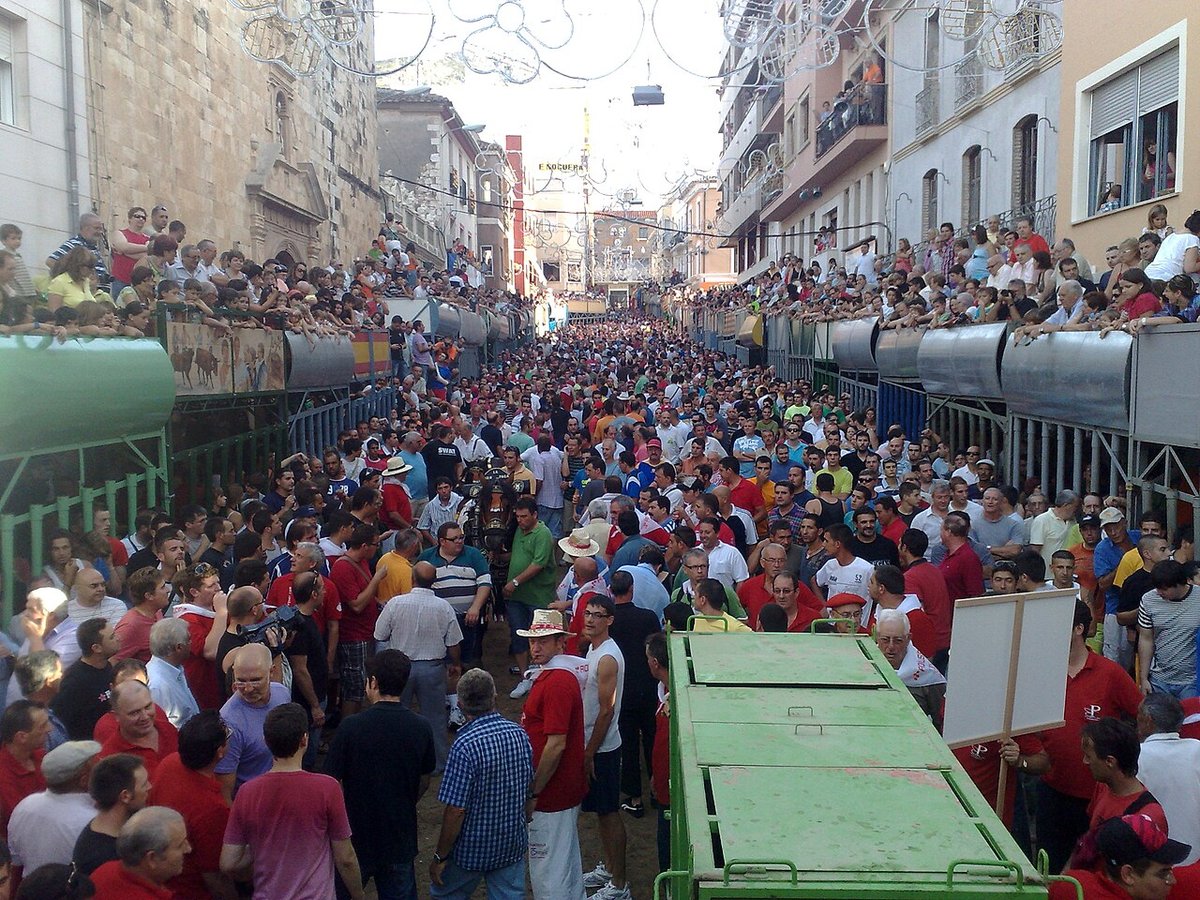
Dew still clings to the oranges when the market begins to take shape. Around half past six on an ordinary Thursday, the Plaza Mayor fills with metallic noise: frames slotting together, awnings pulled into place, vans rattling as boxes are unloaded. In Ondara, the weekly market is not staged for visitors. It marks the rhythm of the town, what remains when the summer crowds have gone and the nearby shopping centre has switched off for the night.
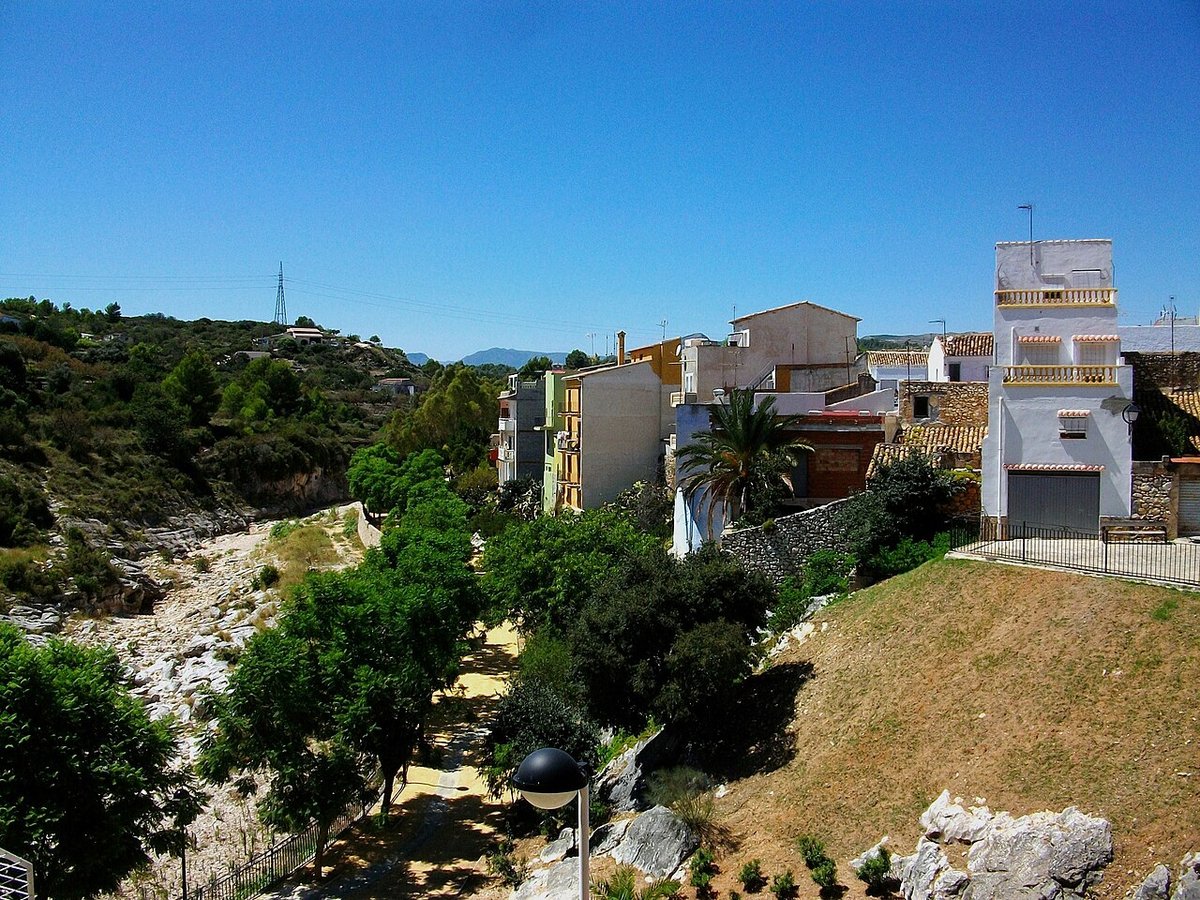
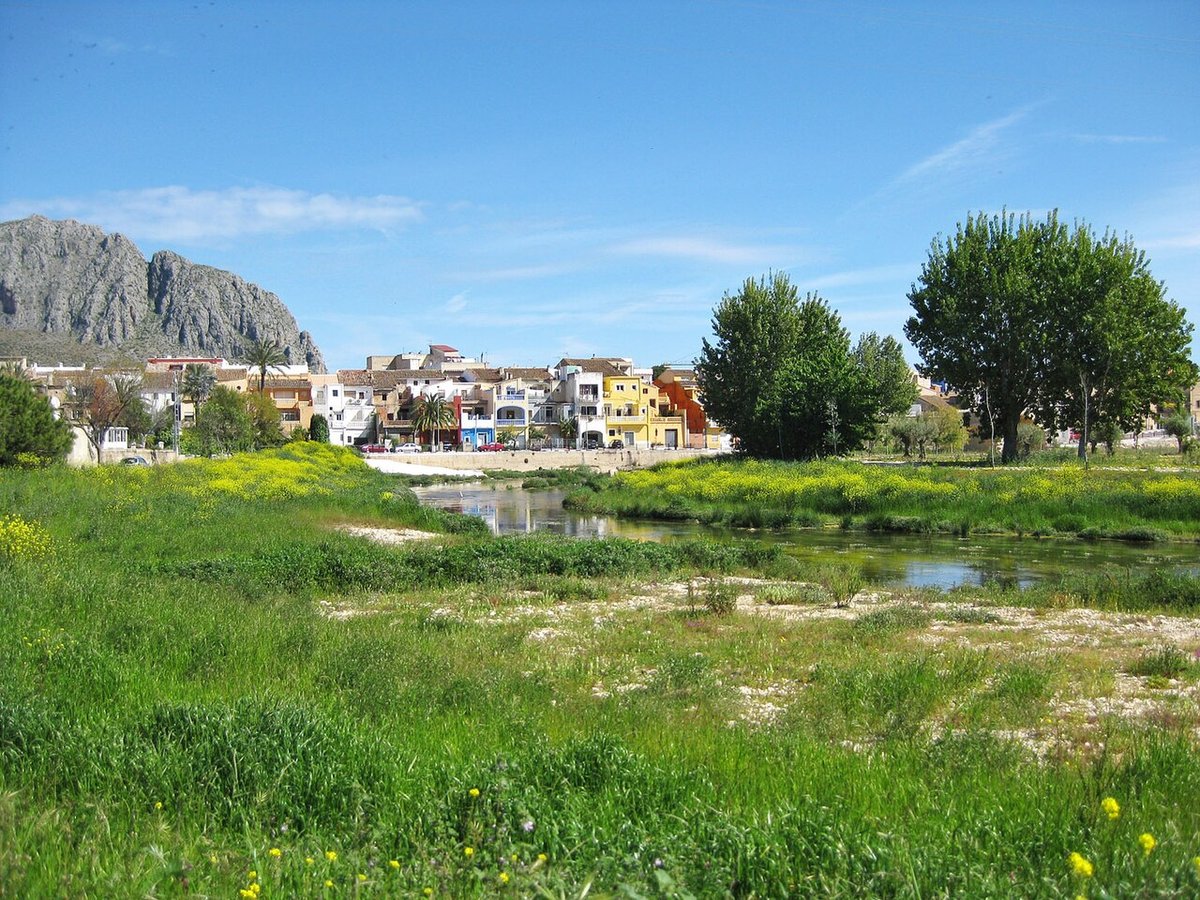
From the road coming down from Dénia, Ondara can feel like a place you pass through. Traffic lights slow you just as the orange groves begin, stretching out towards the Girona river. Turn off the N‑332 and head into the centre, and the atmosphere shifts. The air carries orange blossom mixed with something drier, almost mineral, rising from the river when the water runs low.
The town wakes gradually. Metal shutters roll up along calle Major with a clatter that echoes through streets still only half awake. On a terrace where the daily paper is passed from hand to hand, retired locals talk about drought while dipping churros into coffee. No one seems in a rush, and that sets the tone early on. Time here follows harvests and the shade of the day more than the pace of the coast.
Traces of What Once Stood Here
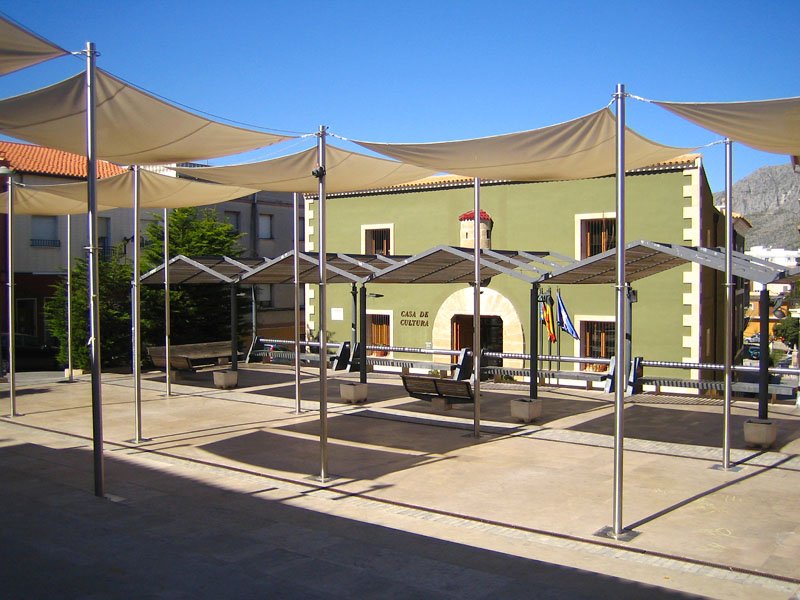
The town hall occupies the former convent of the Purísima Concepción, a 17th‑century building that still holds its cloister. The stone slabs underfoot are worn smooth at the centre, shaped by centuries of passing steps.
A plaque on one wall recalls how, in the mid‑13th century, Ondara’s tower came under the control of the Order of Mercy after the Christian conquest. The tower is gone now. So is the Gothic castle that, according to local accounts, once rose above the plain with several towers. What remains are the names: calle del Castillo, plaza de la Torre. From the rooftop of the market, looking south, there is a sense that something significant once stood where parked cars now fill the space.
The church of San Pedro rises above the low houses with a certain authority. Its Renaissance doorway has that balanced Valencian proportion that lets the light fall cleanly across the entrance. Inside, the smell is a mix of wax, aged wood and recently dusted artificial flowers. There are no guided tours or audio devices explaining the details. Just a sign asking for silence, and sometimes a local resident stepping in to light candles, repeating a gesture carried out over many years.
Midday: The Sound of Work
By midday, the sound of Ondara changes. Activity picks up around the warehouses on the edge of town: lorries coming and going, engines idling near the roundabout by the petrol station, metal doors slamming shut. It is the sound of a region still closely tied to the orange trade.
On the dirt tracks that circle the town, workers load crates with a practised efficiency that looks inherited rather than taught. Some details have shifted with time, such as nitrile gloves and mobile phones ringing in pockets, but the core of the work remains familiar.
Walk along the camí de la Mar between March and April, when the orange trees are in bloom, and the air grows dense with scent. At times it feels almost too rich. It also explains why this land has been farmed for centuries: flat ground, water close by, and a climate that in most years still allows clementines, oranges and vegetables to grow without much intervention.
Late Afternoon Belongs to the Town
Between six and eight in the evening, Ondara settles into a different mood. The sun drops behind the Montgó and a soft golden light briefly washes over the façades.
Teenagers drift out from the secondary school and gather in the park of la Sort. There is a municipal climbing wall that is rarely in use and a kiosk that has been closed for some time. Grandmothers walk their dogs while still wearing house coats. At a corner bar, the waiter serves beers with little need for conversation; many of the faces are familiar.
In one of the long-standing butcher’s shops, traditional embutido is still prepared. It is wrapped in brown paper, and while the piece is weighed, the expected question often comes up: whether you are from here or from “outside”. “Outside” can mean Xàbia, València or Madrid. In towns like this, distance is measured differently.
Getting There and Timing It Right
The most straightforward way to reach Ondara is by car. There is a bus from València, but it takes time and does not run especially often. Getting around the surrounding area without your own vehicle can be difficult.
If visiting in August, Thursday morning is best avoided. The market takes over much of the centre, and the nearby roundabout fills with cars circling in search of a space. Spring weekends tend to be calmer, with fewer problems finding somewhere to park.
Ondara does not try to reshape itself for visitors. What stands out is its continuity: market stalls assembled before sunrise, fields worked as they have been for generations, and evenings that return quietly to familiar routines.