Full Article
about Pego
Municipality with a major coastal marshland nature park; history tied to rice.
Hide article Read full article
The Wednesday Town
Pego is the kind of place that makes sense on a Wednesday. That’s when the market takes over the old town, turning streets into aisles of produce and chatter. You see people with wheeled shopping bags, farmers from the valley, and the general hum of a weekly ritual that hasn’t changed its purpose in centuries. It’s not a show for visitors; it’s just how the week turns here. Come any other day, and you might miss the point entirely.
Rice is the Main Character
Forget paella as you know it. In Pego, the star is arroz con costra, a baked rice dish sealed under a layer of egg that comes out like a savoury custard lid. It’s serious business. They even have a whole festival for it, the Día de la Crosta, which happens on the Tuesday after Carnival. Think long tables in the street, everyone in fancy dress, eating rice under the spring sun. It tells you something about a place when a dish gets its own public holiday.
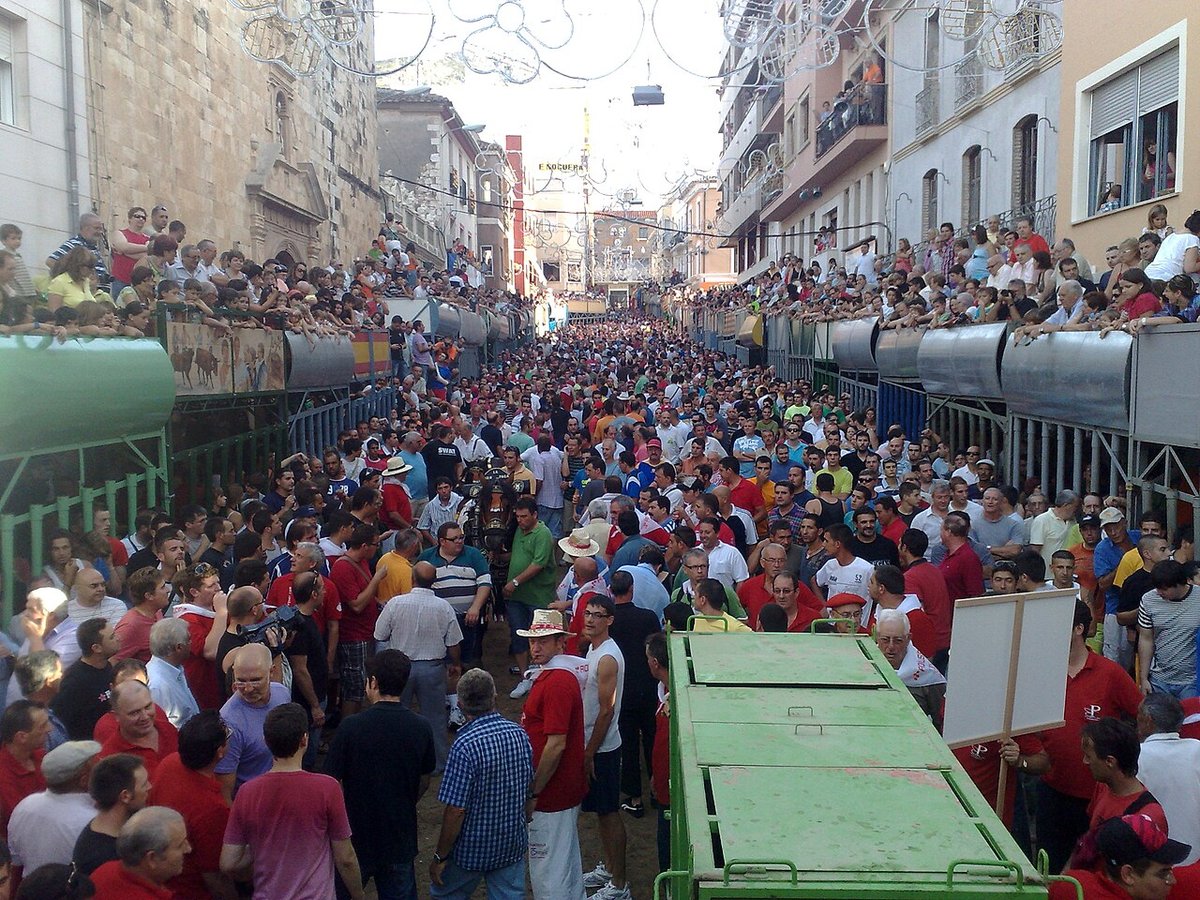
Carnival itself doesn’t really end here, it just fades into other things. And then Fallas arrives. For a town of this size, the number of fallas monuments they build is borderline obsessive. The air smells of gunpowder for days, kids throw firecrackers before breakfast, and each neighbourhood’s casal becomes a social hub. It’s loud, chaotic, and completely normal for everyone involved.
Your Neighbour in a Helmet
If Fallas feels informal, Moros y Cristianos is its disciplined opposite. At the end of June, half the town transforms into medieval troops. You’ll see your barista from that morning suddenly marching past in an embroidered tunic and a helmet, playing in a brass band with military precision. The main parade, the Entrada, is where months of sewing and rehearsing pay off. You don’t need to know the historical plot; just find a spot on the pavement and watch the spectacle roll by. The seriousness is part of the fun.
A Castle for Your Legs
Thinking of hiking up to Castillo de Ambra? Adjust your expectations now. You won’t find a pristine fortress. What’s left are fragments of walls and foundations scattered on the hill—more an idea of a castle than the real thing.
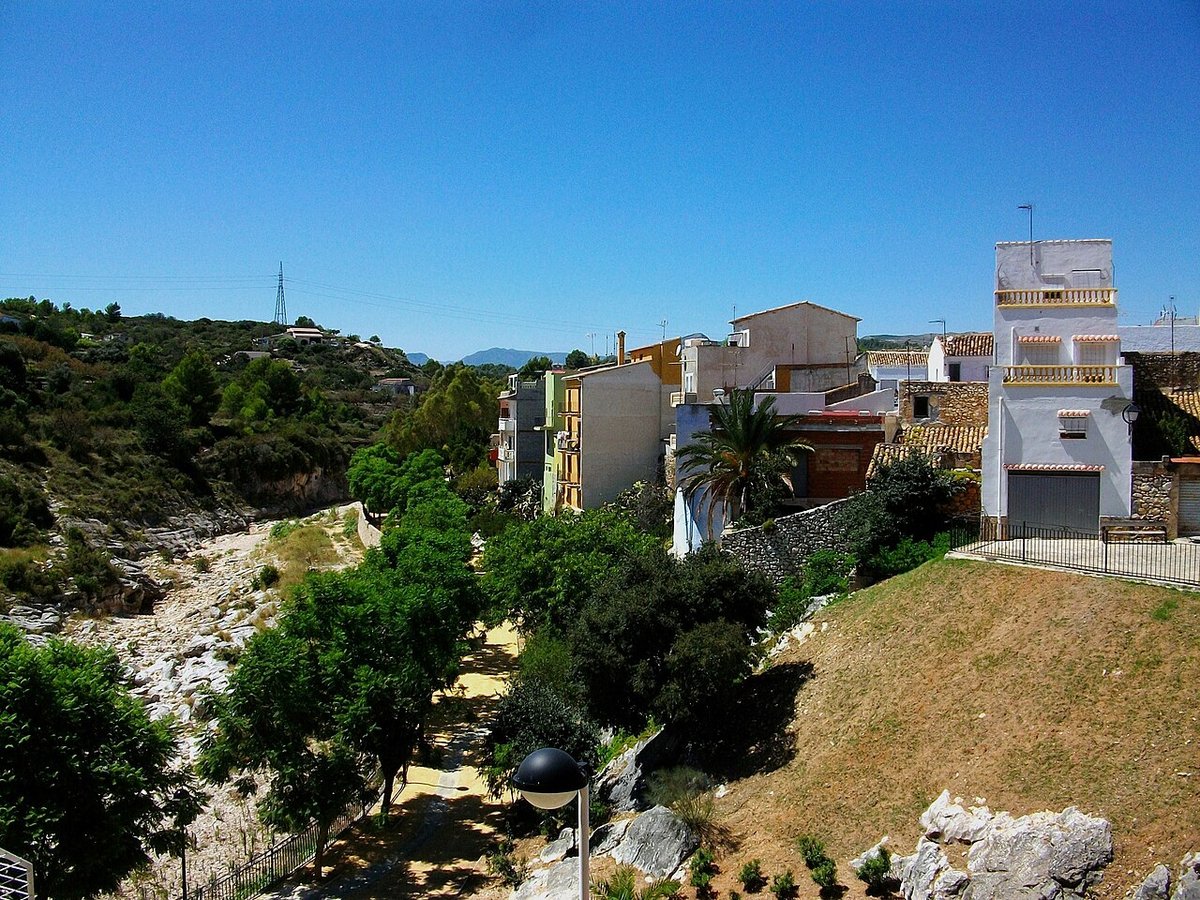
So why go? For the view that explains everything. From up there, you see Pego laid out in its valley, sandwiched between the dark ridges of the mountains and the flat green spread of the marshland. The climb isn't long but it's steep enough to make you feel it on a hot day. My advice: go early, bring water, and enjoy it as a landscape lesson rather than a history tour.
Down in the valley floor are other remnants—Iberian, Roman, Andalusí sites marked by simple signs. It's low-key archaeology for slow walkers.
The Breathing Space Next Door
The Marjal de Pego-Oliva is Pego’s other half. This isn't a park; it's a working wetland threaded with canals and rice fields, all framed by those same mountains. There are no ticket booths or gift shops here.
You walk or cycle along dirt tracks between flooded fields that change colour with the season: electric green in spring, gold in late summer. Herons stalk the channels overhead at dusk when sky turns orange behind Montgó mountain.
This marjal is why Pego exists at all.It's where their famous rice grows.It connects plate to landscape in one straight line.
How to Do It Like a Local
Start on Wednesday morning.Lose yourself in market for an hour then find somewhere busy for lunch order arroz con costra where locals are eating it too.If energy remains head into marjal late afternoon rent bike if you can light fades beautifully there.
Pego won't dazzle you with monuments.It works slower than that giving you market day festival season wetland silence all part same rhythm.It feels grounded because it is literally surrounded by what feeds it