Full Article
about Sanet y Negrals
Small municipality in the Rectoría; union of two hamlets overlooking the valley
Hide article Read full article
A small village shaped by the land
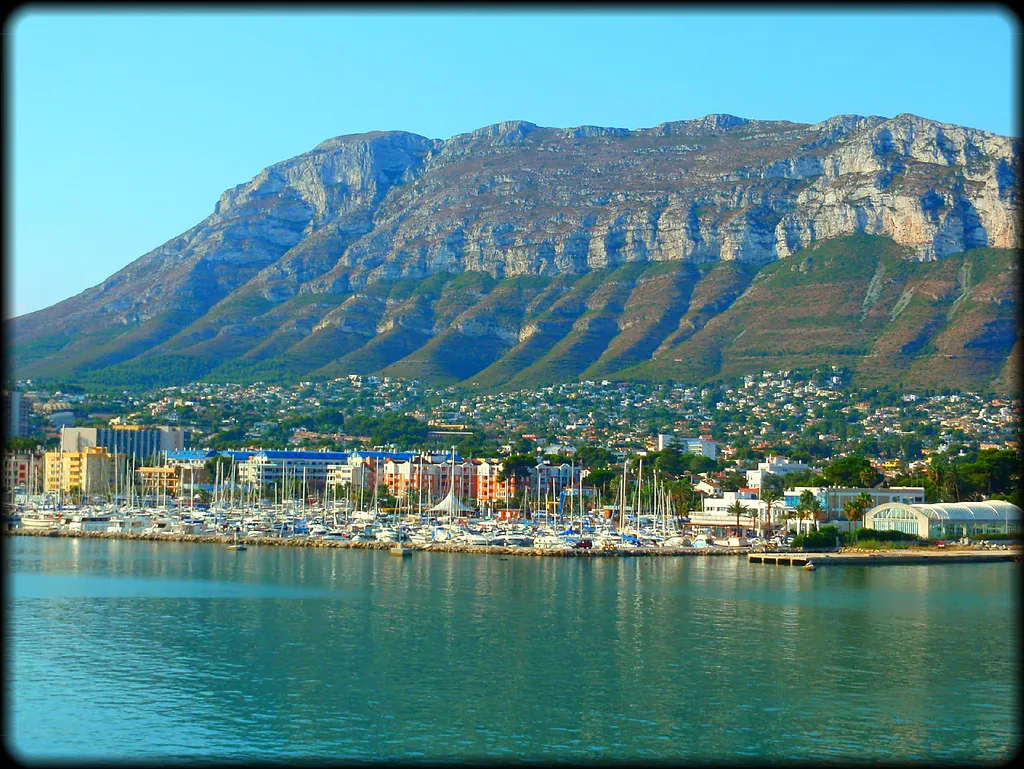
Some places reveal themselves quickly. You park, take a short walk and within minutes you understand the rhythm. Tourism in Sanet y Negrals works like that. Not because there is nothing to see, but because everything is out in the open: market gardens, quiet streets and a pace of life very different from the coastline just a few kilometres away.
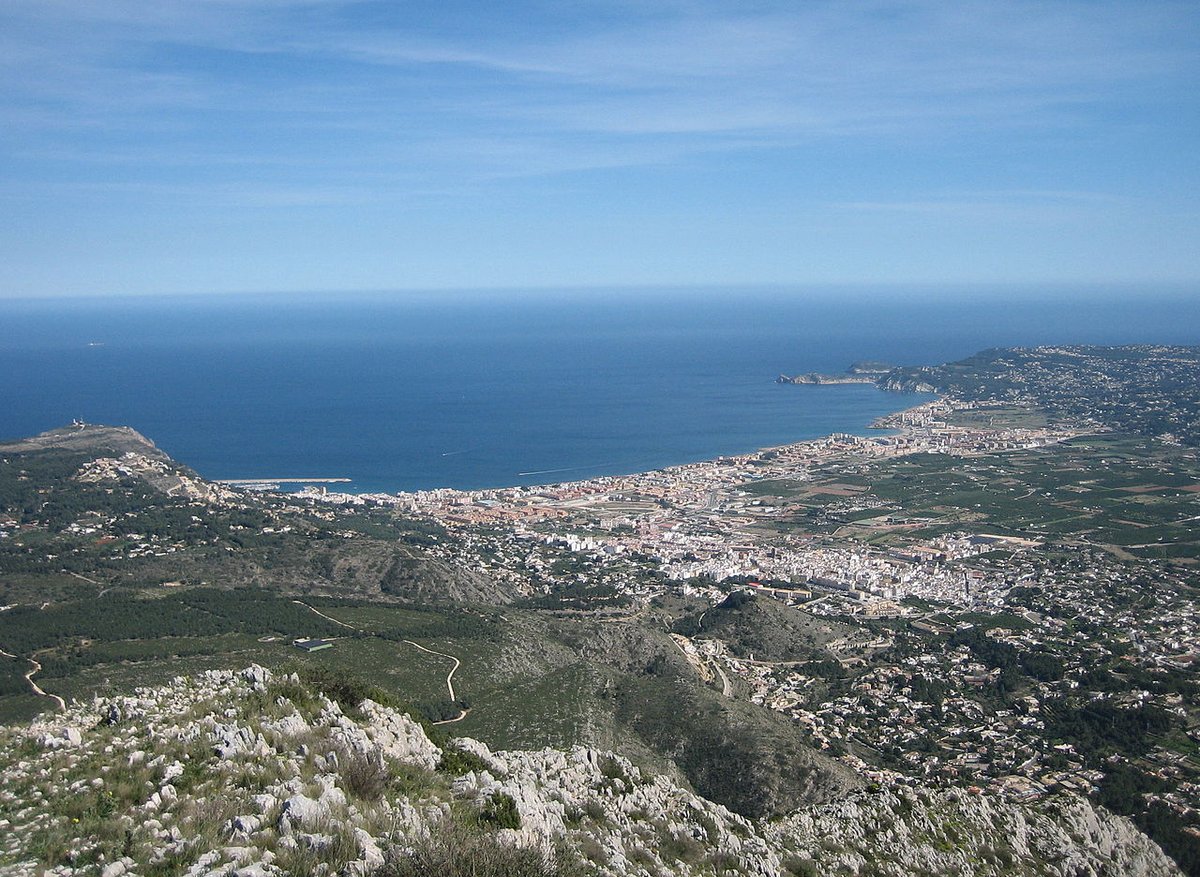
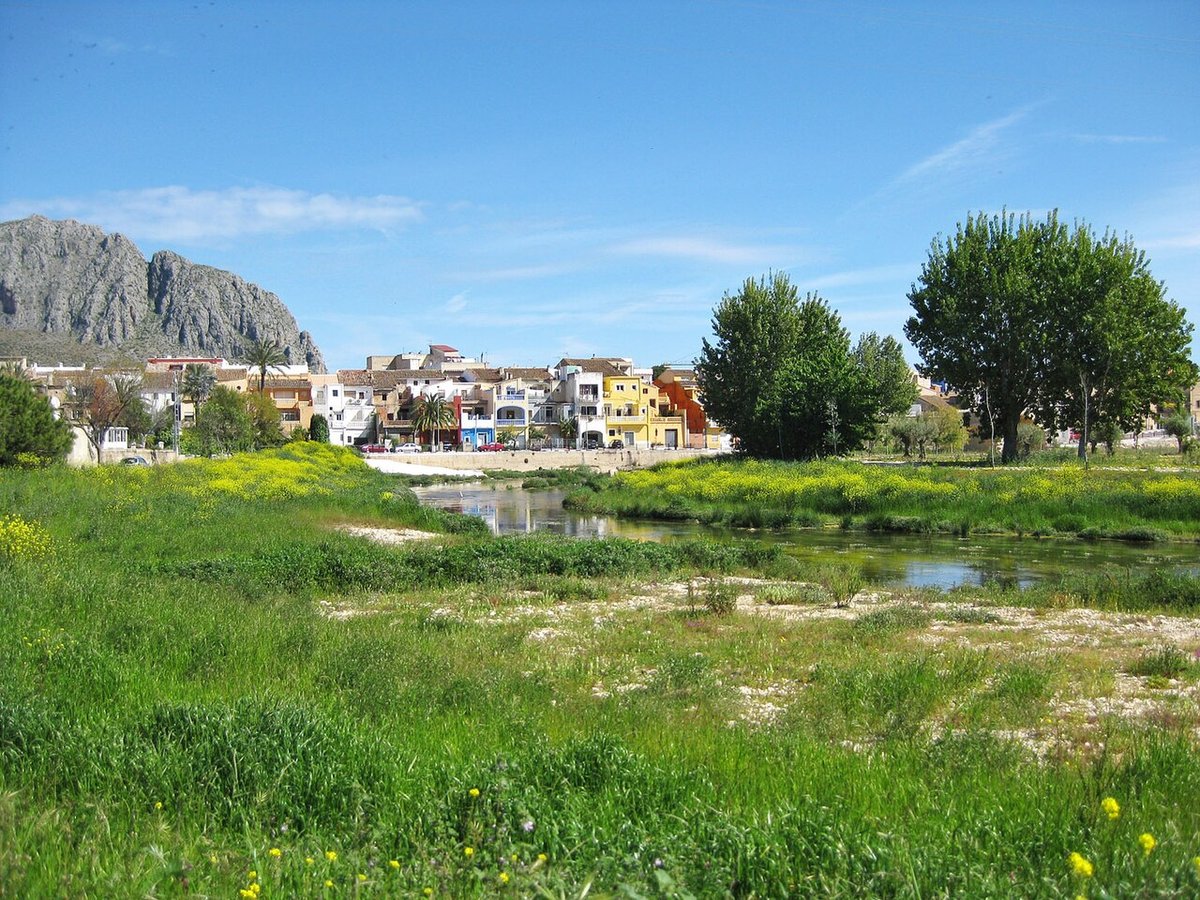
Sanet y Negrals is small, with just over seven hundred residents. It lies in the Marina Alta, in an open valley shaped over time by the Girona river. The river has defined the terrain and, in many ways, the way people live. Here the landscape is not decorative. It is work. Citrus groves, almond trees, the occasional olive tree and paths that run between terraced plots form part of everyday life.
The village is made up of two adjoining settlements, Sanet on one side and Negrals on the other, which over time have come to function as a single place. Agriculture sits at the centre of everything, and that becomes clear even while walking through the built-up area.
Two quiet centres among orchards
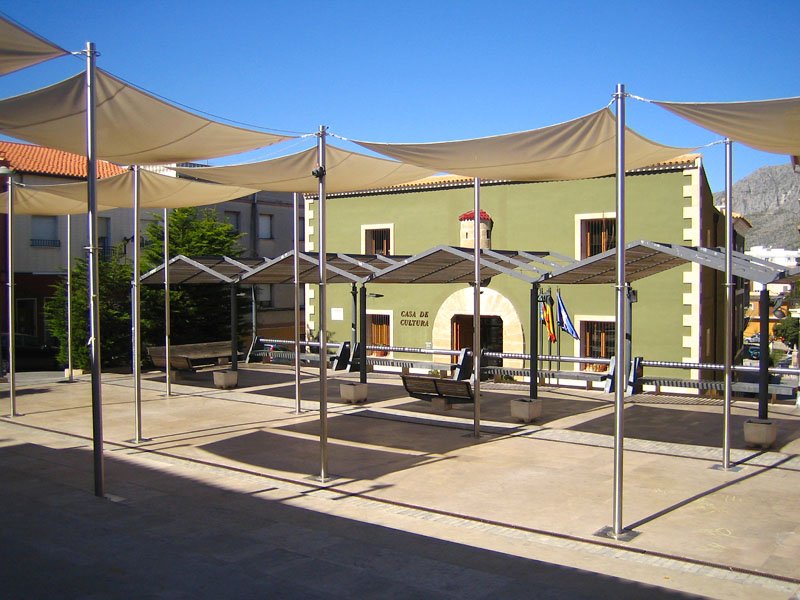
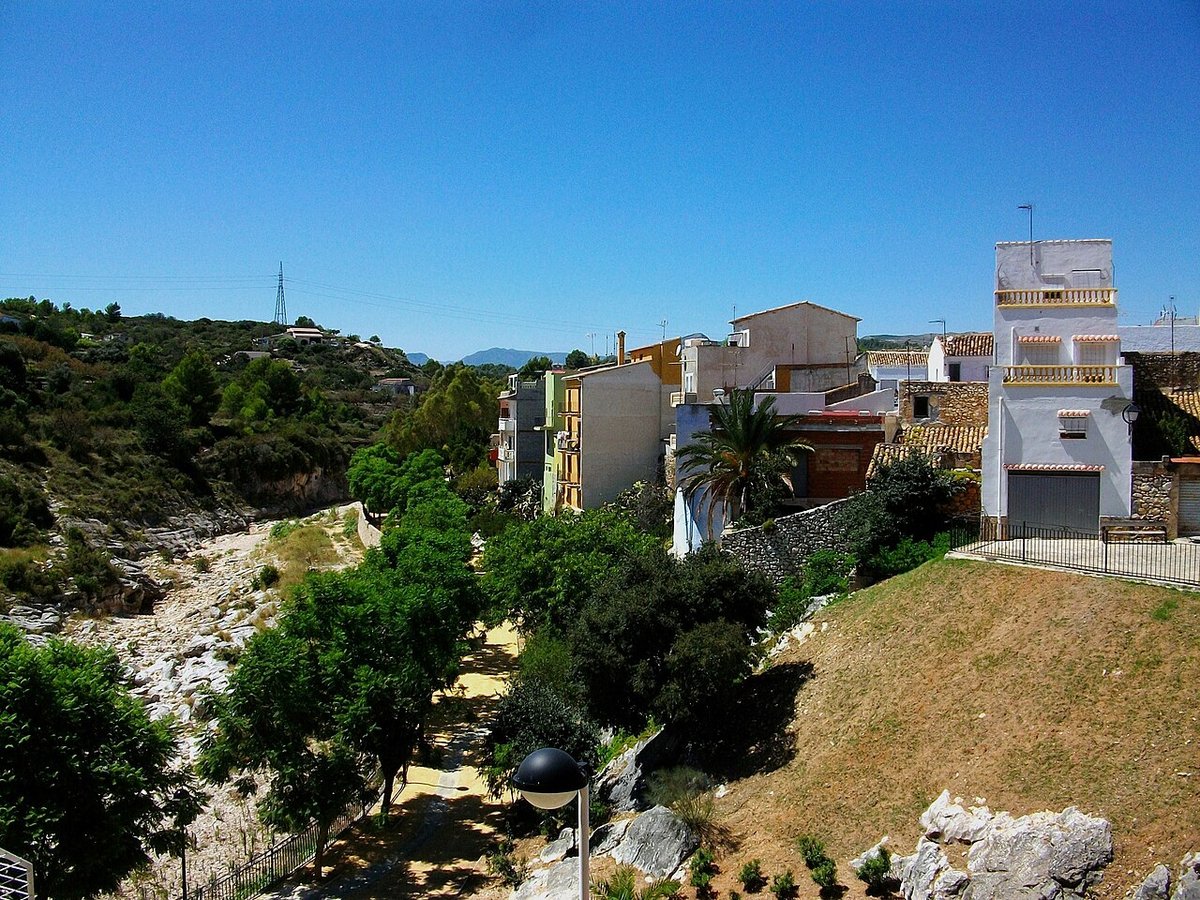
Walking around Sanet y Negrals, there is a sense that the village grew gradually, as and when it was needed. Short streets, white or pale façades and wooden doorways that have seen many summers give it a simple, lived-in feel.
There are no grand squares or buildings designed to impress. Quite the opposite. It is the sort of place where you hear a shutter being raised in the morning or someone watering plants outside their front door.
Between one street and the next, open views appear towards the valley. Terraced fields step down the slopes, irrigation channels cut through the land and dirt tracks lead out of the village almost without notice. The boundary between village and countryside is thin. Within a few minutes on foot, houses give way to cultivated land.
The overall impression is of a settlement that fits its surroundings rather than dominating them. The orchards and fields are not pushed to the edges. They press right up against daily life.
Iglesia de San Pedro Apóstol and the village heart
The parish church of San Pedro Apóstol stands more or less in the centre of Sanet. It is the building that helps you get your bearings when wandering through the streets. Its origins appear to go back several centuries, although it has undergone changes over time, which is common in villages across this part of the Comunidad Valenciana.
Inside, different periods sit side by side. There are wooden beams, later alterations and Baroque details added at a subsequent stage. It is not a monumental church, but it feels in proportion with the size of the village.
Around it, such daytime activity as there is tends to gather. Neighbours pass by, a car comes and goes, brief conversations unfold in the street. Life moves without rush. The church acts less as a grand landmark and more as a quiet point of reference, a place that reflects the scale of the community.
Paths along terraces and irrigation channels
Step outside the urban centre and agricultural tracks begin almost immediately. These are not designed as tourist routes in the conventional sense. They are working paths that local people have always used to reach their fields.
Some follow the course of the Girona river. Others climb gently between dry-stone terraces. Walking here is straightforward. The terrain is kind and the distances are short, making it easy to explore without any special preparation.
What stands out is the organisation of the landscape. Stone walls divide plots of land. Narrow irrigation channels, known locally as acequias, distribute water across the fields. Small farm buildings appear from time to time, functional structures linked to the daily routines of cultivation.
The valley setting is open, which means the surrounding scenery is always present. The agricultural pattern is easy to read: terraces built to make use of the slope, citrus trees planted in orderly rows, patches of almonds and the occasional olive tree breaking the green. It is a working environment rather than a staged one, and that distinction shapes the experience of walking here.
A practical base in the Marina Alta
Another point in favour of Sanet y Negrals is its location. By car, the coast and several better-known towns in the Marina Alta are relatively close. Dénia, for example, is only a short drive away.
That proximity means many people pass through on their way to other destinations, or choose the village as a quiet base from which to explore the wider area. You can head out in the morning, travel around the comarca and return at the end of the day to a place that remains calm.
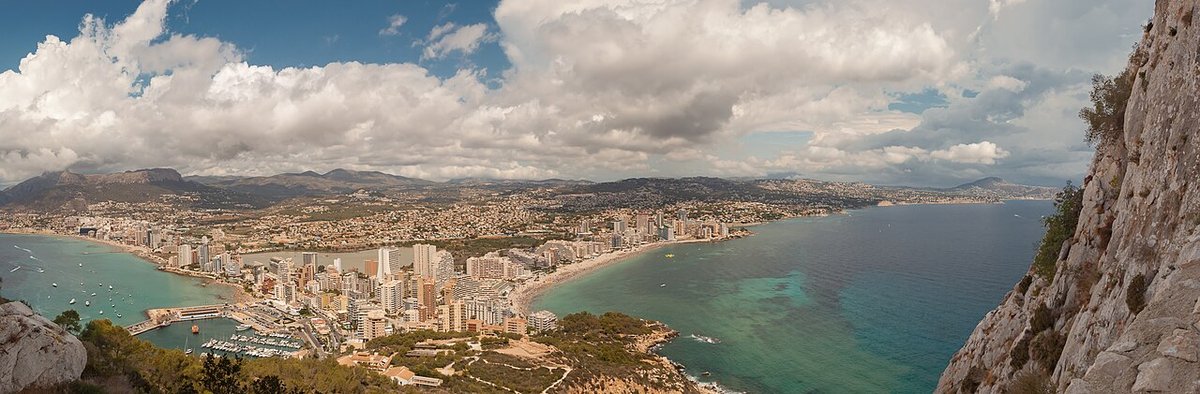
The contrast with the coast is noticeable. A few kilometres make a clear difference in atmosphere. In Sanet y Negrals, the landscape continues to dictate the tempo. Fields and orchards remain the dominant presence, rather than apartment blocks or promenades.
Fiestas and local traditions
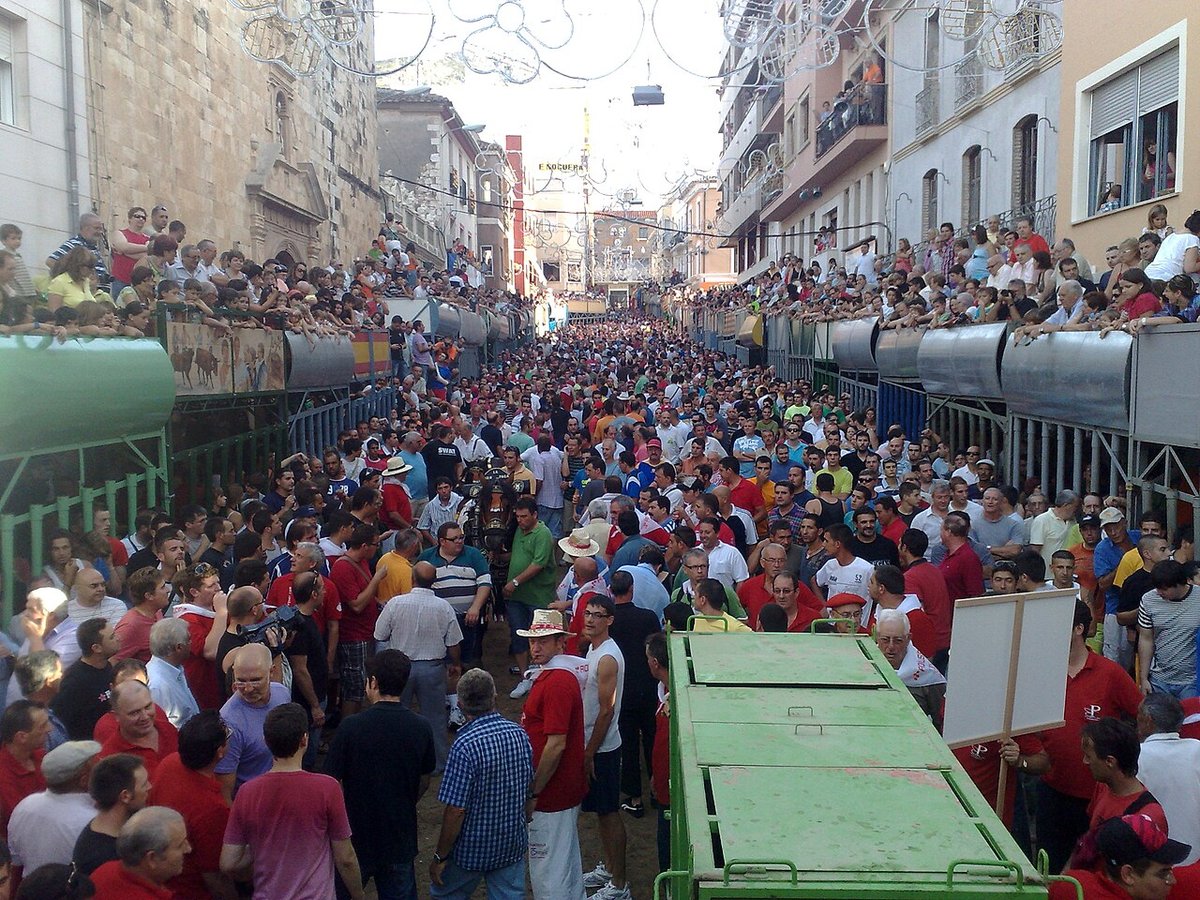
The patron saint festivities dedicated to San Pedro are usually held at the beginning of summer. As in many small villages in the region, they combine religious events with music in the streets and gatherings among neighbours.
The local calendar is often linked to agriculture as well. Small markets, meetings connected to the huerta, which refers to the cultivated market garden land, and activities that revive traditional trades appear from time to time. These events are not designed to draw large crowds. They continue because the village maintains them.
That sense of continuity runs through daily life. The celebrations feel rooted in the community rather than staged for visitors. Anyone arriving during these periods encounters a village marking its own rhythms.
In the end, visiting Sanet y Negrals is about pausing and looking around. A quiet walk, a chance to see how the huerta is organised and an understanding that in this part of the Marina Alta there are still places where the landscape carries more weight than tourism. That alone says quite a lot about what kind of experience awaits.