Full Article
about Teulada
Dual municipality: inland Teulada and coastal Moraira; vineyards and upscale tourism
Ocultar artículo Leer artículo completo
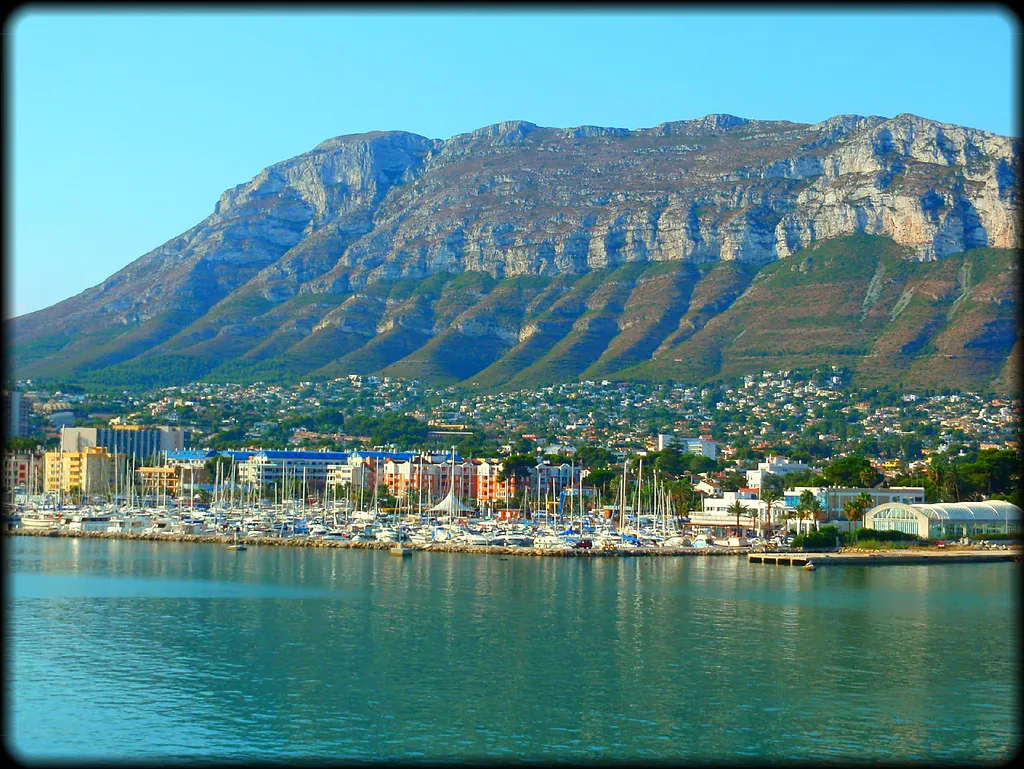
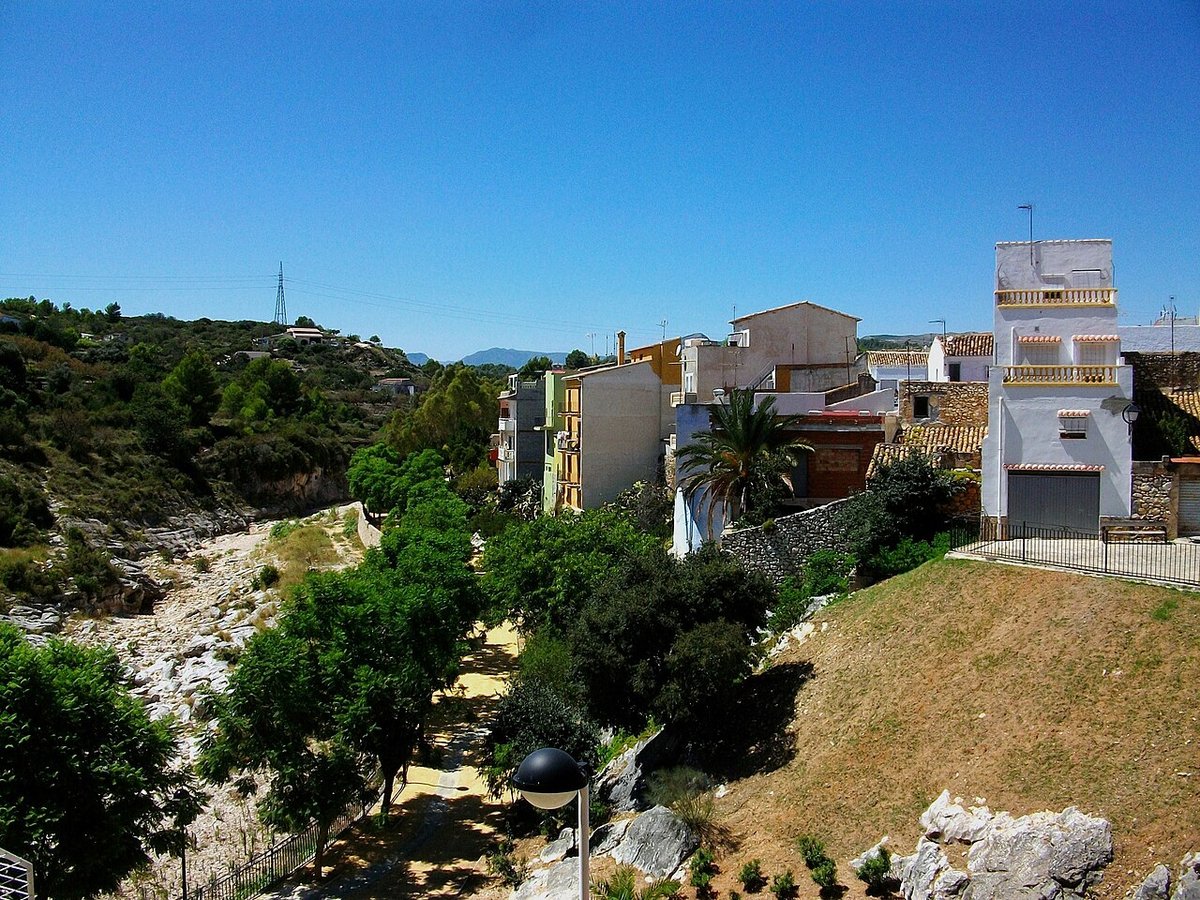
The church bells strike seven as sunlight spills across stone roofs still warm from yesterday's heat. From 185 metres up, you can see two distinct worlds: inland, rows of gnarled Moscatel vines march towards the Sierra; seaward, the land drops sharply to Moraira's crescent of sand, eight kilometres away as the crow flies, twenty minutes by the winding road locals take to work each morning.
Teulada isn't one of those places that pretends time stopped in 1492. The medieval core is intact—narrow lanes, iron balconies, a fortress-church that doubled as refuge from Berber pirates—but the weekly market still sells dish-brushes and pants alongside Valencian tomatoes. Pensioners occupy the same benches their grandparents used, arguing over football while swifts wheel overhead. It feels lived-in rather than curated, which is why many British visitors use it as a retreat from the Costa Blanca high-rise strip rather than a tick-box day trip.
Morning in the Old Town
Start early if you visit between June and September; by eleven the sun has already bounced off the limestone and the shade evaporates. The eighteenth-century Iglesia de Santa Catalina opens at ten; inside, the baroque retablos gleam with fresh giltwork paid for by last year's grape harvest. Drop a euro in the box and the sacristan will switch on the lights so you can examine the sixteenth-century Italian panels most guidebooks miss. When you've had enough ecclesiastical art, cross the small square to the convent stall run by the Clarissan nuns. Their almond turrón is milder than the supermarket blocks down the hill, and they still wrap it in waxed paper rather than plastic.
Coffee follows at Café Paris on Carrer Major. They pull espresso short and serve it with a glass of iced water, Spanish style. If you prefer something milkier, ask for a café con leche and you'll get a cup the size of a soup bowl. The day's first gossip ricochets round the bar: whose olives are ready, whose grandson has failed his driving test again, how much the cooperative is paying per kilo of grapes this year.
Between Vineyard and Sea
Teulada's identity splits at the N-332 bypass. Above the road you smell damp earth and diesel from the tractors; below it you taste salt on the wind. The Bodega Cooperativa San Vicente Ferrer, five minutes' walk south of the centre, bridges both worlds. Built in 1963, its concrete tower looks like something you might find on an industrial estate outside Coventry, but inside are stainless-steel vats full of Moscatel that once earned gold medals in Bordeaux. Tastings are free, casual and poured by whoever is manning the desk. Expect honeyed notes, not oak; this is dessert wine meant for almond biscuits rather than cheese boards.
If you're staying for lunch, the cooperative sells 5-litre plastic jugs for €12, but most Brits opt for the half-bottle gift wrap. Remember to pad it with T-shirts on the flight home; baggage handlers have no reverence for liquid souvenirs.
Climbing the Llorença
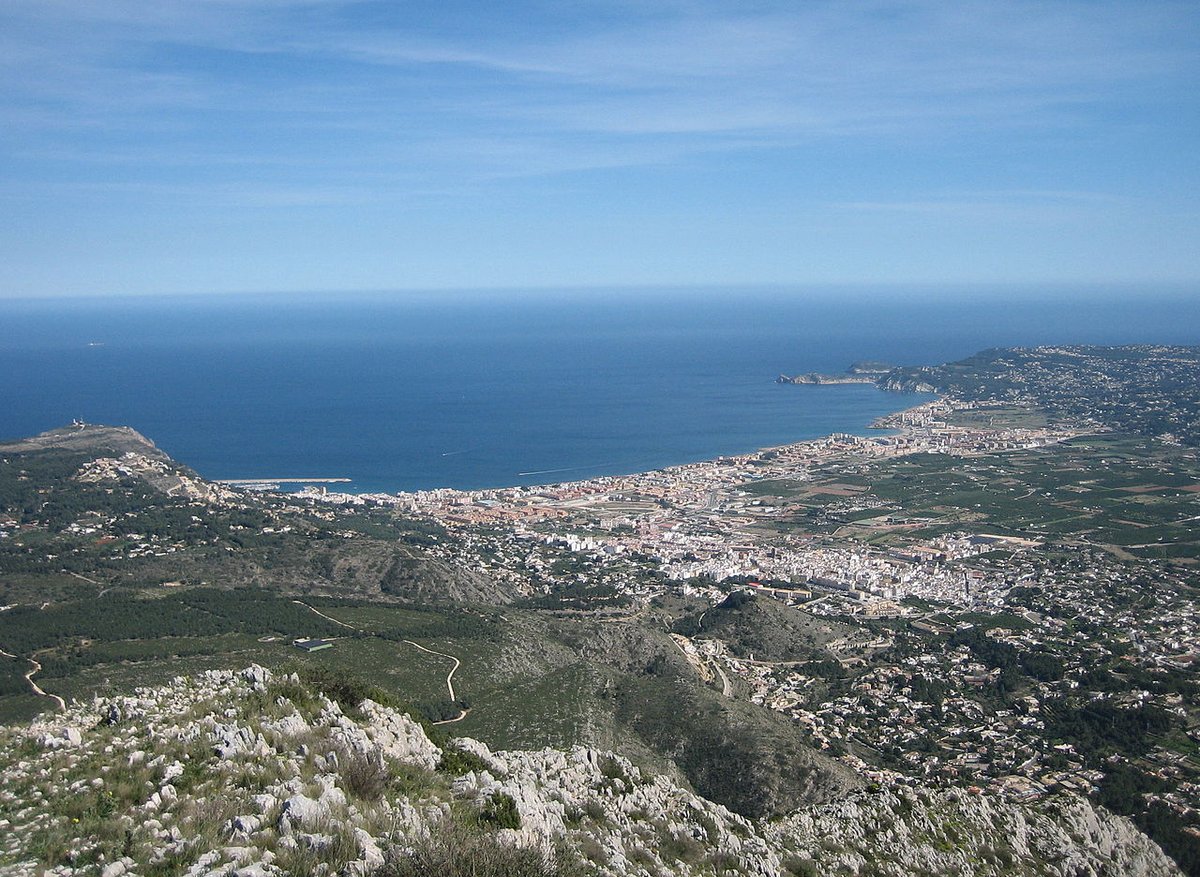
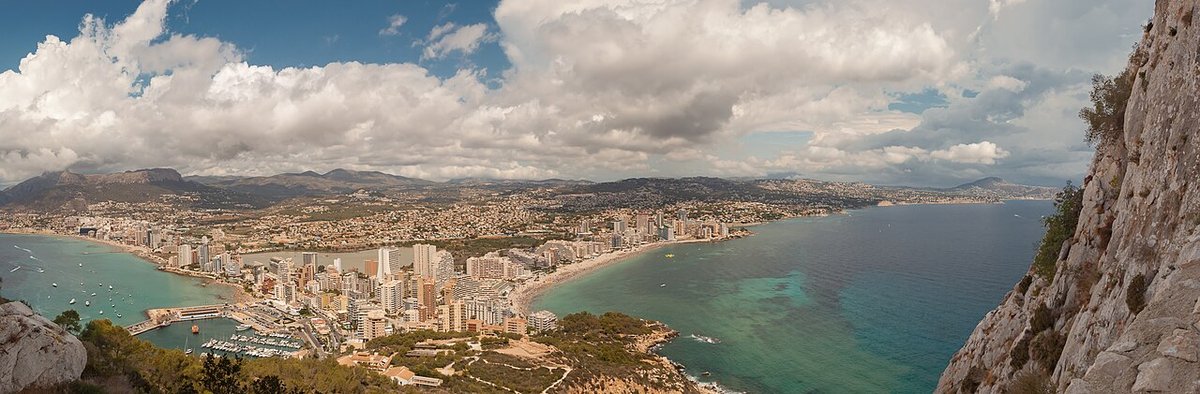
The PR-CV 100 footpath leaves from the upper cemetery and climbs 400 metres to the summit of Puig de la Llorença. Allow two hours return, plus pauses to admire the views that stretch from Calpe's rock to Jávea's bay. The track is stony; proper footwear helps, though you will still meet locals in flip-flops carrying shopping bags. Spring brings wild rosemary and the sound of bee-eaters; August brings heat that radiates off the limestone like a pizza oven. Take water—there's no bar at the top, only a concrete trig pillar and a 360-degree payoff that photographs never quite capture.
Cloudless winter days can be even better: the air is sharp enough to taste, and you may have the ridge to yourself apart from a farmer gathering snails for paella. If Tramuntana wind is blowing from the north, wear a jacket; at this altitude the temperature can be five degrees cooler than the beach.
Practicalities without the Brochure Speak
Getting here: The narrow-gauge TRAM from Alicante terminates at Teulada station, two kilometres below the old town. The uphill walk takes 25 minutes; a taxi costs €6 and saves arriving drenched in perspiration. If you hire a car at the airport, leave the A-7 at junction 63 and follow signs for "Teulada Centro Histórico"; the modern part is signposted "Teulada Nou" and holds little interest.
When to come: March for the Fallas—giant papier-mâché sculptures torched in the streets, fireworks you feel in your ribcage, but crowds you can still navigate. Late April and early May offer green vineyards, mild afternoons and hotel rooms at two-thirds the August price. October is harvest; the cooperative hums 24 hours a day and smells of crushed grapes. Mid-summer is hot, often 35 °C by lunchtime; the town empties downhill after breakfast, re-filling only when the sun drops behind the mountain.
Market: Wednesday, 08:30–13:30. Park at the Poliesportiu on the bypass—free, shaded and a five-minute level walk into the centre. Leave the car in the old town only if you enjoy three-point turns while being watched by amused old men.
Eating, Honestly
La Brisa on Calle Doctora Pérez Martorell does tapas with English translations and proper chips for teenagers who have reached their limit of boquerones. Three plates and a drink run about €15 a head on the terrace. Locals still prefer Bar Lorente opposite the church for bocadillos stuffed with longaniza sausage; order at the bar, don't wait to be seated. If you want white tablecloths, Restaurante Las Vegas serves a €12 three-course lunch—soup, steak-and-chips, crema catalana—and nobody cares if you turn up sandy from the beach.
Vegetarians can struggle; ensalada mixta usually means tinned tuna. Pizza y Mas by the roundabout saves the day with wood-fired dough and vegan cheese if you ask a day ahead.
August Nights and Other Caveats
During the San Vicente Ferrer fiestas (first fortnight of August) brass bands march until 02:00 and fireworks rattle the windows. Book accommodation outside the historic core unless you plan to join the party. The British-owned villas on the road to Moraira are quieter, though you will need that €12 taxi back after dinner because the hourly bus stops at ten.
Shops lock up from 14:00 to 17:00 year-round; plan a siesta or drive to Moraira beach where the sea breeze makes the hiatus bearable. Sundays everything is shut except a couple of bakeries—buy bread early or breakfast on biscuits.
Heading Down to the Water
Moraira isn't technically Teulada, but the municipality owns the coastline and runs the bus. L'Ampolla beach has Blue-Flag status, sunbeds at €5 a day and a medieval castle that now sells gin-and-tonics at sunset. The local catch is sepia (cuttlefish), grilled and served with aioli; chips are extra and arrive in a separate basket, Spanish style. If you snorkel, swim east of the castle where posidonia meadows hide starfish the colour of paprika.
At day's end you can stay for the neon bars or climb back to Teulada where the only illumination is streetlights and the Milky Way. The temperature drops ten degrees on the ascent; roll the windows down and you will smell the vines sweating out the day's heat, a scent that lingers longer than any souvenir.
Teulada offers no postcard epiphanies, just a working village that happens to own a beach. Come for the wine, the walk, the sense that Spain continues after the tour buses have turned round. Leave before you start correcting other tourists' pronunciation of Moscatel.