Full Article
about Tormos
Small village of the Rectoría at the foot of the sierra; quiet and agricultural.
Ocultar artículo Leer artículo completo
The Village That Time Checks at the Door
The church bell strikes noon. Nothing moves except a lone dog padding across the square and the smoke curling from Bar Almassera's kitchen vent. At 125 metres above sea level, Tormos hangs between the Mediterranean's last citrus groves and the first proper mountains of Alicante province. Three hundred and thirty-nine souls call it home, though on weekdays you'd swear the number was lower.
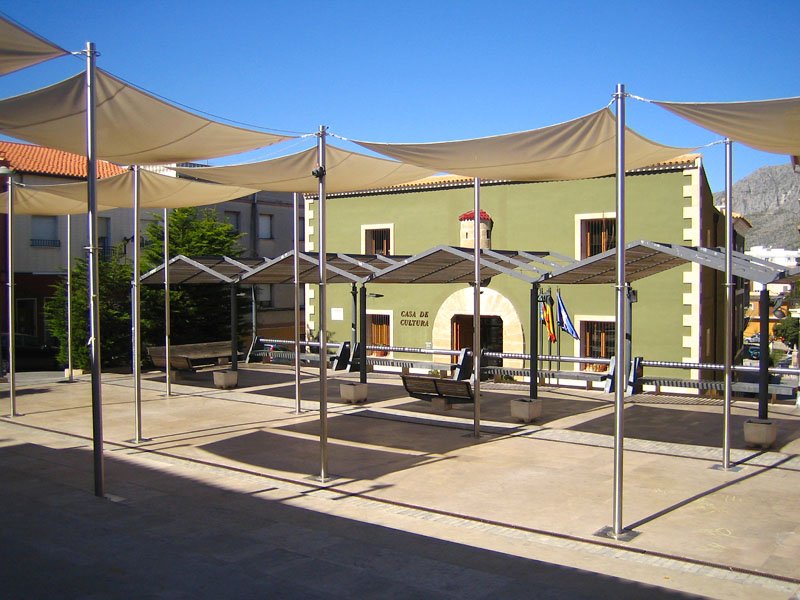
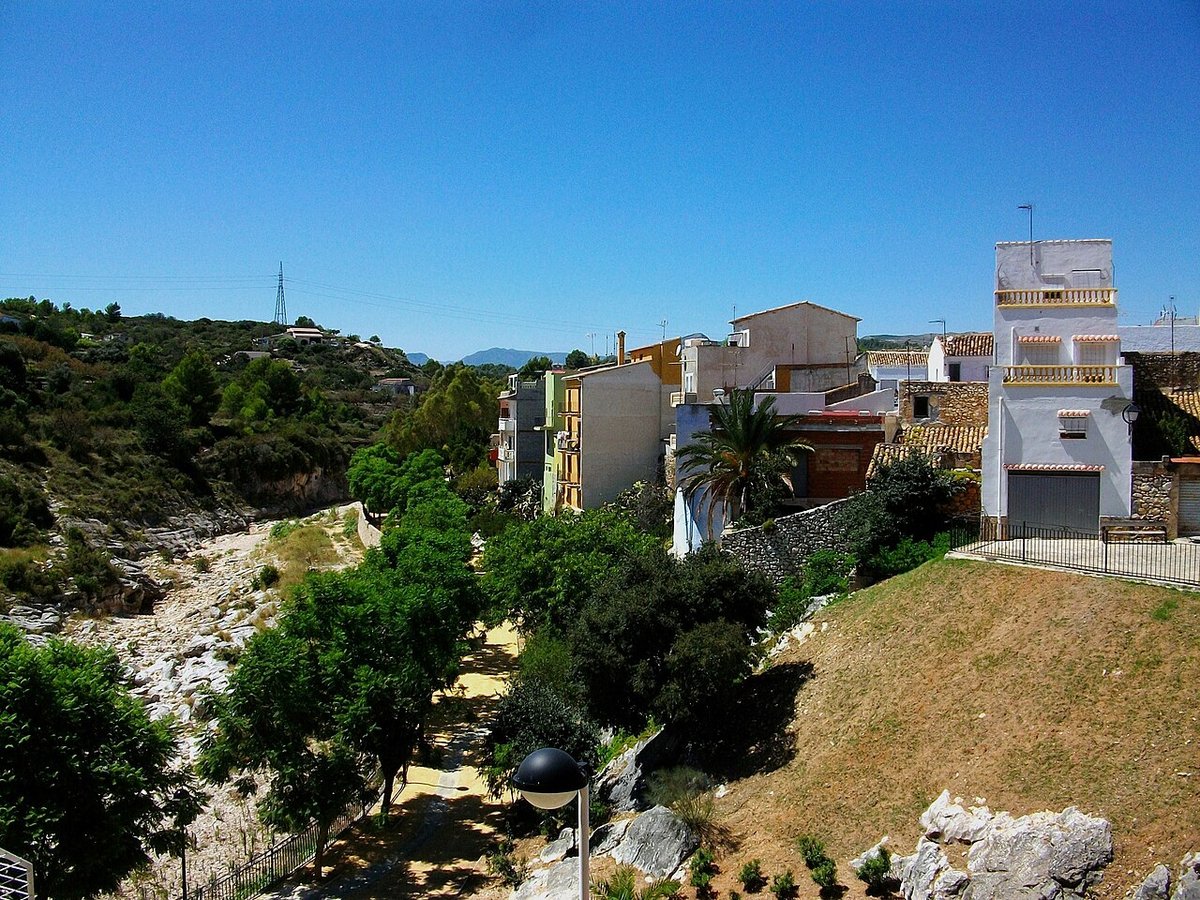
This isn't one of those whitewashed hilltop villages that Instagram made famous. Tormos sits practical and low, its cream-coloured houses spread along a ridge like they've been tipped from a builder's wheelbarrow. The streets run short and straight, ending suddenly in almond terraces or someone's vegetable plot. No souvenir shops, no tour buses, not even a cash machine. What you get instead is the sound of neighbours greeting each other in Valencian and the smell of wood smoke from kitchens where lunch simmers.
Between Mountain Silence and Sea Breeze
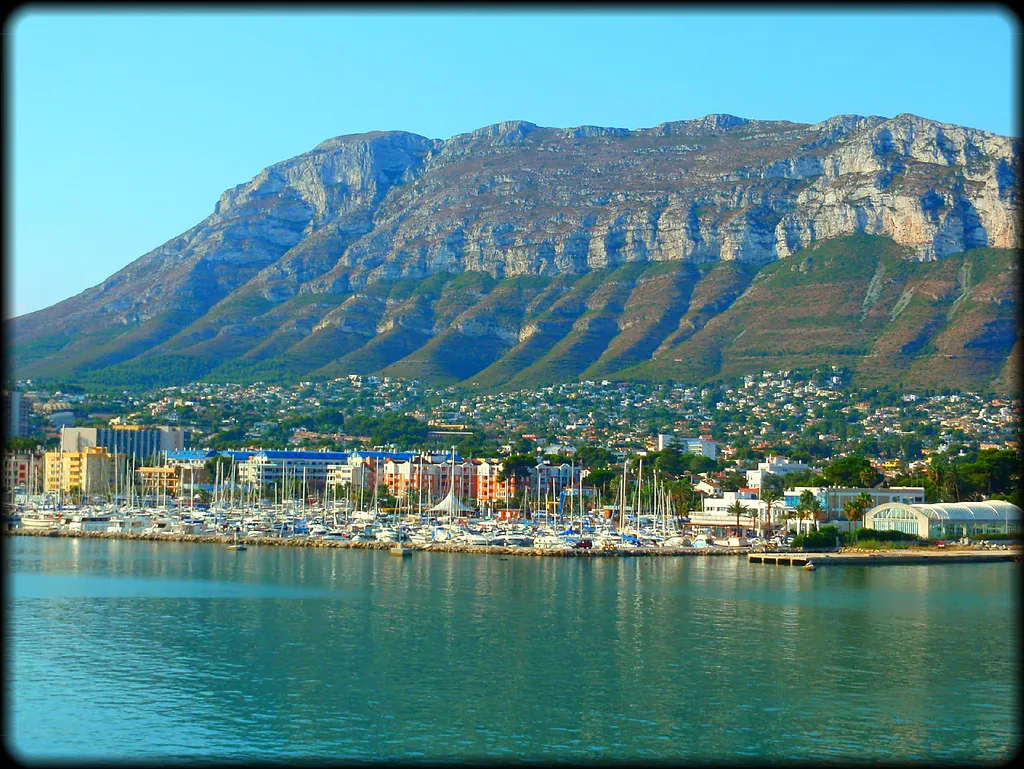
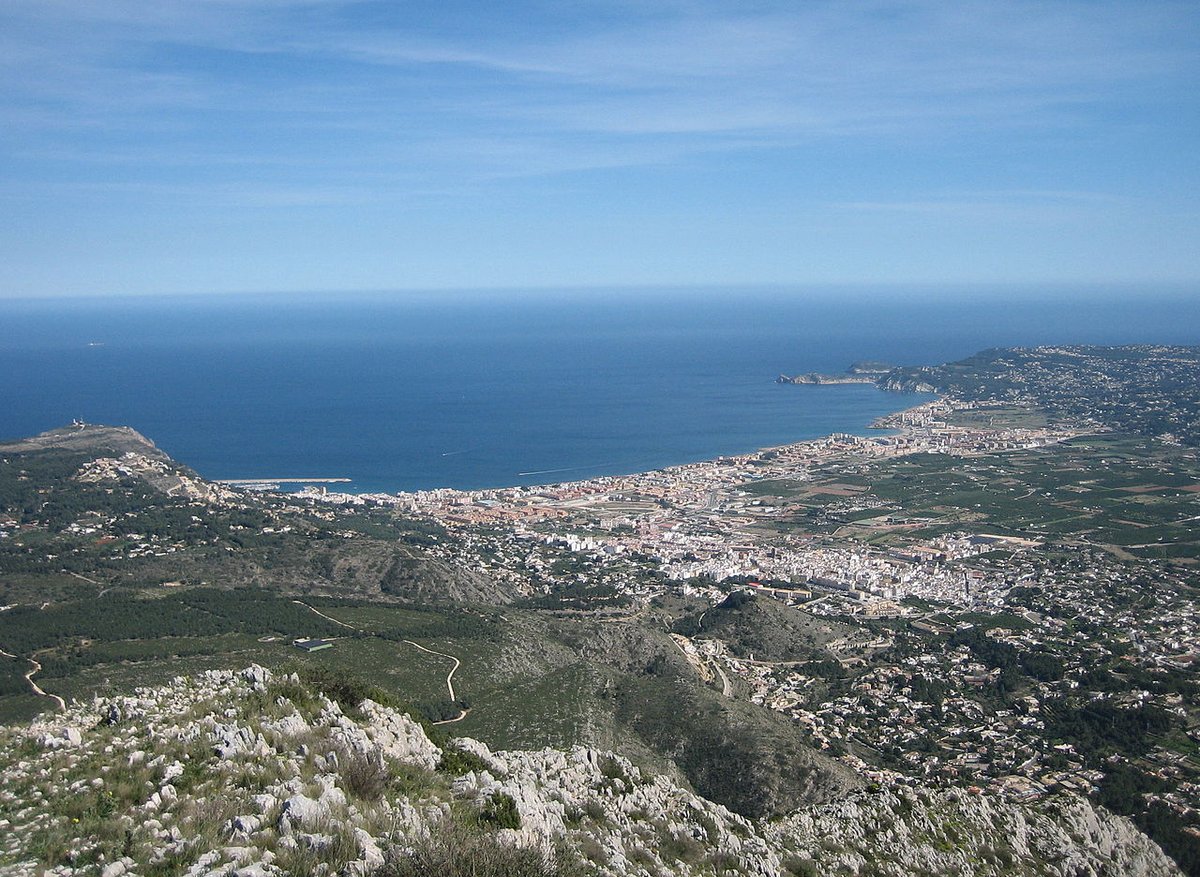
The geography works like this: drive fifteen minutes east and you're on Oliva's six-kilometre beach, where British families build sandcastles near the dunes. Twenty minutes south-east brings you to Denia's yacht marina and its Michelin-starred restaurants. But up here, the air carries mountain coolness even in August. Morning mist collects in the valley below, burning off by ten to reveal a patchwork of olive groves, carob trees and the occasional palm that someone planted for shade.
The village's altitude means summers stay bearable – typically five degrees cooler than the coast. Winter mornings can touch freezing, but you'll still lunch outside in shirtsleeves. Spring arrives early; almond blossom usually peaks in late February, turning the surrounding terraces white for two weeks. October brings the olive harvest, when tractors towing small presses rumble through streets barely wider than the vehicles themselves.
Walking tracks start from the upper end of town, following ancient paths that once connected farmsteads. The easiest route loops three kilometres through almond and olive terraces, passing stone-walled corrals and the occasional ruined caseta where workers once stored tools. Serious hikers can link onto the PR-CV 147, a longer trail that drops down to the Gallinera valley, but most visitors content themselves with an hour's stroll and views across to the Bernia ridge.
What Actually Happens Here
Daily life revolves around three pillars: the church, the bar, and the agricultural cooperative. Sunday mass at San Miguel Arcángel draws thirty people on a good week. The bar opens at seven for coffee and serves a €12 menú del día until three – expect proper home cooking: perhaps chickpea and spinach stew followed by pork shoulder slow-roasted with bay leaves. The cooperative buys members' almonds and olives, though these days many locals supplement income by renting spare rooms to cyclists and birdwatchers.
Markets matter. Saturday belongs to Ondara's covered market, ten minutes down the road, where you can buy anything from cheap leather belts to whole swordfish. Sunday means Pedreguer's sprawling outdoor market, beloved by British residents who stock up on vegetables that cost triple in UK supermarkets. Arrive before eleven or you'll park on a dirt track and walk twenty minutes. The rotisserie vans here sell whole chickens and roast potatoes that locals queue for – bring cash, and your own carrier bag because Spain's plastic ban is real.
Fiestas transform the village completely. The first week of September brings San Miguel celebrations: paella for four hundred people in the sports ground, late-night discos that blast Spanish pop until four am, and a procession where locals carry the saint's statue through streets strewn with rosemary. January's Sant Antoni festival features bonfires and animal blessing – you'll see everything from poodles to pet goats waiting patiently outside the church. These aren't tourist shows; visitors are welcome but they're watching genuine village life.
The Honest Truth About Practicalities
You'll need a car. Full stop. There's no railway, buses run twice daily to Denia and back, and taxis from the coast cost €35 each way. Alicante airport lies seventy kilometres south – take the AP-7 toll road, exit at Ondara, then follow signs through Benidoleig. Valencia's airport works equally well; the drive takes the same seventy minutes but uses quieter roads.
Accommodation means rental houses; there are no hotels in Tormos itself. Expect three-bedroom villas with pools from €90 nightly in shoulder seasons, rising to €150 in August. Book early for September fiestas – nearby Denia and Oliva rooms fill fast with returning Spanish families. The village has one small shop stocking basics: bread arrives at nine each morning and sells out by eleven. For proper groceries, drive to El Verger's Consum supermarket, five minutes down the hill.
August empties the village as locals head to coastal cottages. Bars reduce hours, the bakery closes, and you'll share the streets with a handful of Northern Europeans renting holiday homes. Conversely, Easter week buzzes with returning family members – parking becomes impossible and every house hosts massive lunches. Choose your season accordingly.
Eating, Coast-Style
The village bar serves solid, unspectacular food: tortilla thicker than your wrist, meatballs in tomato sauce, salads that actually feature lettuce rather than just onions. For variety, drive ten minutes to Benidoleig where El Cid pub does Wednesday fish-and-chip nights that would pass muster in Yorkshire. The nearby village of El Verger hides BB Restaurant, beloved for its spit-roast chicken and chips served with proper wine glasses instead of tumblers.
But really, you're here for the proximity to Denia's food scene. Twenty minutes away, the town holds three Michelin stars within five hundred metres. Quique Dacosta's eponymous restaurant charges €220 for tasting menus, but his more casual spot, Llisa Negra, does exceptional rice dishes for €18-25. The fishing port's daily auction finishes at five pm; buy dorade or red mullet from the vans outside and grill it back at your villa. Even the beach kiosks serve decent grub – try esgarrat, a local salad of roasted peppers and salt cod that tastes better than it sounds.
Leaving the Valley
Tormos works best as a base rather than a destination. Stay four nights, combine mountain quiet with coastal days. Morning coffee in the village square, drive to Oliva beach for a swim and paella lunch, back up the valley before evening heat builds. Repeat with variations: Denia castle one day, Jávea's sandy cove the next, maybe a drive inland to Alcoy's modernist architecture when beaches get too busy.
The village won't change your life. It offers something simpler: a chance to recalibrate to slower rhythms, where church bells mark time and neighbours share the shade. Come for that, plus the knowledge that proper civilisation – decent coffee, Blue Flag beaches, supermarkets that sell PG Tips – sits twenty minutes away whenever you need it.