Full Article
about Altea
Mediterranean dome; white artists' village with a cobbled old quarter and spectacular views
Hide article Read full article
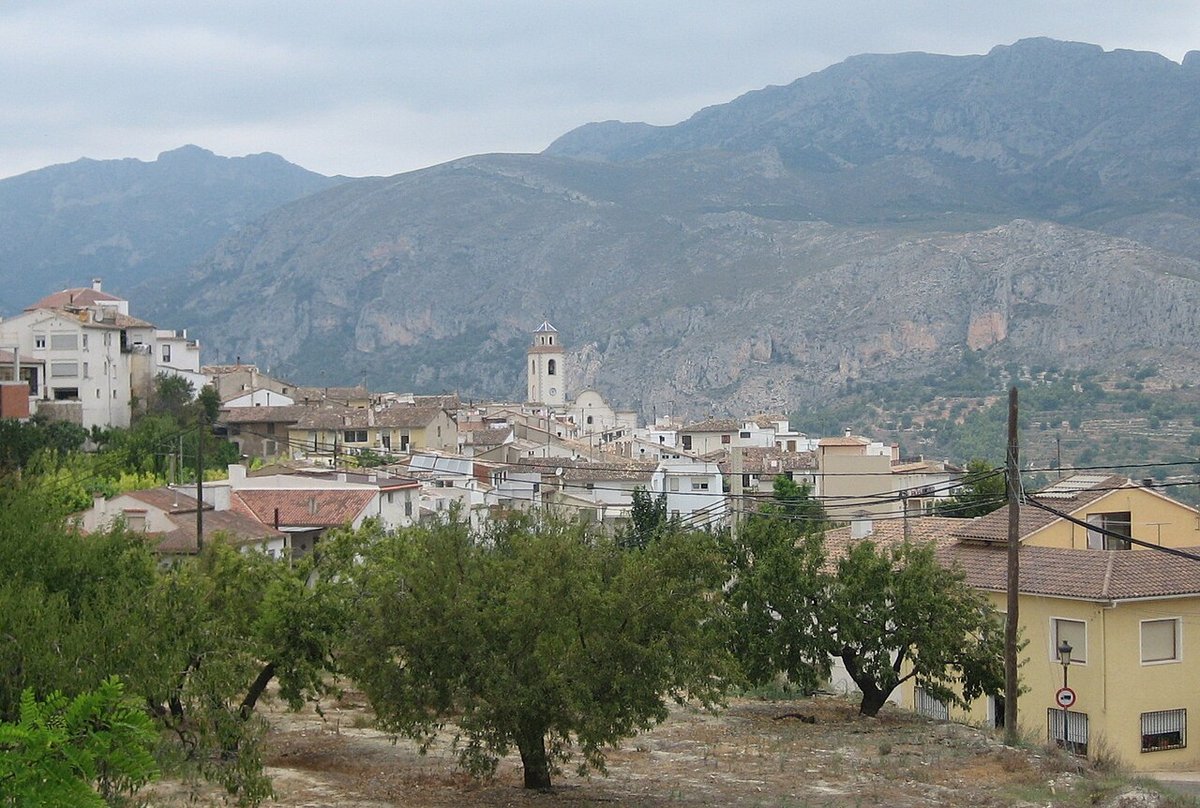
The bells of the church of the Consuelo ring at half past seven in the morning, their echo running down the cobbled streets like a sudden rush of water. At that moment, while the sun still hesitates between the Sierra de Bernia and the sea, the whitewashed walls of the old town of Altea take on a slightly dull cream tone that lasts only a few minutes. It is when the place smells of fresh bread and of salt drying on the jumpers of fishermen walking up the slope of Sant Josep with their baskets still empty.
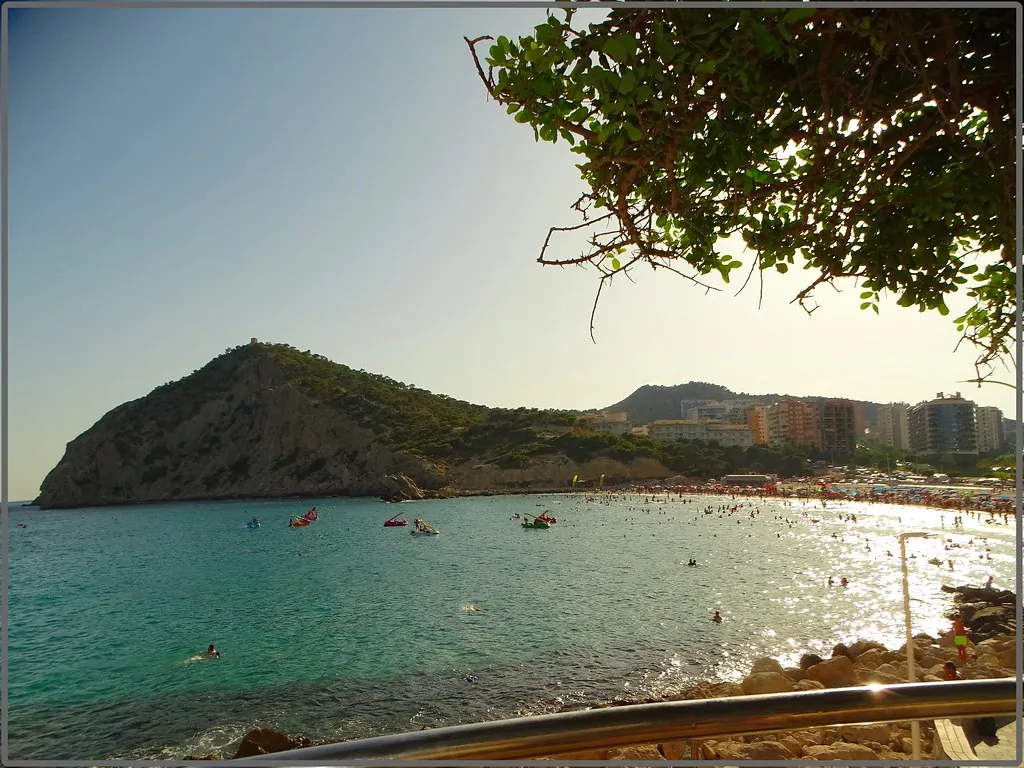
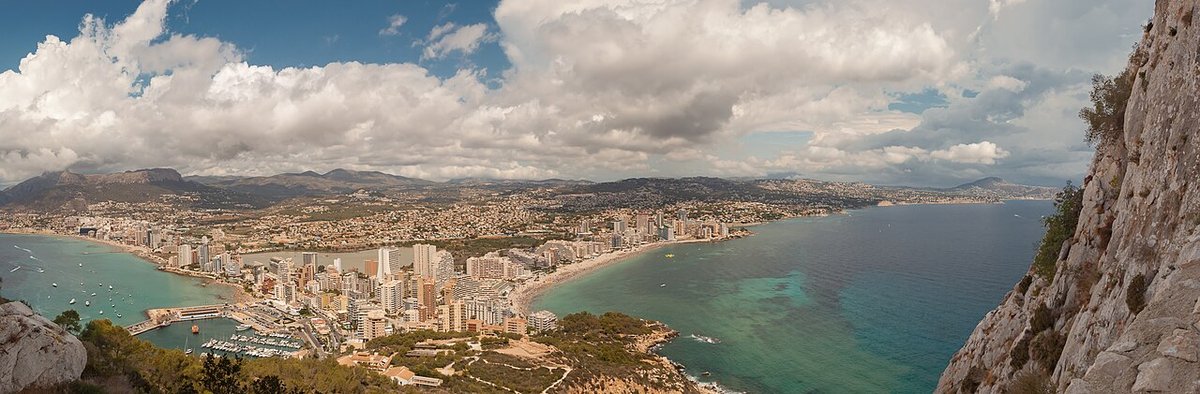
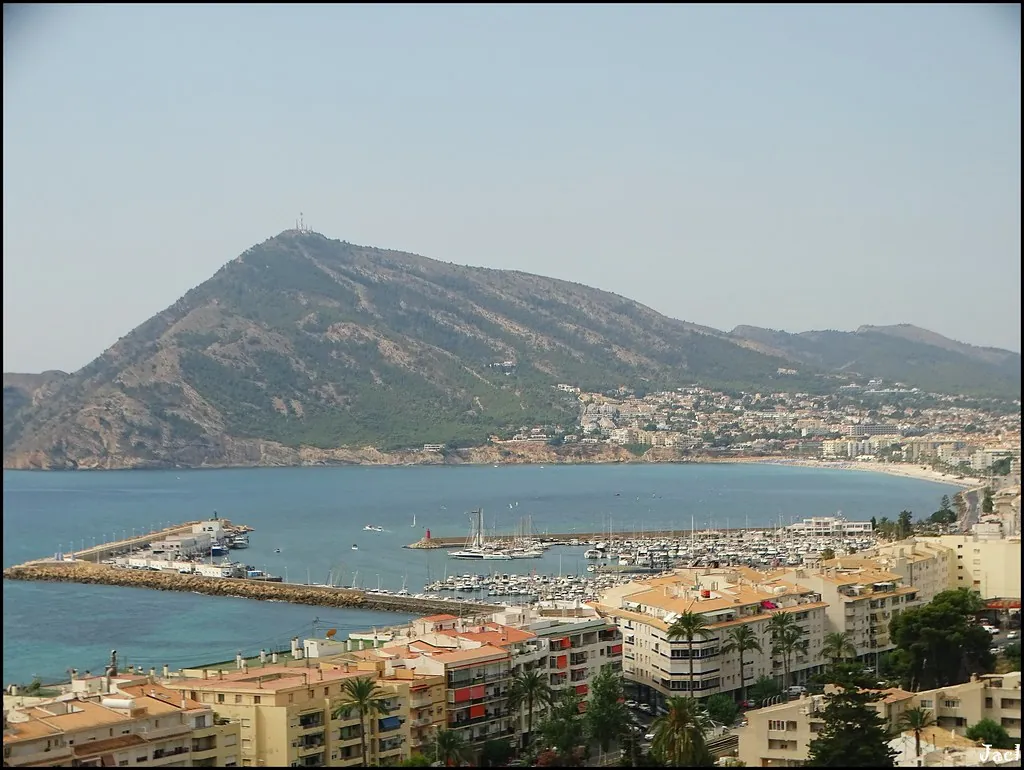
From the viewpoint in the Plaza de l’Església, the whole bay comes into view, a matte silver plate broken by the dark green of pine trees towards the beach of l’Olla. The dome of the church, covered in tiles in bluish and white tones, begins to shine once the sun has fully risen. It is not a clean blue, more a turquoise worn down by the sea air. Inside, the nave carries the scent of melted wax and damp stone, and the wooden pews are smoothed by decades of people sitting down slowly.
Always upwards
To get here, it is best to leave the car in the lower part of the town, around the avenue of Rei en Jaume I or near the seafront, and continue on foot. The old quarter is made for unhurried walking. Each street that climbs upwards is just wide enough for two people to brush shoulders and glance down to avoid stepping in the traces of water left by night-time watering.
The houses were built high up after centuries in which the coastline was unsafe due to corsair attacks. That is why the town looks out over the sea from above. Many homes still keep low doorways, stone lintels carved with crosses, and old numbers painted directly onto the limewash.
On Calle Mayor there is often a small ceramics workshop that opens when it opens. If the shutter is half raised, it is a good sign: the owner will be inside working. In the window sit mismatched cups, a wide plate with painted fish, and pieces still dusted with clay. The smell of damp earth mixes with that of basil plants that someone always leaves by the door.
What people eat when no one is watching
At midday the wind shifts and carries the smell of cooking from the neighbourhood of Bellaguarda. It is not the paella seen on menus along the seafront, but more domestic dishes. One that is still prepared is arròs amb naps i costra, rice with turnip and meat that is finished in the oven under a layer of set egg that cracks when broken with a spoon.
In the port, when the working day ends, fishermen sometimes share among acquaintances what does not sell or what arrives damaged in the nets. The prawns along this stretch of coast often have a violet tone on the head that disappears when boiled, leaving behind a broth of intense coral colour.
Ask about olla de blat and the explanation will be much the same wherever it comes from: the wheat is soaked the night before, and the key is not to stir too much once the meats and black sausage go in. The rest is time and a heat that does not rush.
Fire over the water in summer
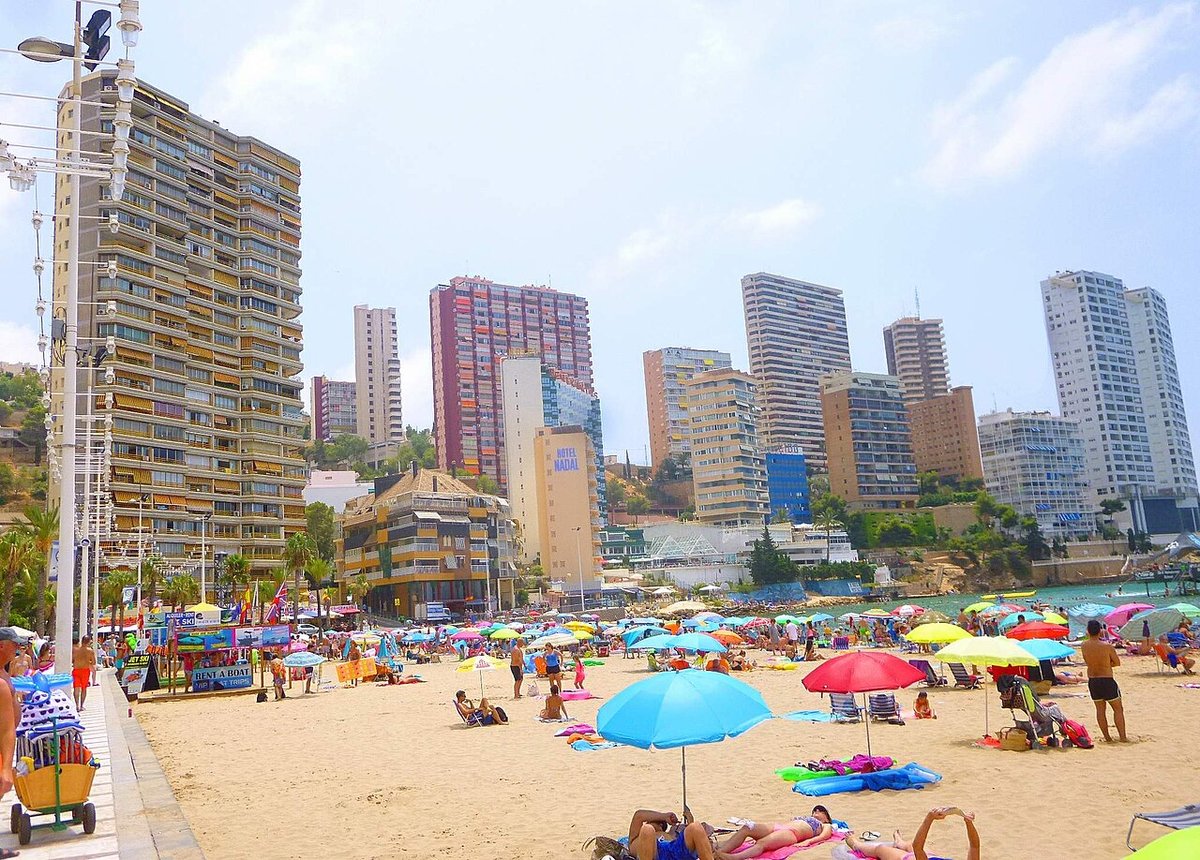
At the beginning of August, the beach of l’Olla fills with blankets, small cool boxes and people arriving before night falls. This is when the Castell de l’Olla usually takes place, a fireworks display launched from platforms set out at sea. When the first rockets go up, the sound bounces off the mountains and returns a few seconds later.
People slip off their sandals to feel the cool sand between their toes. Children cover their ears. When it is all over, the silence takes a moment to come back, and what remains is the soft knocking of anchored boats shifting in the dark.
When it makes sense to come, and when it does not
April often brings the scent of orange blossom from the surrounding orchards. The light is clear, and the warmth still allows you to walk through the old town without searching for shade every few steps. From the town, paths lead up towards the Sierra, including the route to the ermita of Sant Antoni.
August changes the rhythm completely. The stones of the old quarter hold the heat well into the night, and the streets fill beyond what they seem able to take. In summer, it is worth getting up early: in the first hours of the day the streets are still calm.
In September, the fiestas of Moros y Cristianos usually take place. For several days, the sound of drums rises from the lower part of the town and slips in even through open windows.
One last look before heading down
As you walk down the steps of Santo Domingo, turn your head for a moment. From there, the dome of the church looks almost like an upturned boat resting on the old town.
Wait a minute longer and the evening light begins to turn pink against the rear wall of the church. At that hour, cats come out onto rooftops that still hold the day’s warmth, and the noise from the seafront arrives softened. The town seems to pause for a few seconds before everything continues again.