Full Article
about Benidorm
Mediterranean tourist capital; known for its skyscrapers, fine-sand beaches, and nightlife.
Hide article Read full article
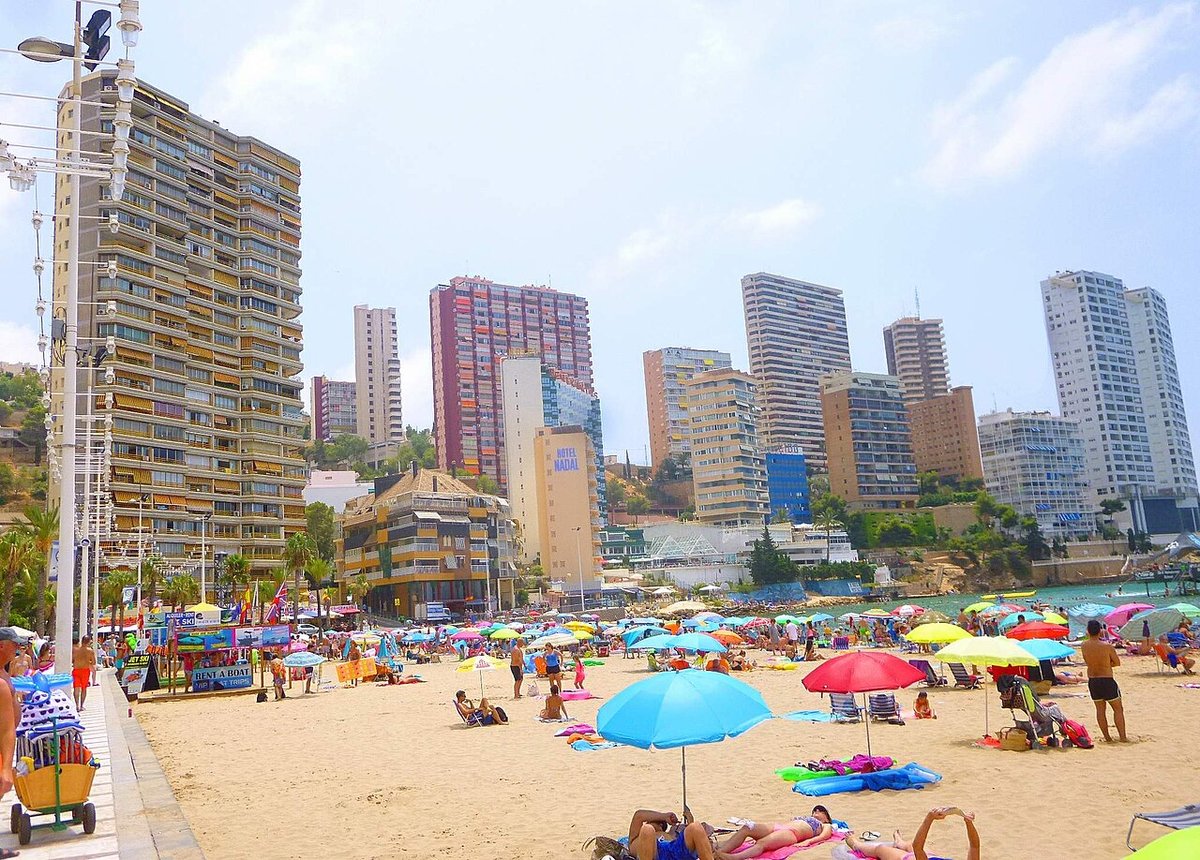
At six in the morning, the sand on Playa de Levante still holds the marks left by the last sunbeds. The sun rises behind the high-rise buildings and turns the glass of the apartments gold. A man walks along the shore picking up cigarette butts with a metal spike while the sea moves slowly. In that quiet moment, when the city is only half awake, tourism in Benidorm feels distant, almost invisible. The air smells of salt and old sun cream, a mix of poolside and Mediterranean that says more about the place than any slogan.
When it was just a village
In 1325, Bernat de Sarrià granted a charter to what was then a small fishing settlement. Today, from the Balcón del Mediterráneo, Benidorm Island appears as a dark shape on the horizon, with the city behind it rising upward after space on the ground ran short.
Apartment blocks carry names of Caribbean beaches, and signs in English advertise full breakfasts. Yet early in the morning on Calle Mayor, when shutters are still half open, the sound is different: water being poured onto plants and the scrape of brooms across stone. Some doorways still lead to low houses, with window ledges where cats stretch out in the sun.
The old town smells of fresh bread and bleach. Its cobbled streets keep the names of old trades such as Herreros and Horno, even though neither blacksmiths nor communal ovens remain. In Plaza de Sant Jaume, the church with its blue and white dome looks over retirees sitting in the shade of orange trees. Inside, there is usually silence, broken only by the soft closing of a door and the scent of incense mixed with fresh flowers.
Climbing for air
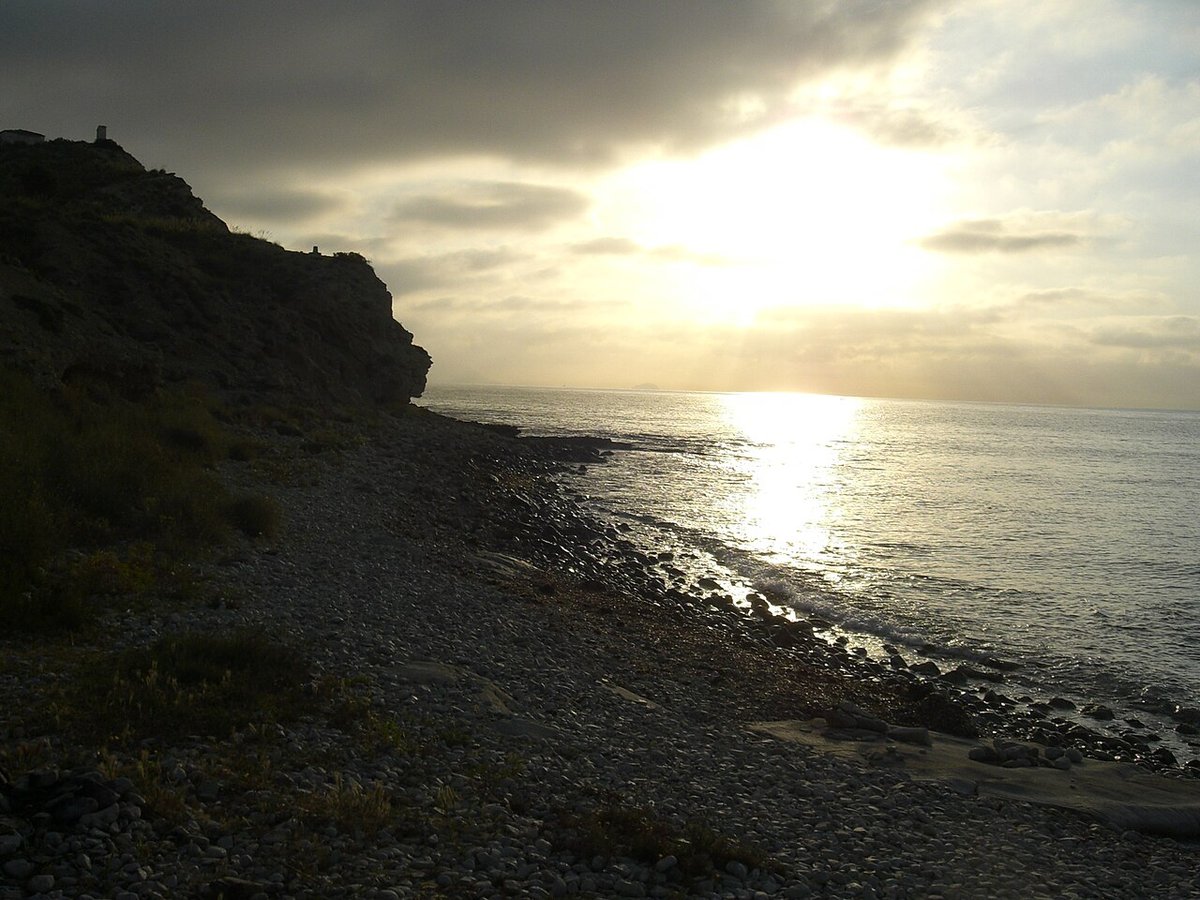
Serra Gelada begins almost where the hotels end. The path climbs through Aleppo pines and rosemary, over pale soil that crunches underfoot. Within minutes, the noise from bars drops away, replaced by wind and seabirds.
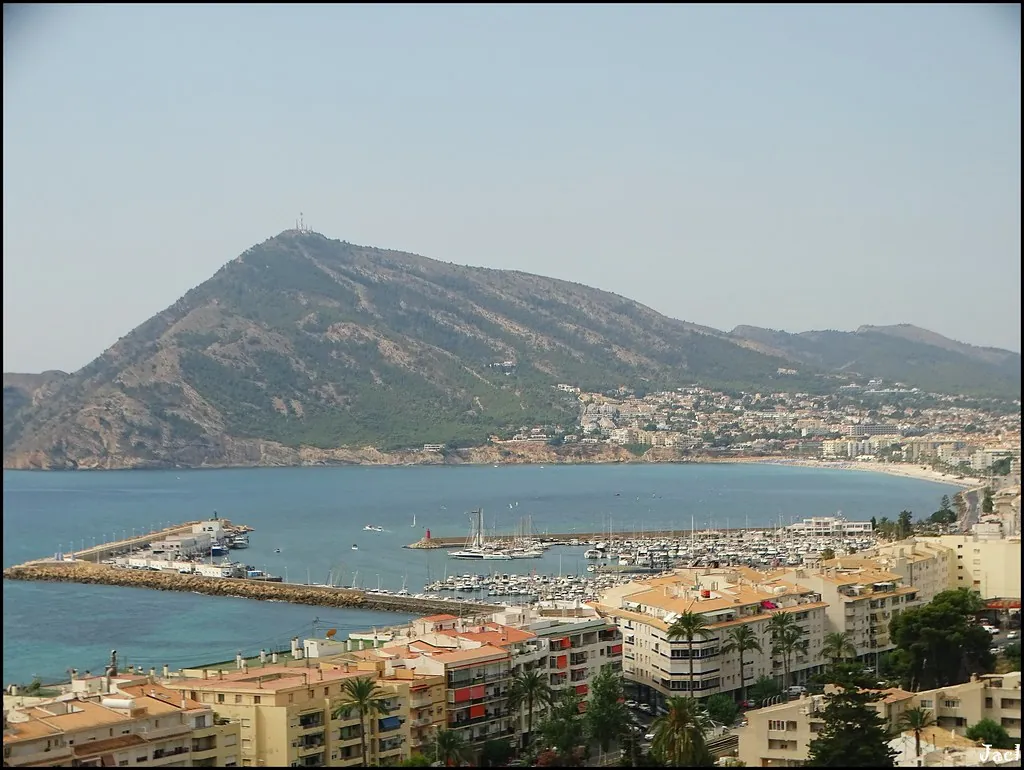
From the route that leads towards the Albir lighthouse, the whole bay opens up. There are long stretches of pale sand, the island opposite and the towers of Benidorm rising like a wall of glass. Some days the water appears almost turquoise. On others, when the easterly wind blows, it takes on a greenish-grey tone typical of this sea.
The walk to the lighthouse usually takes around three quarters of an hour at an easy pace. There are no bars or vending machines in the upper section, so it is worth bringing water, especially in summer. The old tower of les Caletes is a reminder that this stretch of coast was once watched for pirate attacks.
The taste of earlier days
By mid-afternoon, there is still some activity around the port area, with fishing nets and boxes of fish being handled. It does not have the intensity of larger harbours, but boats continue to leave before dawn and return with wet decks and the smell of salt.
In many homes here, arroz caldoso is still prepared with rock fish and pumpkin. The broth takes on a deep orange colour when cooked slowly over a low flame.
Some bakeries in the old town still display sweet almond cocas and simple pastries wrapped in paper. In February, bollos de San Blas appear on counters—flavoured with aniseed and topped with a whole boiled egg.
When the city grows louder
The fiestas of the Virgen del Sufragio in November remain one of Benidorm’s most distinctive moments. The image is carried down to the port by fishermen and residents. From there, a maritime procession sets out while boat sirens cut through the quiet of the bay.
In June, San Juan transforms Levante beach after dark. Piles of wood and rosemary branches burn on the sand; their smoke mixes with a salty breeze.
March brings Fallas monuments to different neighbourhoods—satirical figures made from papier-mâché that stand until they are burned at night.
Moving around without the crush
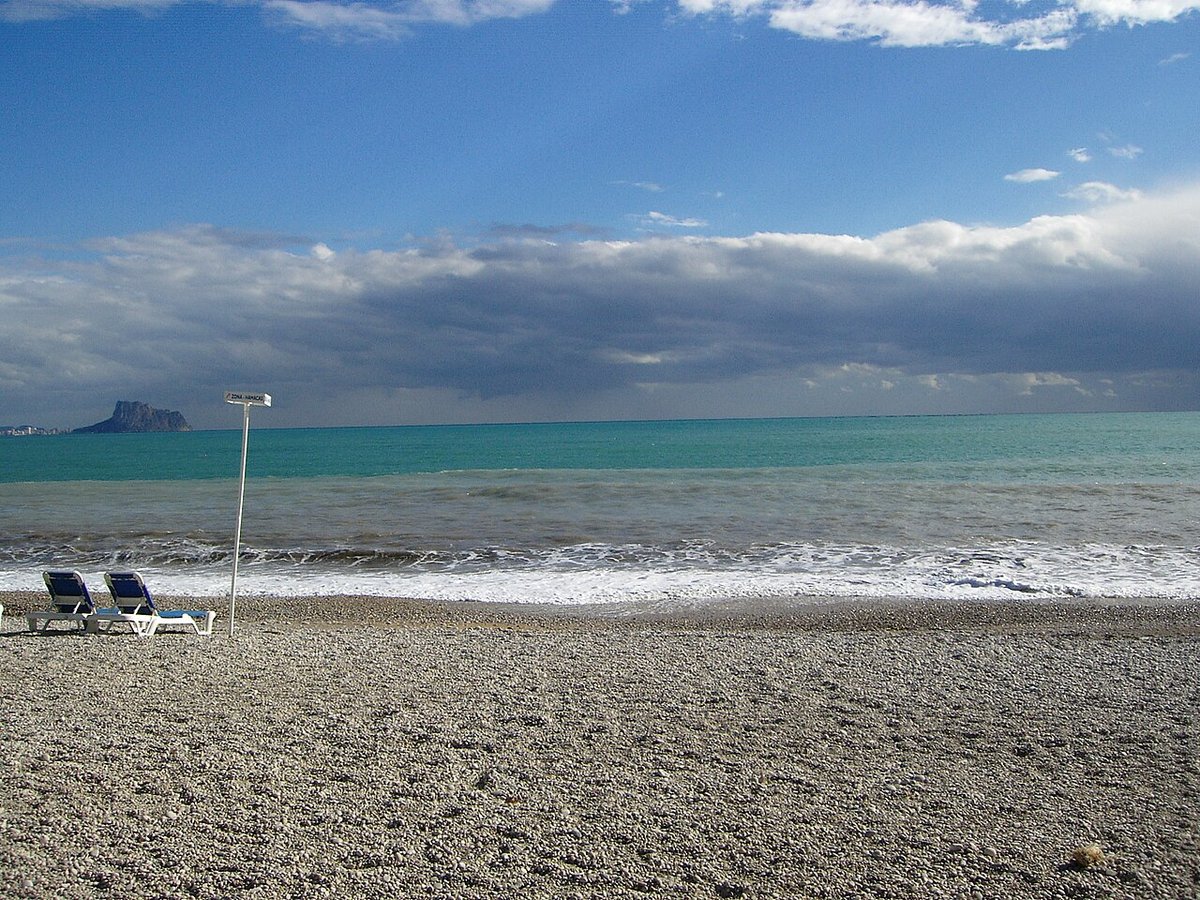
If dates are flexible, May and October are often easier months to visit. The weather is warm enough for swimming but without August’s density.
August changes everything: more traffic fills Avenida Europa; finding a spot on Levante beach takes patience before midday.
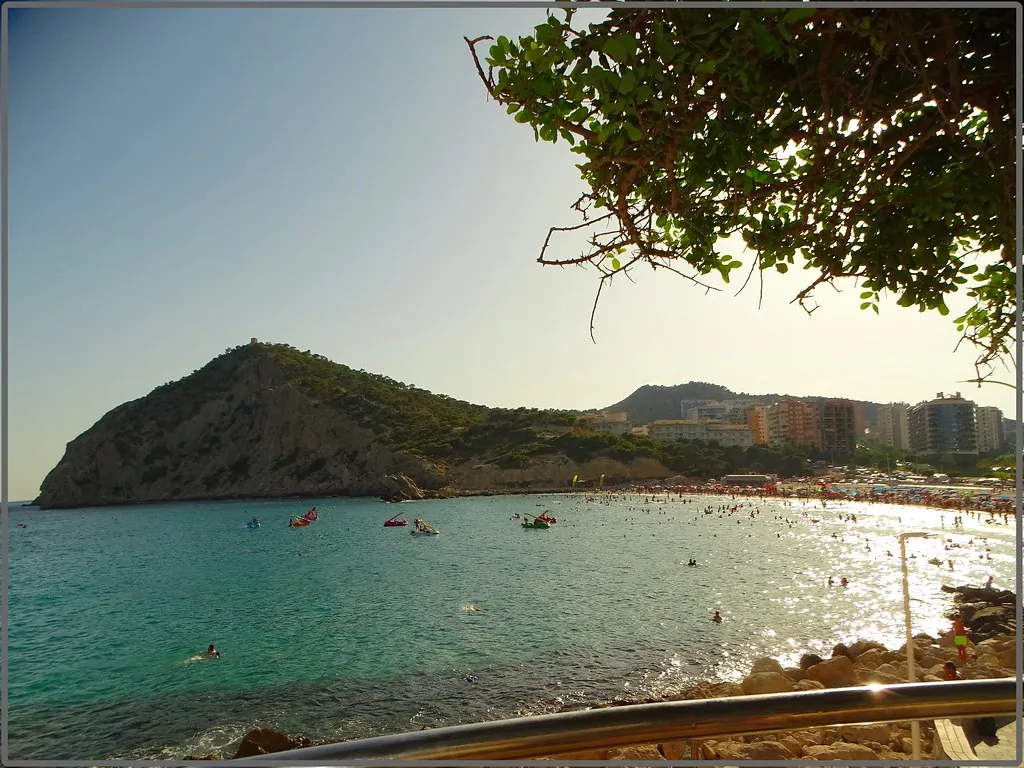
For a swim in a more sheltered setting, Cala del Tío Ximo sits at the end of a narrow road that winds beneath hillsides dotted with villas—a small cove where water shoes help navigate its rocky seabed.
At nightfall—when music starts spilling from terraces onto pavement—the viewpoint at Castillo hill remains one place where you can hear waves below more clearly than voices above