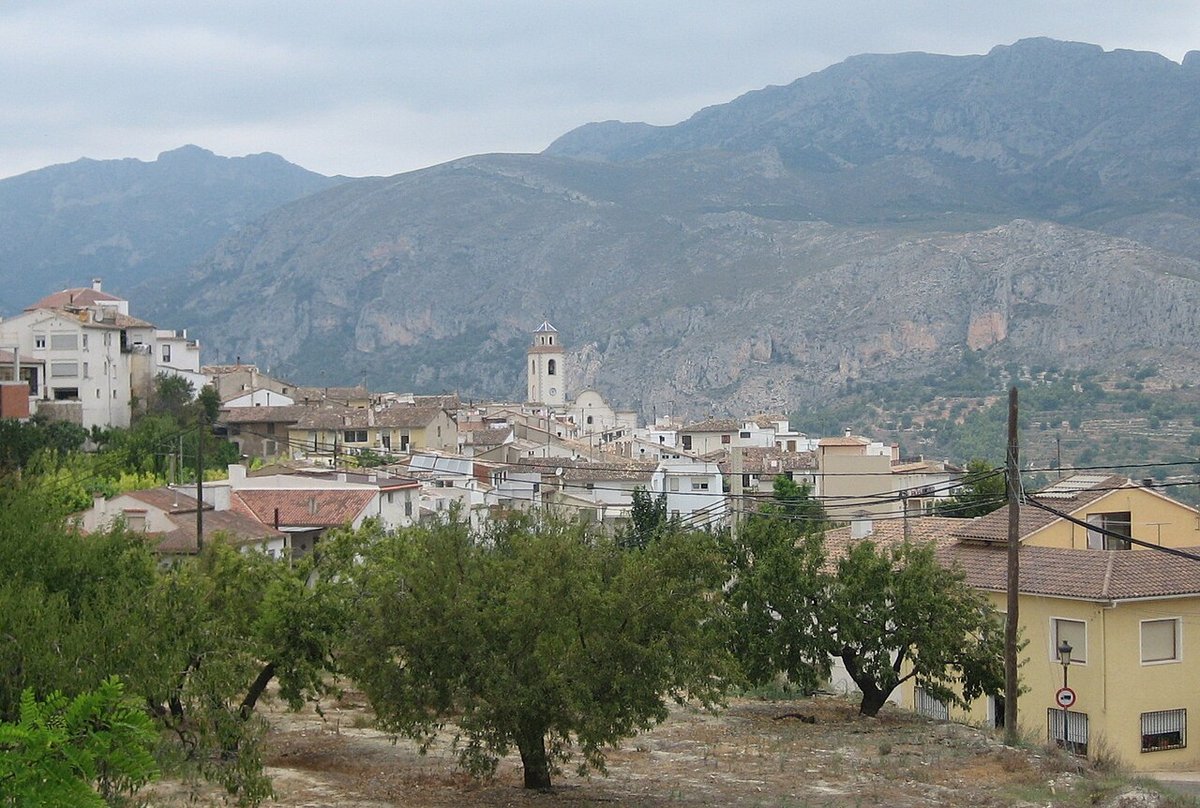
Vista aérea de Benifato
Instituto Geográfico Nacional · CC-BY 4.0 scne.es
Comunidad Valenciana · Mediterranean Light

Benifato

The road to Benifato climbs 658 metres in twelve kilometres. One moment you're passing lemon groves outside Callosa d'en Sarrià, the next you're th...

162 inhabitants · INE 2025
658m Altitude

Why Visit

Mountain Fountain of the Spouts Climb to the summit of Aitana

Best Time to Visit

year-round

San Miguel Festival (August) agosto

Things to See & Do
in Benifato

Heritage

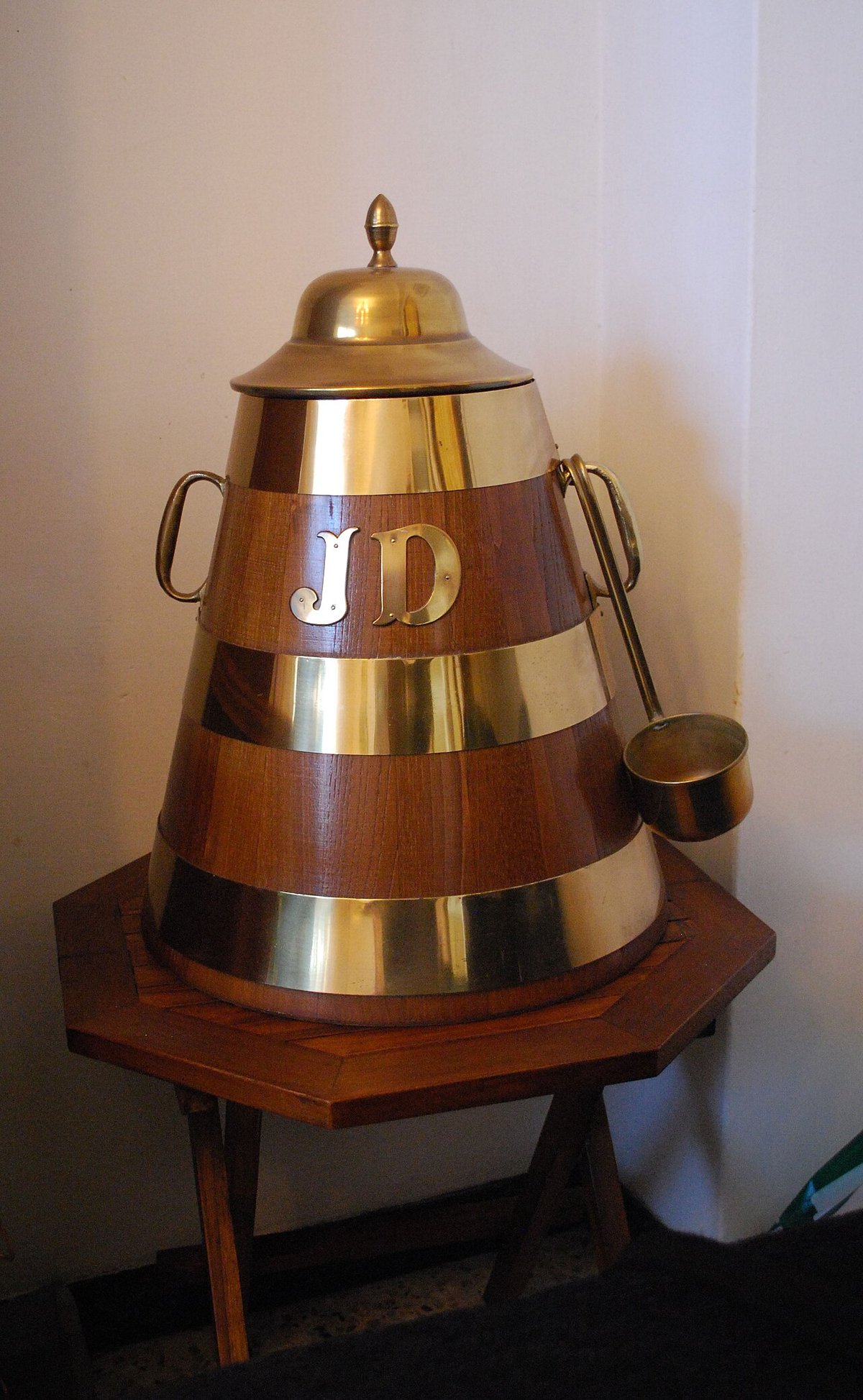
  • Fountain of the Spouts
  • Church of San Miguel
  • Moorish remains

Activities

  • Climb to the summit of Aitana
  • Hiking
  • Local cuisine

Festivals
& & Traditions

Fecha agosto

Fiestas de San Miguel (agosto)

Las fiestas locales son el momento perfecto para vivir la autenticidad de Benifato.

Full Article
about Benifato

The smallest village in the Vall de Gualest; gateway to the Sierra de Aitana

Ocultar artículo Leer artículo completo

The road to Benifato climbs 658 metres in twelve kilometres. One moment you're passing lemon groves outside Callosa d'en Sarrià, the next you're threading through almond terraces with the Mediterranean shrinking to a silver line behind you. It's the kind of drive where hire-car passengers develop sudden opinions about your cornering technique.

This is the Costa Blanca's back door. Forty-five minutes from Benidorm's towers, Benifato has 140 permanent residents, no cash machine, and precisely one restaurant. What it does have is space to breathe. The village sits on a natural balcony above the Guadalest valley, with the 1,500-metre Sierra de Aitana rising like a wall behind it. On clear winter mornings you can see the bay of Altea glinting thirty kilometres away.

The Village That Time Misplaced

Benifato's main street takes three minutes to walk end-to-end. Houses are whitewashed, two-storey affairs with terracotta roofs and the occasional goat peering over a wall. There's a seventeenth-century church dedicated to San Roque, a tiny plaza with benches, and two natural springs where locals still fill plastic bottles for drinking water. No souvenir shops. No ice-cream parlours. Just the rhythm of agricultural life playing out against a mountain backdrop.

The place reveals itself slowly. Look closely at the terracing: those dry-stone walls hold back almond groves planted generations ago, their trunks twisted into sculptural forms. Between January and February they erupt in pink-white blossom, transforming the slopes into something resembling a Japanese watercolour. The almonds reappear later in homemade tarta de almendra at La Venta de Benifato, the village's sole dining option, where British walkers trade trail notes over three-course lunches that cost €12.

Water shapes everything here. The Fuente del Molino and Fuente de la Salud bubble constantly, feeding ancient irrigation channels that snake through the terraces. Follow one uphill and you'll find abandoned stone barns, their roofs caved in but walls intact. These were built for grain storage when mules, not Renault Clios, provided transport. The paths they served now form part of a 15-kilometre network linking Benifato to neighbouring Confrides and Guadalest.

Walking Into Another Spain

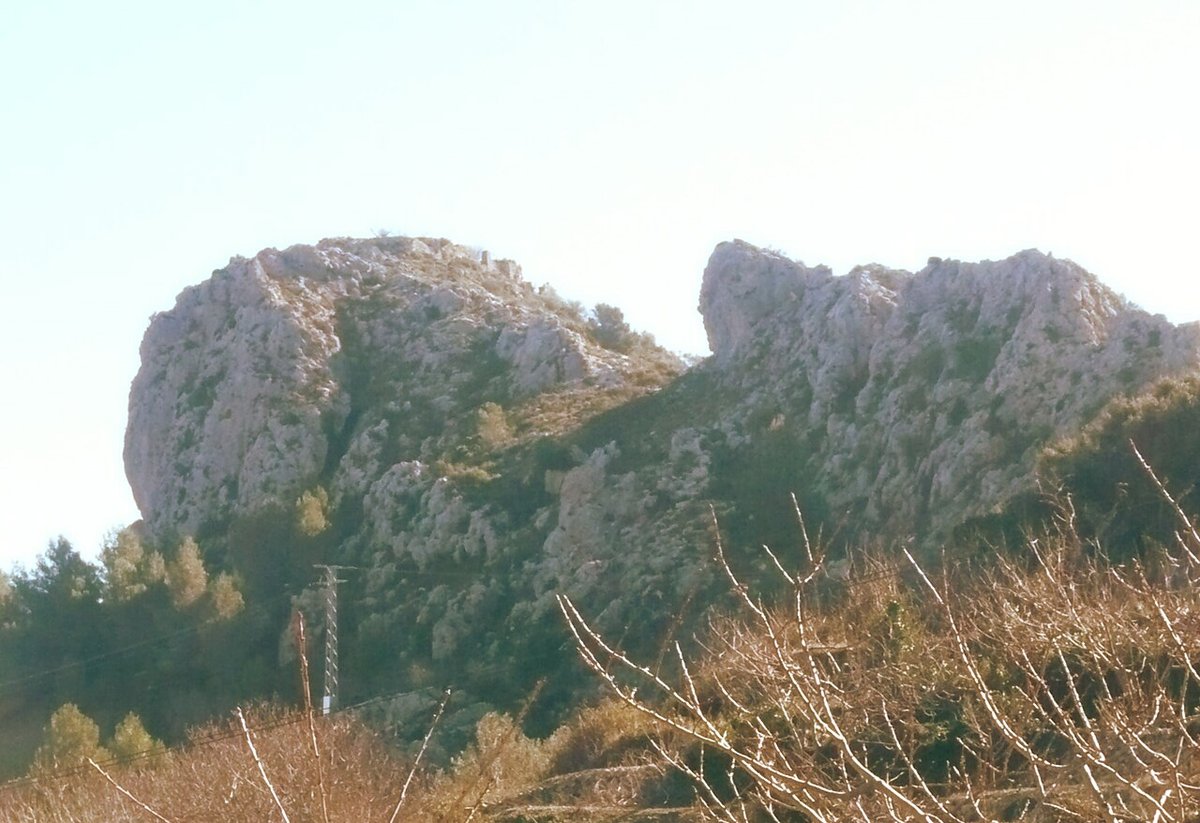
Serious hikers use Benifato as a launch point for Sierra de Aitana. The mountain proper starts where the tarmac ends: a track continues upwards past abandoned farmhouses before dissolving into footpaths that reach the summit ridge. It's proper mountain country—no cafés, no water points, just limestone crags and griffon vultures riding thermals. Summer walkers need serious sun protection; winter brings snow that can block roads for days.

More realistic options start from the village itself. The PR-V 147 trail heads south-east along an old mule track to Confrides, dropping through pine woods before climbing to a ridge with coastal views. It's eight kilometres return, manageable in trainers if the weather's dry. Or simply wander the almond terraces at sunset when the stone walls glow orange and the only sounds are goat bells and distant tractors.

Mountain biking works too, though bring your own bike. The CV-715 makes a spectacular descent towards Callosa, all hairpin bends and valley views. Uphill's less fun—it's a 400-metre climb back to the village that'll have even fit cyclists questioning their life choices.

When the Village Comes Alive

Benifato's calendar revolves around two events. San Antonio Abad in January involves blessing animals in the plaza and sharing homemade sweets. It's charmingly low-key: residents bring dogs, chickens, even the occasional horse, while grandparents hand out sticky almond pastries to anyone who looks interested.

August's San Roque festival is different. The population quadruples as emigrants return from Alicante, Madrid, Manchester. There's a procession, outdoor dancing, and enough paella to feed an army. Book accommodation early—there are no hotels in Benifato itself, and nearby Guadalest fills fast. The single restaurant operates extended hours; expect queues for tables.

Otherwise, life ticks along quietly. Saturday morning sees locals collecting water at the springs. Tuesday brings the mobile fish van from the coast—arrive early for the best prawns. Thursday afternoon the baker visits, honking his horn to announce fresh baguettes. It's all reassuringly mundane, which seems to be precisely what visitors seeking "authentic Spain" are after.

Getting There, Staying Sane

The drive from Alicante airport takes 75 minutes if you know the route, 90 if you don't. Take the A-7 north, exit at 66 towards Callosa, then follow CV-70 and CV-715. The final stretch is single-track with passing places—flash your lights and pull left when you see oncoming traffic. Petrol up beforehand; the nearest station is fifteen kilometres away in Callosa.

No public transport reaches the village. Taxis from Benidorm cost around €70 each way—eye-watering until you consider the mountain roads your driver must navigate. Car hire works out cheaper for stays longer than two days.

Accommodation options are limited. Hotel Serrella in Castell de Castells offers twenty rooms twenty minutes away, with a pool and restaurant. Cases Noves in Guadalest provides boutique guesthouse charm at three times the price. Alternatively, rent a village house in Benifato itself—expect rustic simplicity, wood-burning stoves, and neighbours who'll offer gardening advice in rapid Valencian.

Essential kit: walking boots with decent grip, sunscreen (mountain sun is fierce), offline maps downloaded to your phone, and cash. La Venta accepts cards but the bar occasionally can't process them. The village shop closed years ago—stock up in Callosa before you ascend.

The Honest Truth

Benifato isn't for everyone. If you need nightlife, shopping, or museums, stick to the coast. Mobile signal disappears in parts of the village. The restaurant closes Mondays. Winter nights can hit freezing; summer temperatures reach 35°C. Rain turns mountain roads treacherous.

But for walkers seeking empty trails, or travellers who measure value in silence and space, it delivers. Come for almond blossom in February when terraces glow pink against limestone peaks. Visit in October when olive harvest fills the air with mechanical rattling and woodsmoke drifts from chimneys. Or simply drop by for lunch, that almond cake, and views that stretch all the way to the Mediterranean you left behind.

Just remember to fill up with petrol before you leave the coast. The mountain doesn't care about your range anxiety.

Key Facts

Region
Comunidad Valenciana
District
Marina Baixa
INE Code
03033
Coast
No
Mountain
Yes
Season
year-round

Livability & Services

Key data for living or remote work

2024
Connectivity5G available
HealthcareHealth center
EducationElementary school
Housing~5€/m² rent · Affordable
CoastBeach 17 km away
Sources: INE, CNMC, Ministry of Health, AEMET

Planning Your Visit?

Discover more villages in the Marina Baixa.

View full region →

More villages in Marina Baixa

Traveler Reviews