Full Article
about Callosa d'en Sarrià
Loquat capital; known for the Fuentes del Algar and its water-rich surroundings.
Hide article Read full article
Callosa d'en Sarrià: más que las fuentes
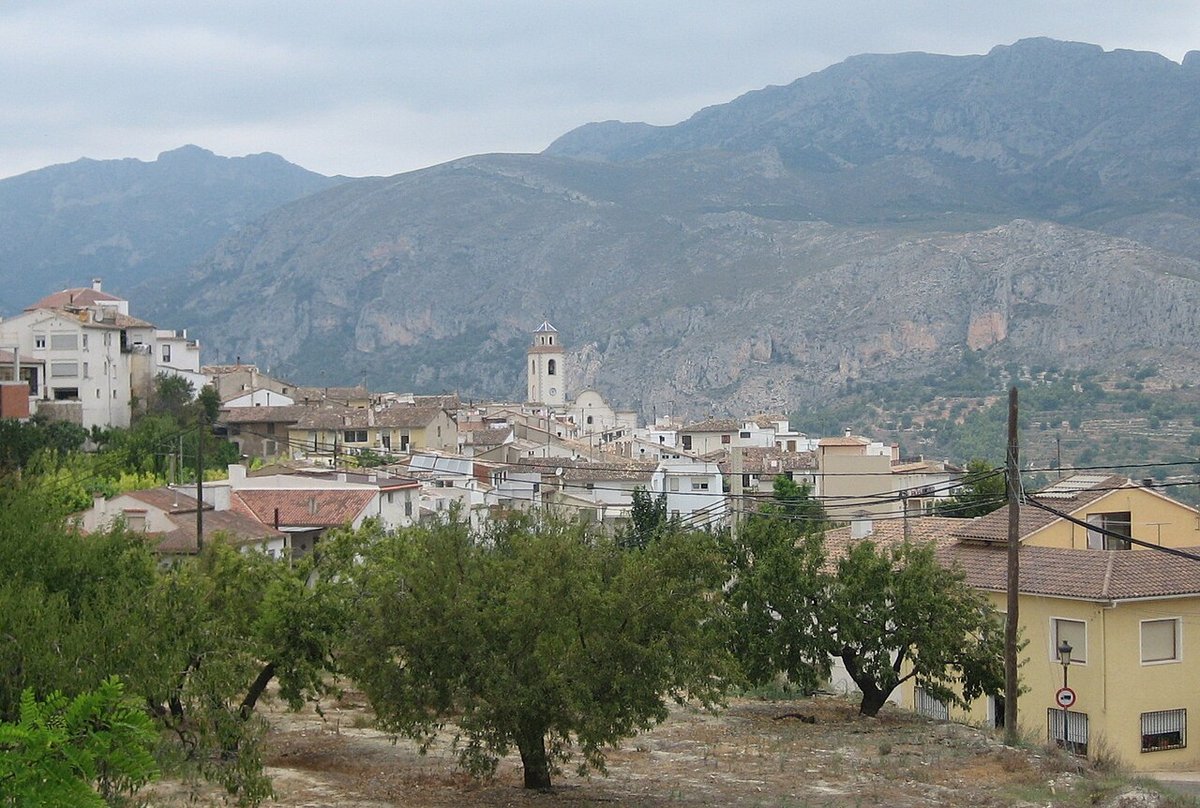
Callosa d'en Sarrià es ese tipo de pueblo que te encuentras de camino a otro sitio. Lo notas desde la carretera: una mancha de casas blancas al pie de la montaña, con el rumor del tráfico de la costa cerca. Muchos solo paran para ver las Fuentes del Algar, y se van. Pero si te quedas un rato, el pueblo te enseña su juego.
El agua que no para
Todo el mundo viene por las Fuentes del Algar. Es normal. Pagas para entrar, lo que siempre hace que frunzas el cejo un segundo, pero dentro se entiende. El agua baja por esas rocas con una fuerza y una claridad que parece de película. Demasiado perfecta, casi artificial. Te mojas seguro, porque el sendero va pegado a los saltos y las pozas. Las piedras están pulidas y resbalan. Vas caminando como si llevaras la cena servida, concentrado en cada paso.
El truco es madrugar. Si llegas entre semana y temprano, escuchas el agua de verdad, no solo el eco de las excursiones. Y ponte un calzado con agarre de verdad. Las chanclas de playa aquí se rinden en los primeros diez minutos.
El olor a níspero
Lo primero que notas al bajar del coche en Callosa, si es temporada, es un olor dulzón en el aire. Es el níspero. El pueblo vive de este fruto, y no es una metáfora: es literal. Tiene más de ocho mil habitantes, pero en cuanto te alejas dos calles del centro te rodean bancales ordenados de nísperos. Son como viñedos bajitos, con esas hojas grandes y brillantes.
En abril o mayo, el pueblo habla, respira y vende nísperos. Fuera de temporada, el paisaje se queda callado. Los árboles siguen ahí, pero sin fruta, y tienes que buscar en algún obrador local para probar una mermelada o un licor que te recuerden a qué viene todo esto.
Las venas del pueblo
Lo mejor de Callosa a veces pasa desapercibido. En el casco antiguo, si prestas atención, oyes correr agua por acequias abiertas junto a las aceras. No son un adorno para turistas; son la red de riego real que lleva agua a los campos desde hace siglos.
Es fácil ver a algún vecino con una azada limpiando hojas o regulando el caudal con una tablilla de madera gastada. Es un sistema vivo. Si sigues el curso del agua con la mirada, te das cuenta de que viene del mismo sitio que las Fuentes del Algar: todo está conectado.
Puedes perderte por los caminillos entre bancales sin señalizar. Solo hay tierra polvorienta y el sonido constante del agua en las acequias menores. De repente encuentras una fuente vieja donde nadie para. Ahí es cuando el ruido del mundo se apaga y solo quedan tú, las terrazas verdes y los pájaros.
Cómo moverse sin volverse loco
Llegar en coche es lo más práctico. En la parte nueva del pueblo hay calles anchas y zonas cerca del polideportivo donde aparcar sin drama.
El problema es el casco antiguo. Calles empinadas y estrechas donde hacer un cambio de sentido se convierte en un puzzle en tres dimensiones. Aparcar en cuesta es solo la mitad del reto; salir después sin rozar los coches de al lado es la otra mitad. Mi consejo: busca una zona llana desde el principio y camina.
Para ir a las Fuentes del Algar necesitas coche; están a unos kilómetros. El trayecto merece la pena solo por ver cómo se extienden los cultivos alrededor.
No busques postal
Callosa d'en Sarrià no compite en pintoresco con otros pueblos de interior. Está cerca de la playa, pero no huele a bronceador ni vive solo del turismo de paso.
Aquí no hay una lista monumental que tachar. Funciona mejor si lo tomas con calma: un paseo por las calles viendo correr el agua por las acequias, la visita al Algar (mejor pronto), y luego perderse un rato entre los bancales.
El hilo conductor es siempre el níspero. Cuando está en temporada, lo impregna todo. Cuando no lo está, su huella sigue ahí, en la forma del territorio y en algún producto local. Si alguien te ofrece uno, pruébalo. A veces ese sabor, entre ácido y dulce, te explica más del lugar que cualquier folleto. Aquí, el campo todavía marca el ritmo