Full Article
about Finestrat
A municipality that blends Puig Campana with a tourist cove; a contrast of mountain and sea.
Hide article Read full article
Finestrat: la montaña cortada
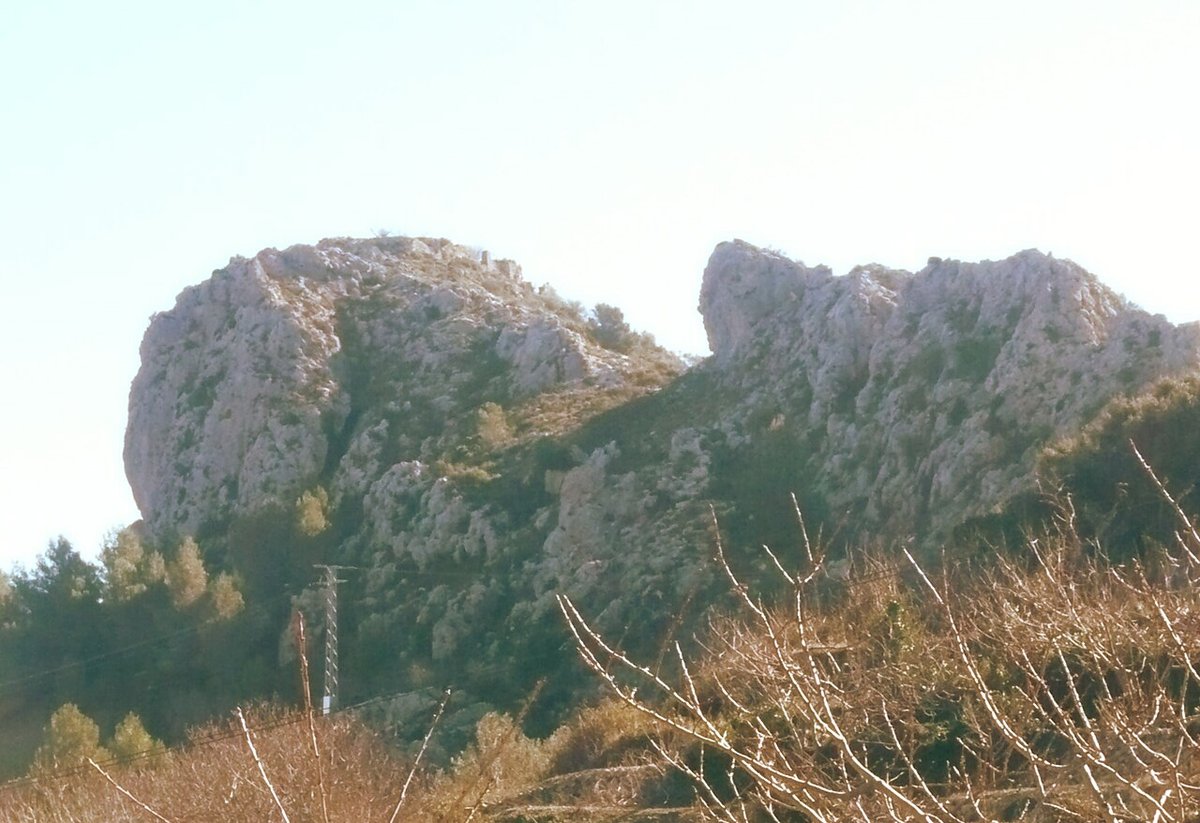
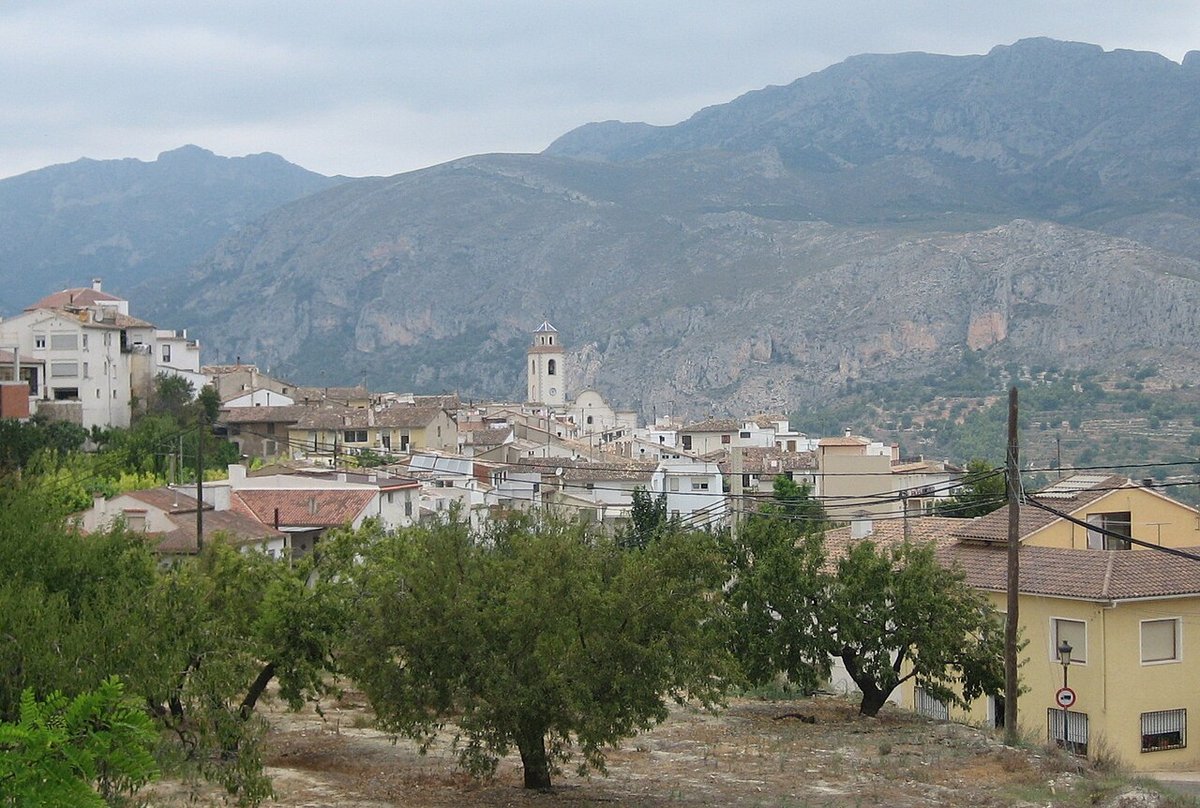
La carretera N‑332 dibuja una línea entre el mar y la montaña. A un lado, la urbanización costera; al otro, una mole de roca rojiza. Sobre ella, como un accidente geológico más, se apiñan las casas de Finestrat. El perfil del Puig Campana, con su famosa hendidura —el tall de la muntanya—, actúa de telón de fondo permanente.
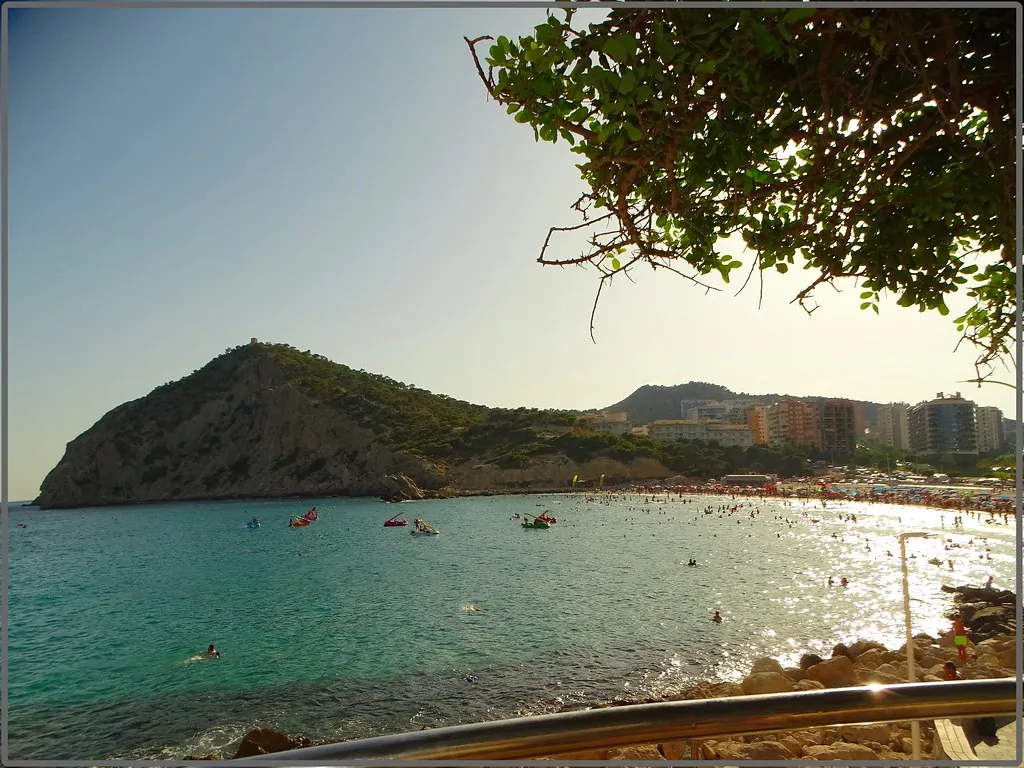
La división es el hecho principal. El núcleo histórico se encuentra a 280 metros sobre el nivel del mar, encaramado en la ladera. A ocho kilómetros, el término municipal toca el Mediterráneo en la Cala de Finestrat, una playa de arena que interrumpe los acantilados entre Benidorm y Villajoyosa. Son dos realidades unidas por una carretera serpenteante.
Un castillo que ya no está
El topónimo aparece en documentos medievales como castrum Finestrati. Jaime I le otorgó carta de población en el siglo XIII. La etimología suele remitir a una raíz árabe relacionada con “ventana”, una metáfora obvia para su posición dominante sobre la llanura costera.
Del castillo apenas quedan vestigios, pero su sombra organiza el pueblo. Las calles se adaptan a la pendiente, con escalinatas y recovecos. La trama es defensiva, nacida para controlar el paso entre la costa y el interior. Desde lejos, solo la torre campanario de la iglesia de Sant Bertomeu, del siglo XVIII, sobresale del compacto caserío blanco.
Cocina de secano y salazón
La dualidad geográfica se traslada a la mesa. Del interior venían los cereales y el cerdo de la matança; de la costa, el pescado. La olleta de blat, un guiso invernal de trigo, legumbres y embutido, resume esa lógica. La coca de mollitas, con su base de masa cubierta de miga, tomate, pimiento y bacalao desmigado, pertenece a una tradición más reciente.
Algunas familias mantienen la costumbre de elaborar embutidos tras la matanza. En las laderas de la Sierra de la Cortina y hacia el Amadorio, colmenas aprovechan el romero y el tomillo. Son prácticas que persisten, aunque a menor escala.
Fiestas en dos alturas
El calendario festivo oscila entre el monte y la playa. A principios de febrero, la imagen del Santíssim Crist del Remei baja en romería desde su ermita a la iglesia parroquial. En primavera, las fiestas de Moros i Cristians aprovechan el desnivel del casco antiguo; el estruendo de los arcabuces rebota contra la piedra.
A finales de agosto, las celebraciones por Sant Bartomeu desplazan parte de su actividad hacia la cala. También en primavera se realiza la romería a la Font del Molí, el manantial que abasteció al pueblo antes de llegar la red municipal.
Senderos del Puig Campana
La vida al aire libre aquí gira en torno al Puig Campana. La ascensión clásica parte de la Font del Molí y requiere varias horas de subida continua hasta la cima, a unos 1.400 metros. Quien prefiera rodear la montaña puede tomar la Senda de la Canaleta, que pasa junto a antiguos pozos de nieve excavados en la vertiente norte.
Otra opción es el circuito de Els Castellets, por la cara sur. Ofrece vistas amplias sobre la línea costera de la Marina Baixa, distintas a las panorámicas desde la cumbre.
La cala y los accesos
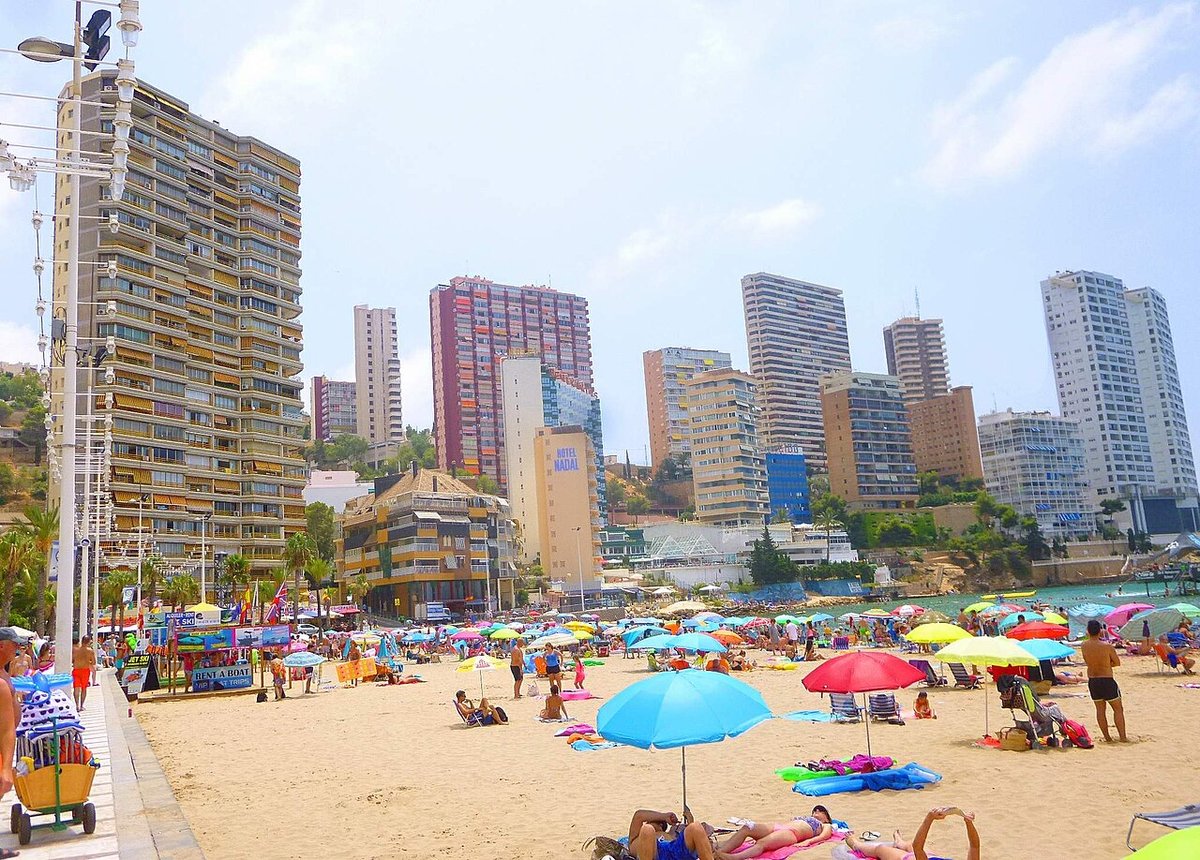
La Cala de Finestrat es una interrupción arenosa en un litoral mayoritariamente rocoso. Desde el pueblo interior, varias pistas y senderos descienden hasta ella. Es posible enlazar una caminata por la Font del Molí con un descenso a la costa en una misma jornada.
Para llegar, lo más directo es tomar la A‑70 desde Alicante y enlazar con la CV‑770. En el casco antiguo conviene aparcar en las zonas bajas y continuar a pie; las calles son estrechas y muchas son peatonales. En la cala hay aparcamiento, pero suele completarse en verano.
La primavera y el otoño temprano son los mejores momentos para caminar por el monte. El verano concentra la actividad en la costa, mientras el pueblo alto se vacía. En invierno, a veces se ve nieve en la cumbre del Puig Campana, y el olor a leña quemada se cuela por las callejas.