Full Article
about La Nucia
Sports city; modern municipality with top-notch sports facilities and a well-kept old quarter.
Hide article Read full article
La Nucia: El pueblo que se inventó un futuro entre raquetas y arroces
La Nucia es como ese compañero de trabajo que, de repente, anuncia que se ha inscrito a un triatlón. Por fuera parece un pueblo más de la Marina Baixa, con su casco antiguo recogido y sus calles tranquilas. Pero luego te enteras de que tiene una ciudad deportiva del tamaño de un barrio entero y que por allí pasan equipos internacionales a entrenar. La cosa cambia.
No es el típico destino rural. Si vienes buscando postal perfecta de piedra y silencio absoluto, probablemente no sea tu sitio. Pero si te pilla de paso hacia la costa o te apetece ver algo distinto a lo de siempre, tiene su punto.
Un estadio en lugar de un museo
Lo primero que llama la atención es el Ciudad Deportiva Camilo Cano. La cifra exacta de hectáreas importa menos que la sensación cuando estás dentro: es enorme. Pistas de atletismo, velódromo, campos de fútbol, pabellones… parece el campus de una universidad americana, no las instalaciones municipales de un pueblo de 19.000 habitantes.
Este complejo le ha dado a La Nucia una personalidad propia. Mientras otros pueblos miran hacia Benidorm con envidia playera, aquí apostaron por atraer a deportistas. En invierno es normal ver equipos nórdicos haciendo pretemporada bajo el sol. Es una estrategia rara, pero les funciona.
Junto a los campos está el Auditorio del Mediterráneo, que programa ópera y conciertos. Ver carteles así en un municipio de este tamaño sorprende, la verdad. Es como si el pueblo hubiera decidido ser grande en todo menos en extensión.
Un casco antiguo sin pretensiones
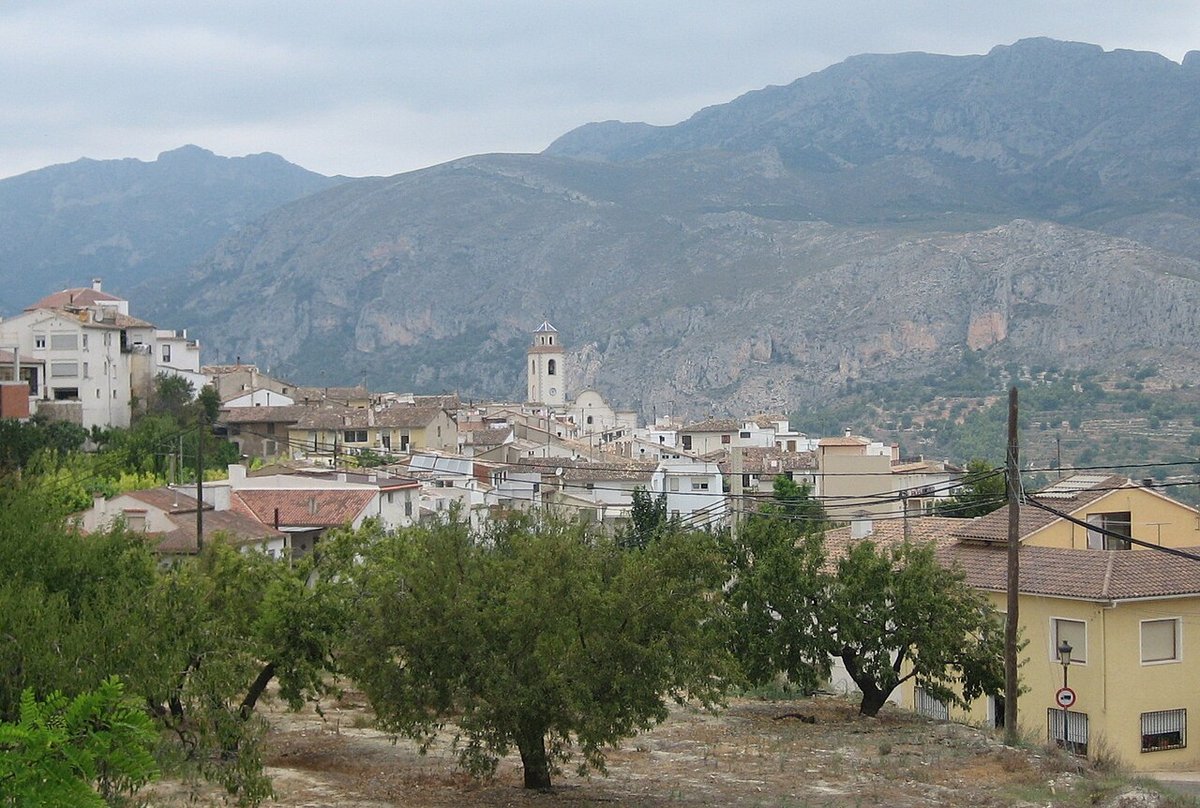
El núcleo histórico es pequeño. De esos que se recorren en media hora sin prisa. Las calles son estrechas y las casas bajas, lo que queda del pueblo agrícola que fue antes de descubrir los beneficios del deporte federado.
La torre campanario del siglo XVIII marca el centro visualmente; la ves desde varios puntos. Al lado está “el Chalet”, una casa colonial reconvertida en oficinas municipales que parece el decorado de una película del oeste americano plantado aquí por error.
No esperes un conjunto monumental perfectamente restaurado. Esto es un lugar donde vive gente, con coches aparcados y tendederos en algunas ventanas. Tiene más de práctico que de escenográfico.
La subida engañosa a la Capelleta
Desde el pueblo, la Capelleta de San Rafael parece al alcance de la mano, ahí arriba en el cerro. Los 700 metros se hacen largos porque casi todo es cuesta arriba.
La ermita en sí es sencilla, del siglo XIX. Lo bueno está al llegar: una vista amplia del valle y, al fondo, la línea azul del mar. No hay mirador con barandilla ni paneles informativos; solo la terraza natural de la loma. Es un buen sitio para parar cinco minutos y orientarte.
Comer como se ha comido siempre
En los bares y restaurantes locales notarás que la carta huye de lo gourmet para aferrarse a lo tradicional. Son platos hechos con lo que había:
- Pilotes de dacsa: unas bolas hechas con harina de maíz, que suelen servirse con verdura o en caldo.
- Minxos: una masa fina rellena con lo que dé la temporada –acelgas, espinacas– típica de toda la comarca.
- Arròs cuinat: un arroz contundente con legumbres y hortalizas, el tipo de comida que se hacía para aprovechar lo de la despensa.
No son platos para Instagram; son para llenar bien a mediodía después de trabajar (o entrenar).
Cómo moverte por aquí
No necesitas mucho tiempo. Una mañana basta para caminar por el casco antiguo y subir hasta la capelleta si te apetece caminar. Si hay algún evento o competición deportiva, acércate por la ciudad deportiva; verla llena da otra dimensión al lugar.
Si coincides en domingo, hay un rastro en una avenida principal con ese aire caótico y familiar donde puedes encontrar desde herramientas viejas hasta ropa.
Las fiestas patronales son a mediados de agosto y le dan otro ritmo al pueblo, con música y gente por las calles. Suele montarse también un mercado temático alrededor del día del municipio.
¿Merece una visita? Depende. Si tu plan es playa y chiringuito todo el día, quizá no. Pero si vas por la autovía hacia Benidorm o Alicante y quieres estirar las piernas viendo algo diferente –un pueblo que decidió ser algo más– entonces sí. Es esa parada tranquila donde tomarte un café mientras piensas: “Vaya, esto no me lo esperaba”.