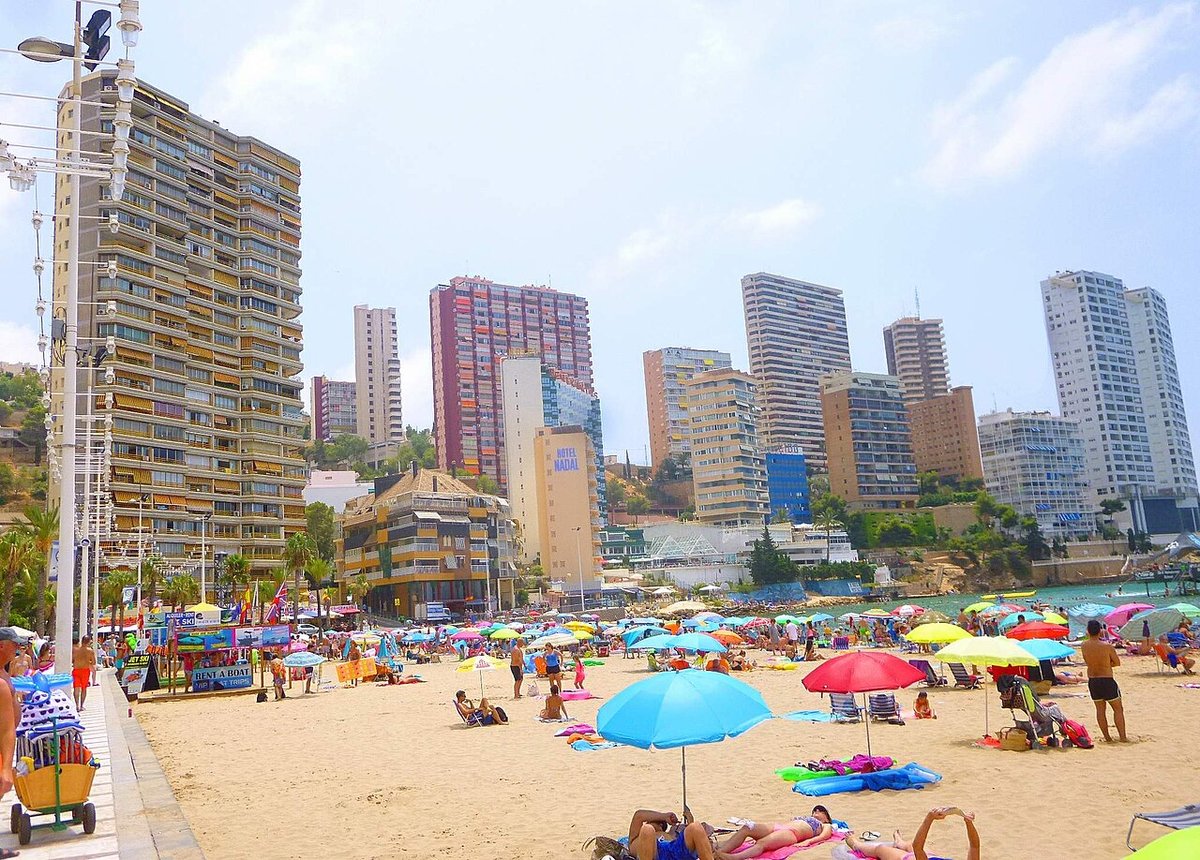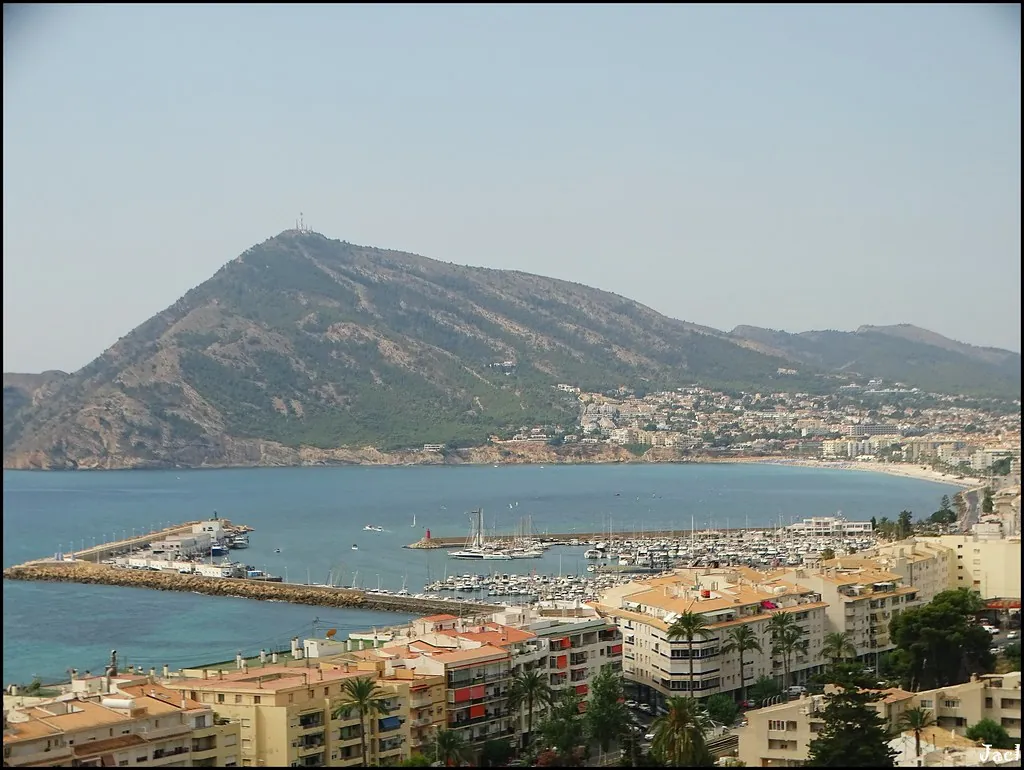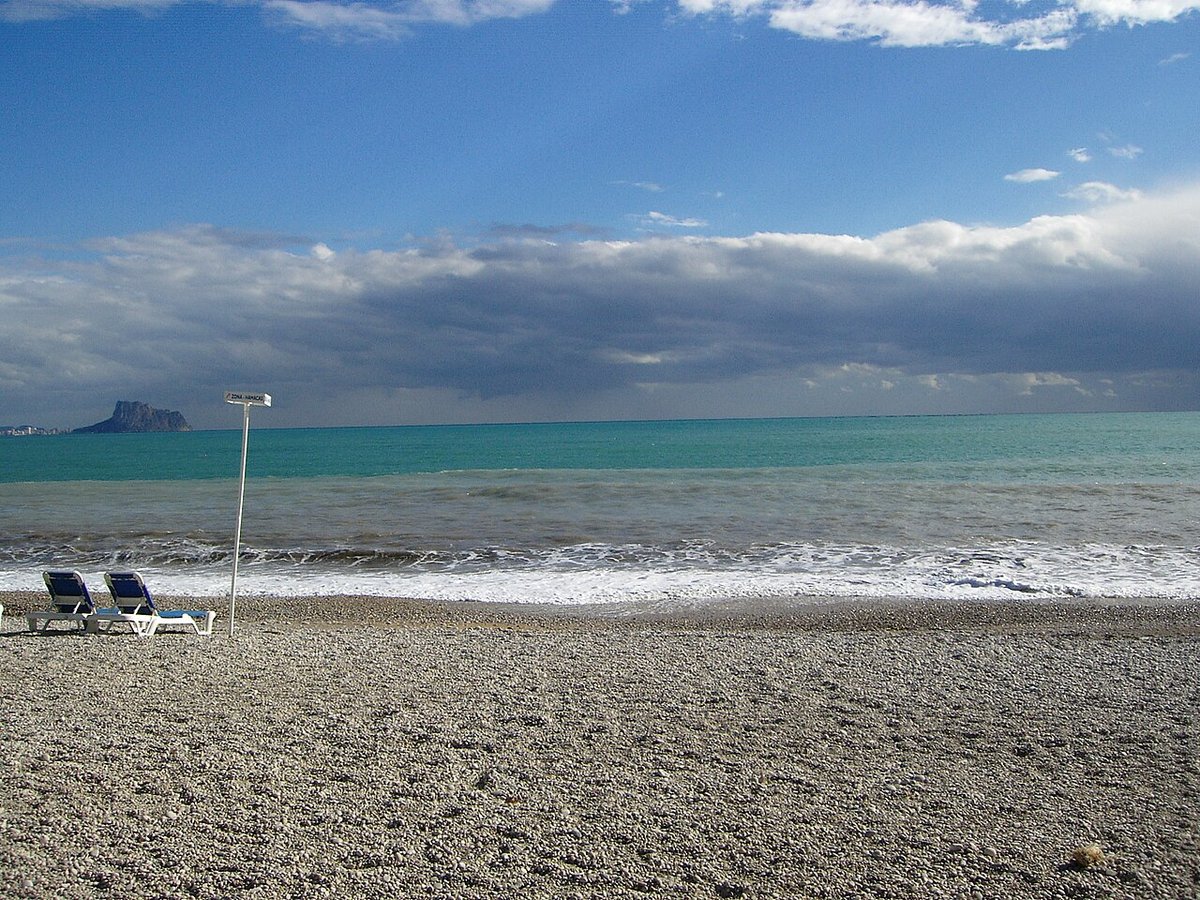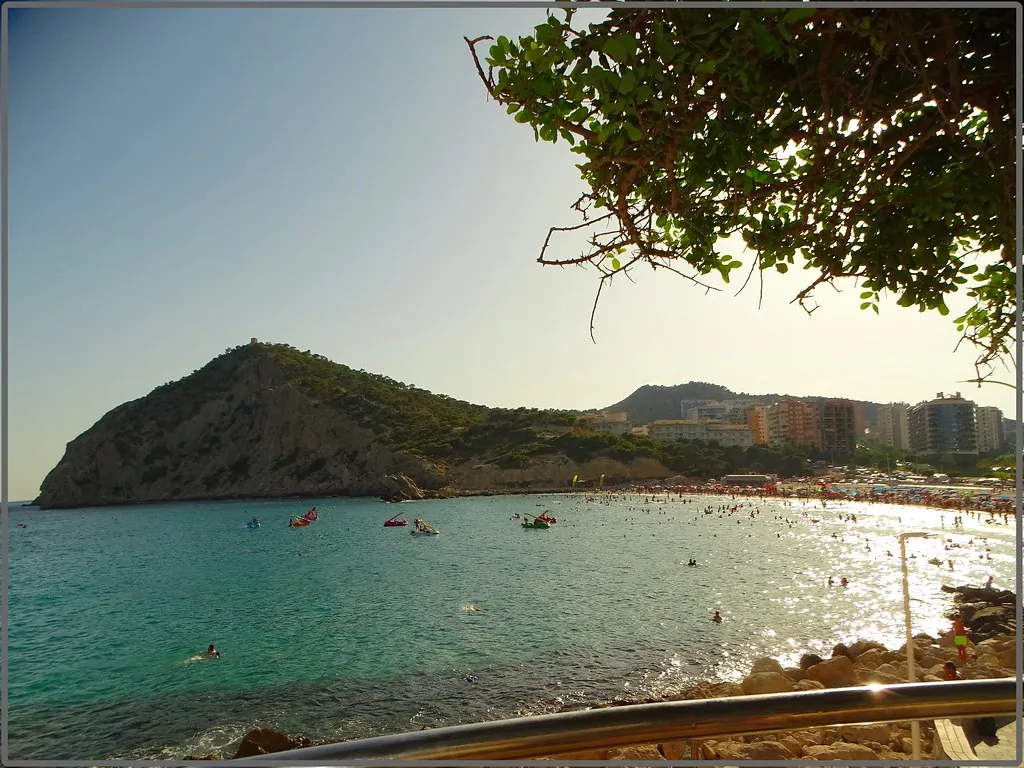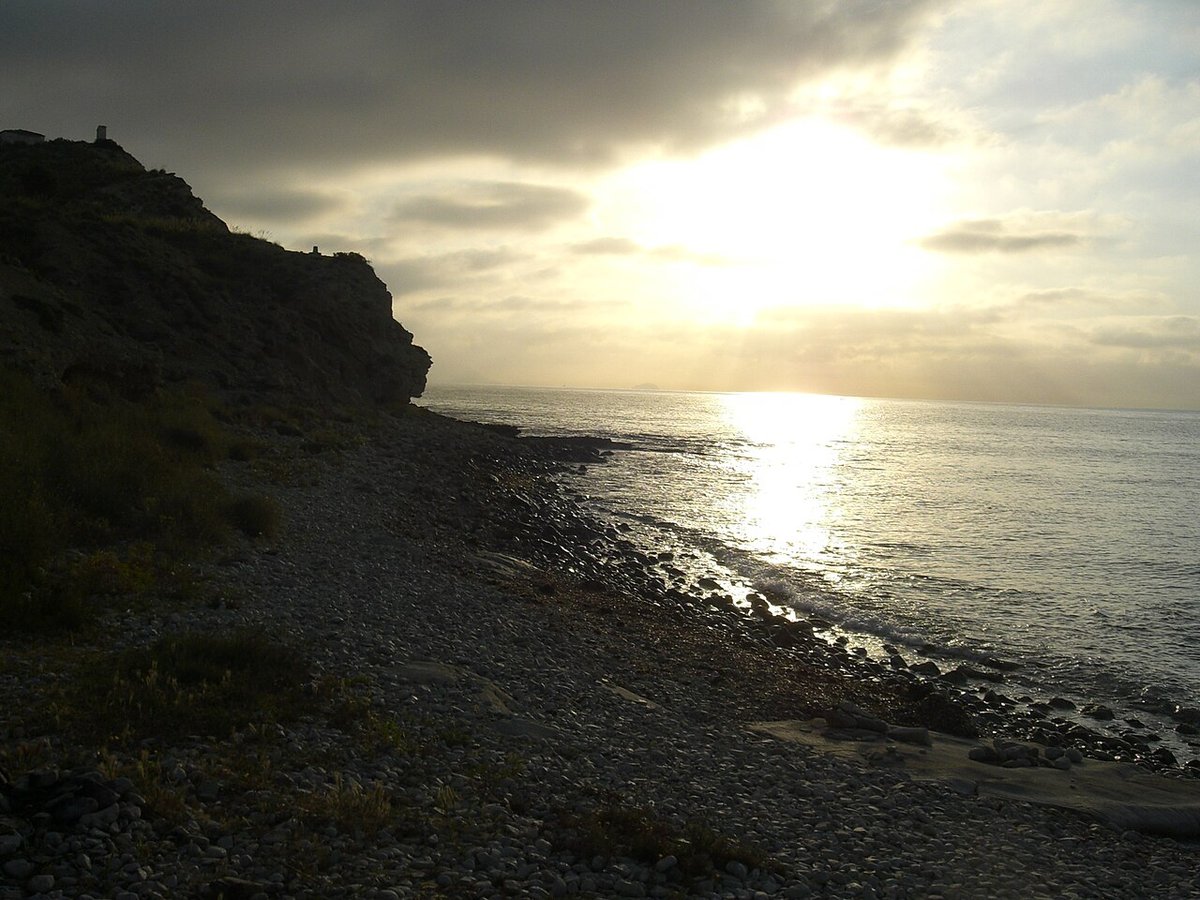
Cala carritxar.JPG
po.psi.que · Flickr 5
Comunidad Valenciana · Mediterranean Light

La Vila Joiosa

The first thing you notice from the tram window is a wall of sherbet-coloured houses squeezed between the railway line and the sea. They are not sh...

37,449 inhabitants · INE 2025
27m Altitude
Coast Mediterráneo

Why Visit

Coast & beaches Colorful houses Visit chocolate museums

Best Time to Visit

summer

Moors and Christians (July) julio

Things to See & Do
in La Vila Joiosa

Heritage

  • Colorful houses
  • Valor Factory/Museum
  • Renaissance walls

Activities

  • Visit chocolate museums
  • Seaside promenade
  • Moorish landing

Festivals
& & Traditions

Fecha julio

Moros y Cristianos (julio)

Las fiestas locales son el momento perfecto para vivir la autenticidad de La Vila Joiosa.

Full Article
about La Vila Joiosa

Historic capital of the Marina Baixa; known for its colorful houses and chocolate.

Ocultar artículo Leer artículo completo

The first thing you notice from the tram window is a wall of sherbet-coloured houses squeezed between the railway line and the sea. They are not shy pastels—these are full-volume peach, pistachio and violet, painted so fishermen could pick out their own balconies as they sailed home. La Vila Joiosa (simply “La Vila” if you ask a local) makes no apology for brightness; the town has been tinting its façades since the 1700s, long before Instagram colour palettes were invented.

A working harbour that happens to be photogenic

Step off at La Vila station and the Mediterranean is ten metres away, separated only by a low sea wall and a row of fish restaurants that smell of charcoal and garlic by 11 a.m. The harbour still functions: small blue-and-yellow boats unload boxes of sardines at 07:30 each weekday, auctioned in the lonja behind the promenade. If you arrive early enough you can watch the catch change hands, then eat the same fish three hours later at one of the beachfront cafés for €8 a plate. Prices rise sharply within sight of the coloured houses, so wander two streets inland to Plaza de la Generalitat for menus that locals recognise.

The beaches are urban rather than wilderness. Playa del Centro is a five-minute barefoot shuffle from most hotels; its sand is groomed daily and the water shelves gently, which suits families but keeps serious swimmers close to shore. Walk ten minutes south-east and you reach coves where rock ledges give snorkellers something to look at besides each other’s ankles. Even in mid-August the sand is busy, not rammed—Benidorm absorbs the worst of the crowds 12 km west.

Chocolate, pirates and a church built like a bunker

Behind the seafront the old town climbs a modest hill. Streets are barely two donkeys wide, painted in the same carnival colours but faded by sun and salt. Half-way up sits the Iglesia-Fortaleza de la Asunción, a sixteenth-century church that looks more like a castle keep with a bell tower bolted on. Cannons once poked from the upper windows; now the biggest threat is the occasional cruise-ship tour group blocking the doorway. Step inside and the stonework stays deliciously cool even when outside temperatures nudge 35 °C.

La Vila’s other fortress is industrial. The Valor chocolate museum occupies a former warehouse two blocks back from the sea. A 45-minute self-guided circuit explains how cocoa arrived from Ecuador and ended up in thick Spanish drinking chocolate served with warm churros in the adjoining café. Entry is €4 and includes a voucher for the churros—effectively breakfast if you are frugal. Purists prefer the smaller Pérez family factory on the edge of town; tours run on request and finish with a slab of 70 % still warm from the conching machine.

When to come, when to stay away

Spring and late September deliver 24 °C days and sea temperatures that have had all summer to warm up. Accommodation prices drop 30 % the instant Spanish schools return in early September, yet the bars keep the same hours. Winter is mild—15 °C at noon—but tram frequencies thin out and some chocolaterías close on Mondays and Tuesdays.

The last week of July belongs to Moros y Cristianos, a festival louder and longer than Bonfire Night stretched over six days. Gunpowder salutes start at 07:00, brass bands parade until 03:00 and hotel rates double. If you enjoy organised chaos, book early; if not, pick any other week in July and you will still get fireworks, just fewer of them.

Moving on, or staying put

The coastal tram trundles north to Benidorm in 18 minutes and south to Alicante in 35; a single ticket costs €2.40 and trains run every half-hour until 22:30. Hire cars are useful only if you plan to head inland to the almond terraces of Serra de Aitana—roads are quiet, parking in town is not. Alicante airport is 35 km south; a taxi door-to-door is €55, the tram-plus-coach combo €6 but takes 90 minutes with luggage.

Hotels cluster along the promenade where the view is sea-coloured at dawn and tangerine at dusk. Expect €90 for a double with balcony in May, €140 in August. One street back, pensións charge half that and the walk to the sand takes three minutes longer. There is no five-star resort, which keeps the place honest; the closest is in Benidorm, and that is exactly where many visitors scuttle off to when they discover La Vila lacks a lap-dance bar.

Eating without the hard sell

Menus along the front are printed in four languages, but the dishes that matter need no translation: rice cooked in fish stock until it turns caramel, then topped with clams still opening from the steam; octopus grilled so quickly the edges char while the centre stays translucent. Casa Elordi, tucked behind the market, offers a nine-course tasting menu for €48 including wine—British visitors routinely call it the best-value Michelin experience on the Costa Blanca. If homesickness strikes, Marco’s beach bar will pour an Aperol Spritz over ice and let you watch BBC Breakfast on the terrace, though why travel 1,500 miles to do that remains a mystery.

Worth the detour?

La Vila Joiosa will not change your life, but it might restore your faith in coastal Spain. The town earns its living from the sea and from chocolate, not from souvenir franchises. Come for the coloured houses if you must, stay for the harbour at dawn when the only sound is gulls squabbling over yesterday’s prawn heads. Leave before the last week of July unless you enjoy marching bands at nightclub volume, and remember the tram south runs until late—handy when the chocolate museum’s final tasting proves one slab too many.

Key Facts

Region
Comunidad Valenciana
District
Marina Baixa
INE Code
03139
Coast
Yes
Mountain
No
Season
summer

Livability & Services

Key data for living or remote work

2024
ConnectivityFiber + 5G
TransportTrain 10 km away
HealthcareHospital
EducationElementary school
Housing~5€/m² rent · Affordable
CoastBeach 0 km away
Sources: INE, CNMC, Ministry of Health, AEMET

Official Data

Institutional records and open data (when available).

  • Yacimiento Arqueológico Subacuático Bou Ferrer
    bic Zona arqueológica ~2 km
  • Conjunto Histórico Artístico
    bic Conjunto histórico ~0.1 km
  • Iglesia Parroquial de Nuestra Señora de la Asunción
    bic Monumento ~0.1 km
  • Torre de Sant Josep
    bic Monumento ~3.3 km
  • Torre La Cruz
    bic Monumento ~2.2 km
  • Torre de Baix o de Xauxelles
    bic Monumento ~2.2 km
Ver más (5)
  • Torre Simeón
    bic Monumento
  • Torre La Torreta
    bic Monumento
  • Torre del Xarco
    bic Monumento
  • Murallas
    bic Monumento
  • Torre de Dalt o de la Era de Soler
    bic Monumento

Planning Your Visit?

Discover more villages in the Marina Baixa.

View full region →

More villages in Marina Baixa

Traveler Reviews