Full Article
about Relleu
Inland village with a spectacular 17th-century reservoir and dizzying walkway.
Ocultar artículo Leer artículo completo
The first thing you notice is the silence. Not the oppressive kind, but the sort that makes you realise how much background noise the coast generates. From the stone bench beside Relleu’s 18th-century church, you can hear hammers in a distant workshop, a dog negotiating the steep lanes, and—if the tramontana wind has scrubbed the sky clean—the faintest whisper of the sea 25 kilometres away.
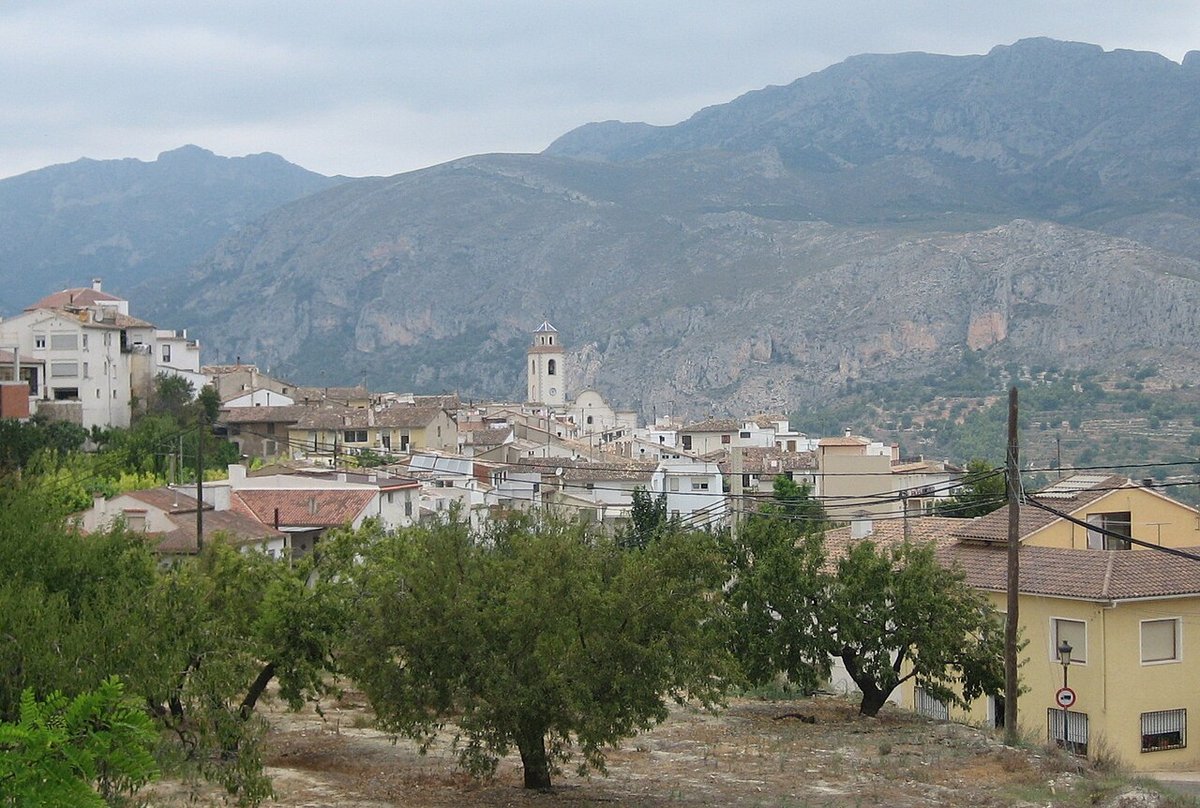
Relleu sits at 429 metres on a fold of the Serra d’Aitana, far enough from the N-332 to escape the caravan of Brits racing between Benidorm and the airport. The village proper houses barely 1,200 souls, yet its administrative boundaries sprawl across 79 square kilometres of almond terraces, rosemary-scented gullies and limestone crags. Drive in at dawn and you’ll see the place wake like a slow-moving clock: lights flick on behind green shutters, a farmer flips open the metal hatch of the village bakery, and the smell of wood smoke drifts down lanes too narrow for anything wider than a Seat Panda.
A map printed on steep stone
The urban fabric clings to the contour lines. Streets are staircases disguised as roads; anyone with dodgy knees should think taxi rather than stroll. Start at the Plaça de l’Església and work upwards: past the wrought-iron balconies where washing hangs like bunting, past the stone fonts that once supplied every household, until the alley spits you out onto the castle mound. Only knee-high walls remain of the Moorish fortress, but the payoff is a 270-degree panorama that takes in Puig Campana’s saw-tooth ridge and, on very clear days, the shimmer of the Bay of Altea.
Back in the centre, the town has resisted the coastal itch to paint everything beige. Houses are the colour of the hill behind them—honey, rust, slate—and the stone portals still carry the chisel marks of 17th-century quarrymen. Peek through an open doorway and you may catch sight of an interior patio where a single lemon tree grows in a pot painted the same cobalt as the Valencian flag.
The almond-scented hinterland
Relleu’s hinterland is criss-crossed by old mule tracks that doubled as water management systems. The most forgiving is the Ruta del Agua, a 5-kilometre loop that ambles past five restored springs. Signage is in Valencian and English, distances are metric, and the gradient rarely rises above a Cambridge cycle path. Spring walkers are ambushed by blossom; by June the same branches offer shade as you skirt dry-stone terraces built when a mule was a Ferrari.
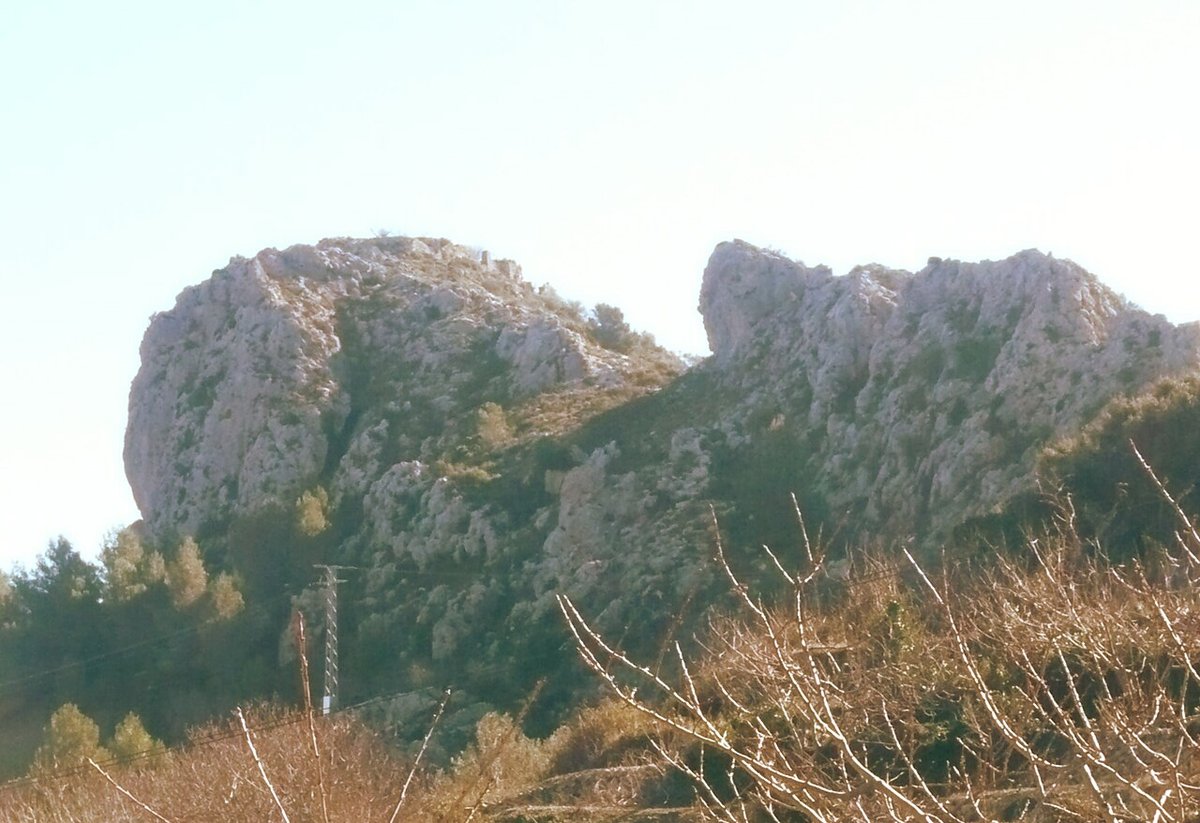
Serious boots head for the Pico de Relleu, a 715-metre summit that rears directly above the village. The path starts by the cemetery—follow the cypress trees—and climbs 350 metres in 3 kilometres, just enough to make the morning coffee taste earned. From the top you can pinpoint the coastal tower blocks, tiny as Lego, and understand why locals claim they keep both a beach umbrella and a snow shovel in the car.
The floating catwalk everyone Googles
Since 2021 the village has become shorthand for the Pasarela de Relleu, a 60-metre suspension bridge slung across the Amadorio gorge. British walking sites christened it “the Caminito del Rey of Alicante” and Instagram is now littered with selfies taken on its waist-high wire mesh. The hype is half-true: the drop is real, the wobble is gentle, and the only queue forms when a Benidorm coach unloads at 11 sharp.
Entry is €3.50, helmets are compulsory, and the gate accepts contactless. You have two choices: park at the upper dam and walk 20 minutes to the bridge, or start in the village and complete a 10-kilometre loop past olive groves and abandoned threshing circles. The short version suits families; the long version justifies the drive from anywhere west of Gatwick. Either way, arrive before 10:00 or after 15:00 to avoid the single daily bus discharging its cargo of day-trippers.
What lands on the plate
Tourism has not yet twisted the food offering into all-day English breakfasts. Mid-week lunch is still the menú del día: three courses, wine included, €14 at Bar Casa María on C/ Major. Expect gachas dulces (a cinnamon-thick pudding that sustained shepherds), rice baked with pork ribs, and local olives that arrive in a saucer slick with hill-top peppery oil. Vegetarians can ask for escalivada—smoky aubergine and peppers—but must order before the chef fires up the wood oven at 13:00.
The village co-operative bottles oil under the label “Sra. de Relleu”; the shop opposite the town hall will let you taste three vintages and decant a 250 ml bottle into hand-luggage size. If your visit coincides with January’s Matança weekend you’ll smell the outdoor pork barbecue before you see it. Tickets are sold by weight—€6 a plate—and locals are cheerfully unapologetic about the source of the morcilla.
When to come, how to get here, why you might leave
Relleu’s climate is coastal mountain: ten degrees cooler than Benidorm in July, frost possible in January. The almond bloom peaks during the last week of February; walkers book rooms a year ahead. October brings the olive harvest and the smell of stone mills; Christmas is quiet enough to hear church bells in the next valley.
You will need a car. The A-7 motorway delivers you to Villajoyosa in 30 minutes from Alicante airport; from there it’s 19 kilometres of winding CV-770. A single bus (line 20) leaves Finestrat Carrefour at 07:50 and returns at 14:00—fine for the bridge, useless for lunch. Parking is free but narrow; if you meet a builder’s van you may reverse 200 metres.
Accommodation is limited to a handful of village houses rented by the night—expect €80–€100 for a two-bedroom townhouse with roof terrace. There is no hotel, no pool, no evening strip. Night-life is a bottle of turrón liqueur on the church steps, watching the lights of the coast twinkle like a distant ferry.
Some visitors leave after two hours, content with the catwalk snapshot. Others stay for three days, filling water bottles at each spring and mapping hikes the tourist office hasn’t digitised yet. Relleu rewards the second group with something the coast has mislaid: the sense that the map still contains blank squares, and that tomorrow’s walk might not meet another soul.