Full Article
about Sella
Mountain village at the foot of Aitana; a paradise for climbers and hikers.
Ocultar artículo Leer artículo completo
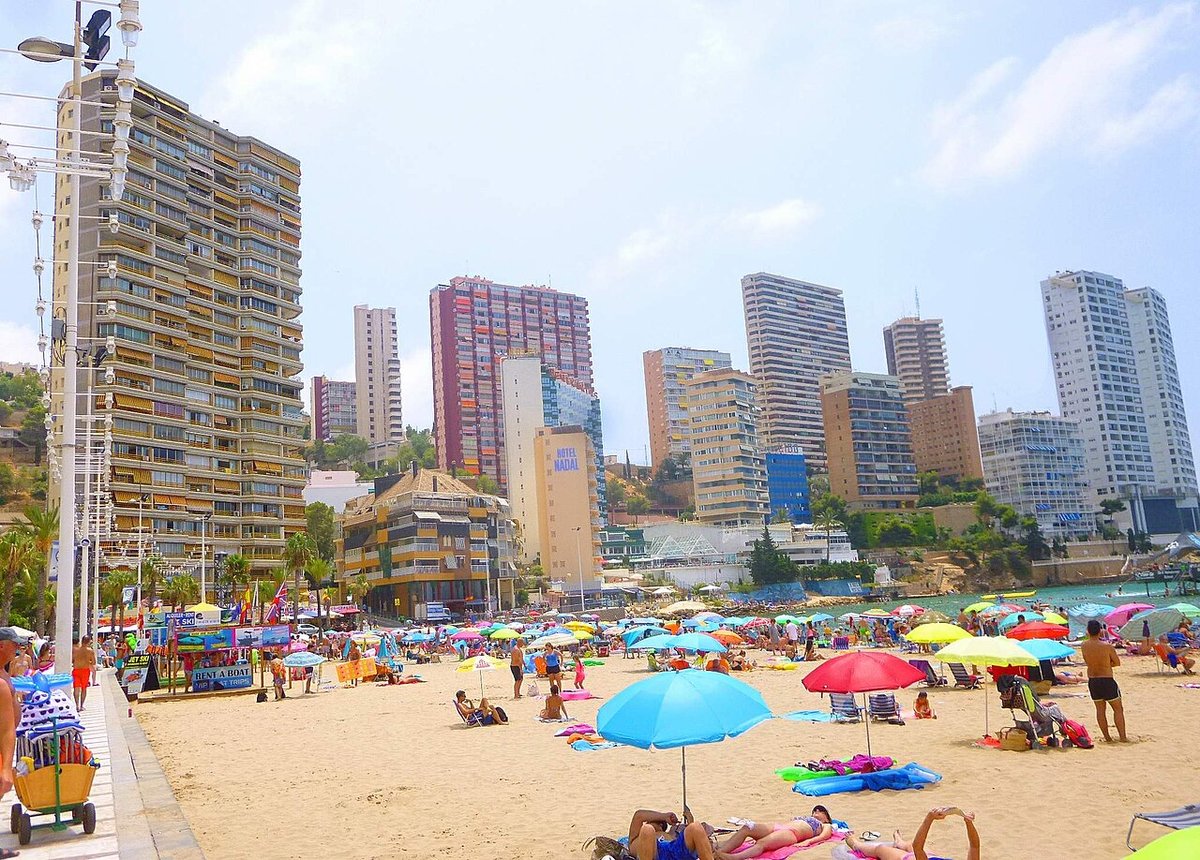
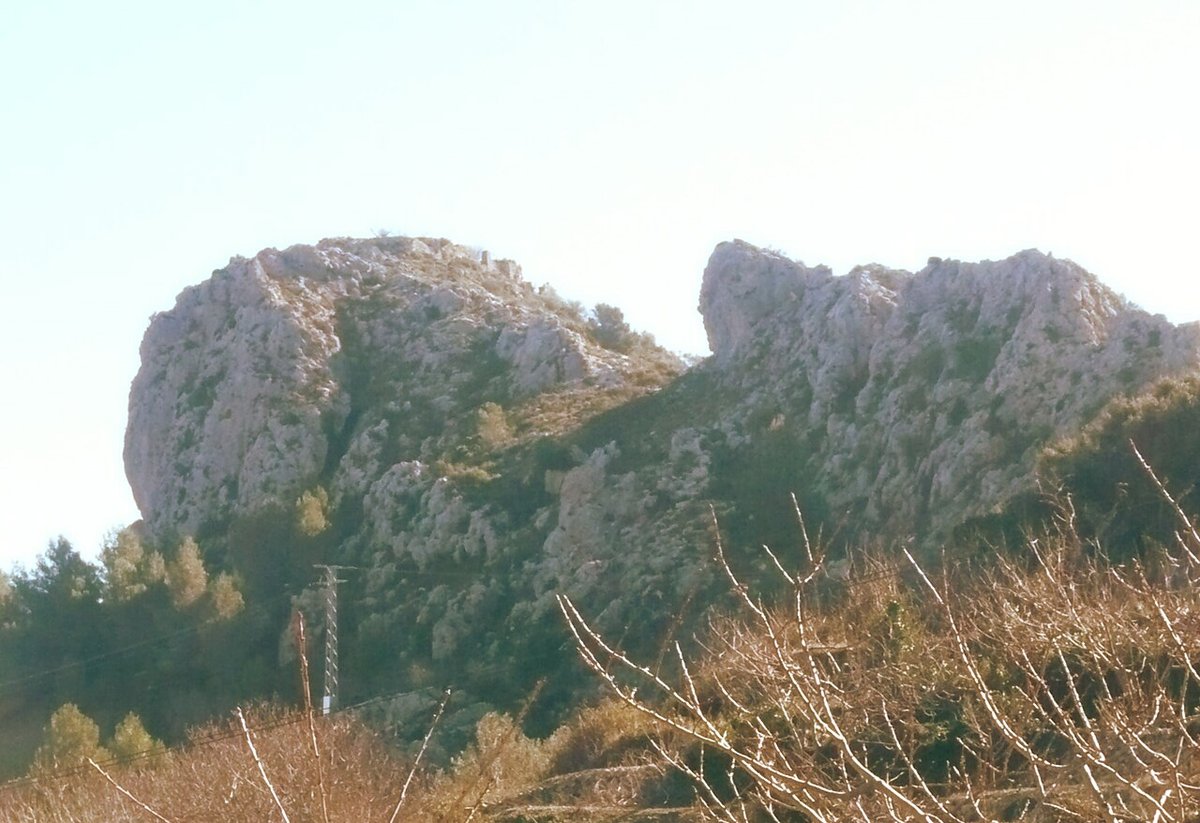
The morning sun hits the limestone cliff before it reaches the village square. By 9 am, ropes already dangle from the Cavall Verd sector while Sella itself is still waking up: metal shutters rattling open, coffee machine hissing in Bar Berna, the smell of toasted bread drifting up Carrer Major. Six hundred residents, four climbing shops, one bakery. The maths tells you straight away this isn't Benidorm.
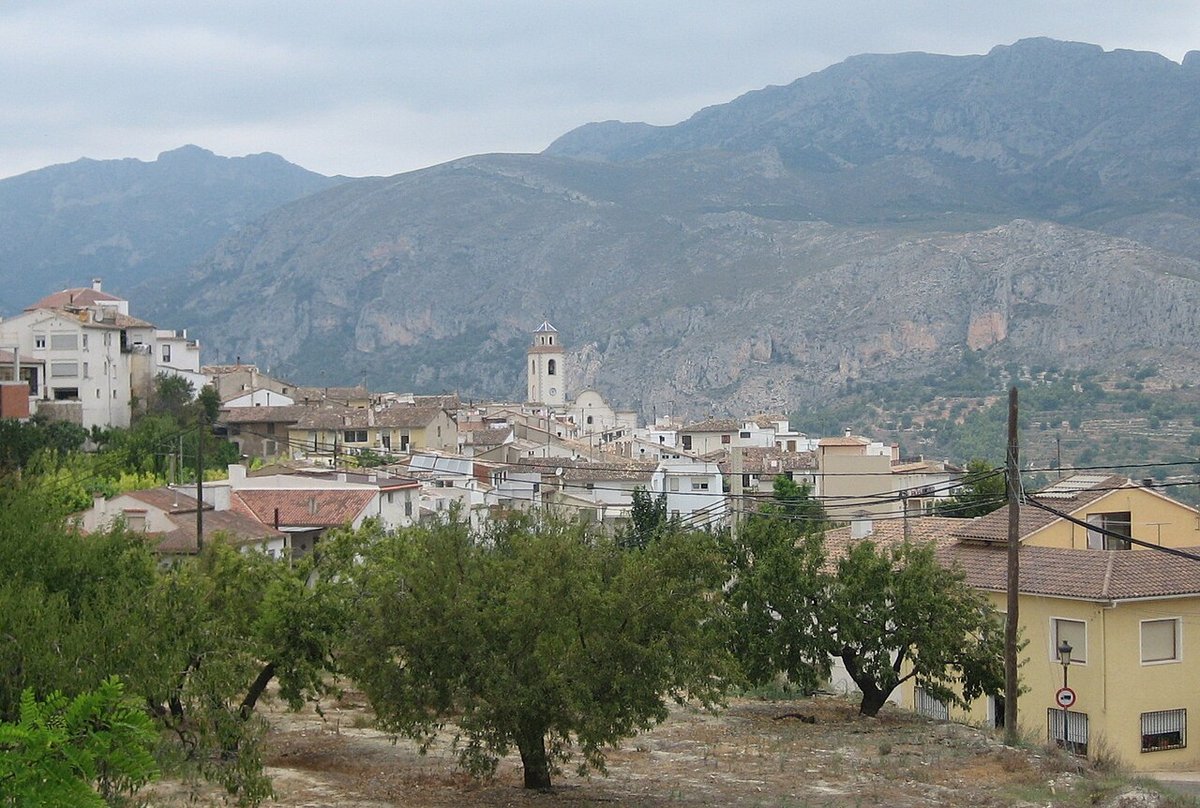
At 429 m above the Med, the village sits high enough to escape the coastal humidity yet low enough to keep orange trees alive. Almond and olive terraces stair-step down to the River Sella, their dry-stone walls patched after last winter's floods. Look east and the skyline is pure rock: the 1 558 m wall of Aitana, Alicante's rooftop. Turn west and, on very clear days, you can pick out the thin white stripe of Villajoyosa beach twenty-five kilometres away. The contrast is useful: if the coast is jammed, chances are the air up here is still empty.
Roads that coil, paths that dip
Most British visitors arrive on the CV-770 from Villajoyosa. The tarmac twists through pine and carob for thirty-five minutes; leave the sea behind at kilometer 12 and you won't see it again until the return leg. Petrol stations vanish after Orxeta, so fill up. Coaches can't manage the hairpins, which keeps the crowds down but also means public transport is basically two buses a day—one at dawn, one after school. Hire cars rule; motorbikes love the bends.
Park at the signed mirador on the way in: from the safety barrier you get the classic postcard shot (yes, one is allowed) of terraced fields scribbled across a ravine. The village proper begins immediately after the 30 km/h sign—no dramatic gateway, just houses leaning into the hill as if bracing themselves against the tramontana wind.
Stone, bread and early nights
Sella's architects worked with what slipped down the mountain: tawny limestone, clay roof tiles, timber painted the colour of paprika. The 18th-century church of Sant Pere squats at the top of the slope; its bell still marks the hours for farmers who haven't set a watch in decades. Inside, a single Baroque retable glimmers with gold leaf that pirates once tried—and failed—to nick. Five minutes is plenty, unless you drop a euro in the box and the caretaker appears, eager to explain the 1754 storm that smashed the dome. Politeness requires at least ten.
House façades are mixed stock. Some retain Gothic doorways recycled from an earlier chapel; others wear 1970s breeze-block extensions that the local council now regrets. The overall effect is lived-in, not manicured. Washing lines zig-zag across the lanes; cats own the doorsteps. Expect gradients of 1 in 5 everywhere—those with dodgy knees should bring sticks.
Climbers' larder
By 11 am the first climbers trail back into the square, chalk still on their backs. They head for Bar Berna where Maria doles out coca amb tonyina—a thin pizza-dough base slicked with tomato, tuna and a whisper of anchovy, sold by the square. One portion costs €2.20 and folds neatly into a rucksack lid. Thirstier types order café amb llet, essentially a Spanish flat white; ask for a "latte" and you'll pay for an over-milky afterthought.
Serious refuelling happens at lunchtime. The olleta de blat arrives as a clay bowl of wheat berries, beans, morcilla and whatever greens the cook found at the morning market. It's rib-sticking, ideal if you've spent the morning on the PR-CV 56 footpath which climbs 500 m to the Aitana ridge. Don't expect a children's menu; the nearest chicken nugget is probably back on the beach.
Limestone playgrounds
Roughly 450 bolted routes radiate from the village, from 3+ slabs perfect for beginners to 8b+ roofs that drip with stalactites. British guidebooks call the place "user-friendly" because most crags are five to fifteen minutes' walk from the car, and the rock dries within hours of rain. Classic starters include Cavall Verd Left (f4) and Espolón Central (f5). Bring a 60 m rope, 12 quick-draws and a helmet—limestone is prone to dinner-plating when it heats up.
Not a climber? The same paths double as hiking loops. The short Ruta de les Fonts ambles past five stone fountains in 4 km, shady enough for July. The full Aitana circuit is 14 km return and needs 700 m of ascent; on weekdays you may meet only goatherds and the occasional RAF pilot on low-level training flights whooshing through the valley. Start early: by 2 pm the thermometer can nudge 38 °C even at this altitude.
When the mountain parties
Late June brings the Festa de Sant Pere, three days when the population quadruples. Brass bands march at 1 am, fireworks echo off the cliff, and someone always ends up in the fountain. August adds the Virgen de los Desamparados procession: residents deck the streets with rosemary branches and hand out sticky mistela shots to strangers. December's living Nativity is more subdued—actors in tea-towel headdresses lead a donkey through the alleys while the village generator hums in overdrive. Visitors are welcome, but accommodation is non-existent; most roll back to the coast after midnight.
Honest drawbacks
Sella shuts early. By 10 pm the only sound is the church bell and the odd dog. If you crave nightlife, Alicante city is fifty minutes away—designate a driver; Guardia Civil checkpoints appear without warning on the descent. Mobile reception is patchy inside stone houses; download offline maps before you leave Villajoyosa. There are no cash machines; the bakery accepts cards but the bar prefers cash. And remember the name confusion: Muntanya la Sella near Jávea is a golf resort seventy kilometres south—programme the wrong destination into the sat-nav and you'll miss your climbing slot entirely.
Heading down
Check-out is easy: settle the bar tab, tip the baker if she wrapped your sandwiches, and coast down the CV-770 with the windows open. The temperature rises a degree every kilometre; pine gives way to palm, and suddenly you're back among beach umbrellas and English breakfast flyers. Sella doesn't mind the brief invasion—it will prune the almonds, repair another wall and wait for the next batch of chalk-dusted visitors who arrive just after the sun hits the cliff.