Full Article
about Benicàssim
Top-tier tourist destination known for its music festivals and modernist seaside villas; pairs quality beaches with the natural landscape of the Desierto de las Palmas.
Ocultar artículo Leer artículo completo
The first surprise is the sand. It’s so fine it squeaks underfoot, more like caster sugar than the shingle most Brits associate with Spanish beaches. Six kilometres of it curve north from the yacht club, backed by a promenade that feels like a film set: rows of Belle-Époque villas painted strawberry, vanilla and pistachio, their iron balconies twisted into swirls and sea horses. One has a turret straight out of a Tintin cartoon; another hides a garden of agaves and marble lions you can glimpse through the railings. This is the Voramar, the summer playground built by Valencian textile barons who arrived in the 1880s determined to create their own “Biarritz of the Levant”. The nickname stuck, even if the money didn’t last.
Walk east at 8 a.m. before the sun climbs the Desert de les Palmes ridge and you’ll share the paseo with dog-walkers, elderly couples in Sunday tweed and the odd triathlete rinsing off in the beach showers. By 10 a.m. the sand is already filling with neat grids of umbrellas rented for €12 a day; by August midday the human density rivals Bournemouth on a bank holiday, only with better ice-cream—turron and toasted-hazelnut flavours from the kiosk that never seems to close.
Between monastery and music
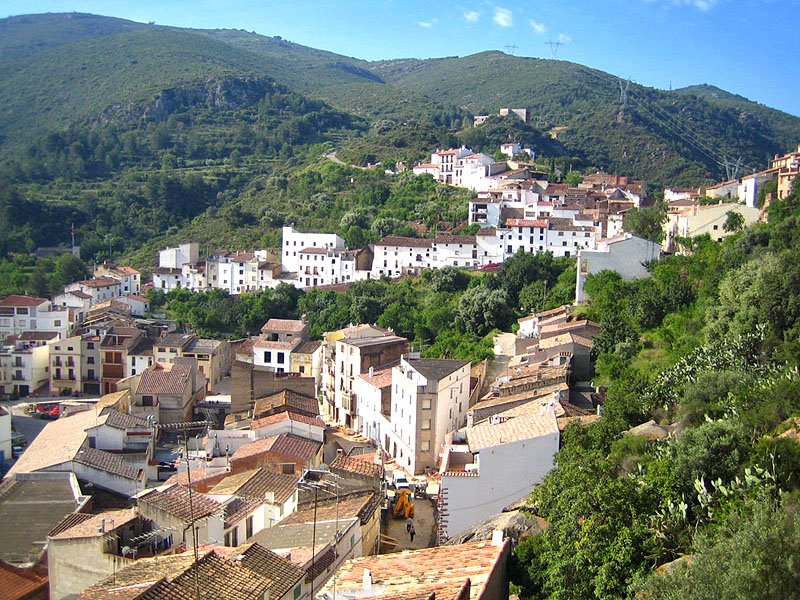
Turn inland at the palm-lined roundabout and the atmosphere shifts. The modernist fantasy dissolves into low white houses, lines of washing strung across balconies, and the 18th-century church of Sant Tomàs rising above a square the size of a tennis court. Inside the baroque doorway the air smells of candle wax and floor polish; outside, teenagers practise kick-flips to a soundtrack drifting from the skate park hidden behind the market. This is the village that existed long before the festival wristbands and all-night bus shuttles.
Yet even here the annual invasion is impossible to ignore. Mid-July brings the Festival Internacional de Benicàssim—FIB to the 50,000 mostly British, French and Spanish twenty-somethings who treat the place as a giant campsite with a soundtrack. They pay €195 for four days of indie and electro, sleep in cordoned-off car parks where phone chargers are currency, and discover too late that the bar operates only with pre-paid cards that leave unspent euros stranded. Security reports from 2024 mention nightly thefts from tents; veterans now book proper sites such as Camping Benicàssim or Villasol, 20 minutes’ walk from the main gate, where a patch of grass, hot shower and locker cost €25 a night but your passport stays where you left it.
If guitars and dust clouds aren’t your holiday style, aim for late September instead. The patronal fiestas honour the same Saint Thomas with processions, brass bands and paellas cooked in the street for anyone holding the right coloured ticket. Hotel rates drop to half the July peak; you’ll still need earplugs, but only for the fireworks that start at 2 a.m. and finish with a beach display reflected in the wet sand.
Up the green corridor
Behind the church a narrow lane climbs past vegetable plots wired against rabbits. Within ten minutes the drone of the N-340 is replaced by cicadas and the smell of pine resin. This is the access track to the Desert de les Palmes Natural Park, a 3,200-hectare ridge that shelters the town from northern storms and earns Benicàssim its other life as a walking base. The paths are way-marked but not way-busy: follow the red-and-white stripes from the Cartuja gate and you’ll reach the ruined Carmelite monastery in 45 minutes, its stone arch framing the coastline like a charcoal drawing. Carry on another hour to Bartolo peak (729 m) and you can watch the afternoon sea breeze smudge the horizon, while down below the orange roofs shrink to toy-town size.
Winter mornings can be sharp up here—4 °C in January—yet the coast below still hits 16 °C at midday, a climatic split that lets locals pick strawberries in the valley and hunt for mushrooms on the ridge in the same weekend. Summer walkers should start early; there is no café on the mountain and shade is scarce once the sun tops the saw-toothed crest.
Rice, rabbit and rock pools
Back at sea level, lunch options divide neatly along language lines. British-run bars advertise all-day breakfasts and Tetley's on tap; Spanish terraces stick to menu del día—three courses, bread, wine and coffee for €14. The local speciality is arròs a banda, rice cooked in fish stock and served first as soup, then as dry paella; the flavour is smoky rather than saffron-heavy, thanks to ñora peppers dried on farmhouse roofs inland. Try it at Hotel Voramar’s restaurant, where the dining room still has its 1930s parquet and waiters wear white jackets even at Sunday breakfast.
If you prefer something you can eat barefoot, track down the tiny chiringuito at the far end of Almadrava beach. They fire a portable paella pan at 1 p.m. sharp, ring a ship’s bell when it’s ready, and serve portions until the rice scrapes bottom—usually within 20 minutes. Their other dish is sepia a la plancha: cuttlefish scored into squares, grilled for 90 seconds a side, splashed with lemon and eaten with toothpicks that turn your fingers silver.
Evening entertainment is gentler than the festival might suggest. The old railway line has been resurfaced as the Vía Verde del Mar, a 5-km cycle path that tunnels through sandstone cliffs and emerges at Torre San Vicente, a 16th-century watchtower surrounded by rock pools. Hire a bike in town for €10 a day and you can reach it in 25 minutes, swim, then freewheel home as the sun sets behind the citrus groves. Lights are optional; the whole route glows with motion-sensor LEDs that switch on as you pass.
When to come, when to stay away
May and late October are the sweet spots. Temperatures sit in the low 20s, the sea is warm enough for a quick dip, and hotels on Sant Tomàs street offer doubles for €65 including underground parking—vital if you’ve hired a car, because the blue-zone meters clog up by 9 a.m. and the free spaces beside the cemetery fill with vans belonging to surfers working the autumn swell. November can bring a week of gales that whip the sand against your shins; April occasionally dumps a month’s rain in three days, turning the usually dry riverbed into a torrent that sweeps deckchairs out to sea.
Come February, the town closes in on itself. Half the villas are shuttered, the British bar on the corner posts opening hours “if the weather’s nice”, and the evening paseo is a single file of locals in quilted coats. It’s peaceful, but you’ll need Spanish to order coffee and patience when the only supermarket shuts for siesta. On the other hand, you’ll have the modernist façades to yourself—and that squeaking sand, stretching empty under a winter sun that feels like a private secret.