Full Article
about Benlloch
A farming town in the heart of the province, known for its wine and olive oil and for sitting at the crossroads of old routes.
Ocultar artículo Leer artículo completo
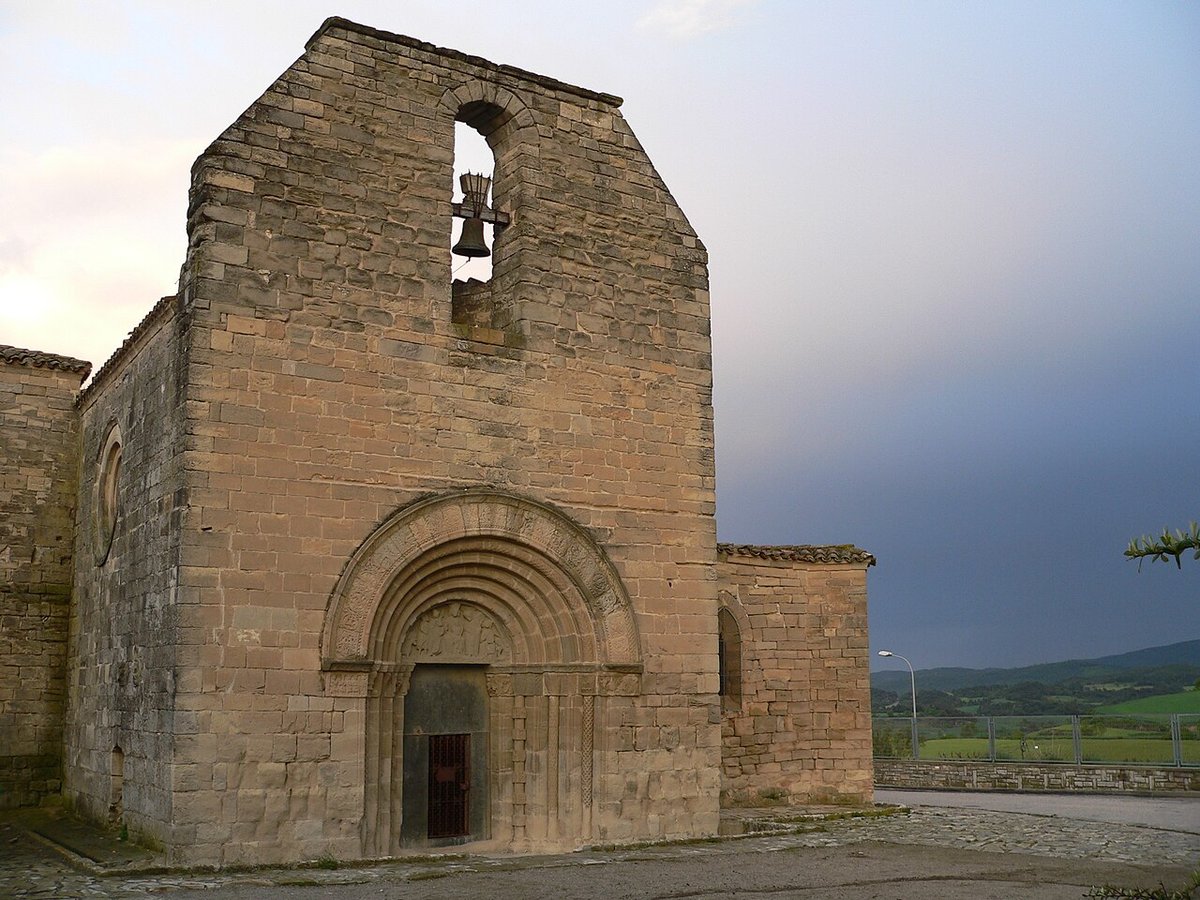
The morning sun catches the stone façade of the Iglesia de la Asunción as a farmer guides his tractor through Benlloch's narrow streets. It's 8:30 am, and the only other sound is the church bell marking the hour. This is rural Spain without the soundtrack of English voices or the scrape of suitcase wheels across cobblestones.
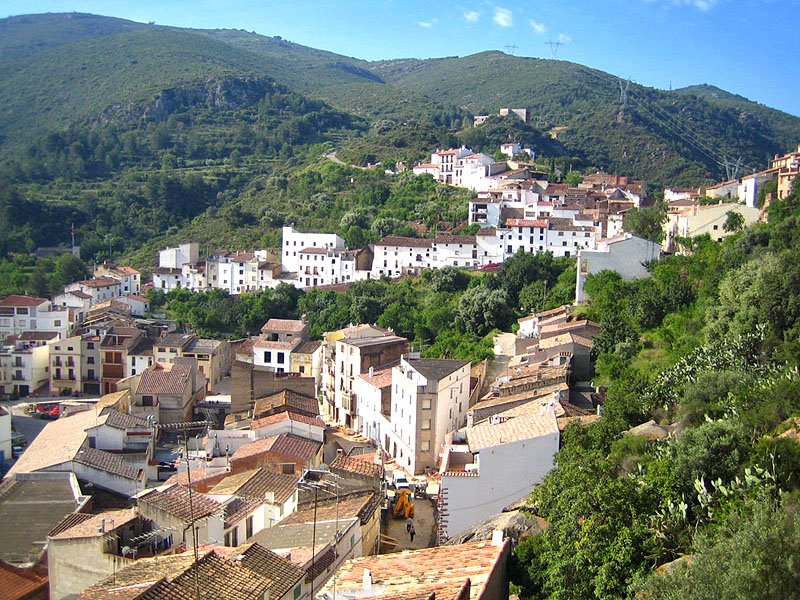
At 315 metres above sea level, Benlloch sits in that sweet spot between Valencia's coastal plain and the mountainous interior. The village proper houses just over a thousand souls, though the wider municipality stretches across olive groves and almond orchards that have sustained families for generations. Here, agriculture isn't heritage—it's Tuesday's workload.
The Lay of the Land
The approach from Castellón de la Plana tells you everything. Twenty-five kilometres inland, the CV-10 motorway gives way to country roads where wheat fields replace beach umbrellas. The landscape rolls rather than soars, creating a patchwork of cultivation that changes colour with the seasons—green after winter rains, golden during harvest, silver-green from the omnipresent olive trees.
This elevation matters. Summer temperatures hover five degrees below the coast, making July and August manageable rather than brutal. Winter mornings can dip to freezing, and the mist sometimes pools in the valleys below, leaving Benlloch's stone houses floating above a white sea. Spring arrives later than coastal resorts but lingers longer, stretching blossom season through April and May.
The village itself clusters around a modest hill. Streets radiate from the church, their gradient just steep enough to make you reconsider that third helping of paella. Traditional stone houses—some dating to the 17th century—sit alongside more recent additions, though 'recent' here means anything built after Spain joined the EU.
Working Village, Working Landscape
Benlloch's economy runs on agriculture, not tourism. The weekly market sells vegetables grown in nearby plots, not imported souvenirs. The town's two bakeries open at 6 am to serve workers heading to the fields, not hungover holidaymakers. This authenticity has its drawbacks: don't expect English menus, guided tours, or someone to explain the difference between jamón serrano and jamón ibérico.
The surrounding countryside offers gentle walking rather than dramatic hiking. Farm tracks weave between olive groves, following dry stone walls that predate your grandfather's grandfather. The olive harvest in November brings tractors and families into the fields, creating a seasonal rhythm that governs life here. Spring brings wild asparagus along the verges—locals guard their favourite spots with the same intensity a British gardener protects their prize roses.
Bodega Mas de Rander, just outside the village, produces wine from grapes grown in these mineral-rich soils. Their Saturday morning tastings require booking ahead—phone calls work better than emails, and Spanish helps though isn't essential. The wines reflect the terroir: robust reds that pair with the local cured sausages, crisp whites that cut through the region's excellent olive oil.
What Actually Happens Here
The church bell strikes twelve, and Benlloch's soundtrack changes. Doors open, voices carry across the narrow streets, and the bar on Plaza Mayor fills with workers grabbing a menu del día. This is Spain's agricultural timetable, not the tourist version. Lunch runs from 1:30 to 3 pm, dinner happens after 9 pm, and the siesta—contrary to popular belief—remains sacred for those whose day started in the fields at dawn.
The village's modest architectural heritage rewards the curious rather than the checklist traveller. The Iglesia de la Asunción blends Gothic foundations with Baroque additions, its bell tower serving as both timekeeper and landmark. The public laundry, built where a natural spring emerges, functioned as the village's social media hub well into the 1980s. Elderly residents still nod towards it when explaining courtships, arguments, and marriages that played out over suds and scrubbing boards.
Festival calendar revolves around agricultural and religious cycles rather than tourist convenience. August's Fiesta de la Virgen de la Asunción brings returning families, temporary fairground rides, and street parties that continue until the small hours. January's San Antonio Abad blesses animals—expect to see everything from prize bulls to pet Labradors waiting patiently outside the church. These aren't folkloric displays for visitors; they're continuations of traditions that matter to people whose address reads 'Benlloch' on their national identity cards.
The Practical Reality
Getting here requires wheels. Public transport exists in theory—a twice-daily bus from Castellón—but operates on Spanish rural time, meaning schedules change seasonally and without warning. Car hire from Valencia or Castellón airports provides flexibility, though remember this is wine country. The drive takes 35 minutes from Castellón, longer from Valencia, through countryside that gradually sheds coastal development.
Accommodation options remain limited. No hotels operate within the village; nearby rural guesthouses offer rooms from €60-80 per night, breakfast included. Booking ahead essential during festival periods, when returning families snap up available beds. Alternative bases include coastal towns like Benicàssim or Peñíscola—both twenty-five minutes drive—though staying elsewhere misses the dawn-to-dusk rhythm that defines Benlloch.
Restaurant choices reflect village demographics rather than international tastes. Two bars serve traditional Valencian food: think lentils with chorizo, rabbit paella, locally-cured sausages. Portions run large, prices stay small—expect €12-15 for a three-course menu del día including wine. Vegetarian options exist, though requesting vegan dishes produces the same bewilderment you'd encounter asking for steak in a Cotswold tea room.
When to Come, When to Stay Away
April through June offers ideal conditions: temperatures in the low twenties, countryside green from spring rains, daylight stretching until 9 pm. September and October bring harvest activity, wine tastings, and the annual feria del turrón—a nougat festival that celebrates the village's sweet tooth. These shoulder seasons avoid both coastal crowds and inland heat.
July and August bake. Temperatures reach the mid-thirties, and while cooler than the coast, Benlloch offers limited respite for heat-sensitive visitors. Many locals escape to family coastal flats, leaving a quieter but less vibrant village experience. Winter months bring their own stark beauty—clear skies, sharp light, wood smoke drifting from chimneys—but also shuttered holiday homes and limited services.
The honest truth? Benlloch suits travellers seeking Spain's agricultural reality rather than its tourist fantasy. Come for stone houses and olive groves, stay for the revelation that somewhere between Valencia's beaches and Barcelona's bustle, life continues much as it did before package holidays and property programmes. Just don't expect anyone to notice you've arrived—and perhaps that's the point.