Full Article
about La Pobla Tornesa
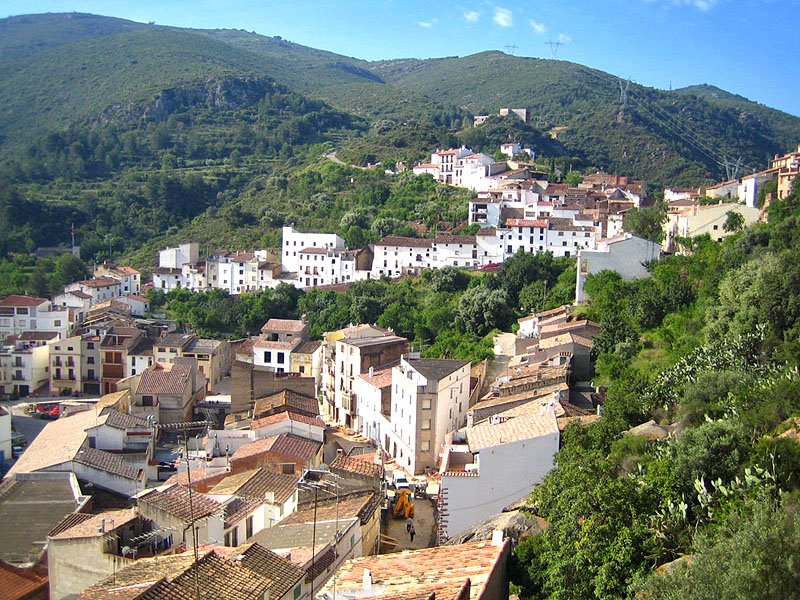
Town set in a long valley ringed by pine woods; noted for the La Mola natural site and its closeness to the capital.
Hide article Read full article
La Pobla Tornesa is easy to visit and easy to understand. You arrive by car, park near the centre and explore on foot. There is rarely much traffic within the town itself and distances are short. At weekends it makes sense to come in the morning, as by midday most of the activity gathers around the main square.
The town lies about 25 kilometres from Castellón. Access is via the CV‑20 with a connection to the CV‑10. The road is generally quick and usually quiet, cutting through the inland part of the Plana Alta.
A Compact Centre Made for Walking
Parking is straightforward. There are several spaces around the old quarter, and there is no need to circle for long. From there, everything is within easy reach.
The streets are narrow but clear to navigate, with no major slopes. In around an hour it is possible to see the centre at a relaxed pace. La Pobla Tornesa keeps the layout typical of towns established after the medieval repopulation of this area: straight streets leading towards the square and the parish church.
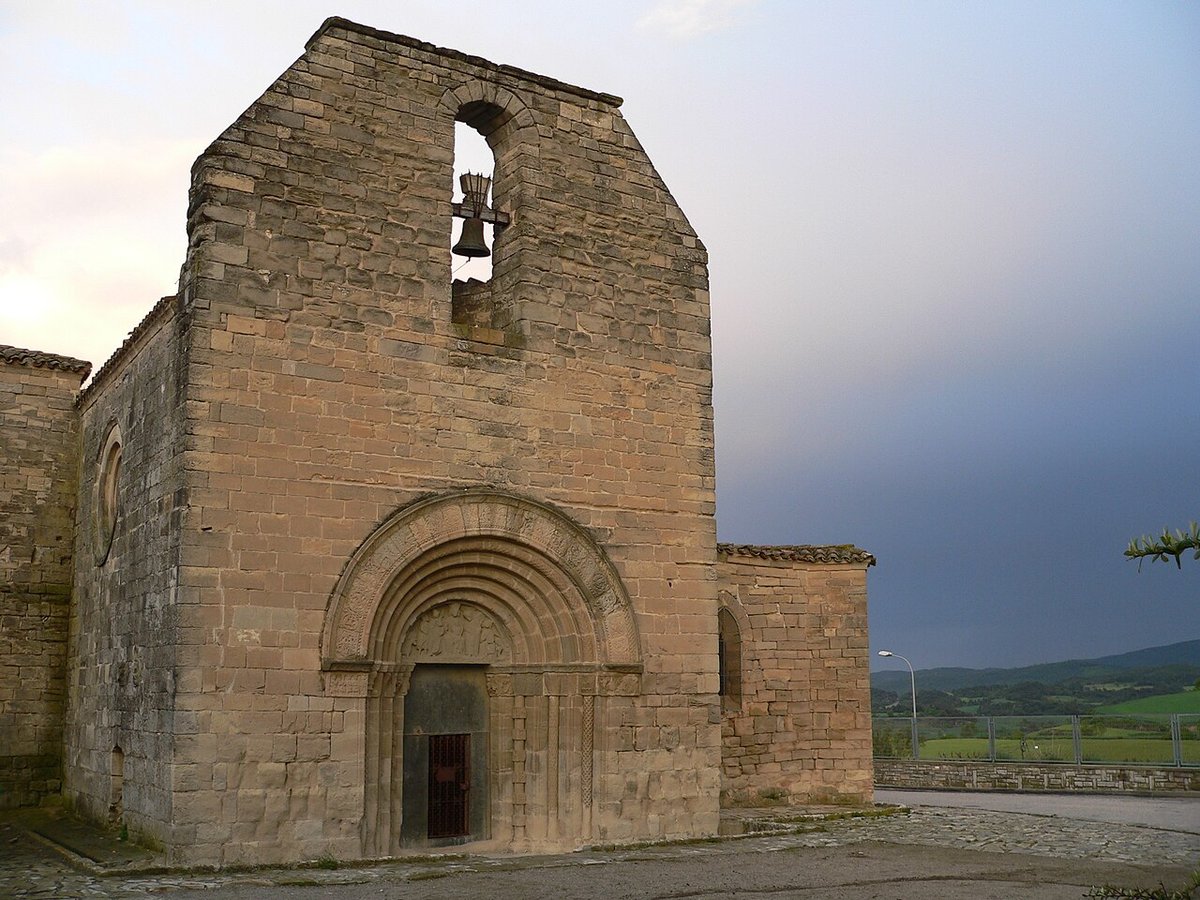
At the heart of the town stands the Iglesia de San Miguel Arcángel. The church dates from the 16th century. Inside, it preserves a Baroque altarpiece and an old wooden organ. Like many churches in small Spanish towns, the building has been altered and restored several times over the centuries.
Fragments of the old defensive wall also survive. The main gateway remains standing, with a pointed arch and carefully fitted stonework. There is no complete circuit of walls. Instead, there are scattered sections and a few towers now integrated into later houses.
The Portal de Valencia marks the exit towards the lower part of the town. From this point, the view opens onto agricultural tracks and the fields that surround the municipality. It is a simple transition from compact streets to open countryside.
Tracks, Terraces and Dry Stone
Several easy walking routes begin directly from streets within the town. These are dirt paths that run between terraced plots, small ravines and dry stone walls. They are more short walks than long hikes.
The landscape reflects the inland character of the Plana Alta. Old olive trees and almond trees are common, rooted in pale, chalky soil. After dry periods, low scrub tends to dominate the scene. It is not a dramatic setting, but it does give a clear sense of how the land has been worked here for decades.
The paths present no particular difficulty. Gradients are gentle and distances are modest. A brief walk is enough to understand the agricultural rhythm that still shapes daily life in La Pobla Tornesa.
Festive Dates and Agricultural Rhythms
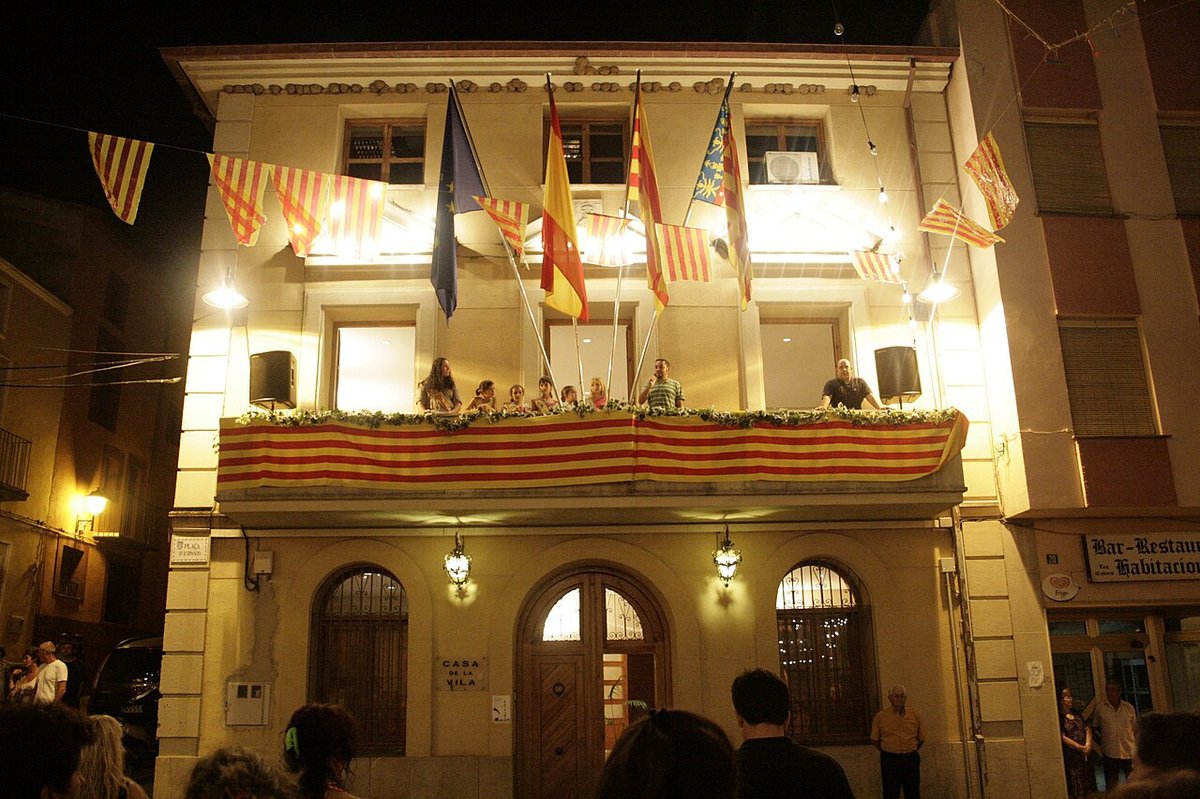
The main celebrations revolve around San Miguel Arcángel, towards the end of September. There are processions, live music in the streets and events organised by local residents. It is a community-centred occasion rather than a large-scale festival.
In August, festivities linked to the Virgen de la Asunción take place. These include simple open-air dances and gatherings typical of many small towns during the summer period.
January usually brings the celebration of San Antonio Abad, marked by bonfires and the blessing of animals. This tradition is widespread across many towns in the region and reflects long-standing rural customs.
Daily life in La Pobla Tornesa remains closely tied to the countryside. Olive and almond trees set the agricultural calendar. In autumn, conversation often turns to the olive harvest and the new oil. Visits connected to the picking or production are sometimes organised, although they are not always open to the general public.
Extending the Visit
For those who want to see more, Onda and Vilafamés are nearby. Both towns have a larger historic centre and a broader architectural heritage. They can be reached in a short drive.
La Pobla Tornesa works best as a brief stop or as a quiet base for exploring this part of the Plana Alta. It does not compete with larger destinations in terms of monuments or scale. The appeal lies in its manageable size and its steady pace.
Expect a small town that functions much as it always has. A walk through the centre, a pause by the church, a short stroll along the surrounding tracks: this is the rhythm here. Those in search of major landmarks will need to continue along the road. In La Pobla Tornesa, what you find is a compact settlement that carries on at its own speed, shaped by agriculture, local traditions and the structure laid down centuries ago.