Full Article
about La Torre d'en Doménec
Quiet farming village on the plain; perfect for resting and walking rural lanes among Mediterranean crops.
Hide article Read full article
A Small Village with a Long Name
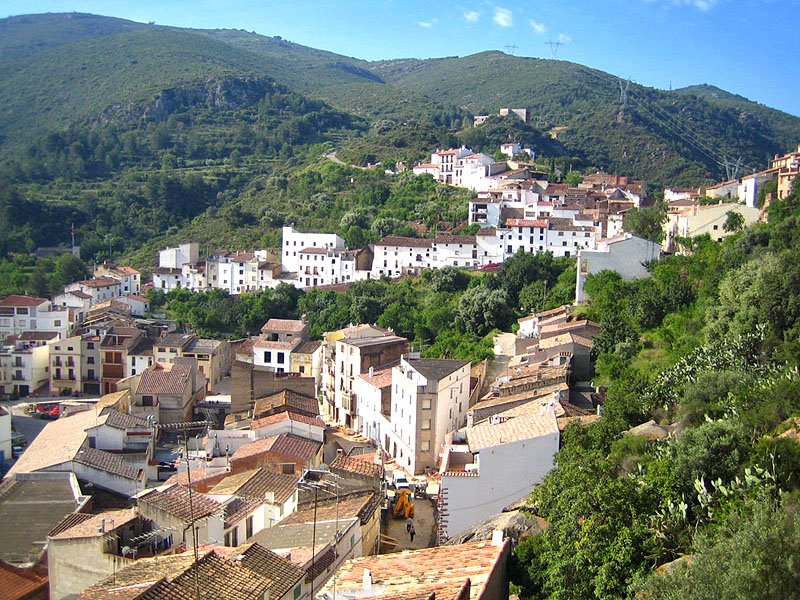
La Torre d’en Doménec is the kind of place you come across almost by accident, the sort of detour that takes only a few minutes before a cluster of houses appears among open fields. There is no grand entrance or promise of attractions waiting ahead. It is simply a small village in the Plana Alta area of Castellón, home to just over 170 people, where life moves at an unhurried pace.
The origins of the village are usually linked to a medieval defensive tower associated with someone called Doménec. The name of the municipality comes from that connection. Very little remains today of that tower, at least in any clearly recognisable form, yet the village still occupies a slight rise overlooking the surrounding farmland, a reminder of its earlier purpose.
The layout is compact and straightforward. Short streets, the occasional gentle slope, and at the centre, the parish church of Santa Quiteria, built in the late 19th century. It is not a grand or imposing structure, and it does not try to be. Instead, it serves as the natural focal point of the village. In front of it sits a small square where, at certain times of day, a few residents gather to talk or sit quietly in the sun.
Fields and Open Land
The landscape around La Torre d’en Doménec reflects traditional agriculture in the Plana Alta. Citrus groves dominate the scene, joined by olive trees and the occasional walnut tree scattered among small plots of land. Dry stone walls still mark many of these fields, a common feature in this inland part of Castellón.
Spring brings a noticeable change when the orange trees blossom. The scent of azahar, orange blossom, lingers in the air and becomes part of the experience of walking through the area. In autumn, the rhythm shifts again as the orange harvest gets underway, bringing more activity to the rural tracks.
From the slight elevation where the village stands, there are wide views across the inland plain. There are no dramatic mountain ranges pressing in on the horizon. Instead, the setting feels open, with subtle changes in colour and light depending on the season and time of day.
Walking Through the Village
It does not take long to walk through La Torre d’en Doménec. In practical terms, you can cover most of its streets in about half an hour. That said, slowing down changes the experience. Details begin to emerge: old wooden doors, iron window grilles slightly bent with age, and façades made of stone or traditional materials that have held up over time.
This is not a place defined by monuments. It is more about the sense that many of the houses have remained much the same for decades. The village feels consistent with itself, without any attempt to reinvent or modernise its appearance for visitors.
The church of Santa Quiteria stands out as the most recognisable building. Built in exposed brick, with simple lines and proportions that match the scale of the village, it quietly anchors the centre without dominating it.
Rural Paths and Gentle Routes
Beyond the village streets, the most interesting routes are the rural tracks that lead out into the surrounding countryside. These are agricultural paths connecting fields, small farmhouses known as masías, and nearby villages.
The terrain is gentle. There are no steep climbs or particularly demanding routes, which makes the area suitable for a relaxed walk or a cycle ride. The paths wind through cultivated land, pass small ravines, and occasionally reveal an old rural structure beside the track.
This is the kind of place where the journey is not measured by distance or time. The pace is slow, and there is little sense of urgency.
Daily Life and Atmosphere
La Torre d’en Doménec does not have tourist infrastructure in the usual sense. It is not set up for large groups or busy itineraries. Daily life revolves around its residents, the surrounding fields, and long-established routines.
You may find a place open to stop for a while, but the village is best approached with the expectation of a short, quiet visit rather than a full day of activity. Many people who pass through combine it with a wider exploration of the Plana Alta area.
For those planning to stay overnight nearby, accommodation is typically found in larger villages in the surrounding area. La Torre d’en Doménec works more naturally as a brief stop along the way.
Local Festivities
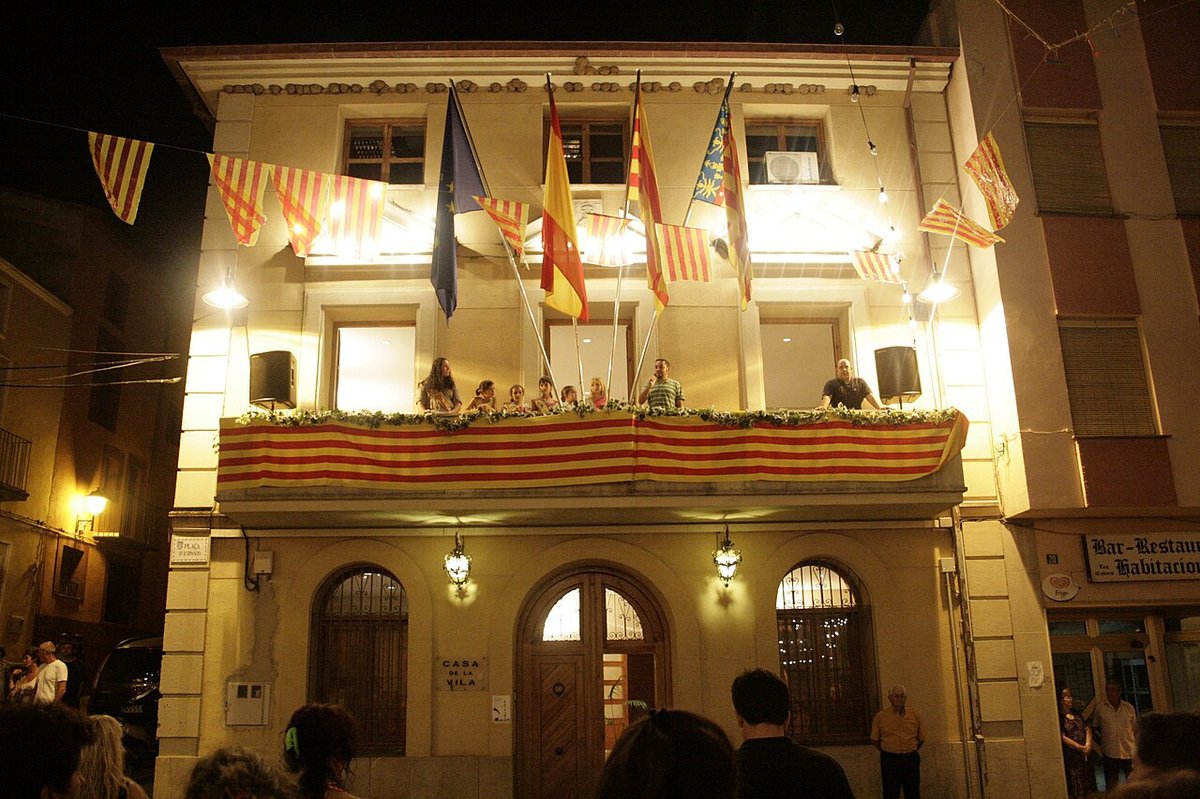
The village’s celebrations are centred mainly in summer, with festivities dedicated to Santa Quiteria. Another important date is in January, with the celebration of San Antonio Abad, which still preserves certain traditions linked to rural life and animals.
These events are local in character. They are shaped by the community itself rather than designed as attractions for visitors, which gives them a more familiar and understated atmosphere.
Is It Worth the Detour?
La Torre d’en Doménec is not a destination that calls for a long journey on its own. Yet for those travelling through the inland areas of the Plana Alta, it can be an interesting stop.
Very little happens here, and that is precisely its appeal. The village retains a calm, steady rhythm that has become harder to find elsewhere. A short walk through its streets, a look out across the fields, and then the road continues. Sometimes that is enough.