Full Article
about Les Coves de Vinromà
Municipality with a rich historical heritage and rock paintings in the Valltora gorge; ceramic and farming tradition.
Hide article Read full article
At that hour when barely a car can be heard, the air in Les Coves de Vinromà drifts down cool from the fields. In spring, the scent of orange blossom arrives before the light itself, slipping through narrow streets and mixing with the dampness the night has left clinging to the stone. The village wakes slowly. A shutter rolls up, a garage door opens, and little else disturbs the quiet.
Tourism in Les Coves de Vinromà does not revolve around a single landmark or an imposing square. What shapes the experience here is the land around it. The population, just under two thousand residents, is spread between the main village and several masías, traditional rural farmhouses scattered across the municipality. They are linked by agricultural tracks that have served the same purpose for decades: going out to the fields and coming back again.
Arriving by road, the first thing that comes into view is the terraced farmland. Orange trees, almond groves and small vegetable plots shift in appearance with the months. In March the air fills with orange blossom; in winter the trees let more light through, revealing the stony hills that enclose the area. Some caves and rock shelters in the surrounding countryside have been studied for their archaeological interest, something relatively common in this part of the province.
An Urban Centre Made for Wandering
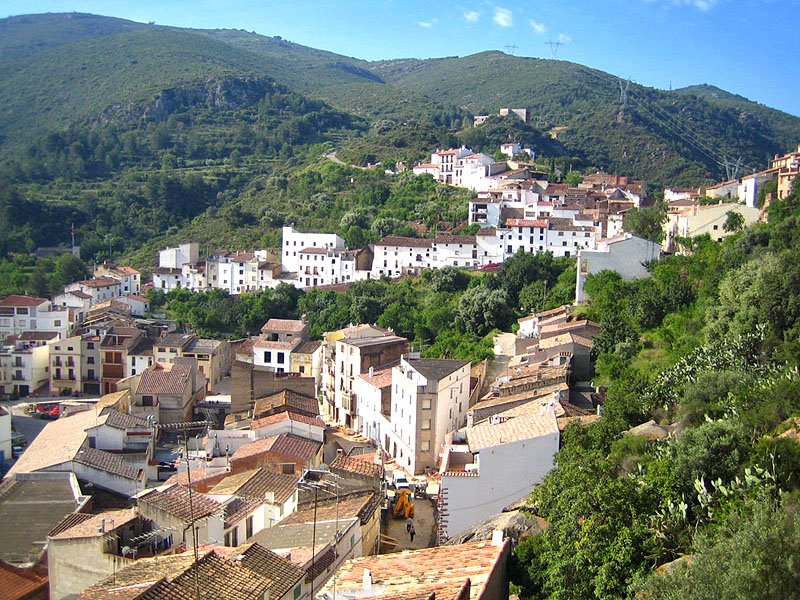
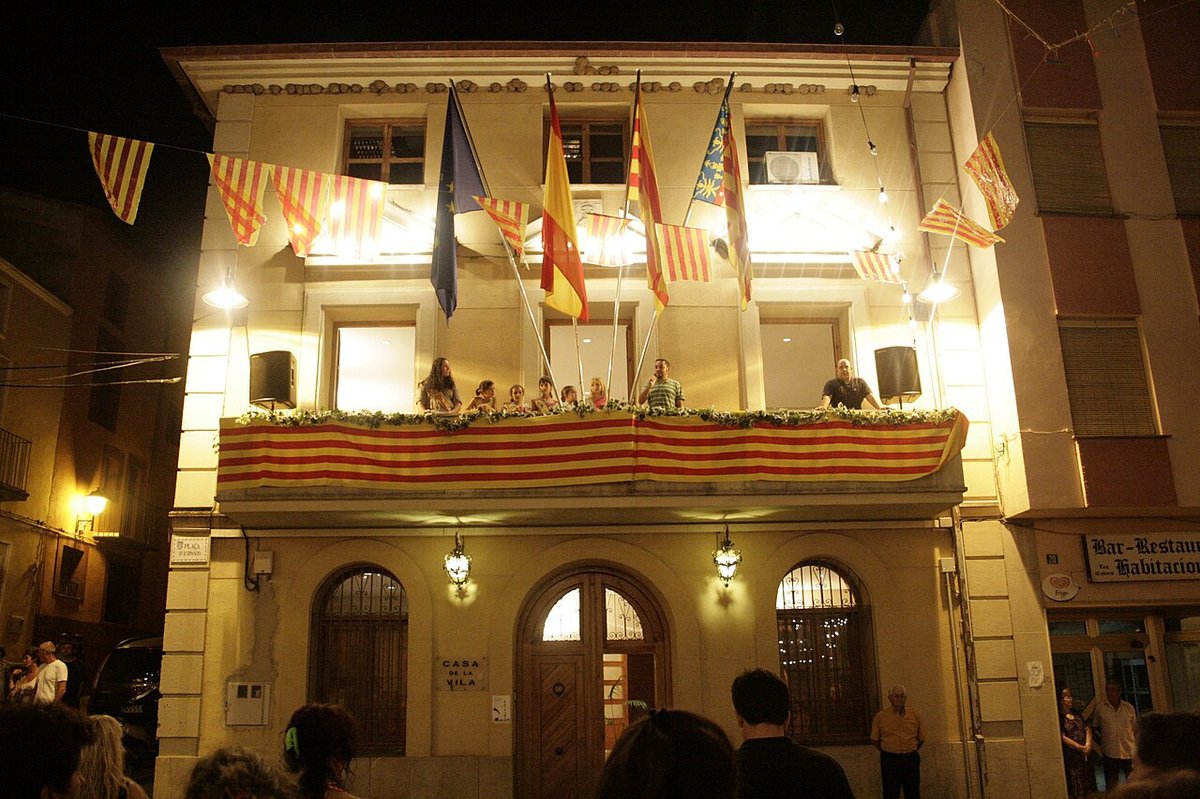
The centre of Les Coves de Vinromà keeps an irregular layout, with streets that narrow and widen without much apparent logic. Many façades alternate exposed stone, pale render and iron balconies. By mid-afternoon, when the sun hits at an angle, the walls reflect a warm light that makes the village feel smaller still.
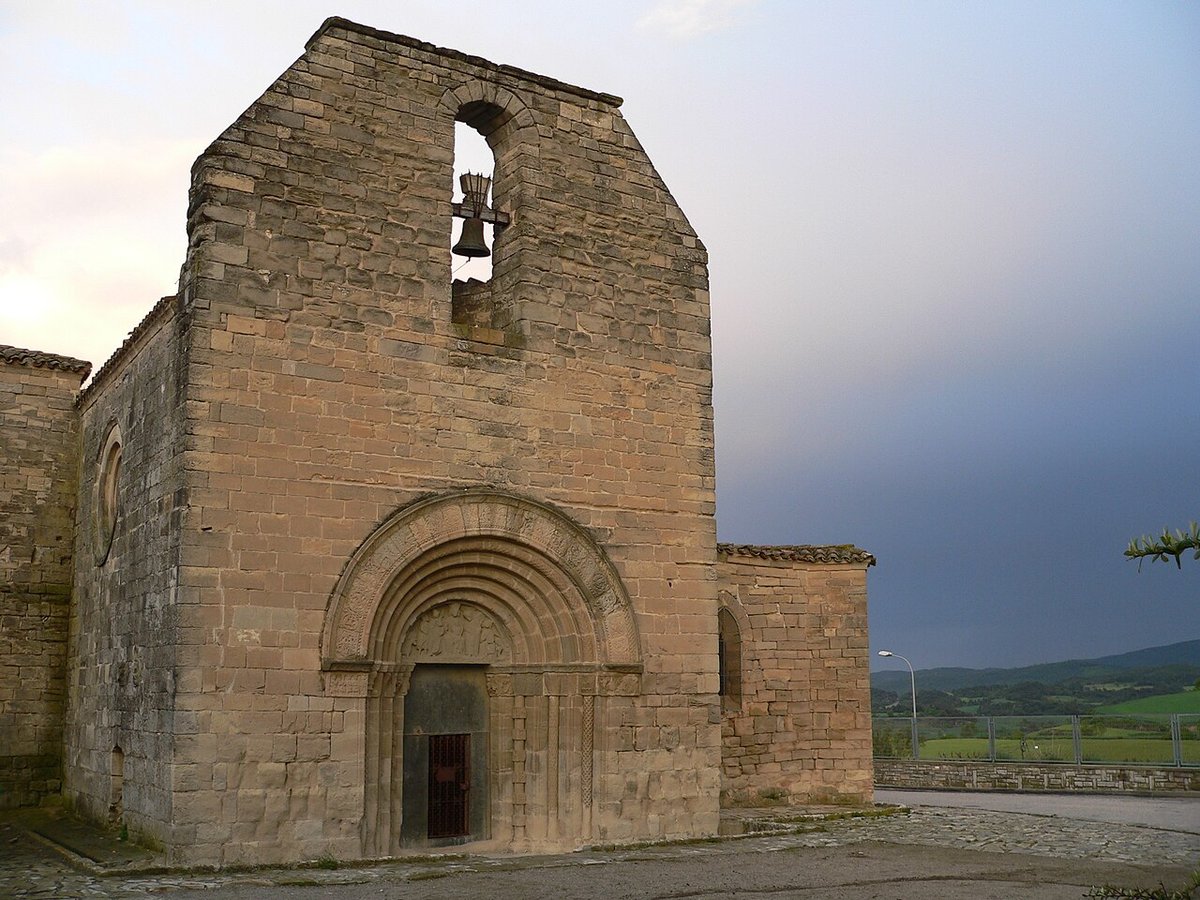
The parish church of the Purísima Concepción stands at one of the most visible points in the old quarter. The current building dates back several centuries and forms part of everyday life: bells marking the hours, people crossing the square, neighbours pausing for a chat against the railings.
The main square continues to serve as both thoroughfare and meeting point. In the morning there is usually a brief flurry of activity, errands to run, cars stopping momentarily. By late afternoon the pace drops. Older residents often sit on a bench watching the light fade across the façades.
A short walk away from the centre, buildings tied more closely to agricultural life begin to appear: corrals, former threshing floors and houses with large gates once built to admit carts. In some stretches, the old tracks that directly connected the village to nearby plots can still be traced.
There is no need for a map. The appeal lies in wandering without a plan, turning corners simply to see where they lead, and letting the rhythm of the place set the tone.
Between Orchards and Dry Stone
The municipality is broad and gently undulating. There is no need to seek out complex hiking routes. Many of the most pleasant walks follow former agricultural paths that leave the village and wind between orchards and masías.
Some trails climb to slightly higher ground, opening up views across the Plana Alta, the wider region to which Les Coves de Vinromà belongs. On clear days, especially after a spell of wind, the horizon sharpens and the line of the Mediterranean can just be glimpsed in the distance.
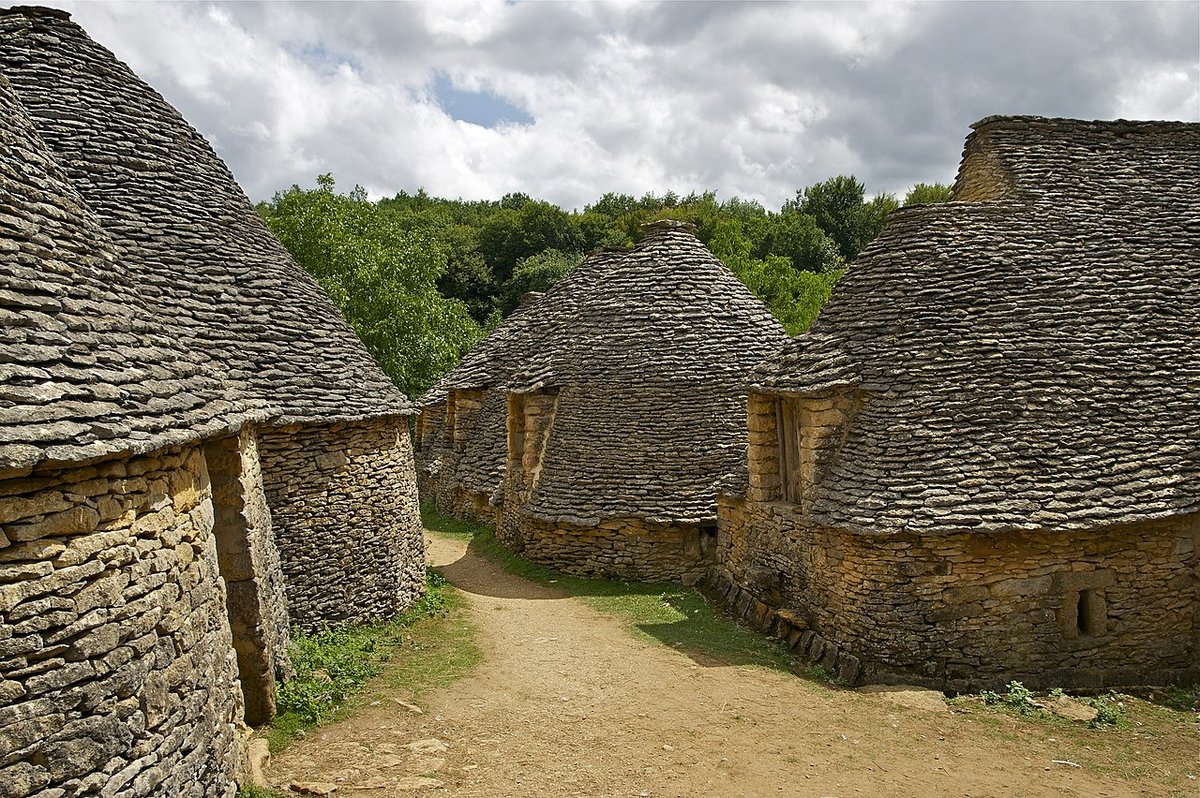
Dry stone structures appear along the way: retaining walls that hold the terraces in place, built stone by stone over generations. They were not designed to attract attention, yet walking slowly brings them into focus. The way each stone fits into the next, the moss in the joints, grass pushing through narrow gaps. These details speak quietly of accumulated hours of work.
It is worth remembering that many of these paths are still in use. Farmers regularly pass along them to reach their land. The sensible approach is simple: avoid blocking access points and close any gates encountered along the way.
The landscape shifts with the seasons. In winter, the lighter canopy allows broader views of the surrounding hills. In spring, the scent of blossom settles over the fields. Autumn brings movement back to the farmland, with agricultural tasks shaping the daily routine.
When to Go and Practical Notes
Spring is often the most rewarding time to explore the surroundings. Between March and April, the flowering orange trees transform the atmosphere of the village, and temperatures remain mild enough for walking at any hour of the day.
Autumn has its own appeal: less heat, lower light and fields busy with seasonal work.
Summer can be demanding from midday onwards. At that time of year, early morning or late afternoon are the most comfortable moments to head out, when shadows begin to stretch again across the terraces.
From Castellón de la Plana, the drive takes a little under an hour, depending on the chosen route. Public transport does exist, although connections are not particularly frequent, so it is wise to check in advance.
The village itself can be covered at an unhurried pace in a couple of hours. Those who want to walk the surrounding tracks or approach some of the rocky formations within the municipality would do better to set aside the whole afternoon and allow the place to dictate the schedule. Here, almost everything happens slowly. That, more than any monument, defines Les Coves de Vinromà.