Full Article
about Sant Joan de Moró
Modern municipality with a strong ceramics industry that still keeps its traditions; hosts a major food festival and has nearby natural spots.
Hide article Read full article
A young municipality with older roots
Sant Joan de Moró sits in the Plana Alta, between Castelló de la Plana and the inland hills. Its identity as a municipality is relatively recent. For centuries it formed part of Vilafamés, although it maintained its own daily life centred on the parish and the surrounding farmland. That situation changed towards the end of the twentieth century, when it became an independent municipality.
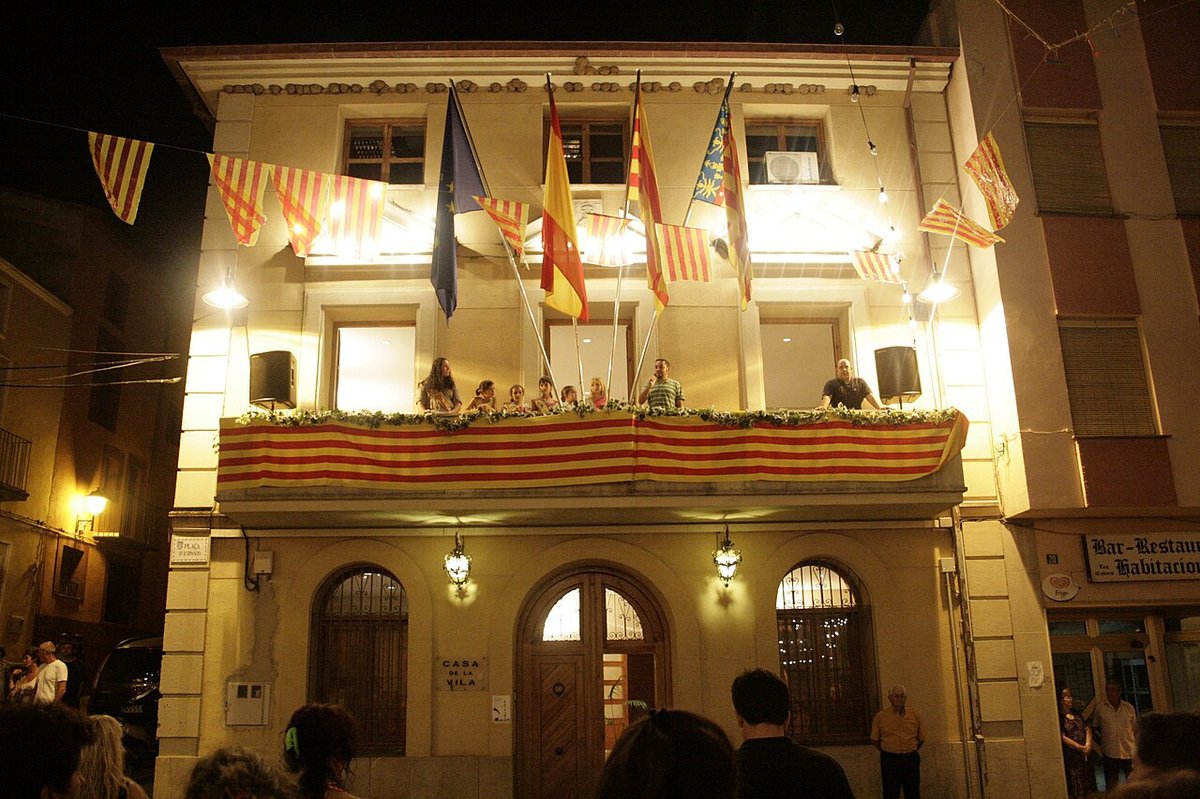
That shift is still remembered locally. Each February, the process is marked with a large communal meal in the main square, a visible reminder of how the town came to govern itself. The sense of community that drove that change continues to shape how the place functions today.
The move towards independence did not happen overnight. Throughout the twentieth century, Sant Joan de Moró grew thanks to agriculture and its proximity to Castelló. Residents had long wanted to manage everyday matters locally, from planning decisions to rural tracks and basic services. Over time, that desire translated into administrative separation.
Land and agriculture on the Plana Alta
The municipality stretches across a strip of reddish, fairly fertile land within the Plana Alta. This landscape has long defined local life. Traditionally, farmers cultivated carob trees, almond trees and dry cereals adapted to the climate. Later, citrus groves spread across the lower areas where water was more accessible.
This mix of irrigated and dry land is still visible. Citrus trees occupy the most productive plots on the plain, while carob and almond trees continue to appear on higher ground. The terrain is crossed by ramblas and barrancos, channels that carry water irregularly but have historically helped shape the agricultural layout and guide runoff towards the coast.
Rural paths run between fields and are still in regular use. They link plots and allow movement across the municipality, reinforcing the close relationship between the town and its farmland. Agriculture remains an important part of the local economy, and activity increases around warehouses and cooperatives during the citrus harvest.
The parish and the shape of the town
The parish church of San Juan Bautista anchors the urban centre. The current building dates largely from the eighteenth century, constructed over earlier structures. It is not a monumental church, but it reflects the typical parish architecture of many towns in this part of the province. Its walls are restrained, the roof is tiled in the traditional style, and a bell tower rises above the surrounding houses.
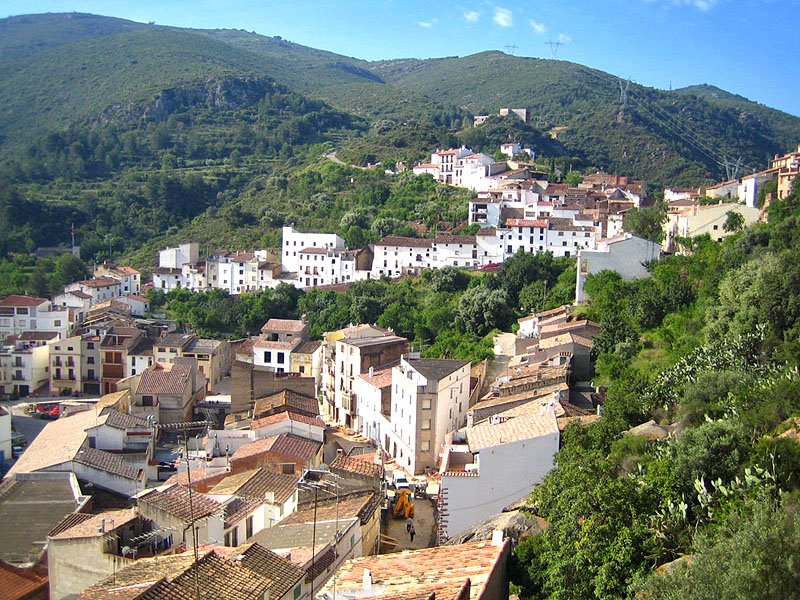
In front of the church lies the main square, which acts as the town’s meeting point. From here, a network of narrow streets extends outwards, connecting with nearby orchards and plots of land. The layout is straightforward and practical, shaped gradually over time rather than designed for grandeur.
At certain points in the year, the square takes on a different character. Collective events continue to be held here, including shared meals, festive activities and occasional markets. These gatherings maintain a long-standing tradition of using the square as a social hub.
Walking through the centre is simple. Streets slope gently towards slightly higher areas of the town, where there are small natural viewpoints over the plain of the Plana. These elevated spots offer a sense of how the settlement relates to its agricultural surroundings.
Sant Antoni and traditions with animals
One of the most established celebrations in Sant Joan de Moró is Sant Antoni, usually held around mid-January. Like in many inland towns in Castellón, the festival revolves around a large bonfire and the blessing of animals.
Horses, dogs and other domestic animals are brought before a priest for blessing, while residents gather around the fire. This custom is widespread in areas once influenced by the Order of Montesa, where working animals played an essential role in daily life.
After the blessing, food linked to the festival is shared. Sweets and breads are distributed, and many households still prepare traditional pastries flavoured with aniseed. These baked goods keep well for several days and are closely associated with the celebration.
The event combines religious elements with older rural traditions. It also reflects the continued presence of animals in local life, even as agriculture has evolved over time.
Getting there and moving around
Sant Joan de Moró lies roughly twenty minutes by car from Castelló de la Plana. The usual approach is via the CV-10, with a clearly signposted turn-off towards the municipality. Public transport options are limited, so travelling by car tends to be the most practical choice.
Within the town, distances are short and can be covered on foot without difficulty. The streets that branch out from the church square lead through the centre and up towards slightly higher ground. The overall layout makes it easy to explore at a relaxed pace.
For those interested in walking beyond the urban area, agricultural paths surround the municipality and connect with nearby towns such as Vilafamés. These routes pass through cultivated land and offer a clearer understanding of the landscape that has shaped Sant Joan de Moró’s history.
The setting between the plain and the interior hills is evident throughout. Fields, paths and scattered farm plots form a continuous backdrop, linking past and present in a place that has only recently defined itself as a municipality but has long functioned as a community.