Full Article
about Sarratella
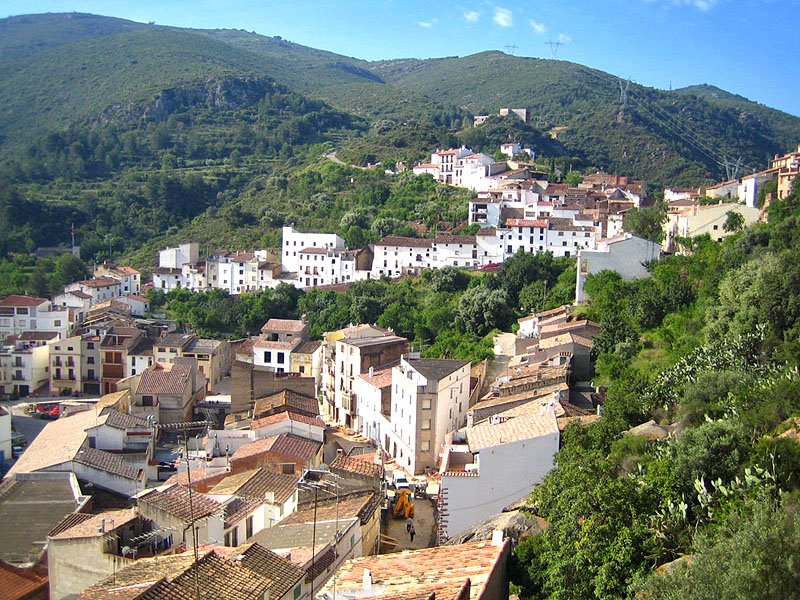
Small hilltop village in the Sierra Engarcerán with sweeping sea views; quiet place of steep streets and clean air
Ocultar artículo Leer artículo completo
The church bells strike noon, but nobody's rushing home for lunch. In Sarratella, perched 781 metres above sea level in Castellón's mountainous interior, time operates on a different frequency. A farmer tends almond trees on stone-walled terraces. An elderly woman waters geraniums in a terracotta pot. The village's 110 residents move through their daily rhythms largely untouched by the coastal tourism boom just 40 kilometres away.
This tiny municipality represents something increasingly rare in modern Spain: a mountain community that hasn't reimagined itself as a weekend destination. There are no souvenir shops lining the single main street. No boutique hotels occupy restored manor houses. What exists instead is a compact knot of stone buildings, Arab-tiled roofs, and narrow lanes that have witnessed centuries of Mediterranean rural life.
The Vertical Landscape
Sarratella's relationship with its environment defines everything here. The village sits on a natural balcony overlooking the Plana Alta region, where the Iberian System's foothills create a complex topography of ridges and ravines. Morning mist often fills the valleys below, leaving the settlement floating above a cotton-wool sea. By midday, thermals rise from the heated limestone, carrying scents of rosemary and thyme through the alleyways.
The altitude makes a tangible difference. Summer temperatures run several degrees cooler than coastal areas, creating breathable conditions during Spain's notorious July and August heat. Winter brings proper mountain weather: frosts that silver the olive groves, occasional snow that dusts the terracotta tiles, and clear air that sharpens the views across to the distant Mediterranean. Spring arrives later here than on the coast, but when it does, the surrounding slopes explode with wildflowers and the almond blossoms create brief white clouds among the green.
Access reflects this mountain location. The CV-190 road winds upwards from the coastal plain through a series of switchbacks, gaining elevation with each kilometre. The drive from Castellón de la Plana takes approximately 45 minutes, longer if you're stuck behind agricultural traffic. Winter visitors should check weather forecasts; snow isn't common but when it falls, the village can become temporarily isolated.
Living Stones
Architecture in Sarratella speaks of practical adaptation to mountain life. Houses cluster together for mutual protection, their thick stone walls moderating temperature extremes. Rooflines step down the hillside, creating a cascading profile that follows the natural contours. Windows are modest, framed by solid timber shutters that close against winter winds. Doorways bear the carved dates of construction: 1789, 1823, 1897 – each marking a family's investment in permanence.
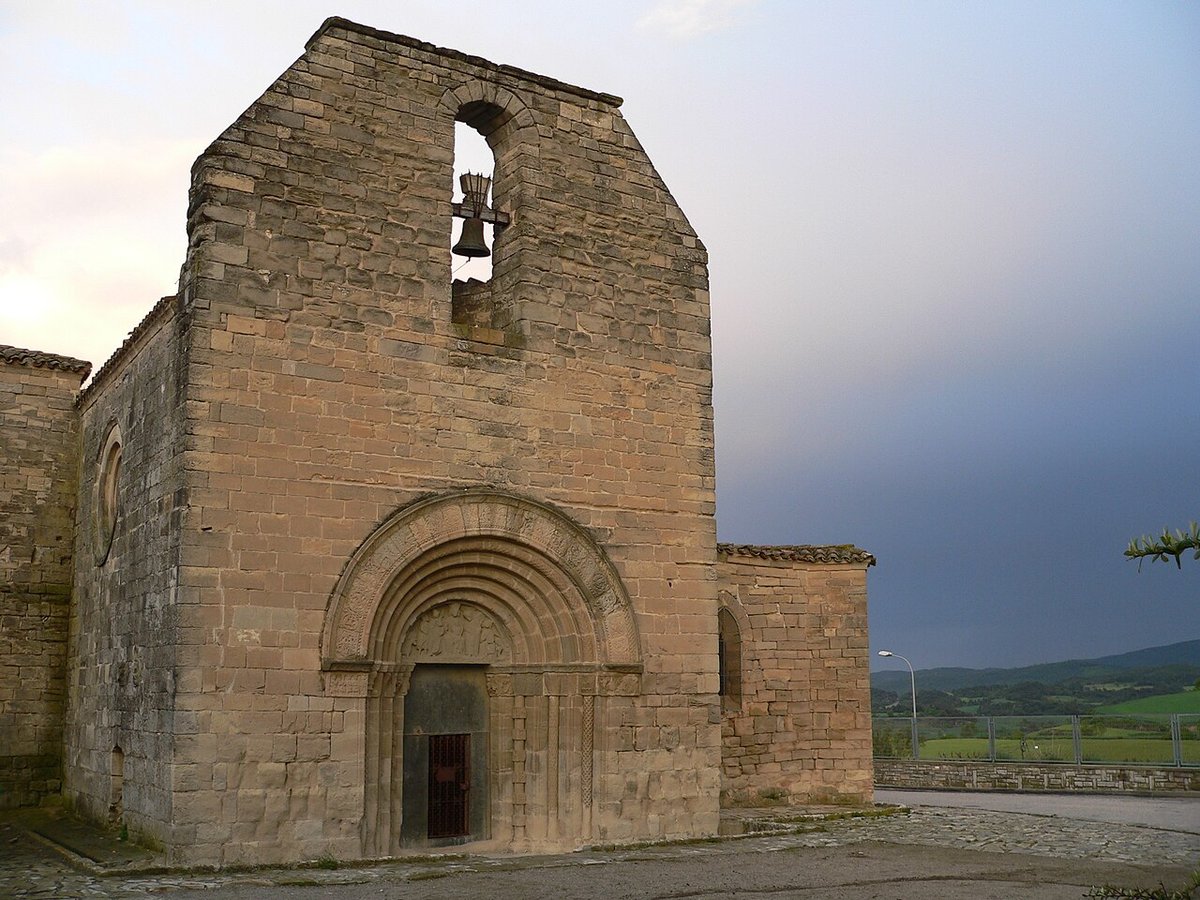
The parish church anchors the upper part of the village. Unlike the elaborate baroque constructions found in wealthier areas, this is functional religious architecture: thick walls, a simple bell tower, and interior space that doubles as community hall when required. The building represents more than spiritual needs; it's the physical manifestation of Sarratella's collective identity, hosting everything from Sunday services to emergency meetings about agricultural water rights.
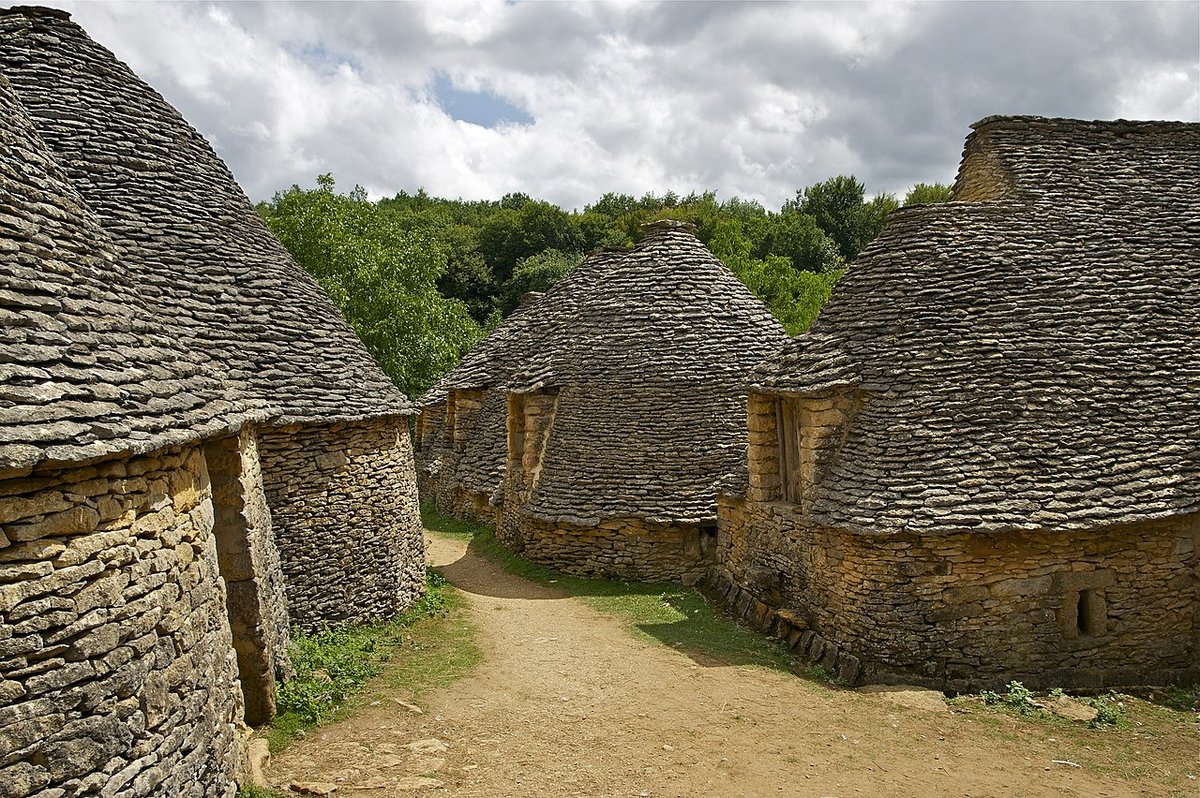
Stone defines the wider landscape too. Dry-stone walls create terraces that have supported agriculture for centuries. These labour-intensive constructions transform impossible slopes into productive land, each flat surface catching precious soil and rainwater. Walking paths follow these ancient boundaries, creating a network that connects the village to scattered farmsteads and higher pastures. The workmanship impresses: without mortar or cement, these walls have survived decades of freeze-thaw cycles and summer drought.
Forests and Fields
The natural environment surrounding Sarratella offers genuine solitude for walkers willing to venture beyond the village limits. Mediterranean forests of pine and holm oak cloak the ridges, interspersed with scrubland where wild rosemary, lavender, and thyme create an aromatic understory. Griffon vultures circle on thermals overhead, while booted eagles hunt from concealed perches. The birdlife rewards patience: hoopoes probe for insects on grassy banks, nightjars churr at dusk, and during migration periods, the village becomes a stopover for species moving between Africa and Europe.
Footpaths radiate from Sarratella in several directions, though route finding requires attention. The PR-CV 147 trail heads northeast towards Benafigos, passing abandoned fincas and through gorges where eagles nest. Walking time to the neighbouring village runs about two hours, assuming reasonable fitness levels. The return journey can be made via the CV-190 if energy flags. Local farmers also maintain informal tracks that lead to higher grazing areas – these offer spectacular views but demand respect for private property and working agriculture.
The agricultural calendar shapes seasonal experiences. January brings almond blossom season, when white petals carpet the terraces and photographers arrive in surprising numbers for such a small settlement. April sees the start of cereal harvest preparation, ancient machinery clattering through the streets en route to distant fields. Summer means irrigated vegetable plots and the constant sound of water channels, while October's olive harvest sees families working together with long poles and nets spread beneath ancient trees.
Mountain Fare
Food in Sarratella reflects altitude and history. This isn't the rice-based cuisine of the coastal plain; instead, expect hearty dishes designed to sustain agricultural labour. Local restaurants (and when we say local, we're talking about perhaps two establishments) serve mountain stews incorporating game, pork, and seasonal vegetables. Embutidos – cured sausages and hams – hang from restaurant ceilings, products of autumn matanzas that still follow centuries-old preservation techniques.
The village's single grocery shop stocks basics but doesn't cater to sophisticated tastes. Visitors planning self-catering should shop in larger towns before arrival. Wine comes from the broader Castellón region rather than local production; the altitude and terrain here favour almonds and olives over grapes. Olive oil, however, deserves attention. Many families maintain small groves, producing oil for personal use that occasionally becomes available for purchase. This isn't the filtered, supermarket variety but cloudy, peppery oil that speaks directly of terroir.
Accommodation options remain limited. The Abadia del Maestrat represents the only formal lodging within village boundaries, occupying a restored building on the main street. Booking ahead becomes essential during festival periods and spring weekends when Spanish visitors arrive for mountain air and rural atmosphere. Alternative options exist in larger neighbouring villages, requiring daily drives or walks to experience Sarratella itself.
When to Visit, When to Stay Away
Spring offers perhaps the finest balance of comfortable weather and visual appeal. Temperatures hover around 20°C during April and May, wildflowers create splashes of colour across the slopes, and the village emerges from winter dormancy. Local activity increases as farmers prepare fields and repair winter storm damage to walls and terraces. Photography opportunities abound, though the quality of light changes rapidly as weather systems move across the mountains.
Autumn provides another sweet spot, particularly September through mid-October before serious weather arrives. The summer heat moderates, creating ideal hiking conditions. Olive and almond harvests generate genuine agricultural activity rather than tourist spectacle. The village's few facilities remain open, but visitor numbers drop significantly from summer peaks.
Summer visits require realistic expectations. Yes, the altitude moderates coastal heat, but afternoons still reach 30°C. More problematically, August brings Spanish holidaymakers seeking mountain relief, overwhelming the village's limited infrastructure. Parking becomes contentious, restaurant queues stretch patience, and the very atmosphere that makes Sarratella special disappears under a influx of temporary visitors.
Winter delivers mountain authenticity but demands preparation. Accommodation may close for maintenance, restaurants operate reduced hours, and weather can change rapidly. Those prepared for these limitations discover a different village: smoke rising from chimneys, locals gathering around bar heaters, and the profound silence that comes with snow-dampened landscapes.
Sarratella doesn't offer dramatic monuments or curated experiences. What exists is more valuable: a functioning mountain community that continues traditional rhythms despite external pressures. The village rewards visitors who arrive without fixed agendas, who can appreciate watching afternoon light shift across limestone ridges, who understand that real places don't perform for tourists. Come prepared for limited services, variable weather, and the possibility that you might leave understanding why 110 people choose to maintain their connection to this mountainside, even as rural Spain empties towards the coasts.