Full Article
about Sierra Engarcerán
Mountain municipality scattered among farmhouses and hamlets; known for its traditional rural landscape and quiet spots.
Hide article Read full article
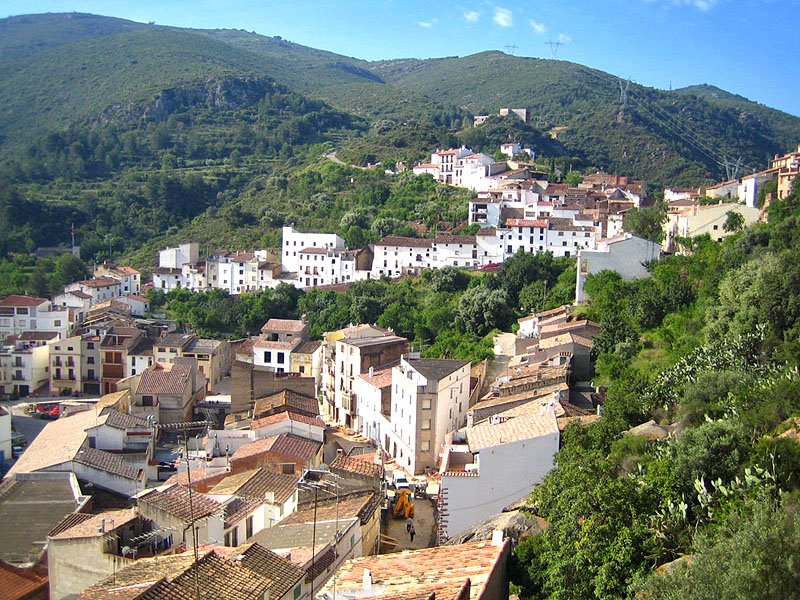
The road narrows as it climbs from Vall d’Alba. Bend after bend, the pine forest thickens and, if the window is open, the scent of resin drifts inside. At the top appears Sierra Engarcerán, without fanfare or grand signs announcing your arrival. Low houses in stone tones gather around a square where, at midday, the light falls almost vertically.
This is a small municipality in the Plana Alta comarca, a few kilometres from the sea, although up here you do not always sense it. The pace is different. A car might cross the square, a conversation carries from a balcony, the wind moves through the tops of the surrounding pines. Beyond that, little disturbs the quiet.
Streets That Follow the Slope
The old centre fits into just a handful of streets. They rise and fall decisively, following the shape of the land. Houses built of masonry and topped with curved roof tiles adapt as best they can to the incline. Some façades still keep old doorways and small corrals, reminders of a time when farm work dictated the rhythm of the day.
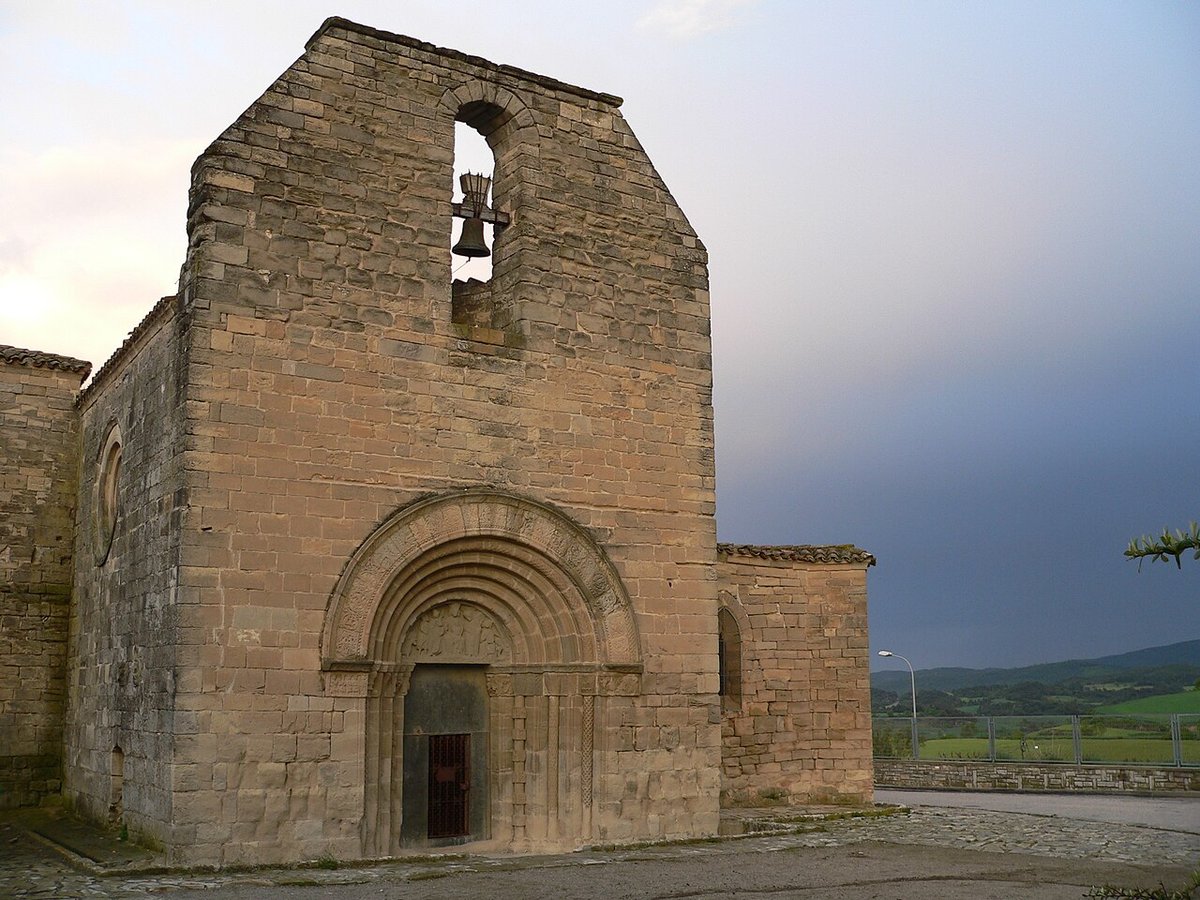
At the heart of the village stands the parish church dedicated to the Virgen de Gracia. It has undergone several renovations over the years. From the outside it looks sober. The bell tower is simple and the windows are small, the kind that allow in a muted light that shifts noticeably between morning and afternoon.
In the square there is usually a fountain with cool water. It is common to see someone filling a large bottle or pausing for a moment on the stone edge. The square acts as a meeting point, though activity remains understated for most of the year.
From the Edge of the Village
A short walk towards the last houses is enough for the landscape to open out. The ground drops in gentle slopes towards the valley. Old agricultural terraces, some still cultivated, draw horizontal lines across the hillsides between patches of Aleppo pine and holm oak.
On clear days, looking east, it is sometimes possible to make out the Mediterranean far in the distance. Not always. Humidity or heat haze often erase that faint line between land and sea.
Up here, the prevailing sensation is one of space. A wide sky stretches overhead and the silence is broken only by a distant tractor or the sudden flight of a partridge kicking up dust as it takes off. The horizon feels broad, the built environment small against it.
Paths Through Terraces and Masías
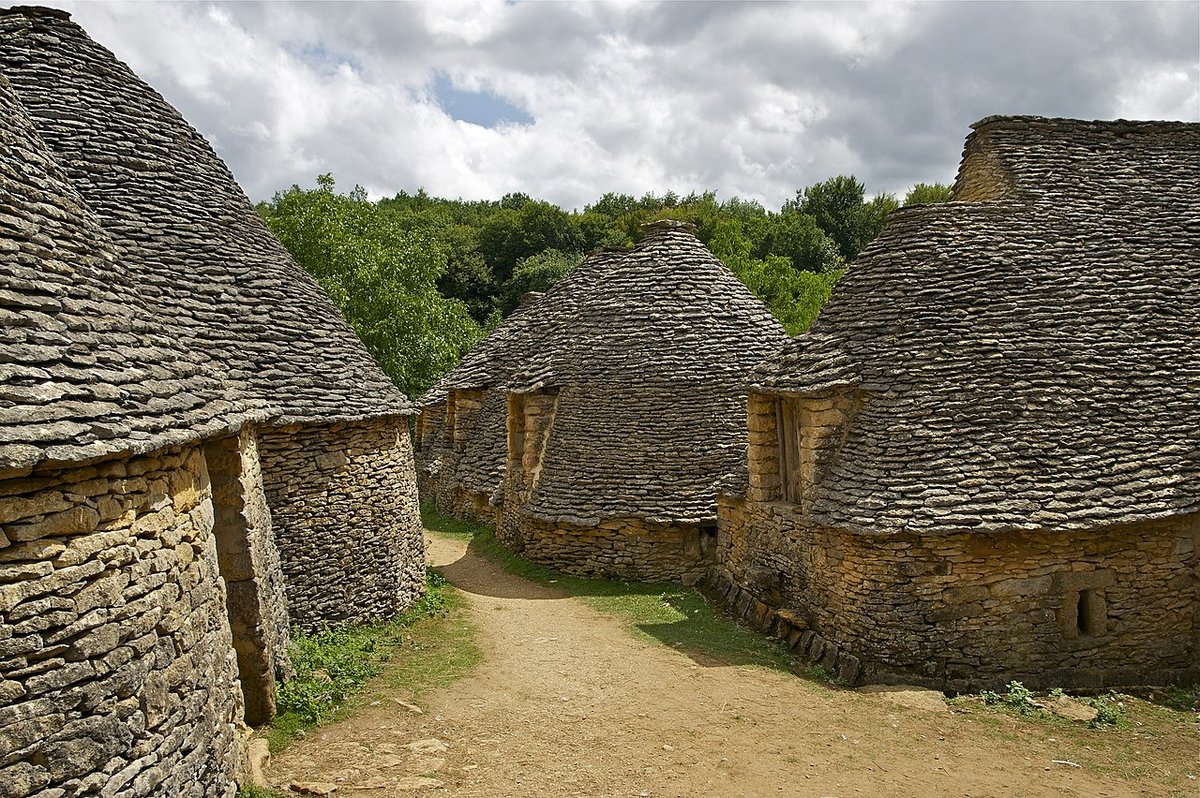
The surroundings of Sierra Engarcerán are best explored on foot. Agricultural tracks and footpaths link old masías, traditional rural farmhouses scattered across the sierra. Some routes pass between dry stone walls that have remained standing despite the passing years.
The easiest options follow wide tracks with little gradient, suitable for an unhurried walk. Others become stonier and climb more steeply towards nearby ridges. The terrain is not dramatic, but it demands attention underfoot.
It is advisable to avoid the middle of the day in summer. The sun is strong and there are long stretches without shade. Early in the morning, by contrast, the air is usually cool even in July, and the light softens the outlines of the hills.
Walking here is less about reaching a specific viewpoint and more about moving through a working landscape. Terraces that once structured agricultural life still shape the hillsides. The masías, some isolated and others closer to tracks, hint at a dispersed rural past that has not entirely disappeared.
The Mountain and Its Wildlife
Among the pines, patches of holm oak appear and, at slightly higher elevations, some cork oaks. The soil is limestone. White in exposed cuts, rough underfoot.
With patience, movement becomes visible. Partridges run between low shrubs, a rabbit may dart across the path. Occasionally there are traces of roe deer, although spotting one is not always easy. The signs are subtle and require a slower pace.
In autumn, mushroom enthusiasts arrive. Foraging is usually regulated and it is wise to check the rules beforehand. Not everything that grows in the forest is edible, and not everything can be collected. The seasonal shift brings a different kind of attention to the ground, with eyes scanning the leaf litter beneath the trees.
The vegetation and wildlife here are typical of this inland stretch of the Plana Alta. Pine dominates, but the mix of species changes slightly with altitude and exposure. The result is a varied mosaic rather than a single continuous forest.
Traditions That Continue
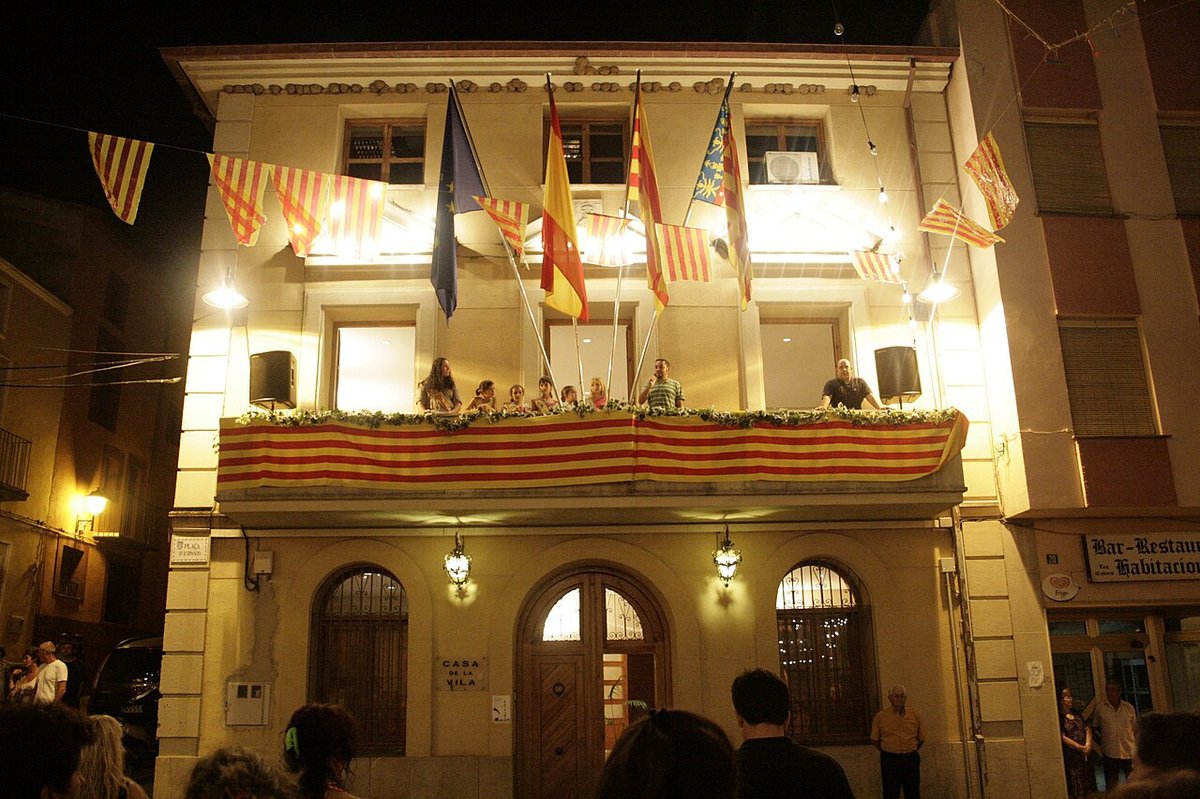
Village celebrations follow the traditional calendar. Around August, festivities dedicated to the Virgen de Gracia tend to take place. For a few days the square fills with activity and the atmosphere shifts noticeably compared with the rest of the year. What is usually quiet becomes busier, with neighbours and visitors sharing the same central space.
In winter, around the feast of San Antonio, bonfires are lit in the streets. The flames illuminate the façades and the smell of burning wood lingers in the cold air. It is a simple image, firelight against stone, marking a moment in the darker months.
Outside these dates, daily life remains closely tied to the countryside. There are still vegetable plots, small flocks and agricultural storehouses on the outskirts. The village does not present itself as a resort or a spectacle. It continues at its own tempo, shaped by the land around it.
When to Visit Sierra Engarcerán
Spring and autumn are generally the most comfortable times to discover Sierra Engarcerán. The light is softer and walking the tracks and paths is easier.
In summer, the heat presses down at midday. If visiting during that season, it makes sense to start early and leave longer routes for the first hours of the day. By the afternoon, shade becomes a valuable commodity.
Winter is quiet. On some days fog settles in the valleys while the village remains above it, under a clear sky with cold air descending from the sierra. The scene is austere and very characteristic of this inland part of the Plana Alta.
Sierra Engarcerán does not rely on spectacle. Its appeal lies in its scale, its stone houses, the steady presence of pine and oak, and the way the land opens unexpectedly just beyond the last street. It is a place where space, light and routine shape the experience more than landmarks or headline attractions.