Full Article
about Torreblanca
Coastal municipality home to the Prat natural park; it blends sandy beaches with wetlands of high ecological value.
Hide article Read full article
Torreblanca es de esos sitios que se entienden mejor al final del día. Cuando la luz se va y el aire trae un rastro de sal mezclado con azahar, te das cuenta de que esto no es un lugar montado para ti. La vida lleva su propio compás aquí. El que llega, se adapta.
En los días claros, desde la costa, se ve el castillo de Peñíscola dibujado en el horizonte. No siempre aparece, pero cuando lo hace, tiene ese punto de quedarte mirándolo un rato. El mar ya es suficiente.
Un casco antiguo que no se cuenta todo a la primera
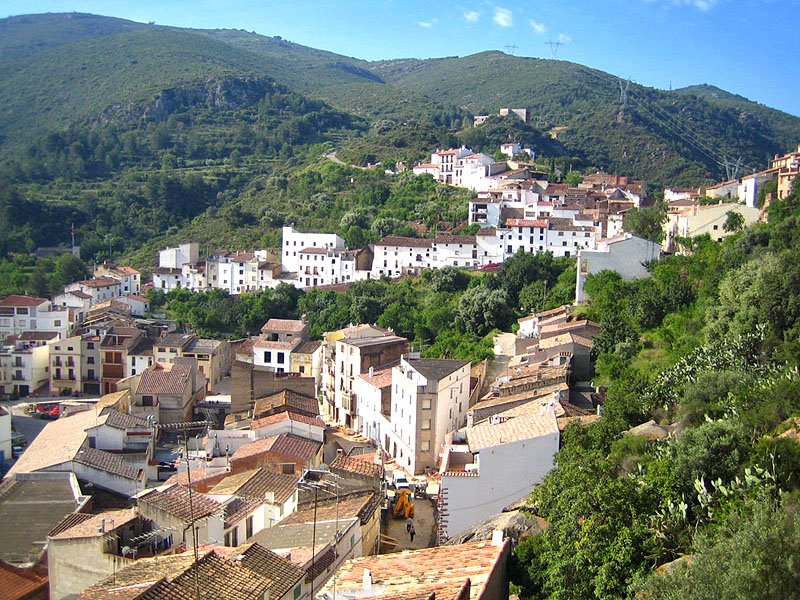
A simple vista, Torreblanca parece otro pueblo más de la Plana Alta. Calles rectas, casas bajas, vecinos que se saludan desde las puertas. Tiene esa normalidad que, en el fondo, es un halago.
Pero si le dedicas tiempo, empiezan a salir los detalles. En varias fachadas hay murales y paredes pintadas que rompen con el ladrillo y la cal. No es un museo al aire libre organizado; son intervenciones que han ido apareciendo con los años. Algunas son solo toques de color, otras cubren paredes enteras.
Luego está la Torre Nostra, la antigua torre vigía costera. Se construyó para avistar incursiones desde el mar, cuando esta franja de Mediterráneo requería vigilancia constante. Hoy el mayor peligro suele ser alguien aparcando donde no toca en verano, pero la torre sigue ahí para recordar que la calma que ahora damos por sentada no siempre fue lo normal.
La playa de Torrenostra y los humedales del Prat
La zona de playa de Torreblanca está en Torrenostra, a unos minutos del casco antiguo. Es una playa ancha y abierta, de arena fina y con espacio para caminar sin tener que ir esquivando toallas constantemente, incluso en agosto.
Lo interesante está en los extremos, donde empiezan a formarse dunas y la vegetación baja gana terreno. Ahí empieza el Parque Natural del Prat de Cabanes-Torreblanca, uno de los humedales importantes de esta parte de costa.
Si te acercas en silencio –mejor fuera de las horas más ruidosas– verás pájaros moviéndose entre las láminas de agua poco profunda y los carrizales. El parque también da refugio a peces que ya no se ven fácilmente por el Mediterráneo, como el fartet o el samaruc. Especies pequeñas que llevan años agarrándose a la supervivencia.
Este es un sitio que pide paciencia. Unos prismáticos dejados en el coche pueden servirte más aquí que en otro lado. El paisaje no es espectacular en el sentido postalita, pero la quietud del humedal, pillada en el momento justo, tiene un gancho sordo.
Aquí el arroz manda
La comida aquí sigue girando alrededor del arroz más que alrededor de modas pasajeras. No cuesta trabajo encontrar sitios donde preparan arroces pensados para servirse despacio y para alargar la sobremesa después.
Las versiones con marisco son frecuentes y suelen tener carácter. Junto a ellas aparece a menudo la olla torreblanquina: un guiso tradicional con garbanzos, judías verdes y lo que pidiera la olla ese día. Suena humilde porque lo es; platos así llevan generaciones puliéndose.
El ritmo importa tanto como los ingredientes. Las comidas rara vez van con prisa. Una cerveza más en la mesa no levanta cejas; hay un acuerdo tácito sobre que comer forma parte del día mismo y no es una interrupción breve.
Cuando las fiestas cambian todo
Las fiestas siguen marcando el año en Torreblanca. Varias celebraciones están ligadas a santos patronos y tradiciones locales con bastante recorrido.
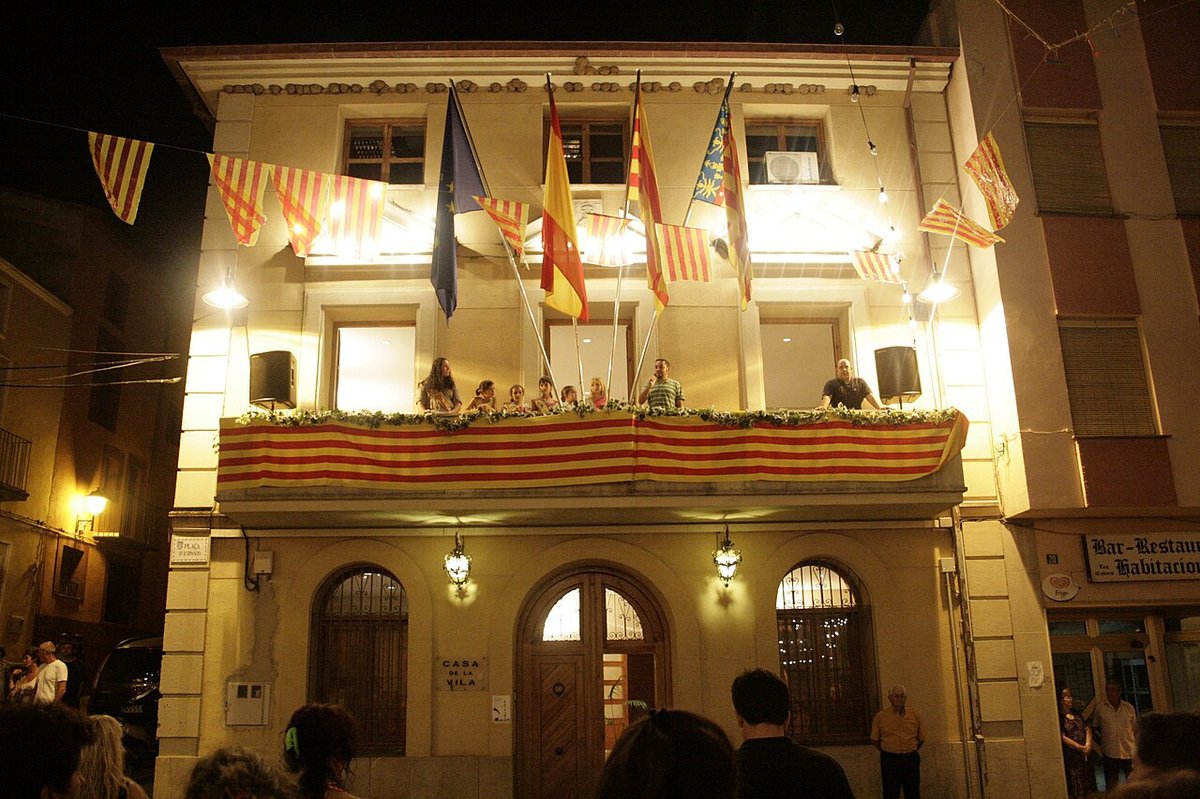
De las más visibles son los bous al carrer. Durante esos días el pueblo cambia por completo: calles cerradas con barreras, vecinos asomados a los balcones y corredores que se dispersan cuando el torro dobla una esquina. Para quien no esté familiarizado con esta tradición puede parecer caótico; para buena parte del pueblo es algo profundamente suyo.
En verano hay otro cambio de ambiente: Torrenostra se llena y sube el volumen general. El pueblo gana movimiento y ruido –sobre todo cerca de la playa– mientras que el resto del año mantiene un pulso más pausado.
Apuntes prácticos (y cuándo venir)
Llegar en coche suele ser lo más sencillo. Las zonas amplias cerca del centro suelen ser las mejores para dejarlo antes de explorar a pie: el casco antiguo no es grande y muchas calles se disfrutan más sin tener que maniobrar entre ellas.
El verano tiene la playa más animada; quien prefiera verlo todo con más calma puede encontrar mejor momento en primavera o otoño: hay menos bullicio general y la vida diaria fluye con otro ritmo.
Reserva algo de tiempo para acercarte al Prat aunque sea solo para caminar por alguno de sus senderos cercanos: puede no impresionar a primera vista pero esa combinación lámina-agua-carrizal-silencio puede dejar poso si le pillas las condiciones justas.
Al final Torreblanca queda entre naranjales, Mediterráneo y una zona húmeda que ha resistido más veces de lo previsible: acepta su tempo si vienes; así funciona mucho mejor