Full Article
about Vilanova d'Alcolea
Town on the Vía Augusta with farming roots; noted for its bell-tower and Castellón airport within its limits.
Ocultar artículo Leer artículo completo
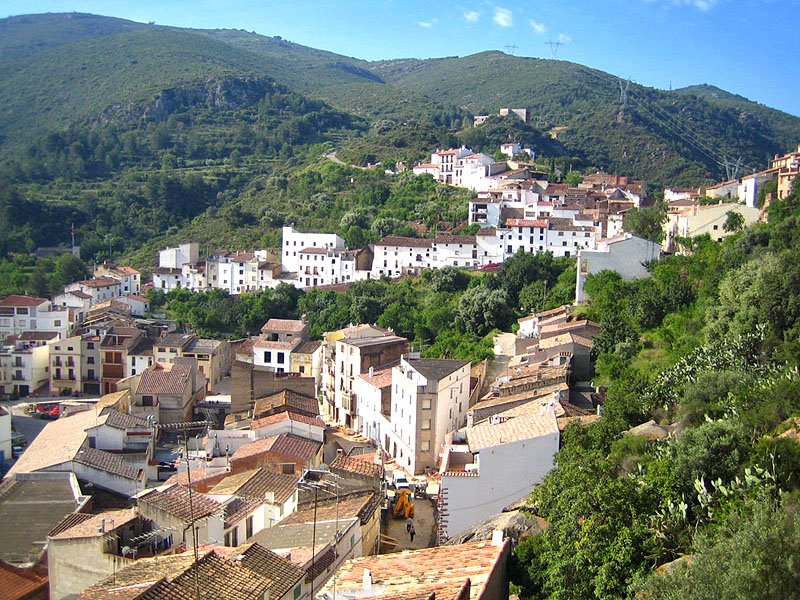
The church bell strikes noon. A tractor rumbles past the stone houses, and somewhere in the narrow lanes, a door creaks shut. Vilanova d'Alcolea doesn't announce itself. It simply exists, 575 souls scattered across limestone streets that tilt gently towards the Mediterranean, ten minutes away by car but feeling like another century.
This is not one of those Valencian villages that tourism brochures promise will "take you back in time." Time here never really left. The agricultural calendar still dictates the rhythm—almond pruning in January, olive harvest in November, the slow greening of orange groves between. The tractor you heard belongs to Paco, whose family has worked these terraces for three generations. He'll nod if you pass him on Camí de la Font, but he won't stop unless you ask about the land. Then he'll tell you how the soil changes colour after rain, how the almond trees bloom white against winter brown, how the sea breeze reaches up here even when you can't see the water.
The Village That Forgot to Modernise
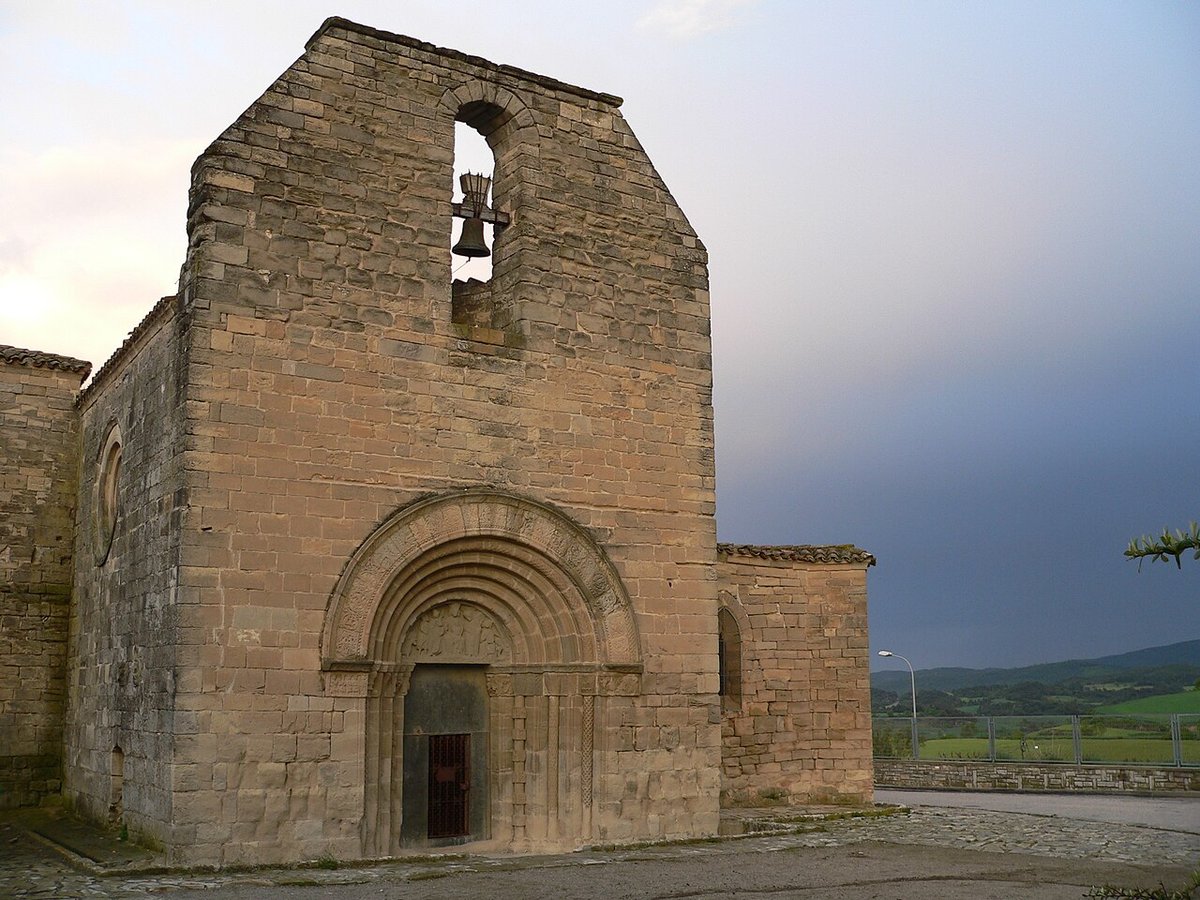
The stone houses huddle together for a reason. When these streets were laid out, Moorish raiders still sailed the coast, and villagers needed to scramble inside the church walls at the first sight of sails. San Bartolomé's church still stands guard, its bell tower the highest point for miles, though now it watches over Seat Ibizas rather than pirate galleons. The interior mixes Gothic ribs with Baroque excess—typical Spanish architectural improvisation, built and rebuilt as fortunes rose and fell with the almond prices.
Walk the old quarter clockwise. Start at the bakery where they still make coca de vidre, a brittle pastry that shatters like toffee. The owner, María, opens at seven but sells out by nine. She remembers when British visitors were a novelty. "Now you come for the walking," she says, sliding a still-warm coca across the counter. "Before, you only came for the cheap beer in Benicàssim." The coca costs €1.20. It tastes of almonds and honey and winter mornings.
The streets narrow as you climb. Houses grow shoulders, their upper floors almost touching overhead. Iron balconies hold geraniums that somehow survive the summer drought. Doorways reveal glimpses of tiled courtyards where lemon trees grow in pots and washing hangs like prayer flags. Number 47 has a medieval arch, its stones worn smooth by five centuries of shoulders. The house opposite displays a modern brass knocker shaped like a bull's head—a reminder that tradition here is selective, not preserved in aspic.
Where the Mountains Meet the Sea
Vilanova sits 340 metres above the Mediterranean, close enough that on clear days you can watch the sunrise paint the sea rose-gold while your feet stay firmly on limestone. The altitude matters. Summer mornings start cool, the air thin and clean. By two o'clock, heat shimmers off the stone, but evenings bring mountain breezes that smell of thyme and hot pine. Winter surprises British visitors—bright, sharp days when almond blossom reflects sunlight like snow, and the sea below looks tropical-turquoise against terracotta roofs.
The walking starts literally outside your door. Sendero 17 heads south through olive groves where trees predate Shakespeare. Their trunks twist like frozen smoke, and locals claim the oil tastes of the sea though the trees never see it. The path drops eventually to Barranco de la Fuente Roja, a limestone gorge where natural springs create an unexpected oasis. Ferns grow in cracks. Butterflies—Monarchs, Painted Ladies—float in shafts of sunlight. The water's drinkable; fill your bottle where the pipe emerges from rock, but check the flow first—summer droughts can reduce it to a trickle.
For longer walks, the PR-CV 147 loop circles through three abandoned farmsteads. Stone walls still stand, roofless now, their threshing circles overtaken by wild fennel. Information boards tell of families who left for Barcelona factories in the 1960s, never returned. The 12-kilometre route takes four hours including stops for photographs and the inevitable moment when you simply stand still, listening to absolute silence broken only by bee-eaters calling overhead.
Eating Like It's 1959
The village bars don't do tasting menus. They do what they've always done: feed field workers at prices that assume you're local. Bar Central opens early for coffee and carajillo—coffee with a measure of brandy that explains why tractor driving here requires steady nerves. Their breakfast tortilla comes in doorstop wedges, the eggs clearly from chickens that live behind the bar. €3.50 including bread rubbed with tomato and garlic, the Catalan way.
Lunch is the main event. Restaurant Pau serves from 2 pm sharp—arrive at 2.30 and they'll be turning people away. The menu del día costs €12 and runs to three courses plus wine. Expect arroz al horno, rice baked with pork ribs and chickpeas, the top layer caramelised and crunchy. Or if it's Thursday, olla de la plana, a vegetable stew that uses whatever the market gardener brought that morning. The wine comes from neighbouring Benlloch—young, rough, perfect with this food and better than anything you'd pay £20 for back home.
For self-caterers, the supermarket closes 2-5 pm because of course it does. Stock up in the morning on local olives, cured sausage flavoured with mountain herbs, and bread that goes stale by tomorrow—buy half what you think you need. The olive oil cooperative sells direct from steel vats; bring your own bottle or buy one of theirs for €2. It's mild, almost buttery, nothing like the peppery Tuscan oils British delis charge fortunes for.
When to Come, When to Stay Away
January brings the festival of Sant Antoni, and this is when Vilanova stops being quiet. Bonfires in the main square, locals jumping flames for luck, the smell of burning pine mixing with almond wood smoke. British visitors who've stumbled across it describe the fire-jumping as "completely health-and-safety-free and absolutely brilliant." The village bakery gives away panellets—almond sweets mixed with honey so local you could walk to the hives. But accommodation within 20 kilometres books out months ahead. The smarter move is day-tripping from Castellón or Benicàssim, though you'll miss the all-night singing that happens after tourists leave.
Spring proper starts in February when almond blossom turns the hillsides white. Photographers appear with long lenses and neutral-density filters, trying to capture something that's essentially impossible: the way blossom glows even under grey skies, how the air smells sweet and earthy simultaneously. By March the hills fade back to green-grey, and visitors vanish. This is arguably the best time—temperatures in the high teens, wild asparagus pushing through terrace walls, the village returning to itself.
Summer is hot. Not English hot, but properly Spanish hot—35°C by midday, the stone walls radiating heat until midnight. The village empties as locals head to coastal cousins. Bars reduce hours, the bakery closes August entirely. Unless you're walking at dawn and siesta-ing through midday, consider the coast instead. Benicàssim's beaches are ten minutes down the CV-10, though you'll trade village authenticity for beach bars playing Ed Sheeran on repeat.
Autumn brings olive harvest and proper rain—sometimes torrential, turning dry watercourses to raging brown torrents overnight. The village fills again with returning families, the smell of wood smoke replacing summer's pine resin. This is when you see Vilanova as villagers do: a working place where tourism is incidental, where the old men still gather at 11 am for brandy and cards, where British walkers are welcomed but never fussed over.
Getting Here, Getting It Right
Ryanair's morning flight from Stansted reaches Castellón airport in two hours fifteen. From there, it's 30 minutes by pre-booked taxi—€45, no public transport option. Car hire gives more flexibility; the road winds but it's good tarmac, no cliff-edge drama. Alternatively, fly to Valencia and take the train to Benicàssim, 12 kilometres away. But here's the thing: weekend buses from Benicàssim to Vilanova are practically mythical. Sunday service is non-existent. Saturday offers one bus at 1 pm, returning 7 am Monday. Miss it and you're looking at a €25 taxi each way.
Stay in the village itself if you want the full experience. Three casas rurals offer rooms from €60, all converted from stone houses with modern bathrooms and inevitably, Wi-Fi that's slower than the tractors. Book directly—owners don't trust booking sites and you'll pay 15% less anyway. They'll leave the key under a flowerpot because locks are for cities.
Bring cash. The village has no ATM, and the nearest is back down the mountain in Benicàssim. Cards work in the restaurant but not the bakery, not the olive cooperative, definitely not for buying wine from the neighbour who makes 200 bottles a year in his garage. His garnacha costs €4 and tastes like summer fruits and herbs—buy six, regret not buying twelve when you get home.
Leave the village as you found it: quietly, without expecting applause. Vilanova d'Alcolea doesn't need visitors, which paradoxically makes it worth visiting. Come for the walking, the almond blossom, the sense of a Spain that exists beyond the Costas. Don't come expecting to be entertained. Entertainment here is self-generated: conversations with tractor drivers, discovering your olive oil tastes different on toast, realising that silence can be deafening and completely addictive.