Alcudia de Veo - Flickr
Comunidad Valenciana · Mediterranean Light

Alcudia de Veo

The morning flight from Stansted lands at Valencia before the hire-car counter opens. By the time the paperwork’s done and the CV-20 has carried yo...

200 inhabitants · INE 2025
465m Altitude

Why Visit

Mountain Alcudia Castle Hiking to Pico Espadán

Best Time to Visit

spring

San Pedro festivities (August) Abril y Septiembre

Things to See & Do
in Alcudia de Veo

Heritage

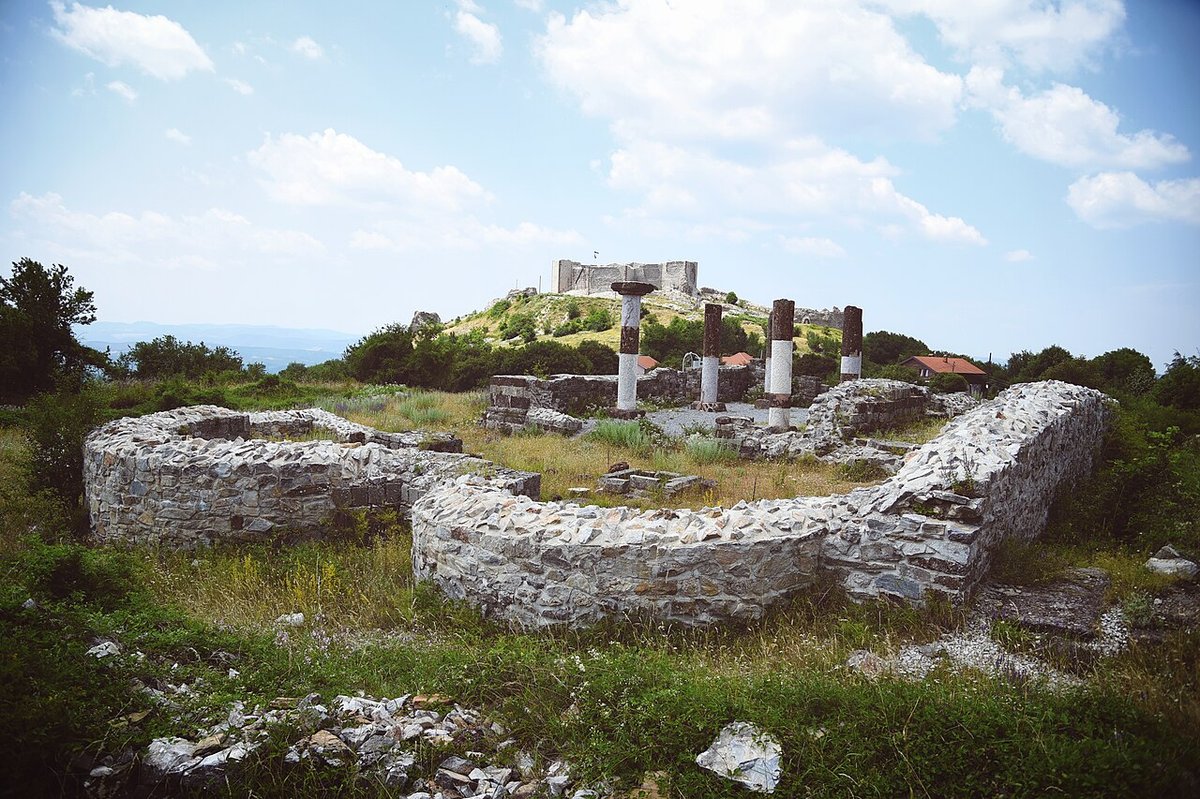
  • Alcudia Castle
  • San Miguel Church
  • Jinquer (Moorish settlement)

Activities

  • Hiking to Pico Espadán
  • River swimming
  • Caving

Full Article
about Alcudia de Veo

Charming village deep in the Sierra de Espadán, ringed by dense forest; perfect for nature lovers after quiet and unspoilt mountain scenery.

Ocultar artículo Leer artículo completo

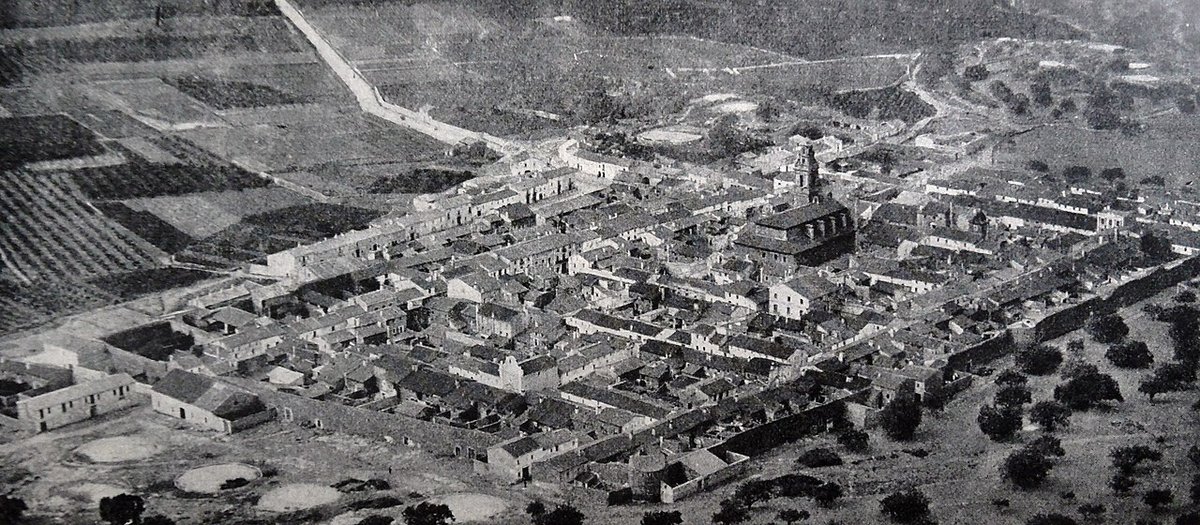
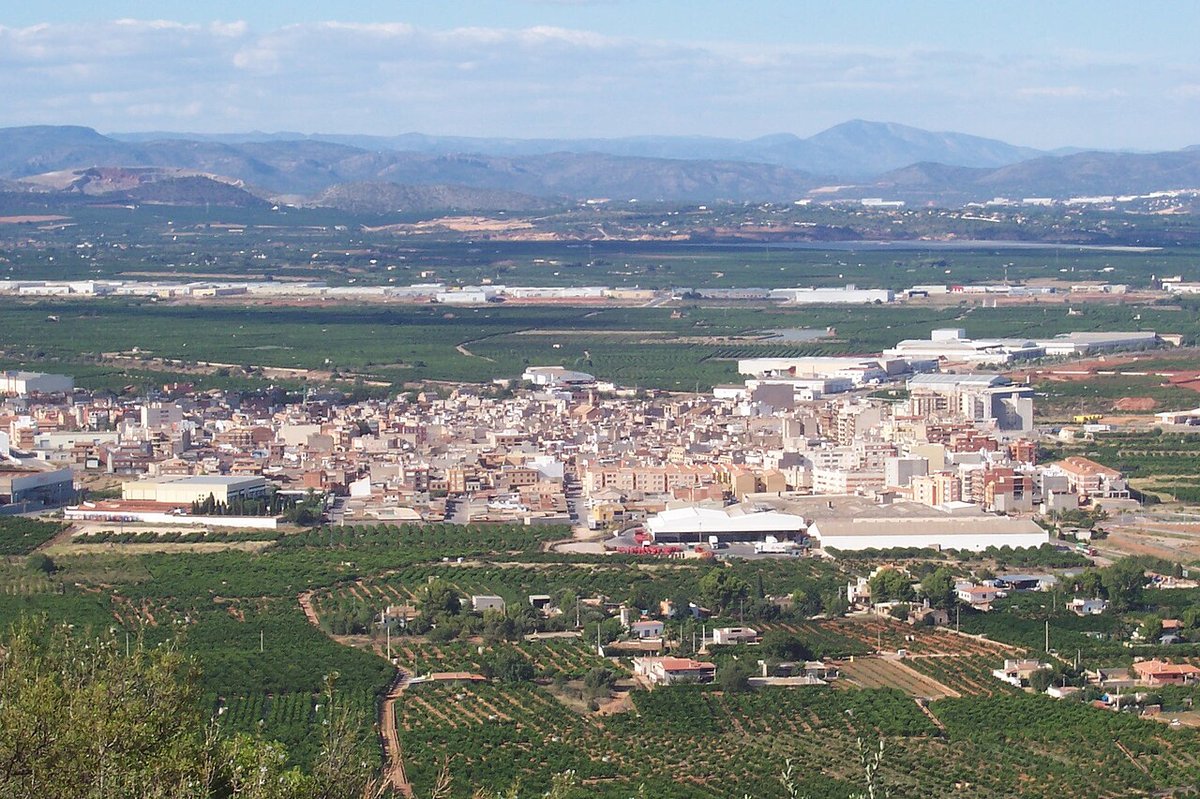
The morning flight from Stansted lands at Valencia before the hire-car counter opens. By the time the paperwork’s done and the CV-20 has carried you past the last orange-grove warehouse, the temperature has dropped six degrees and the sea is a thin silver line behind you. Alcudia de Veo appears suddenly: a scatter of stone roofs clamped to a ridge, no billboard, no roundabout sculpture, just a hand-painted sign that someone has refreshed with white emulsion this year. Population 197 on the council website, 200 if the goats are counted.

Stone, slope and silence

Park on the upper rim—there is no charge, no meter, no yellow line—and walk downhill. Gravity does the navigating. Houses are mortared together from the same limestone they sit on; terraces are held up by the same rock they grow out of. A single bar, Bar Alcudia, flies a faded Estrella flag. Inside, three locals discuss the price of almonds over a domino game that has been running since 1998. Order a café amb llet (€1.40) and the barman will ask “Lletra?”—how much milk?—because even coffee ratios are negotiable here.

The village takes perhaps twelve minutes to cross. Streets are staircases rather than pavements; trainers advisable, stilettos suicidal. The church of Sant Miquel watches from the highest point, its bell tower doubling as the mobile-phone mast. Reception improves beside the altar. Sunday mass is at eleven, weddings by appointment, funerals still announced by the tolling of the oldest bell, cast in 1783 and cracked in 1987. The fissure gives the note a minor key you can hear across the valley when the wind blows north.

What grows when nobody watches

Below the houses the slope relaxes into olivars, some terraces so narrow the trees grow single file. Many were planted in the 1920s, abandoned in the 1970s, pruned back to life in the 2000s by weekenders from Castellón who wanted their own oil. Picking starts in November; if you rent a casa rural that month, expect to be invited “to give a hand” which means four hours in cold drizzle and a bottle of home-pressed oil as thank-you payment. The oil is peppery, green, nothing like the supermarket stuff labelled “Product of more than one EU country.”

Cork oaks begin where olives give up, around 600 m. Their trunks are scarred from the last harvest: vertical slashes peeled off like wallpaper, the tree left to breathe and grow another decade. Between the trunks the ground is soft with last year’s leaves; wild asparagus pushes up in March, chanterelles in October. Both are free if you know the spots and can out-walk the neighbours’ dogs. Take a plastic bag and someone will inevitably ask “Busca bolets?”—hunting mushrooms? Answer “Sí, però soc anglès” and you’ll get directions plus a lecture on the deadly Amanita phalloides.

Walking without waymarks

Footpaths exist, but the Generalitat Valenciana ran out of cash for signage in 2010. Download the Wikiloc app and search “Alcudia de Veo circuit” for a 9 km loop that climbs to the Ermita de la Font de la Parra, drops into the Barranc de l’Infern, then crawls back up 300 m on cobbled mule track. Allow three hours, two litres of water, and one twisted ankle if you attempt it in flip-flops. Mid-week you will meet nobody except a retired teacher from Surrey who bought a ruin in 2004 and still hasn’t fitted windows; he’ll offer you a mandarin from his garden.

Harder walkers can continue along the GR-36 long-distance path to Eslida (three hours, 600 m ascent) where Hotel Els Porxets does a respectable rabbit paella on Sundays—ring ahead, they batch-cook for locals and hate waste. The ridge gives sudden views east to the Mediterranean: on clear winter days you can pick out the lighthouse on the Columbretes islands 56 km away, a thin needle of light that reminds you how far inland you really are.

When the fiesta is louder than the church bell

San Miguel, 29 September. The village doubles in size as expat offspring return from Valencia, Barcelona, Birmingham. A sound system appears on a flat-bed lorry, bass thumping off stone walls until two in the morning. Saturday brings a foam cannon in the tiny plaça; children slide across the bubbles while grandparents gossip from kitchen chairs brought outside for the occasion. Sunday mass is followed by paella cooked in a pan two metres wide, stirred with an oar, served free if you bring your own bowl and spoon. Plastic plates are frowned upon—this is still Spain.

January’s Sant Antoni is quieter but stranger: a bonfire of vine prunings, a priest wafting incense over dogs, cats and the occasional pet rabbit. Owners clutch nervous Labradors; the rabbit makes a break for the olive groves. Afterwards, sweet moscatel wine and sugared fritters are handed round. British visitors often find the animal blessing quaint; locals insist it guarantees flea-free sofas for the year.

Practical stuff nobody puts on the postcard

Shops: one grocer, open 09:00–13:00, sells UHT milk, tinned tomatoes and a surprising range of British biscuits brought in by a distributor who also supplies Benidorm. Bread arrives in a white van at 11:30; if the horn toots, queue quickly. Fresh fish is Thursday only.

Cash: the village has no ATM. The nearest is in Sueras, 12 km down a road that feels like 20. Bar Alcudia accepts cards for drinks but not for the tortilla sandwich you want at closing time.

Petrol: ditto. Fill up at Onda before you turn off the CV-20 or risk the yellow warning light glowing all the way home.

Accommodation: three self-catering houses, none with pools, all with wood-burning stoves and patchy Wi-Fi. Weekends in April are booked by rock-climbing clubs from Madrid; October belongs to mushroom foragers. Reserve early or arrive mid-week and negotiate.

Weather: 465 m makes a difference. August nights drop to 18 °C—pack a fleece. January can touch –2 °C; the stone houses were designed for this but the bathrooms weren’t. Hot-water bottles are not ironic here.

Leaving without promising to return

By late afternoon the sun has slipped behind the western ridge and the temperature plummets. Swifts wheel above the church tower, then disappear as if switched off. Headlights pick out the cork oaks on the drive down, each trunk glowing orange for a second before the bend takes it away. Back on the coastal plain, heat rises from the orange groves and the sea reappears, flat and metallic. Alcudia de Veo is already a ridge of darkness in the rear-view mirror—no souvenir shops to remind you, no fridge magnets, just the faint smell of woodsmoke in your clothes and a bottle of olive oil rolling on the passenger seat.

Key Facts

Region
Comunidad Valenciana
District
Plana Baixa
INE Code
12006
Coast
No
Mountain
Yes
Season
spring

Livability & Services

Key data for living or remote work

2024
Connectivity5G available
TransportTrain 13 km away
HealthcareHospital 14 km away
Housing~5€/m² rent · Affordable
CoastBeach nearby
Sources: INE, CNMC, Ministry of Health, AEMET

Official Data

Institutional records and open data (when available).

  • Castillo de Alcudia de Veo
    bic Monumento ~0.3 km
  • Castillo de Jinquer o Xinquer
    bic Monumento ~3.7 km

Planning Your Visit?

Discover more villages in the Plana Baixa.

View full region →

More villages in Plana Baixa

Traveler Reviews