Full Article
about Alfondeguilla
Gateway to the Sierra de Espadán from the south; quiet, Moorish-founded town with narrow streets and direct access to popular hiking trails.
Hide article Read full article
Alfondeguilla, entre la sierra y el naranjal
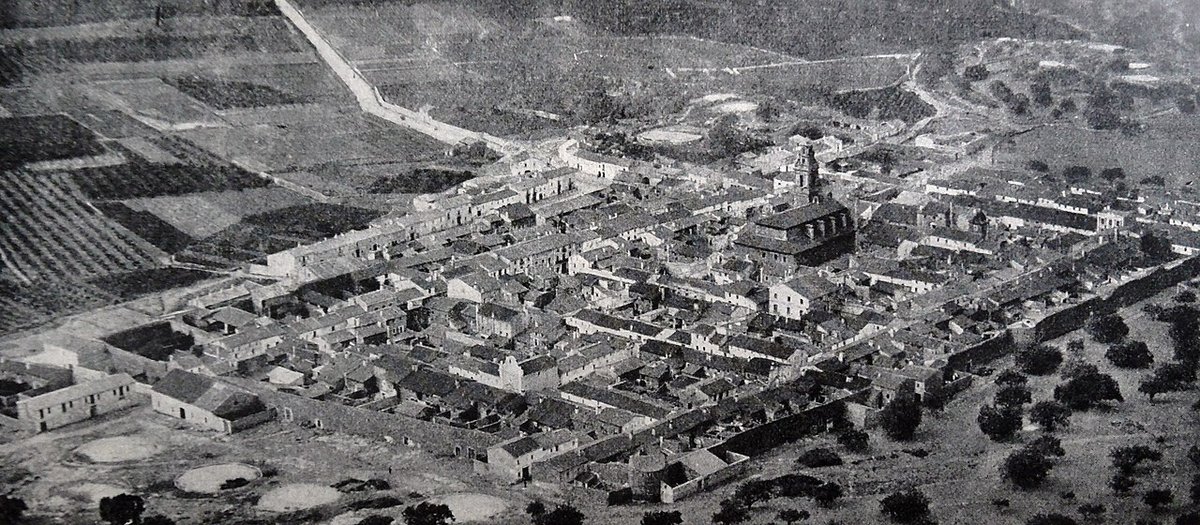
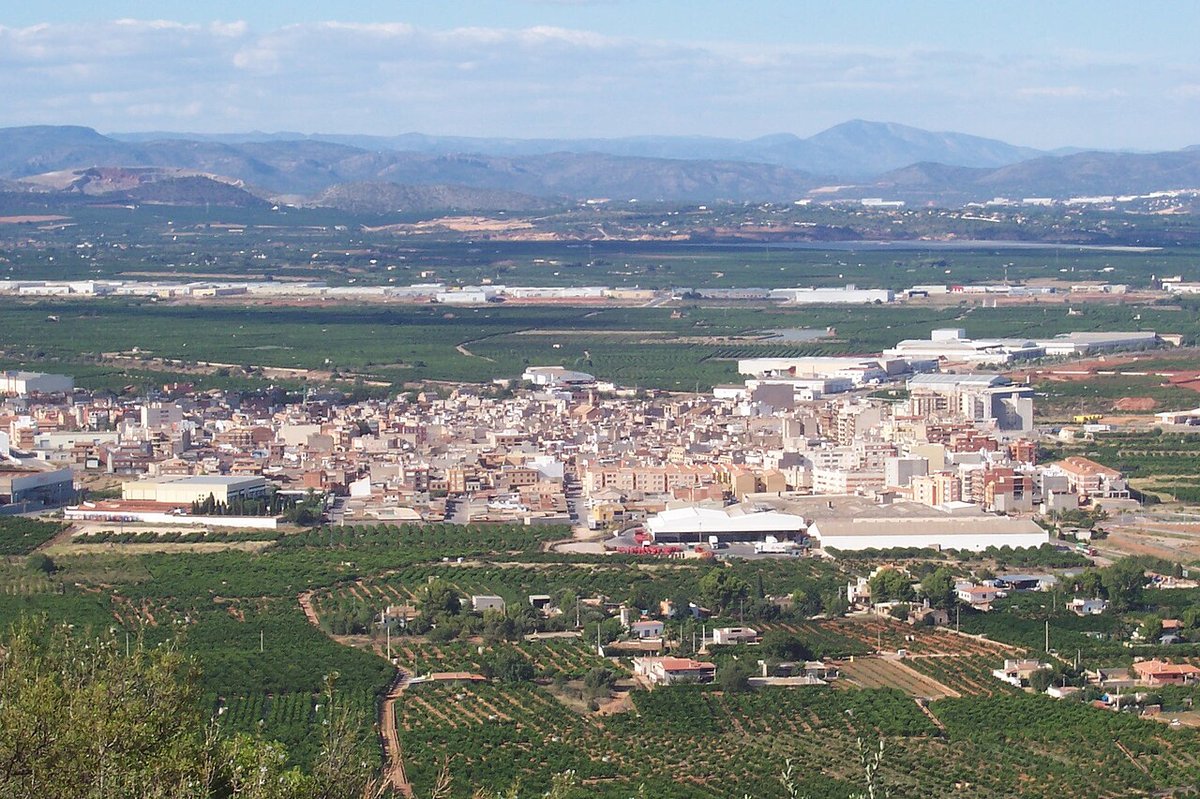
Alfondeguilla se encuentra en el límite sur de la Sierra de Espadán, justo donde la montaña cede su sitio a la llanura litoral de Castellón. El pueblo ocupa una terraza natural, con las últimas estribaciones de la sierra a sus espaldas y la extensión ordenada de los cítricos a sus pies. Esta posición fronteriza ha marcado su historia: un lugar de paso y recursos, donde la vida se ha organizado siempre entre el monte y la huerta.
Con menos de novecientos habitantes, mantiene la estructura de un pueblo agrícola de la Plana Baixa. Su trazado no es casual. Las calles se adaptan a una ligera pendiente, buscando el sol y evitando los vientos del norte. El casco urbano es compacto; en diez minutos se cruza de un extremo a otro.
Un núcleo que mira a la huerta
El centro lo ocupa la iglesia parroquial de San Bartolomé, un edificio del siglo XVI con reformas posteriores. Su valor no es tanto artístico —es una construcción sobria, sin grandes pretensiones— como social: la plaza frente a su fachada sigue siendo el punto de encuentro. A su alrededor, las calles son estrechas, flanqueadas por casas de dos plantas, encaladas, con basamento de piedra y balcones de forja sencilla. En muchas fachadas se conservan los portones anchos, pensados para que entrara un carro cargado de leña o de cosecha.
Desde cualquier callejón que salga del núcleo antiguo, en dos minutos se llega al borde del pueblo. Ahí empiezan los naranjales, una cuadrícula verde que se extiende hasta donde alcanza la vista. El contraste es brusco: del rumor de la fuente en la plaza al silencio solo roto por el viento en los árboles.
La puerta trasera del Espadán
Alfondeguilla tiene una relación práctica con la Sierra de Espadán. No es solo un paisaje: durante siglos fue despensa, fuente de agua y de corcho. Varios caminos rurales salen directamente del pueblo hacia el parque natural. No son grandes rutas de montaña, sino senderos locales que suben por barrancos cubiertos de pinar y alcornoque. En una hora de caminata se gana suficiente altura para ver toda la Plana Baixa, con el mar al fondo en los días claros.
El clima aquí es decisivo. En verano, el calor aprieta en la zona baja y la subida se hace pesada; es mejor madrugar. En otoño o primavera, el monte está en su punto: el suelo de hoja seca cruje bajo los pies y el aire huele a romero y tierra mojada.
Festividad y calendario agrícola
La vida en Alfondeguilla sigue marcada por el ciclo agrícola y las festividades locales. Los actos principales son las fiestas patronales de San Bartolomé, a finales de agosto. Durante esos días el pueblo cambia su ritmo: hay procesión, verbenas y comidas comunitarias en la plaza.
La cocina local es la de Castellón interior: arroces al horno, ollas y dulces de almendra. Muchos ingredientes —aceite, cítricos, hortalizas— aún proceden de huertos cercanos o de la propia cooperativa agrícola del municipio.
Cómo llegar y moverse
Se llega por carretera desde la Vall d’Uixó, a unos diez minutos en coche. Desde Castellón de la Plana son unos cuarenta kilómetros por la CV-10.
El pueblo se recorre andando. Para adentrarse en la sierra, lo más sencillo es tomar alguno de los caminos que parten junto a las últimas casas, en dirección norte. Conviene llevar agua y calzado adecuado; el terreno es pedregoso en las subidas. Antes de hacer una ruta más larga por el Espadán, es útil consultar el estado de los senderos en el centro de información del parque natural.