Full Article
about Almenara
Coastal municipality bordering Valencia, watched over by a cluster of defensive towers in the hills; it offers quiet beaches and a marshland of high ecological value.
Hide article Read full article
Where the Plain Meets the Sea
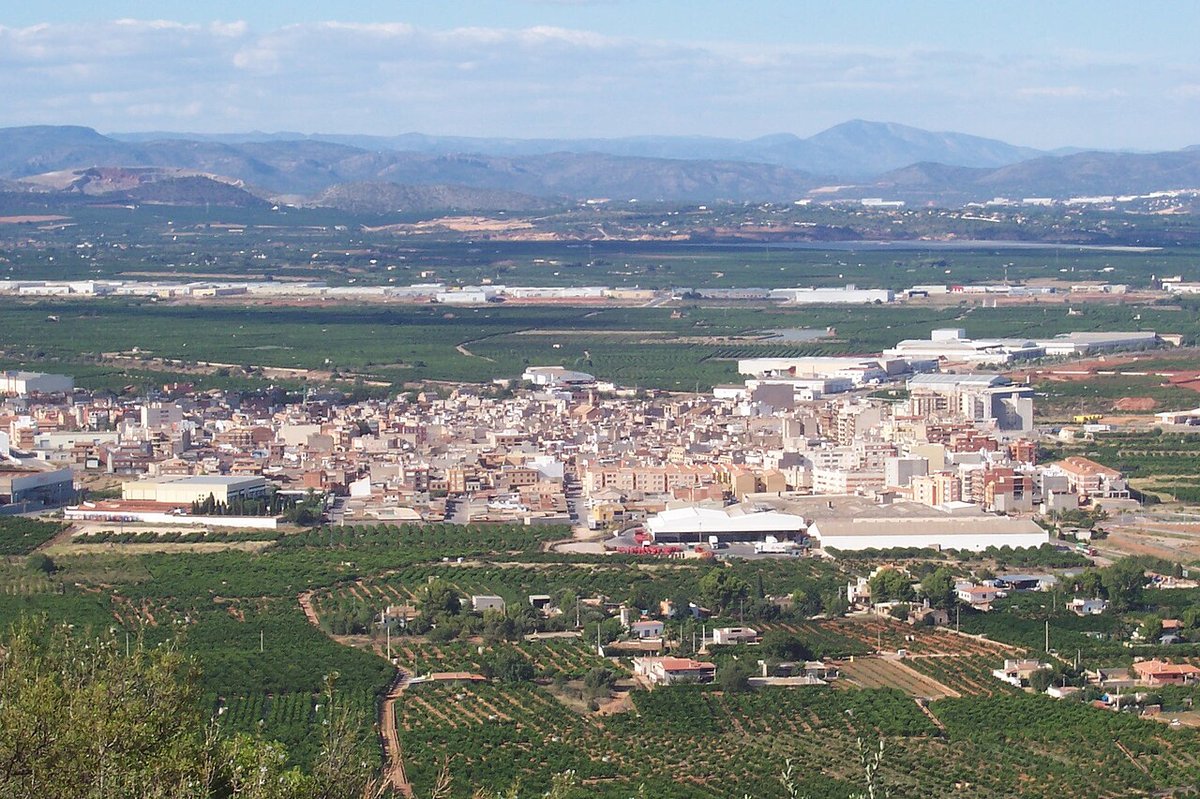
At around five in the afternoon, as the sun begins to dip, the air in Almenara often carries a particular scent. Orange blossom drifts in from the orchards and mixes with salt from the nearby Mediterranean. It is most noticeable in spring and early summer, when the huerta is in full swing and the sea breeze reaches inland without much resistance. Field and coast sit so close together here, in the Plana Baixa area of the Comunidad Valenciana, that they can seem like a single landscape: irrigation channels running between orange trees, flat roads stretching ahead, and beyond them a grey-blue line of water.
Almenara is not a place of abrupt transitions. The terrain is largely level, open and agricultural, and daily life still reflects that connection to the land. Even when the beach fills in summer, the rhythm of the surrounding plain remains visible in tractors on rural tracks and fruit ripening in neat rows.
The Village That Smells of Melon
In the weekly market, conversations still turn to the melón de Alger. The name can puzzle outsiders. In Valencian it usually refers to what most people would simply call watermelon, the kind long grown across the plain before varieties designed for long transport and cold storage became common.
Older residents still examine the rind carefully, tap it with their knuckles and debate whether it will “turn out good”. These small gestures date back to a time when much of the village depended directly on farming. The produce was not an abstract commodity but something tied to family plots and seasonal work.
In many homes, summer meals continue to end with thick slices of chilled melon or watermelon set out on a plate. It is less a formal tradition than a domestic habit, repeated without ceremony. The fruit appears at the table because it always has. In this part of the Plana Baixa, food and landscape remain closely linked, and even a simple dessert reflects the agricultural character of the area.
When the Water Stands Still
Just over a kilometre from the centre of town, depending on the route taken, lie Els Estanys. These small freshwater lagoons are fed by water that has filtered for years through the nearby hills before emerging from underground. The result is a quiet wetland edged with reeds and rushes.
Wooden walkways and short paths allow visitors to circle part of the lagoons without stepping into mud. Early in the morning there are often more birds than cars. Coots and moorhens move across the surface, and herons can sometimes be seen standing motionless at the water’s edge.
Els Estanys are not extensive. The area can be covered slowly in under an hour. The space rewards a slower pace, with pauses to watch the water or listen. In summer, it is wise to come early or towards dusk. The sun on this flat plain can be intense and there is little natural shade. At quieter times of day, the wetland feels removed from the built-up areas nearby, even though the town is within easy reach.
The Castle Above the Plain
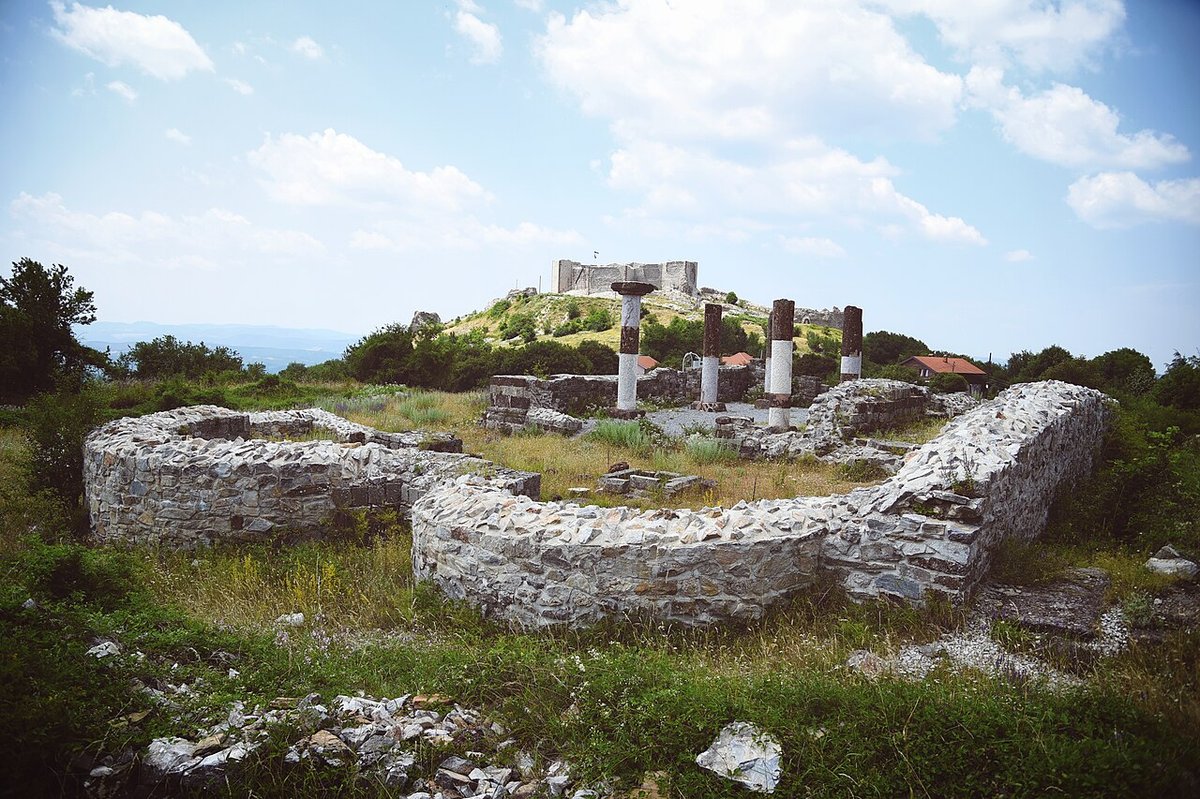
The outline of the Castillo de Almenara is visible from a distance, set on the last rises before the land flattens out completely again. Today, sections of wall remain along with two clearly recognisable towers. The walk up is short but steep, following a path that winds through low scrub and loose stone.
From the top, the geography of the place becomes clear. On one side, the Plana Baixa spreads out in a patchwork of cultivated fields. On the other, the Mediterranean lies open. For centuries these towers formed part of the coastal watch system. Smoke or fire signals would warn of movement at sea, linking this hilltop to other defensive points along the shore.
Towards sunset a breeze often picks up. The sound of tractors heading back along agricultural tracks carries across the plain. It is a calm moment to make the climb, with softer light and less heat. The remains themselves are modest, yet the setting explains their purpose better than any sign could.
Beach and Marjal
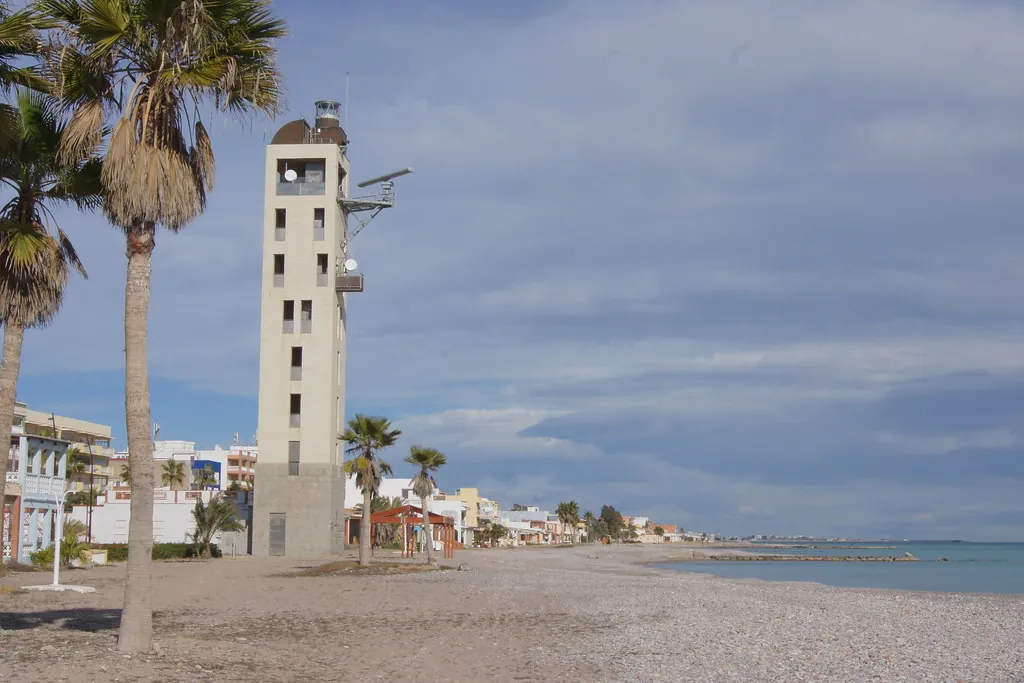
Almenara’s coastline opens into a broad strip of fine sand and shallow water. Playa de Casablanca is the best known stretch, lined with a promenade and residential developments that fill mainly in summer.
Behind this first line of buildings and sand lies a different landscape. Areas of marjal, low-lying wetlands typical of the Valencian coast, and small protected zones mark the meeting point of fresh and salt water. Reeds and channels provide habitat for water birds, which continue to use these spaces even during the busiest months.
August brings a noticeable change. More people, more umbrellas, more movement from early morning. The atmosphere is lively and concentrated along the seafront. Those looking to walk with a little more space often find that early or late in the day works best, when the heat eases and the shoreline becomes less crowded.
The contrast between beach and marjal reflects the wider character of Almenara. Open sand and shallow sea sit side by side with agricultural land and freshwater lagoons. None of it is dramatic in scale, yet the shifts from one environment to another happen within a short distance.
Choosing the Moment
Las Fallas are celebrated in Almenara too, although on a much smaller scale than in nearby cities. For visitors unfamiliar with the festival, Fallas are traditional Valencian festivities held in March, featuring large sculptural monuments that are eventually set alight, along with fireworks and street celebrations. Here, the atmosphere fills the streets with firecrackers and fallero monuments, but the pace remains that of a small town.
In summer, activity moves decisively towards the coast. The town centre tends to be quieter during the day, while the beach becomes the focus of social life. June and September are often appreciated for their balance: warm weather, a sea that has already or still retains its heat, and fewer people than at the height of the season.
Winter brings a different palette. Orange groves heavy with fruit change the colour of the plain. On windy days, the smell of the sea can be detected even from the middle of town. The landscape feels more open, the horizon sharper.
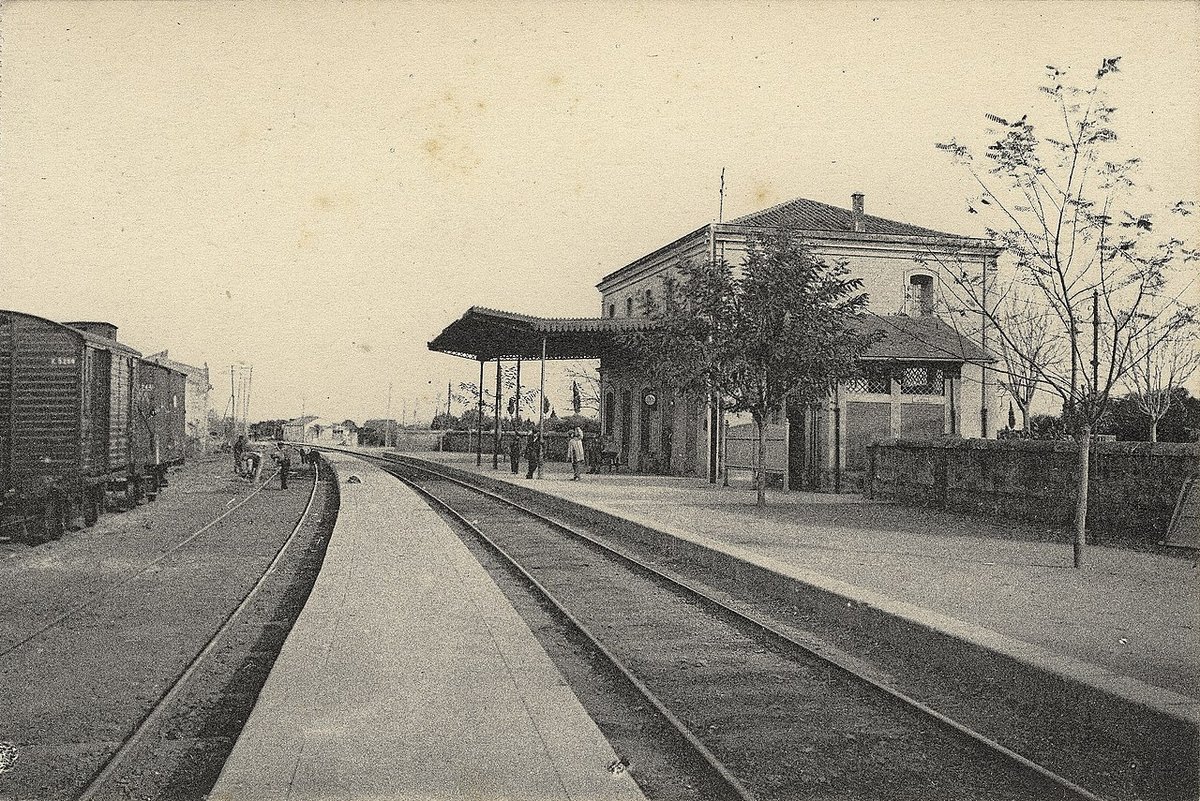
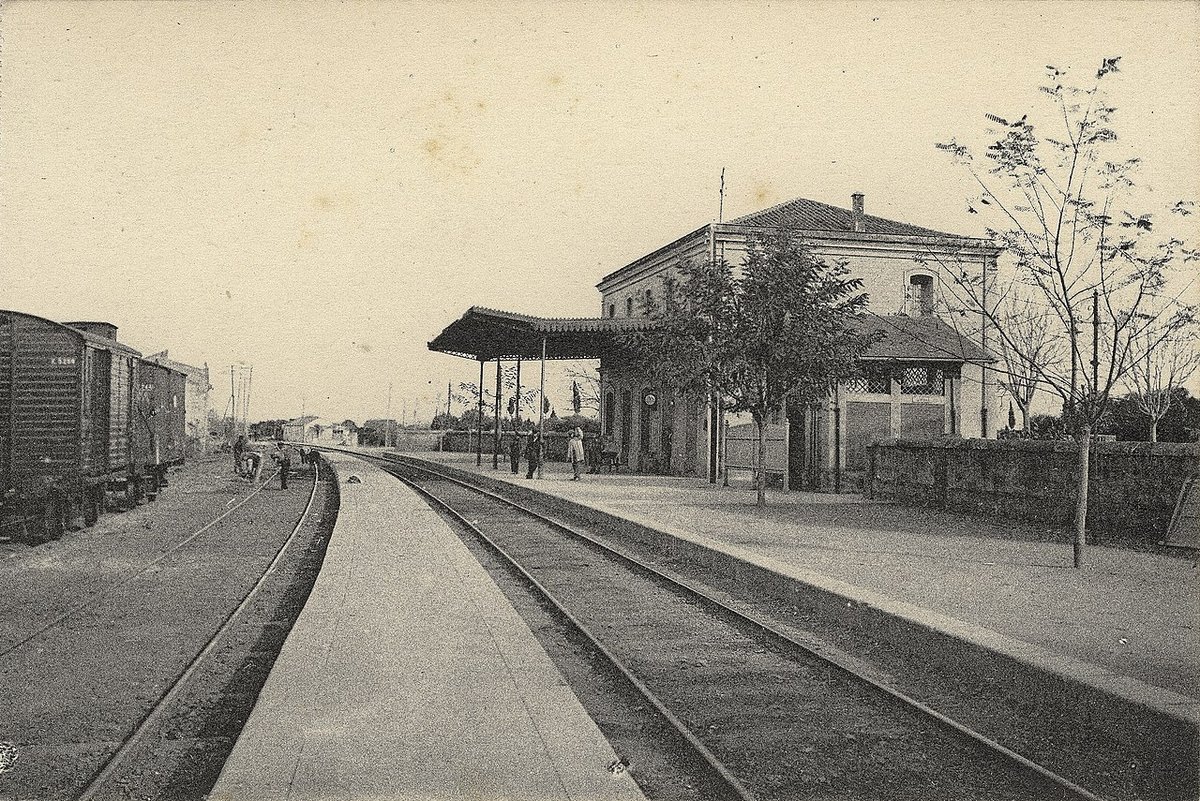
For practical purposes, Almenara has a railway station on the line connecting Valencia and Castellón. It is located between the town and the beach. From there, many people continue on foot or by car. Local transport towards the coast is usually reinforced in summer, though timetables vary by season and are best checked locally.
Almenara does not seek to impress with grand monuments or dramatic scenery. Its appeal lies in proximity: fields near the sea, freshwater lagoons within walking distance of the centre, a castle that still overlooks the plain. The details are everyday ones, repeated across seasons, shaped by agriculture and tide.