Full Article
about Alquerías del Niño Perdido
A young municipality split from Vila-real in the heart of the citrus plain, known for its traditional rural architecture and quiet setting just a few kilometers from both the coast and the mountains.
Hide article Read full article
Where the fields turn into a town
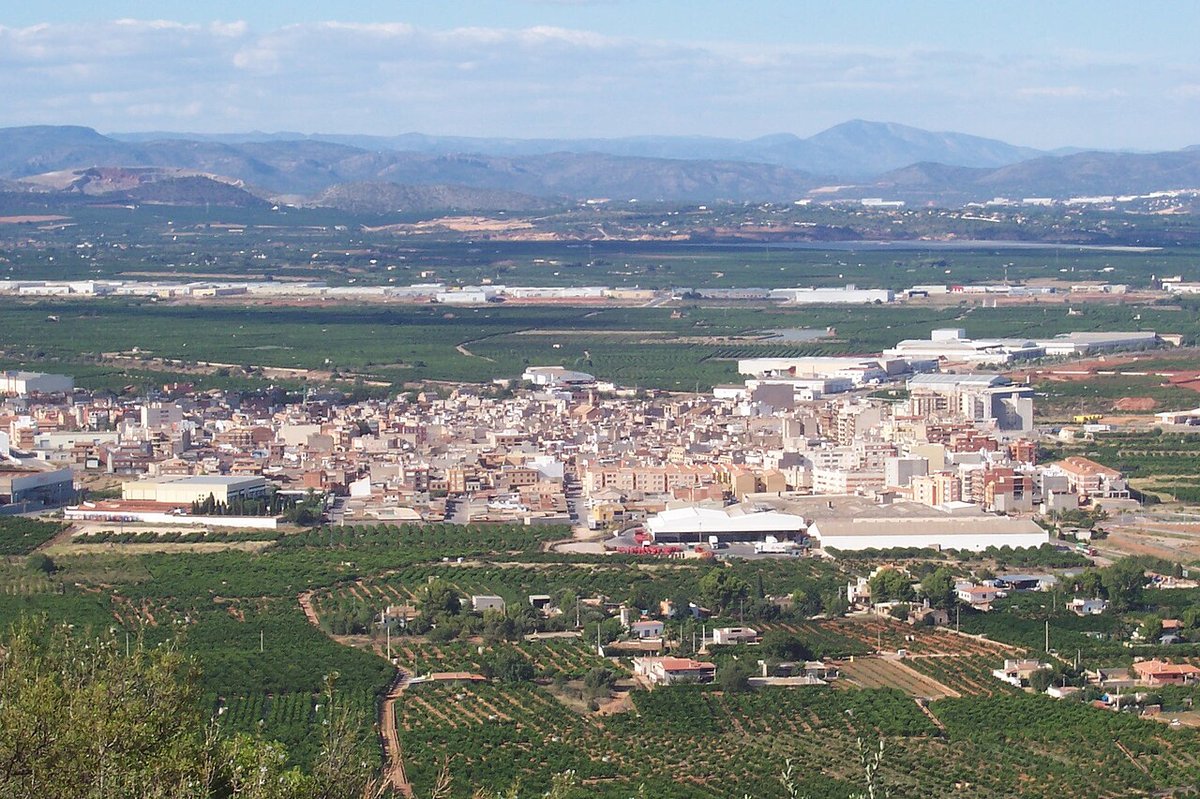
Something slightly unexpected happens with Alquerías del Niño Perdido. You drive through the Plana Baixa surrounded by orange groves, assuming you are simply crossing farmland, and then the town appears. No dramatic entrance, no clear shift in scenery. The houses just begin.
Tourism here follows that same quiet logic. This is not a place people come to tick off famous landmarks. It is the sort of destination that reveals how the area lives once the coastline fades and the agricultural landscape takes over.
A few kilometres from the sea and home to just over four thousand people, the municipality remains closely tied to farming. You can sense it in the pace of daily life and in everything around it: long stretches of citrus trees, rural tracks and scattered farm buildings across the surrounding land.
A town rooted in the huerta
The first impression is straightforward. The huerta, the cultivated farmland typical of this part of Spain, sets the tone.
Around the urban centre, plots of orange and mandarin trees stretch in all directions. In winter, when the fruit is ready, it is common to pass trailers piled high or to see people working among the rows. Spring changes the atmosphere completely. During the blossom period, the scent of orange blossom drifts across the area and fills the air.
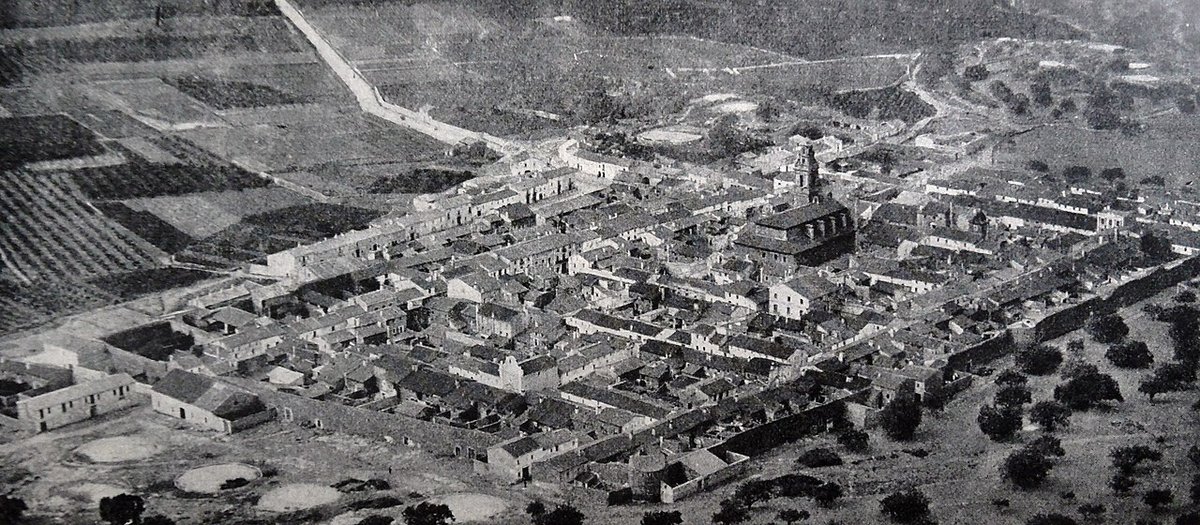
This landscape explains much about the town itself. There are no grand historic buildings or monumental squares. The main point of reference is the church of San Miguel Arcángel. Its bell tower can be spotted from different approaches as you arrive by road, acting as a quiet marker rather than a dominating feature.
Everyday streets, lived-in spaces
The centre can be covered in a short walk. Streets such as Calle Mayor or Carrer Nou reflect the typical mix found in agricultural towns: older houses alongside more recent homes.
Some façades still show large wooden doors, decorative iron grilles or traditional ceramic tiles. These details are not preserved for display. They remain part of everyday life, as these are still homes where people live.
Names that echo the area’s agricultural past appear here and there, recalling a time when much of the land was organised into small farmsteads and family-run plots. It is a reminder that the current town grew out of that rural structure rather than replacing it entirely.
Walking out into the fields
For anyone who enjoys an easy walk, the most interesting part lies beyond the town centre.
A network of rural paths extends through the surrounding farmland. They are simple, mostly flat and suitable for walking or cycling without difficulty. These dirt tracks run between cultivated plots, irrigation channels and small agricultural buildings.
Now and then, older farmhouses come into view. Some have been restored and are still inhabited, while others retain features such as courtyards or old working spaces that hint at how life functioned here decades ago. There are no information panels or marked tourist routes explaining what you see. The experience is more about observing and gradually understanding the landscape.
These paths also connect with nearby municipalities in the Plana Baixa, including Vila-real, Borriana and Nules, all within a short distance. The sense of continuity between towns and farmland is part of what defines the area.
Local celebrations and daily rhythm
Festivities in Alquerías del Niño Perdido revolve around San Miguel Arcángel, the town’s patron saint. Celebrations traditionally take place around September, combining religious events with activities organised by local associations. During these days, the atmosphere becomes livelier and many residents who live elsewhere return.
At different points in the year, smaller events linked to agriculture or the citrus harvest also appear. These are not large-scale fairs. They tend to be modest gatherings where farming still plays a central role.
Summer brings a different kind of activity. Open-air dances, small concerts and children’s events take place in the squares. These are typical village evenings, where people bring chairs outside and conversations stretch late into the night.
What you actually come for
Alquerías del Niño Perdido is not a destination built around a full schedule of sightseeing. It works better as a calm stop within the wider Plana Baixa.
You arrive, walk through the centre, then head out along the rural paths and watch how an agricultural town continues to function. That can be more revealing than a checklist of attractions.
For those who pay attention to small details, there is plenty to notice. Irrigation channels running alongside paths, carefully aligned fields, agricultural warehouses and the routines of daily life all form part of the experience. It simply requires slowing down and looking around.