Full Article
about Betxí
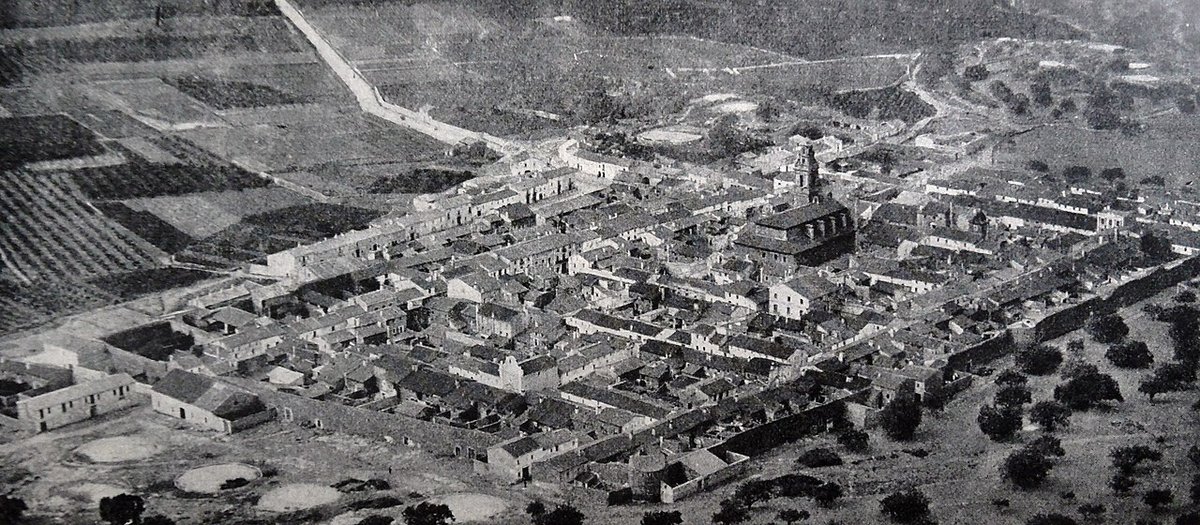
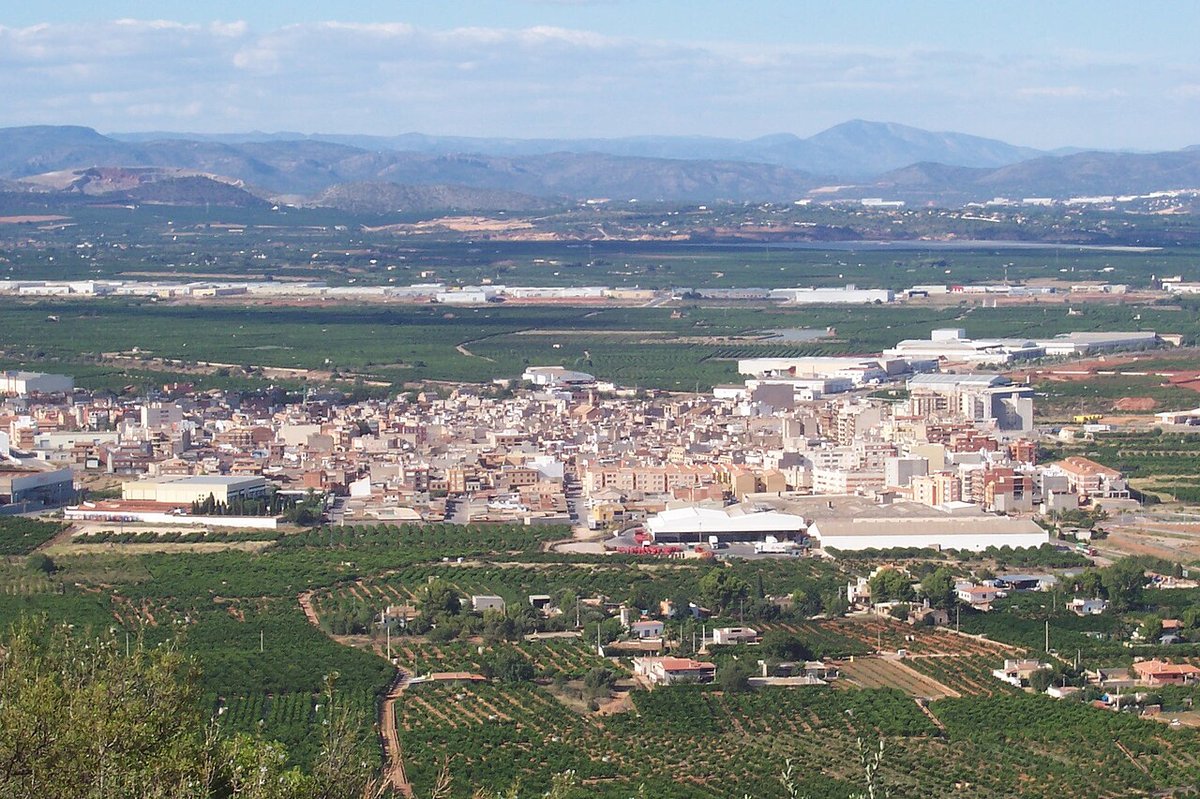
A citrus-growing town at the foot of the Sierra de Espadán; its standout feature is the Renaissance palace-castle in the center of the main square.
Ocultar artículo Leer artículo completo
The bell in the Iglesia de la Asunción strikes eleven just as the bakery on Plaza Major runs out of coca de Betxí. By half past, the morning queue has evaporated, the metal shutter rattles down, and the village slips into the quiet rhythm that defines it. This is not a place engineered for visitors; it’s a place that gets on with work.
The Scent That Changes with the Seasons
Betxí sits 73 m above sea level on the flat coastal shelf of Plana Baixa, yet the air behaves as if the mountains begin here. In February the breeze carries damp earth and wood-smoke; by late March it sharpens with orange-blossom so heady that cyclists coast with helmets lifted, breathing it in. Come July the fragrance turns resinous, hot citrus skin baked on the branch, and by October the first pressing of olives adds a peppery note that lingers in the throat. The altitude is modest, but the scent-map gives the illusion of climbing through seasons in a single afternoon.
The groves press right up to the stone houses. Irrigation channels—some Moorish, some patched by 19th-century cooperatives—still glug and gurgle between plots, keeping the soil cool even when Castellón’s hinterland is 36 °C. Locals time evening walks to coincide with the water’s release; the temperature drops five degrees along the camí Vell d’Onda, the old mule track that slices west towards the mill.
A Town That Forgot to Whitewash Everything
Guidebooks prepared for Andalucía will feel short-changed. Betxí’s façades fade from ochre to salmon without ever quite committing to the postcard white. A 17th-century manor on Carrer Major still bears a 1940s telephone cable skewered through its stone balcony; the iron grillwork opposite is missing three spears, like a mouth with teeth knocked out. These gaps aren’t staged authenticity—they’re simply tomorrow’s job that hasn’t arrived yet. The effect is oddly reassuring: no one is polishing the past for your benefit.
Inside the parish church the audio-guide is a single laminated A4 sheet guarded by a woman who asks for a euro “para las luces”. She flips the switch whether you pay or not, then returns to her romance novel. The altarpiece is gilded, but the side chapel holds a plaster Virgin with a broken nose, repaired in two visible stages. British visitors expecting the bling of Valencian cathedrals find something closer to a parish church in Rutland—smaller, shabbier, still in use.
Cycling, Strolling, Getting Mildly Lost
The tourist office—open 10:00-14:00 only—hands out a free cycling map printed on the reverse of the ceramic-route flyer. The distances look negligible: 12 km to Villarreal, 18 km to the Espadán foothills, 30 km loop through Alfondeguilla. What the map doesn’t advertise is the wind. Sea breezes funnel up the plain unannounced; on a still morning you can be pushing into a 20-knot headwind that vanishes the moment you turn back towards the orange lanes. Hire bikes from CicloBetxí (€15/day) opposite the pharmacy—no deposit required, just a phone number scribbled on a receipt.
If two wheels feel too committed, follow the signed walk that begins behind the sports pavilion. It ducks along acequias for 5 km, ducking under bamboo vaults and past corrugated sheds where farmers sort Seville oranges for marmalade export. Spring brings colour from wild fennel and the electric-blue flash of kingfishers that have worked out the irrigation system is stocked with tiny carp. The path is flat, trainers suffice, but the mud sticks like pottery slip after rain—don’t wear white.
Lunch at the Speed of the Orange Conveyor
There are three proper restaurants and one British-owned curry house that opens Friday-Sunday. Locals gravitate to Bar Alameda, where the menu del día costs €12 and arrives within six minutes of ordering. Paella here is rabbit-and-snail, but staff will swap for seasonal veg if asked before 14:00; after that the pan is scraped clean. House wine comes in a glass tumbler printed with the fertiliser company’s logo—an inadvertent reminder of the supply chain outside.
For something quieter, walk two streets south to Casa Rural El Tossal’s tiny terrace. They serve only three main dishes, changing according to what the gardener picks: artichoke hearts with almonds, lamb shoulder slow-baked in clay, and a citrus tart sharp enough to make the jaw ache. Booking is essential; WhatsApp messages are answered after siesta ends at 17:00 sharp.
When the Village Parties, It Really Parties—Briefly
Betxí’s fiestas are short, intense, and over by midnight. The mid-August patronales feature a traca of 120 masclets (sequential firecrackers) that shake windows and set off car alarms as far as the CV-10 motorway. By 23:30 the brass band packs up, the teenagers drift to the industrial estate on cheap mopeds, and grandmothers reclaim the square with folding chairs. If you want nightlife, stay in Castellón; if you want to see how a 5,000-strong village throws a party without disturbing the oranges, this is it.
January’s San Antonio Abad is more photogenic: animals are blessed outside the church, including a llama one year (nobody knew why). Farmers bring tractors polished like museum pieces, children clutch guinea-pigs, and the priest sprinkles holy water over a refrigerated lorry. The procession lasts 25 minutes; hot chocolate and longaniza sausage are handed out free, funded by the citrus cooperative’s marketing budget.
Getting Here, Getting Out
Valencia airport to Betxí is 55 minutes by hire car—take the AP-7, fork onto CV-10 at exit 47, ignore the sat-nav’s attempt to send you down a goat track. Public transport on weekdays: MetroValencia to Castellón (45 min), then Autos Mediterranean line 207 to Betxí (20 min, €1.85). Saturday service thins to four buses; Sunday offers none at all. A pre-booked taxi from Castellón costs €22; Uber barely exists this far north. If you fly into Alicante instead, brace for a two-hour drive against trucks hauling lettuce to northern Europe.
Accommodation within the village is limited. The three-room Casa Rural El Tossal (from €70) books up with Spanish couples chasing silence; payment is by bank transfer, no cards. Most visitors base themselves in Castellón’s Hotel Luz (four-star, underground parking, €85), accepting the 20-minute commute for the promise of air-conditioning and a minibar.
The Catch
Betxí will not dazzle. The castle is a ruin you can’t enter, the ceramic museum shuts without warning if the curator’s grand-daughter has a school play, and August smells of pesticide. Monday is a dead day—bars close, bakers clean ovens, even the swifts seem to leave. Come expecting service at your convenience and you’ll sulk; come prepared to fit around the village timetable and you’ll catch the moments that make it worthwhile: the scent shift at dusk, the old men solving the world’s problems under a tilted streetlamp, the grocer who waves away your coins because you reminded her of a nephew studying in Manchester.
Stay two nights, three at most. Walk the groves at sunrise when the mist lifts like a magician’s cloth, drink coffee so strong it stains the cup, and leave before the quiet turns eerie. Betxí doesn’t mind visitors; it simply refuses to reorganise itself around them. That, rather than any monument, is what you travel here to experience.