Full Article
about Burriana
Historic town tied to orange trade, with a major port and beaches; it has notable Art Nouveau heritage and the Orange Museum.
Hide article Read full article
At six in the morning, the sky over the sea turns a dusty pink, close to the colour of blood orange flesh. Down at the port, the fishermen have already finished sorting the sardines. The scrape of crates along the quay mixes with the smell of diesel from a boat that has just docked. This is when Burriana makes the most sense, while the light is still soft and the harbour runs as it always has: people working, gulls arguing, coffee being poured in the nearby bars.
Burriana wakes up somewhere between citrus groves and salt air, without much fuss.
From the Plaza Mayor to the Coast
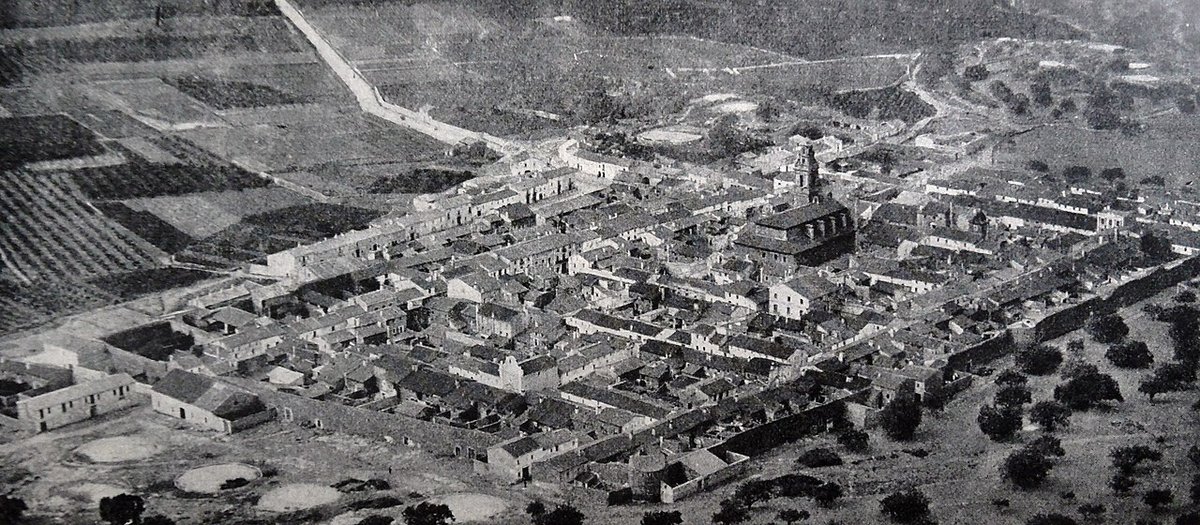
From the plaza Mayor, calle Mayor runs straight down towards the sea. It is long and slightly uneven, almost as if it followed the path of a dried-up river. Many of the houses are two storeys high, with iron balconies and façades that have seen several coats of paint over the years. On the town hall, the flag stands out: three golden crowns on a blue background. The symbol appears often in local history and relates to a privilege granted by the Crown of Aragon in the Middle Ages.
At the end of the street, the church of El Salvador appears suddenly. It is not especially large, yet its tower shapes much of the old town’s skyline. The base of the building dates back to the early Christian period following the conquest of Jaume I, something you can sense in the thick walls and narrow windows. Inside, the light filters in sparingly. There is a smell of wax and old wood, the kind found in churches that are still used daily rather than kept only as heritage sites.
On a Sunday morning, people from the town come and go quite naturally, often just passing through before getting on with the rest of the day.
Traces of the Orange Trade
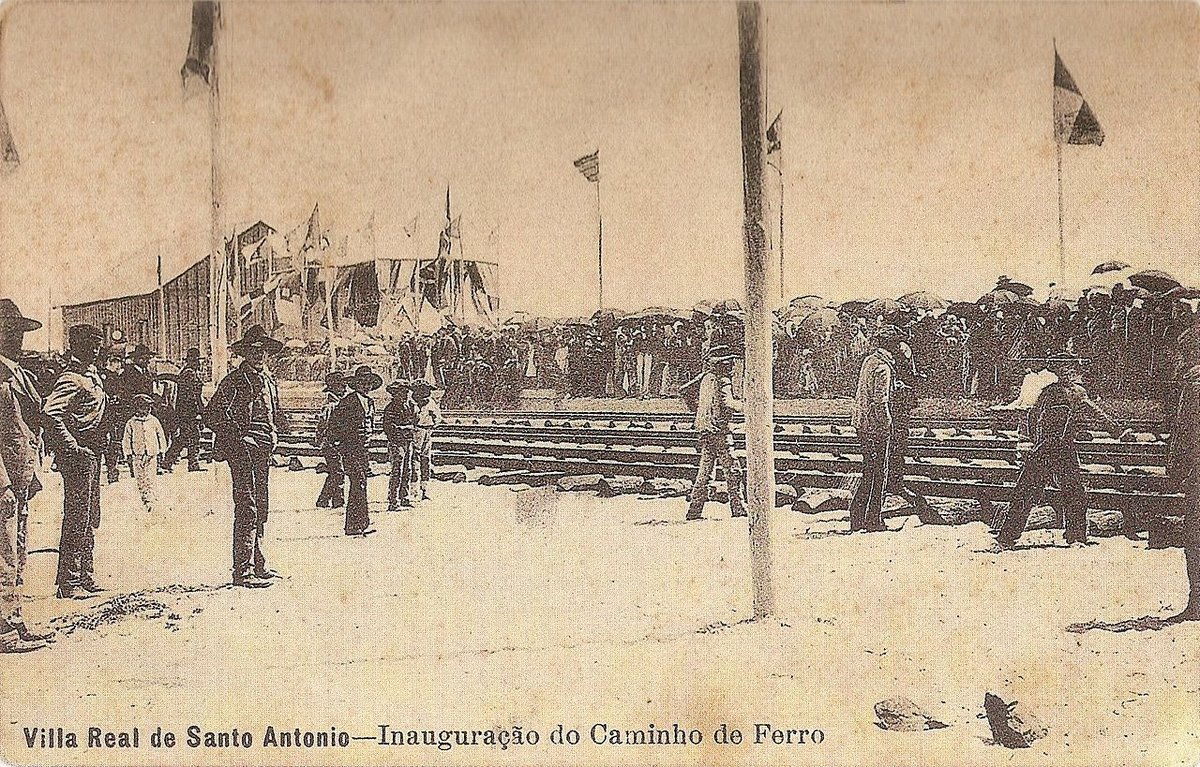
A short walk from the centre stands the Museo de la Naranja, set inside a spacious 19th-century house. Burriana grew for decades around the citrus trade, and that past is clearly visible here. There are export labels, wooden crates, tools used to sort fruit, and photographs of workers among the orange trees.
It is not a grand or overwhelming museum. Instead, it offers a quiet way to understand why this part of the Plana Baixa was so closely linked to Mediterranean ports and to markets beyond Spain. Many of the images show docks filled with crates ready to be shipped.
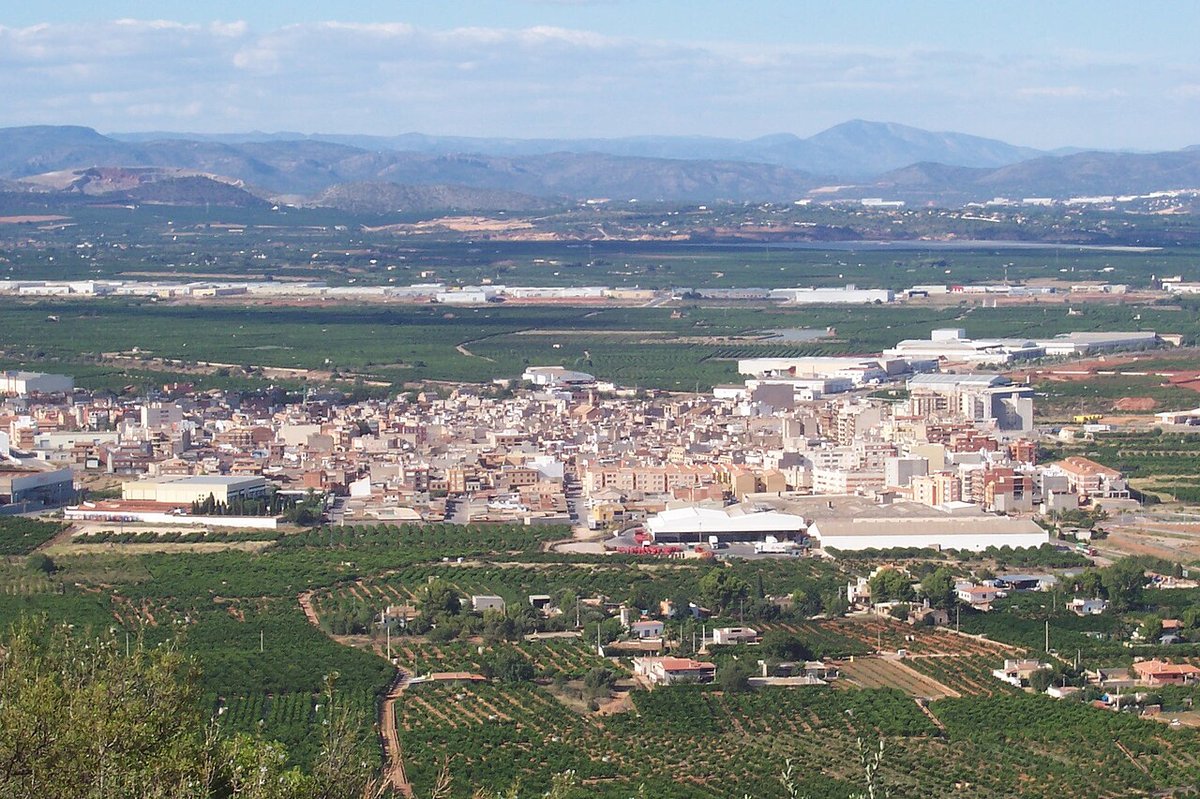
In spring, the surrounding agricultural paths are worth exploring as well. When the orange trees are in blossom, the air shifts completely. The scent of orange blossom drifts far enough to reach parts of the town itself.
The Clot and the Water of the Millars
By midday, the Clot de la Mare de Déu tends to be busy. This wetland area sits just outside town, where the landscape changes quickly. There is more vegetation, more shade, and water close at hand. Simple walking paths run through it, and cyclists often arrive via the Vía Verde that connects with inland parts of the comarca.
Not far away, the river Millars reaches the sea. The ground here softens, carrying the smell of mud and aquatic plants. It is a calm place to stop for a while, particularly on weekdays.
Along the coast, the Arenal beach draws most of the crowds in summer. Towards the end of the afternoon, smoke from barbecues begins to rise and sardines appear grilling by the water. In some homes, rice dishes are still prepared using ingredients from both the marjal, the local wetlands, and the nearby sea. Each family has its own way of making it, so there is no single version to expect.
For a quieter walk, heading north leads to the Serradal area. It feels more open, with stretches of coastline that retain a slightly more natural look.
Timing Your Visit
September is often a good moment to come. The sea still holds the warmth of summer, but the pace of the town eases after the patron saint festivities.
In July and August, most of the activity gathers around the Arenal. Finding a place to park near the beach can take patience. Early mornings help, or leaving the car further away and walking in.
The Fallas, a traditional Valencian festival known for its large sculptures and fireworks, are also very present here. There is plenty of noise from firecrackers and rockets. It is part of the local atmosphere, though worth bearing in mind when choosing dates.
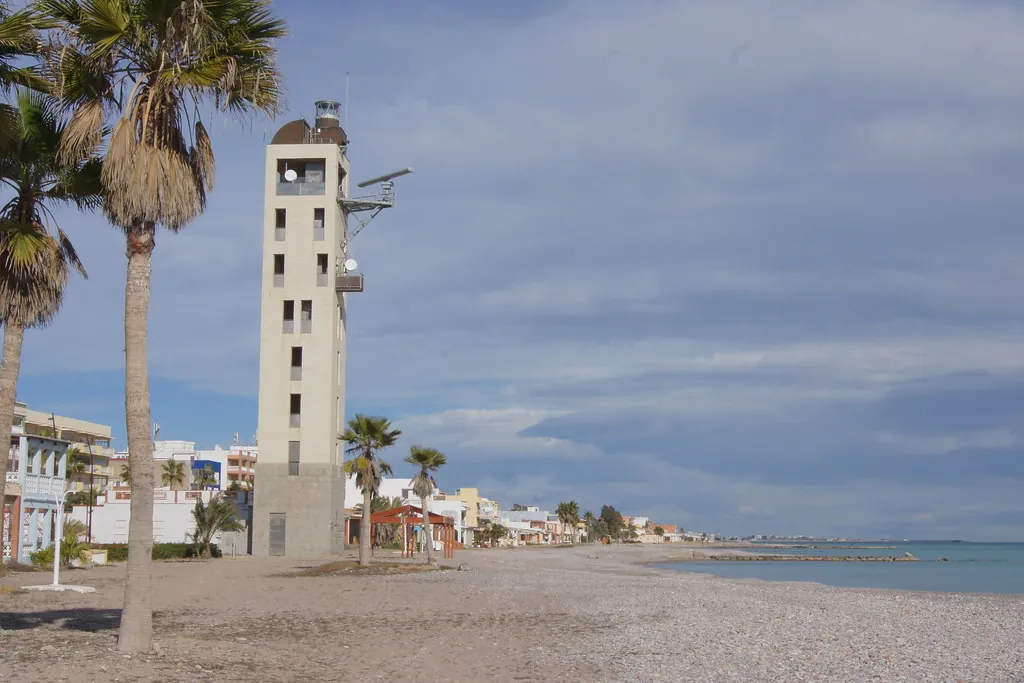
As evening falls, heading towards the Torre del Mar, an old coastal watchtower, opens up a wide view of the shoreline. The coast here is long and very flat. There are no cliffs or dramatic changes in relief, just sand, farmland, straight paths and, further off, the mountain ranges closing the horizon.
When the sea breeze picks up, it carries a mix of scents: salt, dry earth from the fields, and sometimes a faint trace of orange. Burriana comes into focus gradually, best understood by walking without hurry between the town, the orchards and the water’s edge.