Full Article
about Eslida
Heart of the Sierra de Espadán, known for its honey and cork-oak forests; a town of steep streets and a starting point for many hikes.
Hide article Read full article
A village at the edge of the cork forests
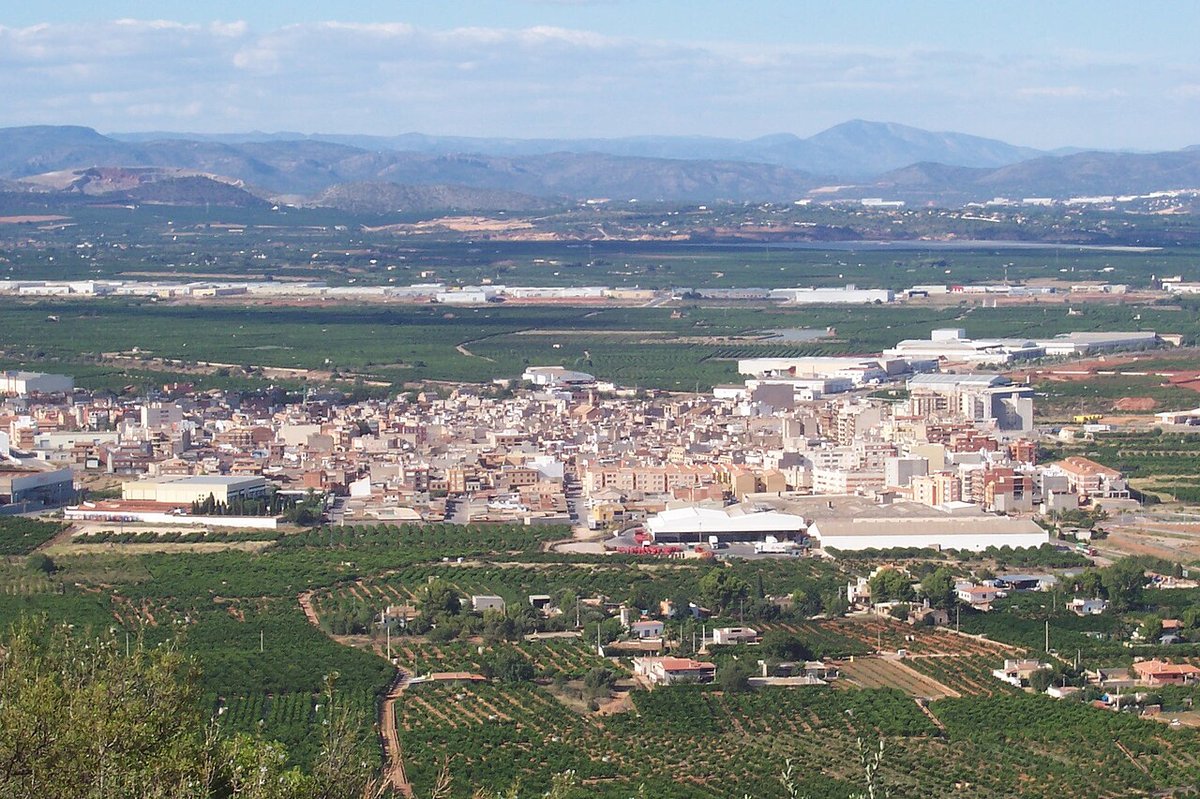
At midday, when the light falls almost vertically over the Sierra de Espadán, the air in Eslida carries the scent of damp cork and freshly turned earth. In the narrow streets there is barely a sound, perhaps a door closing or footsteps echoing on old asphalt. The mountains feel so close they seem to spill into the village through the ravines. With just over 800 residents, Eslida moves at an unhurried pace, even at weekends.
The village lies inland in the Plana Baixa, already within the boundaries of the natural park. Many visitors arrive with a clear plan: to walk among the cork oak forests of the sierra, then return to a small settlement where faces in the square are still familiar.
Streets that climb towards the hills
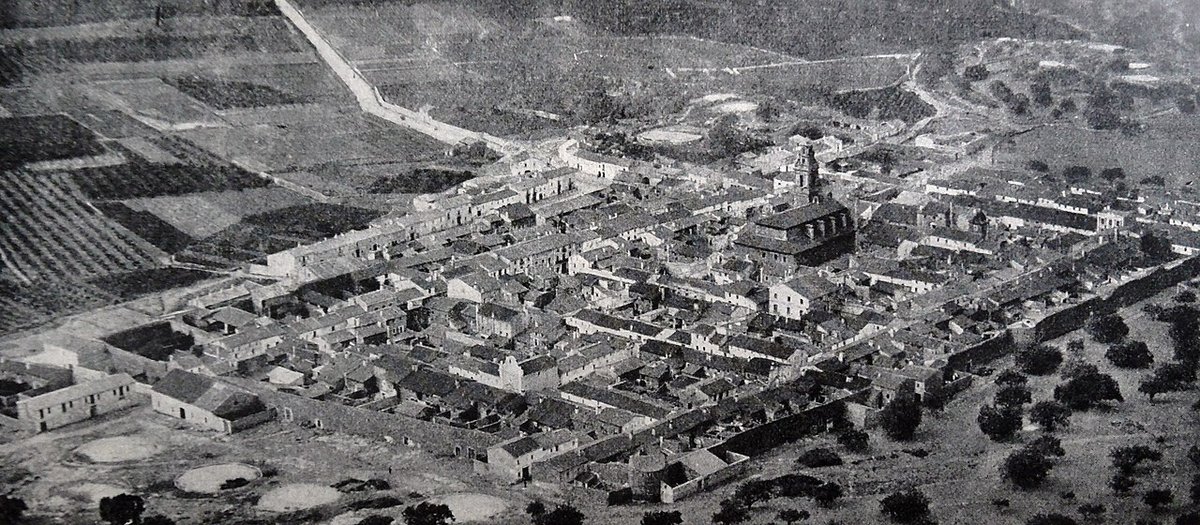
Eslida’s old centre adjusts to the terrain without trying to tame it. Streets are short and often steep. In some stretches a car can pass only just, which is why it makes sense to leave the vehicle near the entrances and continue on foot. The houses combine exposed stone, whitewashed façades and balconies lined with pots that survive the summer thanks to shade.
The parish church, dedicated to San Miguel, stands on one of the higher points. Its tower is visible from different parts of the valley and works as a reference point when moving around the village. The current building reflects successive alterations over time, something common in this part of the sierra.
A slow wander reveals small details: old doorways, interior courtyards shaded by vines, heavy wooden doors darkened by years of use. There is no single monument that defines Eslida. The interest lies in the way the streets bend and rise, and in how close the countryside always feels.
Water from the mountain
Water has long played an important role here. In the surrounding area there are several springs that for generations supplied both the village and nearby market gardens.
The Fuente del Berro is among the most visited. The water runs cold even in August, and the setting retains a steady humidity that shows in the vegetation. In summer, insects and bees gather around the basin, drawn by the water. These are simple places, without extensive facilities, yet they offer a natural pause when walking along the paths outside the village.
The presence of springs explains the small cultivated plots around Eslida. Water from the mountains has shaped both daily life and the landscape, linking the built-up area to the ravines and terraces that surround it.
Cork oaks and mountain paths in the Sierra de Espadán
The defining landscape of Eslida begins as soon as the last houses fall behind. Here the Sierra de Espadán holds some of its most extensive cork oak forests, a type of woodland that is unusual in the Comunidad Valenciana. The reddish trunks, stripped during the cork harvest, stand out against the dark green canopy.
Several marked trails start near the village and lead into ravines and across hillsides. Some follow old agricultural routes between terraced fields, others climb towards higher ground where the valley opens out below. There is no need to plan a long trek to notice the shift in scenery. Within less than an hour on foot, sections of dense woodland appear and the temperature can drop by several degrees.
In summer it is wise to set out early. The sun is strong in exposed areas and some paths offer little shade at midday. Outside the hottest months, the sierra feels more forgiving, and after rainfall the vegetation appears especially vivid.
The cork oak forests give this part of the natural park a distinctive character. Their presence also explains the smell that hangs in the air on warm days, particularly around midday.
Market gardens, citrus groves and inland cooking
Around Eslida there are still terraces planted with orange and lemon trees. In spring, when the trees blossom, the scent of orange flower drifts along the paths that circle the village. It is common to see residents tending small family plots.
Local cooking reflects its inland setting and tends to be substantial. Stews based on pulses, seasonal vegetables and slow-cooked dishes are typical. Produce from the market gardens and from the surrounding hills features according to the time of year.
In autumn, after the first rains, many people head into the hills in search of wild mushrooms. As throughout the natural park, it is important to check the regulations before collecting.
Mountain roads and two wheels
The roads linking Eslida with other villages in the sierra attract a good number of cyclists. They are narrow, with constant bends and climbs that feel long when the heat sets in. In return, traffic is usually light outside the most tourist-heavy months.
There are also forest tracks used for mountain biking, although some sections can be stony under tyre. Whether on foot or by bike, the terrain is never entirely flat. The landscape shapes the experience, and movement here always involves some degree of ascent or descent.
When to go and practical notes
Spring and autumn are generally the most pleasant times to explore the area. Temperatures are mild and the hillsides are particularly lively after rain.
In summer the heat is noticeable, especially in the middle of the day. If visiting then, it makes sense to start early for walks and leave a stroll through the village for later, when shade returns to the streets.
Arriving by car is the most practical option. Public transport to the inland villages of the sierra does exist, but services are not always frequent. Once in Eslida, almost everything can be reached on foot within a few minutes.
What lingers after a visit is not a single landmark or a viewpoint photograph. It is the feeling of being in a village surrounded on all sides by cork forests and mountain air, where the rhythm slows naturally and the landscape is never more than a few steps away.