Full Article
about La Llosa
Quiet coastal municipality focused on farming, with an unspoiled beach and a protected marshland rich in biodiversity.
Hide article Read full article
La Llosa: Cuando el Campo Es el Paisaje
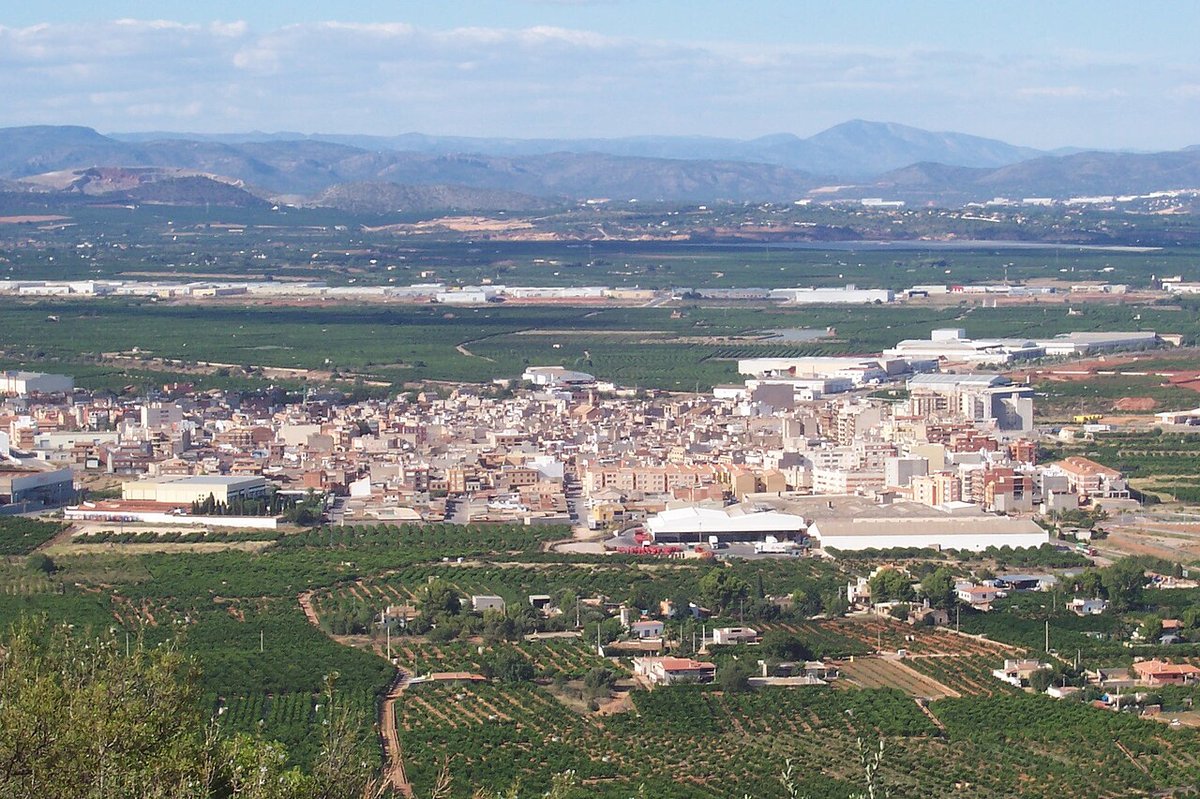
Hay pueblos que son como una conversación tranquila. No gritan, no exigen tu atención con monumentos, simplemente están. Llegas a La Llosa, aparcas en una calle ancha junto a unos naranjos, y en cinco minutos has entendido la película. Este es un lugar donde el campo no está alrededor; lo atraviesa.
Con poco más de mil habitantes en la Plana Baixa de Castellón, aquí la vida tiene el ritmo de las cosechas. No verás tiendas de souvenirs ni carteles que señalen "mirador". Verás tractores aparcados junto a casas bajas y calles que se acaban en cuestión de metros, dando paso a la huerta. El mar está cerca, pero desde el pueblo solo se huele en la brisa y se ve en los arroces.
Un Pueblo Con Puertas Grandes
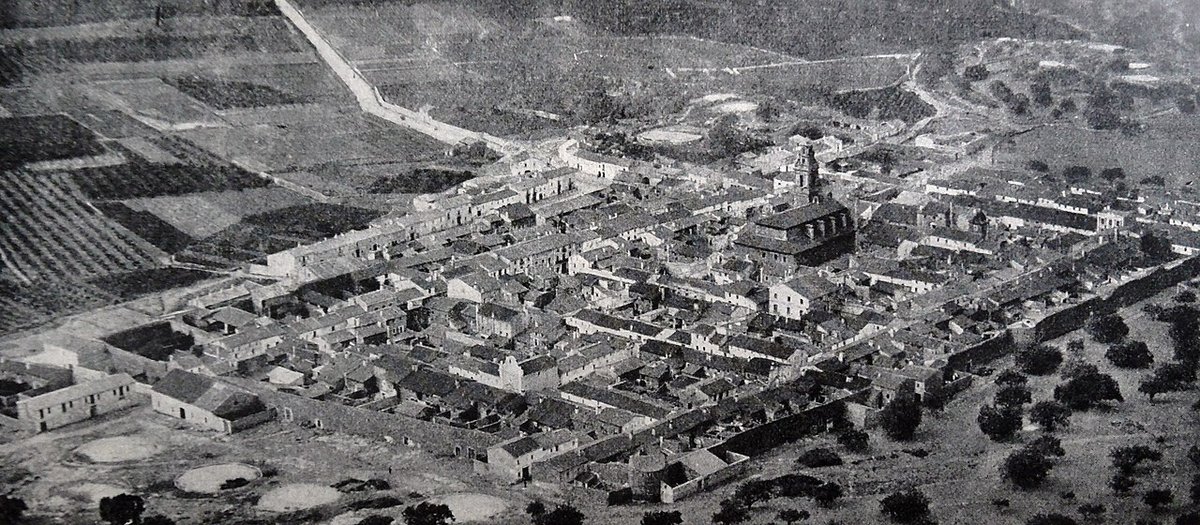
El núcleo urbano es pequeño. Lo recorres andando sin darte cuenta. Las calles son rectas y las casas, de dos plantas, tienen esas puertas grandes de madera o metal que delatan su pasado agrícola. Antes servían para guardar herramientas o incluso un carro.
La iglesia de San Miquel Arcángel es el punto de referencia visual, la torre que asoma por encima de los tejados. No es una catedral, claro; tiene la escala justa para el pueblo. La gracia está en los detalles que pasan desapercibidos: un balcón de forja oxidado por la salitre, el zumbido de una bomba de riego al fondo de una calle, el olor a tierra mojada que llega desde las afueras.
Es un sitio silencioso. El tipo de silencio que no es ausencia de ruido, sino el sonido de lo cotidiano: una puerta que se cierra, una conversación lejana en valenciano, el motor diésel de un tractor arrancando.
Caminar Donde Termina el Asfalto
La verdadera visita empieza donde acaba el último bordillo. Ahí comienzan los caminos agrícolas. Algunos están asfaltados, otros son tierra compactada por las ruedas. No busques pendientes ni vistas espectaculares; esto es llano, pura Plana Baixa.
El atractivo está en ver cómo funciona el paisaje. Las acequias llevan agua a los bancales. Los naranjos están plantados en líneas tan rectas que parece un dibujo técnico. Sabes que estás en un lugar real cuando te cruzas con un agricultor en su furgoneta y te saluda con la mano sin inmutarse.
A veces ves garzas junto a los canales o sapos cruzando el camino. No hay paneles informativos explicándolo; simplemente ocurre. Caminar aquí es entender cómo se gestiona el agua y la tierra desde hace siglos. Es práctico, no pintoresco.
Lo Que Se Come (Y Por Qué)
La cocina aquí no tiene misterio: es lo que hay cerca. De la huerta salen las alcachofas, las habas o los tomates para los guisos. Del mar, a unos minutos en coche, llega el pescado para los arroces.
Hablando de arroz: lo encontrarás seco o meloso, pero casi siempre con ese punto socarrat que hace crujir la cuchara. Y luego están los cítricos. En temporada, las clementinas son postre, mermelada y motivo de orgullo local. Te las ofrecen así, sin más historias.
No es una gastronomía para gourmets con estrella Michelin; es la comida de un pueblo entre la huerta y la costa. Sencilla, directa y con sentido común.
La Proximidad del Mediterráneo
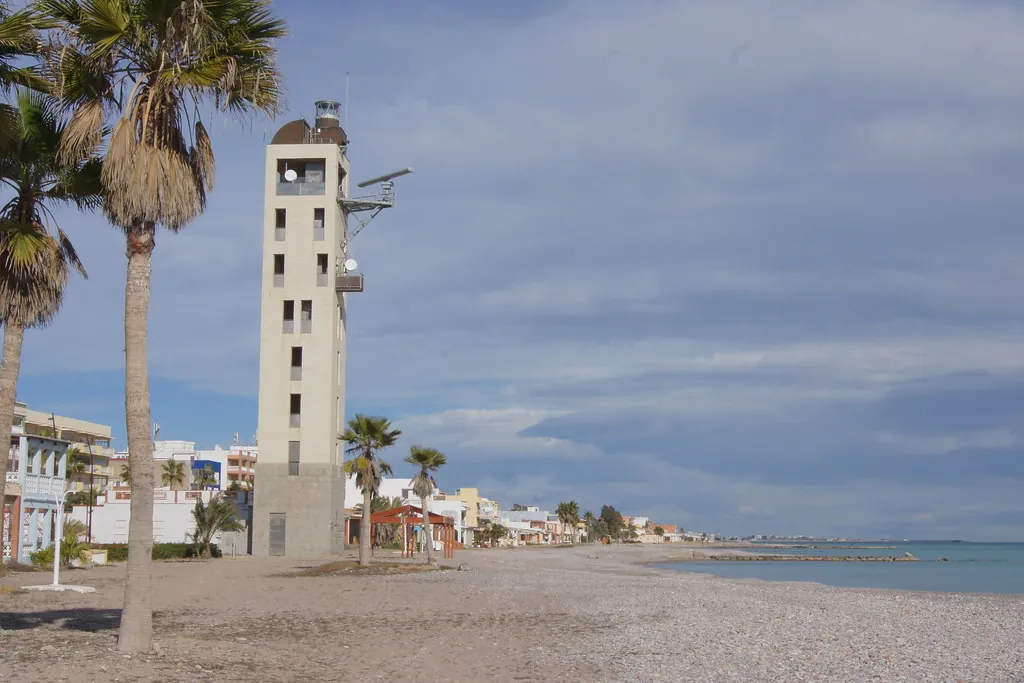
Que La Llosa sea interior es casi un tecnicismo. En diez minutos estás en alguna de las playas del litoral de Castellón. Eso marca el carácter del sitio.
Los vecinos viven esa dualidad: rutina entre naranjos y escapada rápida a bañarse cuando aprieta el calor. Para quien visita puede ser igual: mañana paseando entre acequias, tarde tomando el sol en la arena.
Esta cercanía explica muchas cosas: por qué huele a salitre algunos días aunque no veas el agua, por qué en los bares ponen cañas con boquerones tan frescos.
Fiestas Para Los De Casa
Las fiestas grandes son las del patrón San Miquel Arcángel a finales del verano o principios del otoño (las fechas bailan). Entonces sí hay ruido: pasacalles tracas procesiones comidas populares
Son celebraciones locales hechas por y para ellos Si coincides bienvenido serás uno más pero no esperes un programa espectáculo diseñado para turistas Hay otras citas durante año ligadas al calendario agrícola como suele pasar por aquí
Por Qué Parar Aquí
La Llosa no es un destino Es una pausa
Vienes si quieres ver cómo vive realmente un pueblo huertano valenciano sin decorados ni teatralidad Pasear sus caminos planos sentir ese orden casi geométrico bancales entender por qué esa torre iglesia era referencia antes GPS
Te llevas sensación calma eficiencia territorio trabajado durante generaciones En región donde todo gira alrededor sol playa este rincón ofrece otra lectura más terrosa más lenta Más real quizá