Full Article
about La Vall d'Uixó
Major industrial and tourist town, world-famous for the Cuevas de San José, Europe’s longest navigable underground river.
Ocultar artículo Leer artículo completo
The boatman kills the engine. Suddenly you're drifting through absolute darkness, 150 feet beneath orange groves, with only the echo of dripping water and twenty whispered British accents for company. This is the Coves de Sant Josep, and it's the reason most people remember La Vall d'Uixó exists.
Yet ten minutes earlier you were circling a half-empty car park, wondering how somewhere with Europe's longest navigable underground river manages to feel so... ordinary. That's La Vall d'Uixó in a nutshell: extraordinary geology bolted onto a workaday market town where teenagers loiter outside Mercadona and the evening news blares from every bar.
Below Ground, Above Expectations
The caves pull off a neat trick. They deliver genuine wonder without the theme-park treatment that's ruined similar sites elsewhere. Your guide steers the flat-bottomed boat past stalactites that took 200,000 years to grow, then moors at a sandy beach so everyone can walk the final section. Lighting is discreet. There's no piped music, no coloured spotlights, just the sound of an underground river that Iberian farmers knew about three millennia ago.
Book the morning slot. By 11:30 the coaches arrive from Benidorm and the experience thins out considerably. Adult admission is €14 (£12), children €9, and the 40-minute trip runs hourly. Take a jacket even in August – the cave stays a constant 20°C year-round, but the boat ride creates a surprising draught.
What Lies Above
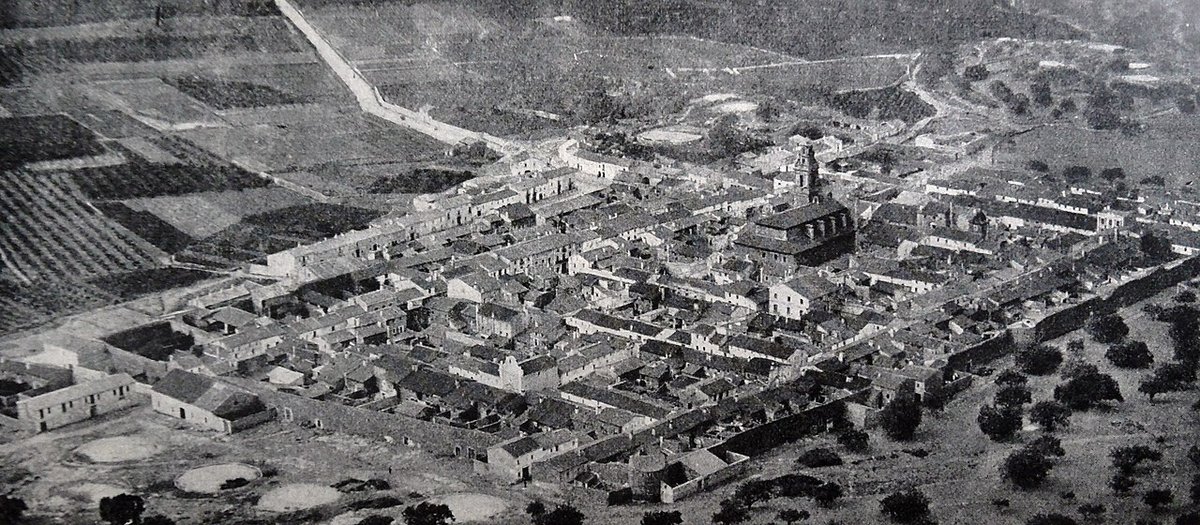
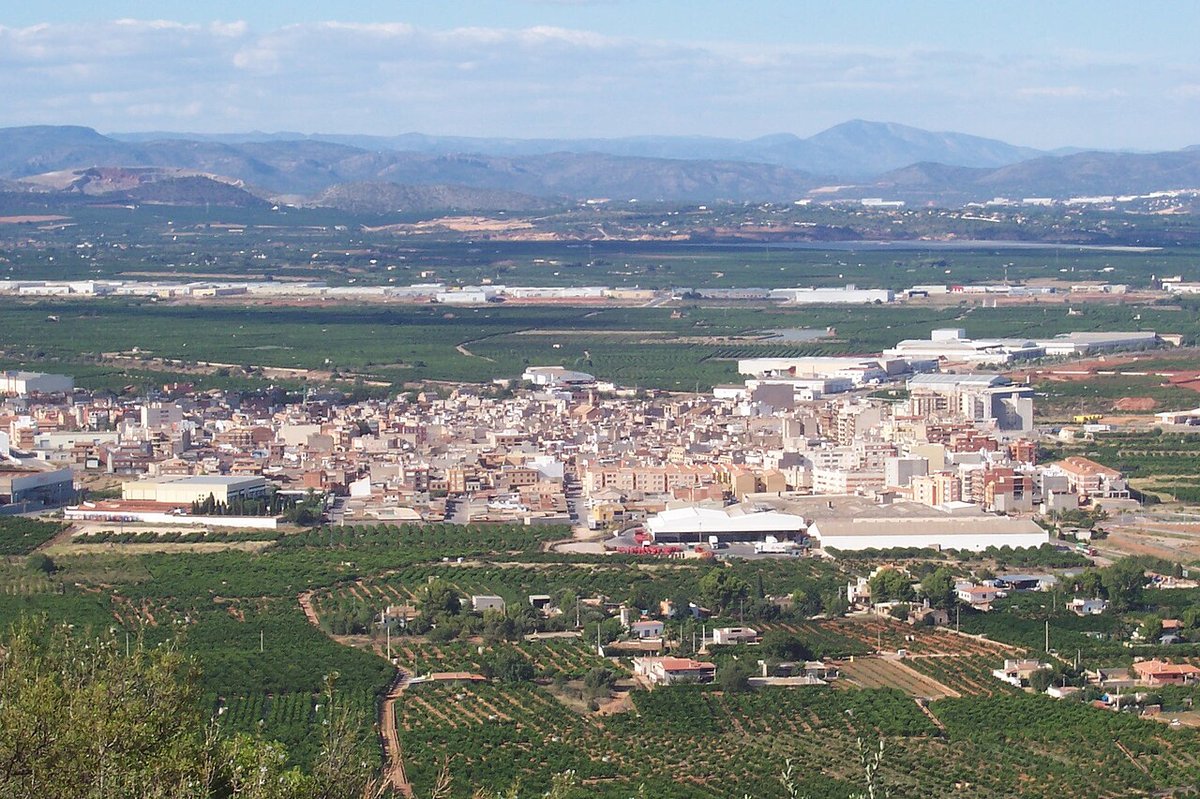
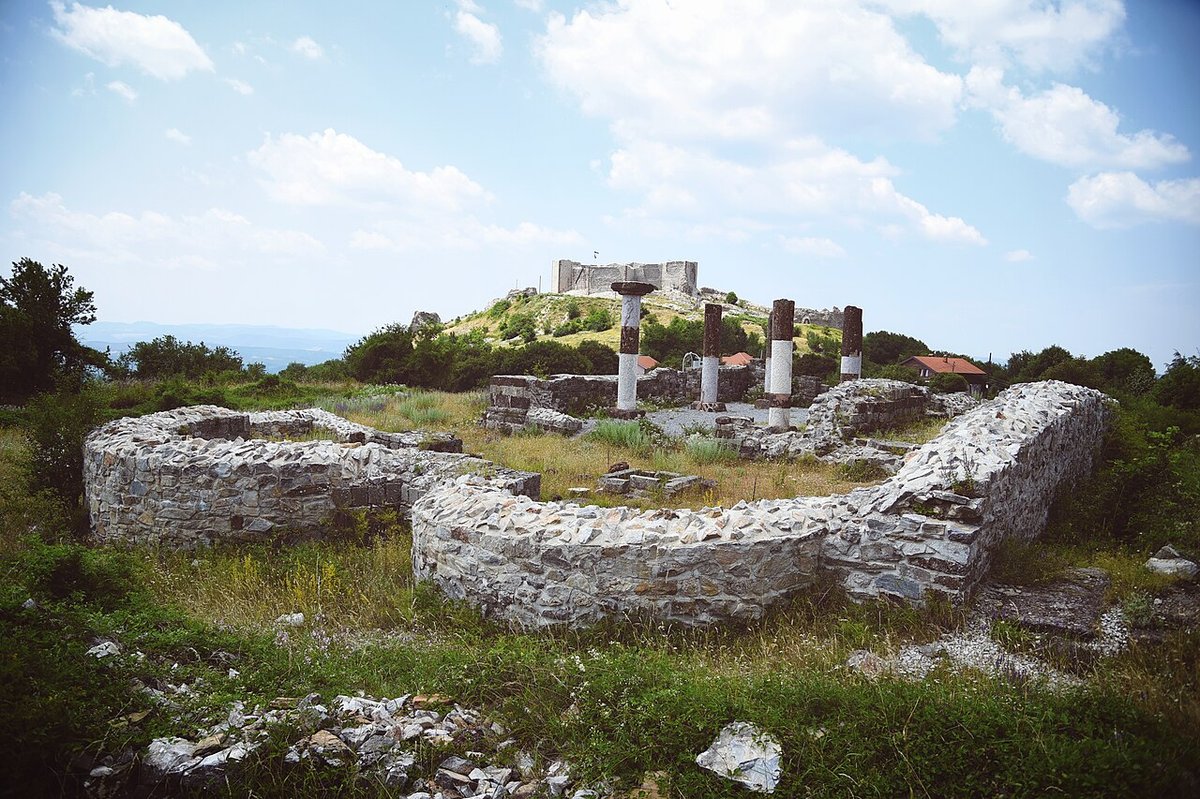
Back in daylight, the town itself reveals its layers gradually. The ruined Castell d'Uixó squats on a limestone ridge, more archaeological puzzle than fairy-tale fortress. Muslim foundations, Christian modifications, 19th-century stone-robbing for new houses: it's all here if you know what to look for. The climb takes twenty minutes from the old quarter, through streets where washing hangs from wrought-iron balconies and elderly men play dominoes under plane trees.
The parish church won't make any coffee-table books, but step inside during siesta time and you'll find seventeenth-century retablos gleaming with fresh gilt, plus the usual collection of ex-voto paintings thanking the Virgin for surviving motorbike accidents. It's active, lived-in, part of the furniture rather than a museum piece.
Walking Between Oranges and Espadàn
La Vall sits at 118 metres altitude where the coastal plain shoves against the Serra d'Espadà. That geography creates two distinct types of walk. The Ruta dels Molins follows the Belcaire river past ruined watermills, a flat two-hour circuit that smells of citrus blossom in April and wild fennel in October. Information panels explain how Moorish engineers turned waterwheels to grind wheat; herons patrol the same channels now.
Or you can head upwards. Properly upwards. The PR-CV 147 trail gains 600 metres in 7 km to the Sant Esperit hermitage, a stone shed with staggering views across orange plantations to the Mediterranean glittering 25 km away. Start early – summer heat hits 35°C by eleven – and carry more water than you think necessary. The limestone is rough underfoot; walking boots beat trainers here.
Rice, Rabbit and the Midday Lull
Food follows the classic Valencian template but without tourist mark-ups. Locals eat rice at weekends, usually caldereta (rabbit and snails) rather than seafood paella. Restaurante Bodega El Guano will serve half-raciones if you ask, meaning you can try both the rice and the local embutidos without wasting food or money. Their house wine comes from Utiel-Requena, 80 km inland, and costs €2.50 a glass.
Vegetarians struggle less than elsewhere in the province. L'Horta, Cuina Conscient does excellent artichoke carpaccio and proper coffee, rare finds once you leave Valencia city. Most places close 4-8 pm; plan accordingly or you'll be staring at metal shutters with a rumbling stomach.
When to Come, How to Get Here
Spring and autumn deliver the best balance. March brings almond blossom and the town's modest Fallas celebrations – firecrackers at 8 am, yes, but without Valencia city's crush. Late September means sweet Moscatel grapes hanging over garden walls and temperatures that make walking pleasant rather than heroic.
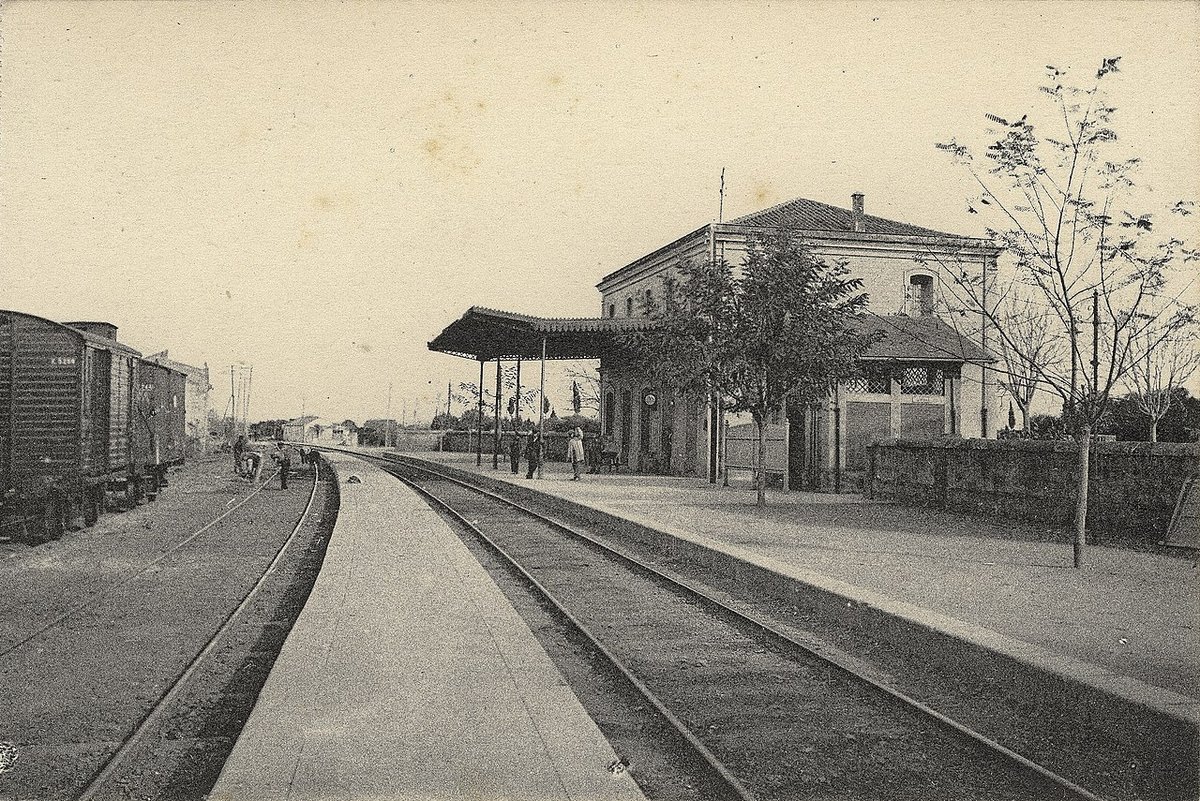
Fly to Valencia or the new Castellón route from Stansted. Hire a car: the AP-7 toll adds €8 each way but saves twenty minutes over the coast-hugging N-340. Trains run hourly from Valencia Nord; journey time is 55 minutes and costs €6.35. Once here, everything's walkable except the caves – they're 3 km south-west of the centre, signposted from the CV-190.
The Honest Verdict
La Vall d'Uixó won't change your life. It's a place where ordinary Spaniards live ordinary lives, interrupted occasionally by a subterranean river that just happens to be the longest in Europe. That juxtaposition is precisely its appeal. Come for the caves, stay for lunch, wander the river path if you've got energy left. Then drive back to the coast knowing you've seen something genuinely remarkable, without having to queue for the privilege or pay through the nose for the memory.
Just remember to book those cave tickets first. Everything else works itself out afterwards.