Full Article
about Moncofa
Coastal resort town with long beaches and a summer-holiday tradition; known for its summer cultural events and family-friendly atmosphere.
Ocultar artículo Leer artículo completo
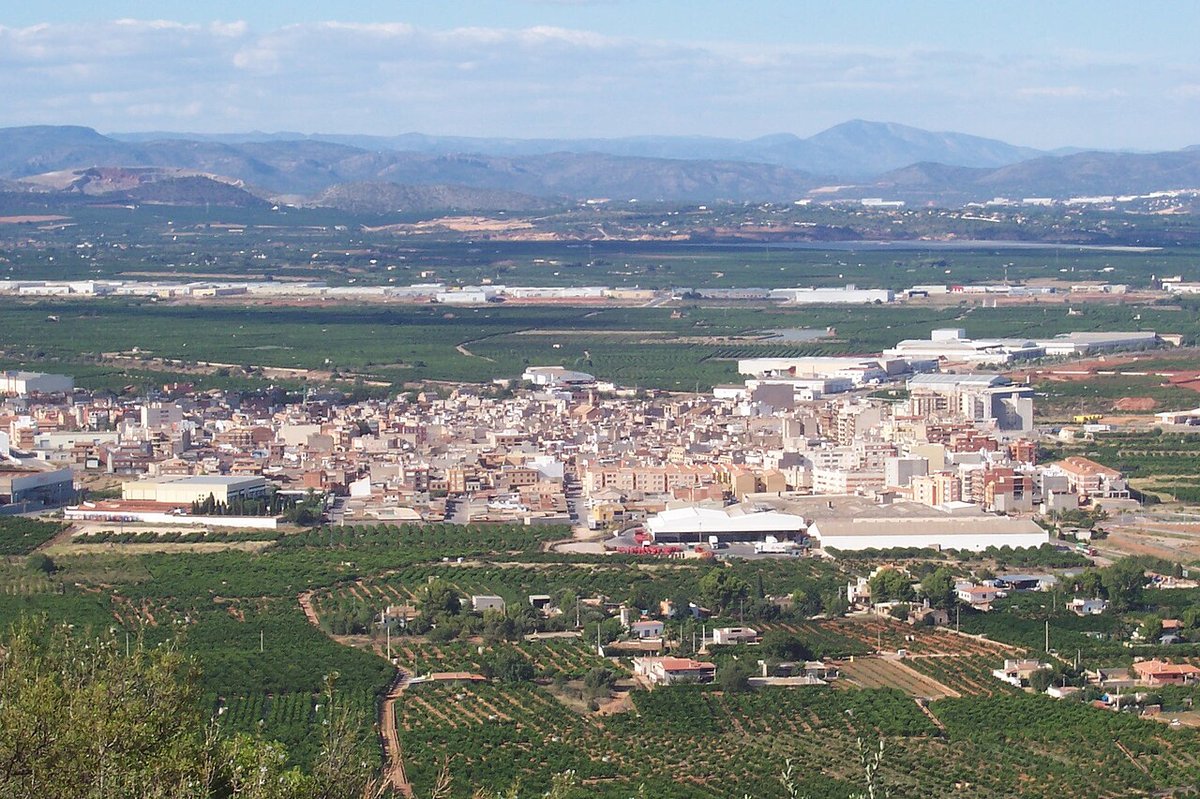
At six metres above sea level, Moncofa doesn't so much rise from the Mediterranean as unfold from it. The village's two halves—the inland casco where locals live year-round and the seafront strip that wakes up each June—sit almost flush with the water, separated by kilometre after kilometre of citrus groves that perfume the air each April with azahar, the heady scent of orange blossom.
This is the Costa del Azahar at its least showy. Twenty-two kilometres south of Castellón, Moncofa draws Spanish families who've been coming for decades and, increasingly, British pensioners who've discovered they can rent a sea-view flat for the price of a garage in Surrey. What they find is a working seaside town where fishing boats still tie up at a tiny harbour rather than a marina, and where the Monday morning market sells tomatoes still warm from the fields rather than fridge magnets.
The beach, the harbour and what's in between
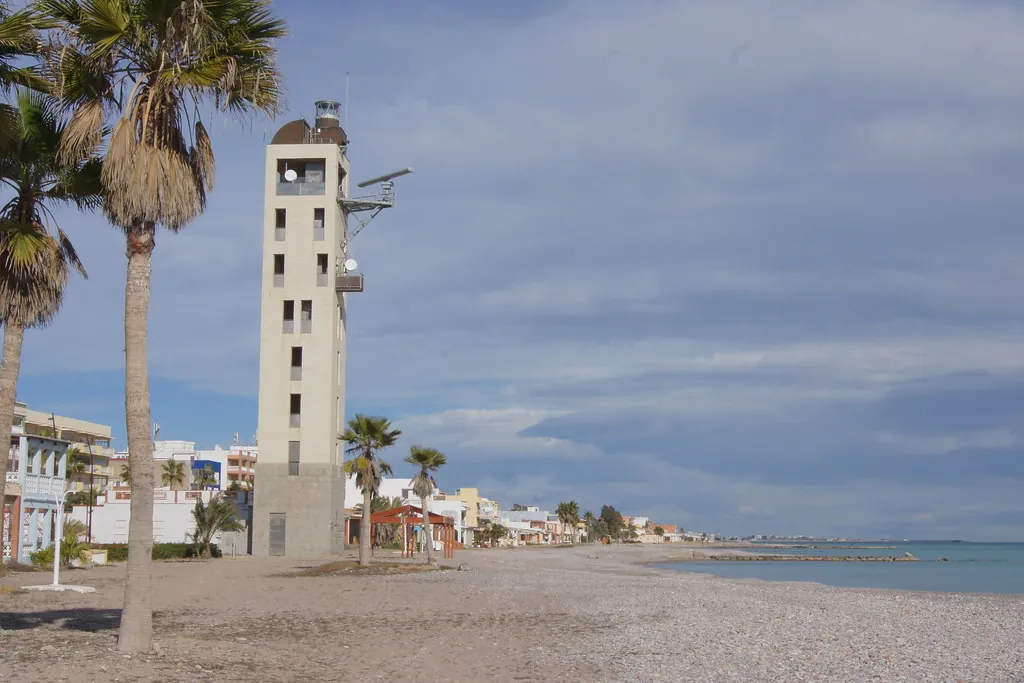
Moncofa's shoreline runs for four kilometres, split informally into Playa Norte and Playa Sur. Both hold Blue Flag status, though the sand is mixed with coarse gravel that keeps the water crystal clear and deters the worst crowds. There are no sun-lounger touts, no thumping beach bars, and in October you can walk the entire length without seeing another footprint. The shelf is gentle—perfect for toddlers—yet the sea drops off sharply enough at the harbour mouth to keep local anglers happy.
That harbour is where the village keeps its soul. At dawn you'll see three-metre boats unloading gilt-head bream and red mullet that will be fried by lunchtime at Restaurante Sali on the paseo. There's no yacht club, no gin palace in sight; just a concrete slipway, nets hung to dry and a hut selling café amb llet for €1.20. Turn up at 7 a.m. and someone will usually sell you a kilo of prawns straight from the crate—cash only, mind.
Between harbour and town centre the land is flat, hot and loud with cicadas. Orange groves flank the CV-150, broken only by the occasional corrugated-iron packhouse where fruit is graded for export. Cycling this grid of farm tracks is the easiest way to grasp Moncofa's split personality: five minutes inland you're among irrigation ditches and farm dogs; five minutes back and salt spray rattles the bike spokes.
Eating like a local (and avoiding the ghost-town feel)
British visitors expecting all-day English breakfasts leave hungry. Outside July and August most seafront bars shutter by 11 p.m., and in January you can count the open eateries on one hand. The trick is to follow the Spanish clock: coffee at 10, lunch at 2, beer at 8. Do that and options appear.
At Sali, arroz a banda arrives as a mild, saffron-tinted broth rice topped with the morning's catch—think paella without the theatrics. A two-person portion costs €18 and needs ordering when you sit down; rice here is never fast food. Heladería Ca'Miquel further along the promenade does homemade turrón ice-cream that tastes like frozen Christmas pudding, while the Monday mercadillo behind the church is where you'll find a proper Spanish omelette still hot from someone's kitchen, wrapped in paper and costing €2.
Self-caterers should note the supermarket on Calle Mayor closes for siesta (2–5 p.m.) and all day Sunday. The workaround is the covered market on Plaza de la Constitución: open mornings only, stocked with tomatoes that actually taste of something and fish so fresh it's still moving.
When to come, how to get about, what it costs
Spring and late autumn deliver the kindest balance. In May the azahar hangs thick enough to taste, day-time temperatures sit in the low 20s and a two-bedroom flat with sea view rents for €350 a week. Come August the same flat triples in price, the population balloons from 6,000 to 30,000 and you'll queue for a coffee. November through March is properly quiet—some days the promenade feels like a film set waiting for actors—but pensioners on extended stays say the winter sun is reliable enough for T-shirts at midday and the sea still warm enough for a bracing dip.
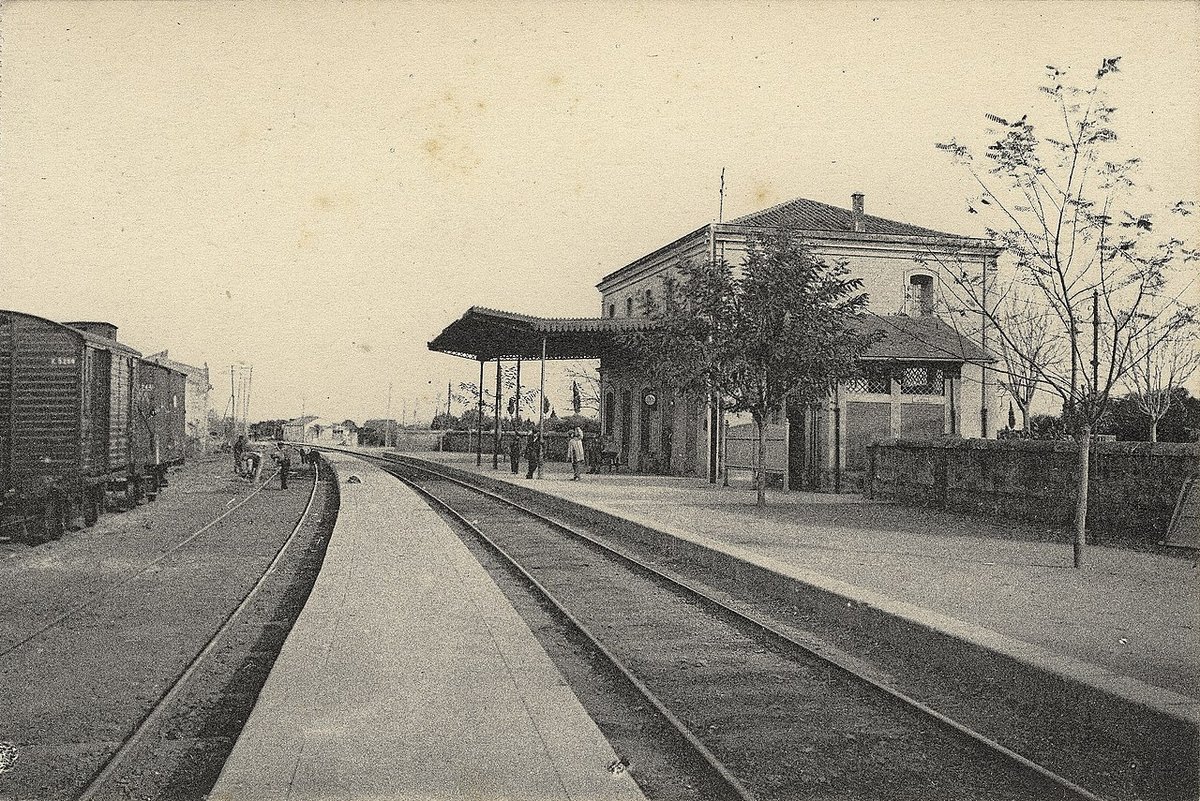
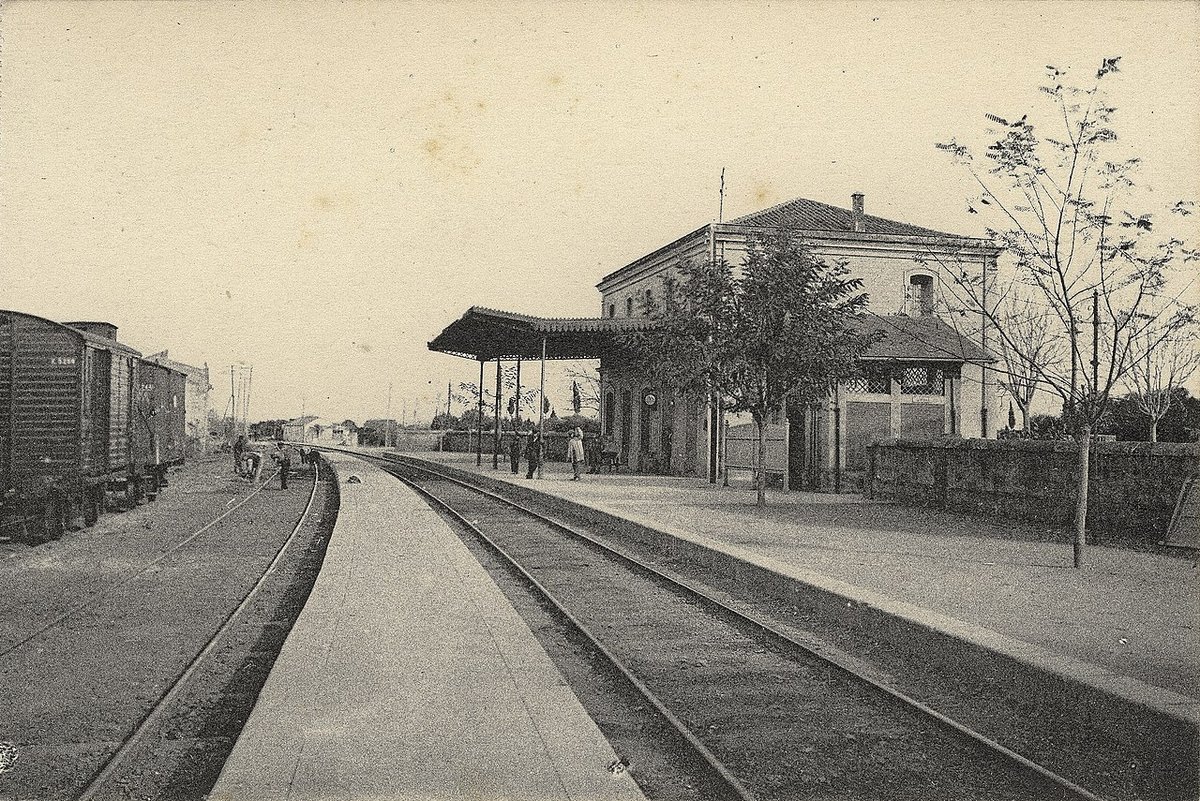
Moncofa-Pueblo train station sits three kilometres inland on the C-6 Cercanías line. Trains reach Valencia in 55 minutes (€5.10 each way) but you'll need a taxi or bike to bridge the gap to the beach. Buses from Castellón run hourly except Sunday, when there are four. Hiring a car at the airport remains simplest: take the AP-7, exit 45, and you're parked before the CD finishes.
A day's spend can be refreshingly low: €1.20 for market coffee, €3 for a generous breakfast bocadillo, €8 for a three-course menú del día including wine. Even in high season a family of four can eat well for under €40, provided you avoid the one place that lists prices in pounds.
Festivals, fireworks and the feria that isn't
Visit during Fallas (15–19 March) and you'll wonder if the village has been taken over by pyromaniacs. Papier-mâché monuments three storeys high satirise everything from local politicians to the British royal family, then burn in a single night while brass bands march through smoke thick enough to chew. Earplugs recommended; hotel rooms impossible without forward booking.
August's fiestas patronales are gentler: open-air dances on the paseo, fireworks over the sea, and a procession where the Virgin is carried from church to harbour while local girls in embroidered silk throw rose petals. The blessing of the boats follows; cameras welcome, but dress modestly—shoulders covered—or you'll feel the stares.
February's San Blas is for insiders. Fishermen decorate their boats with ribbons, the priest sprinkles holy water on the decks and afterwards everyone shares bunuelos (doughnuts) dusted with sugar. There are no tourist brochures, no ticketed seats; just turn up at the harbour at 9 a.m. and try not to get in the way.
The honest verdict
Moncofa won't dazzle. If you want water parks, karaoke bars or Instagram moments, stick to Benidorm an hour down the road. What it offers instead is a glimpse of coastal Spain before the concrete pourers arrived: a place where old men still play dominoes under the plane trees, where shopkeepers remember your coffee order after two visits, and where the sea smells of salt and diesel rather than coconut oil.
Come prepared—Spanish helps, a car helps more—and Moncofa gives back an unfiltered version of the Mediterranean that package tours lost decades ago. Get it wrong and you'll find half the village shut, the beach wind-whipped and nowhere serving dinner at six. Get it right and you'll eat fish that was swimming that morning, cycle scented lanes under blossom-heavy trees and wonder why anyone still bothers with the Magaluf circuit.