Full Article
about Nules
Citrus-growing town with a rich historic quarter and a stretch of coast topped by a lighthouse; its walled enclave of Mascarell, unique in the region, stands out.
Ocultar artículo Leer artículo completo
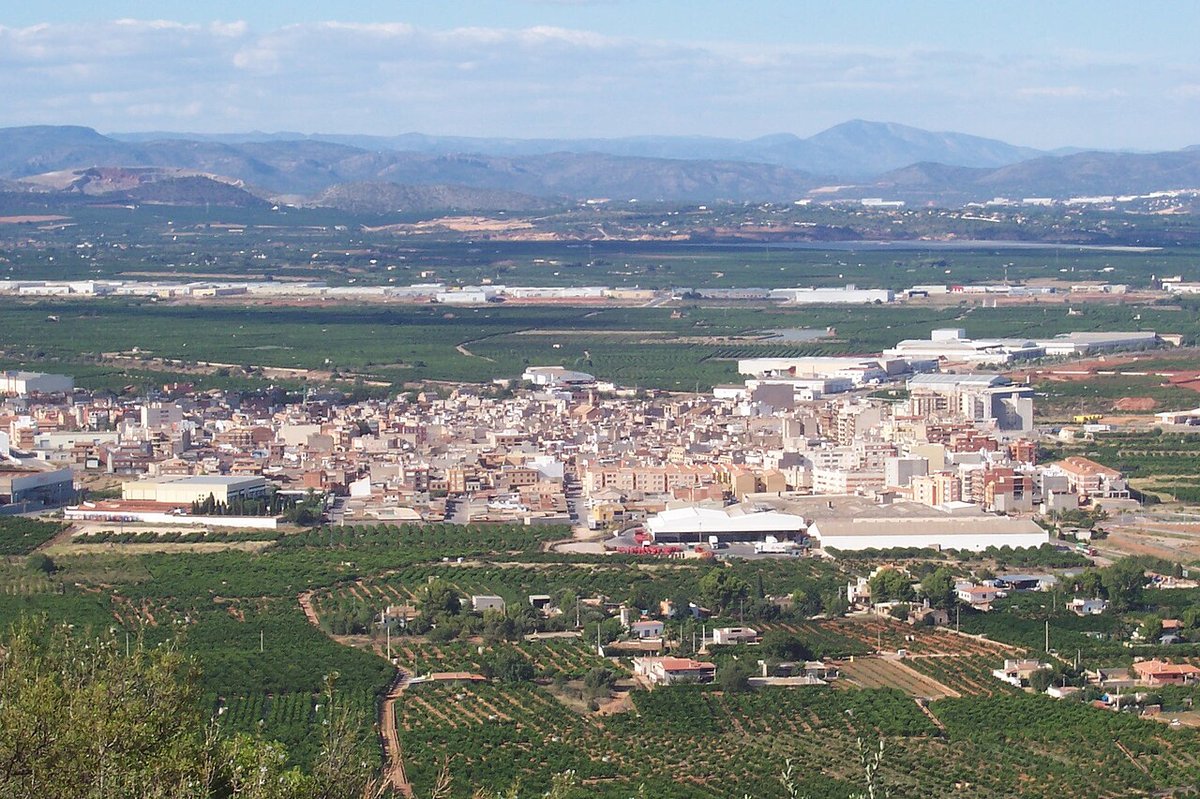
The smell hits first. Even at 8 a.m., when the irrigation channels have just been opened, the blossom drifts inland from the groves and settles over the low-rise town like a light, honeyed fog. From the bell-tower of the Iglesia de la Sangre de Cristo you can watch it happen: tractors kicking up dust on the grid of earth tracks, the sea a thin silver stripe on the horizon, and every symmetrical row of trees releasing its own cloud of perfume. Nules is not postcard-pretty; it is a working municipality of 13-odd thousand souls whose day still revolves around the citrus harvest and whose coastline is treated as an after-work cooling system rather than a selling point.
Oranges, not monuments
There is no castle on a crag, no medieval wall to circle, and that is precisely why some British travellers pull off the AP-7. The town’s “sight” is its economy. Walk south-east from the Plaza Mayor along Calle Colón and within five minutes you are among pack-houses where mechanical graders sort Valencian late oranges into 15-kilo crates for Tesco and Sainsbury’s. The staff will let you watch from the loading bay if you keep clear of the forklifts; the foreman might even toss you a sample—seed-free, easy-peeler, sweet enough to eat like an apple. Between November and March the cooperatives run a small stall at the gate: a fiver buys a net that would cost £3.50 a kilo in a UK supermarket.
The only historical building that draws more than a glance is the Palau dels Borja, now hemmed in by 1970s apartment blocks. The stone doorway is original 15th-century; the rest was rebuilt after a fire, then again after the Civil War. Inside, the ground-floor museum opens on request at the ajuntament desk. Ask for the English leaflet: it is three pages, bluntly honest about which ceiling bosses are concrete replicas. Upstairs, the old banquet hall hosts municipal bingo on Thursdays—turn up at 19:30 and you can buy a card for €2 while pensioners argue over whether the numbers are called in Valencian or Spanish.
A beach that clocks off early
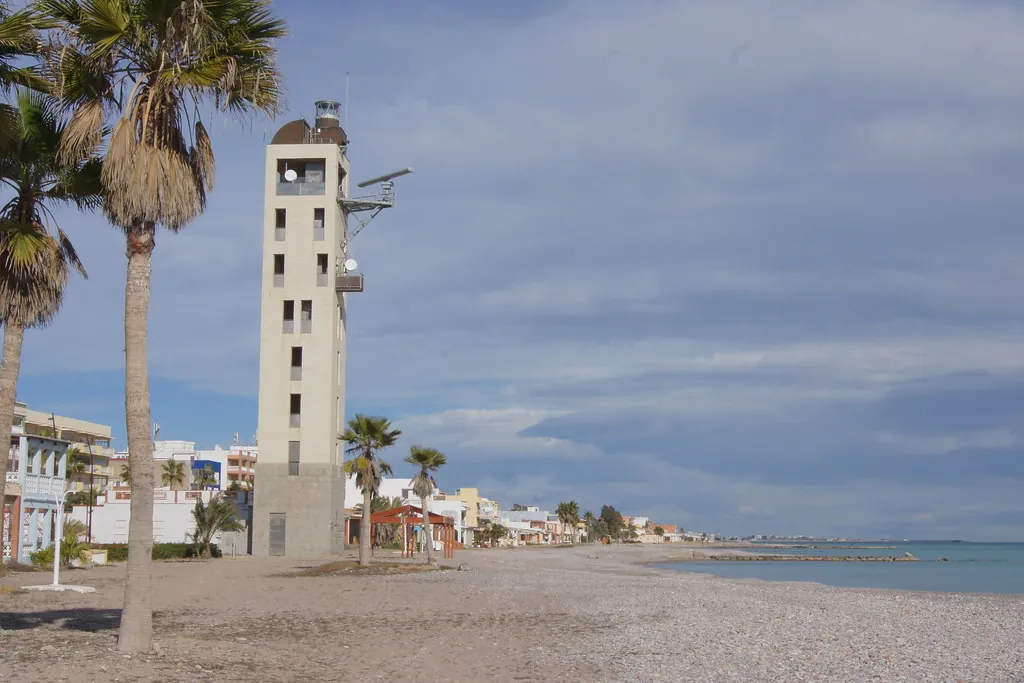
Playas de Nules is a five-minute drive down the CV-160, signposted simply “Platja”. The sand strip is 2 km long, width dictated by whatever the last storm rearranged. Shingle mixes with coarse gold grit—bring shoes if you’re tender-footed. On weekday mornings you will share the promenade with dog-walkers and retired couples from Villarreal doing their daily 4 km circuit. By 14:00 the wind usually freshens; parasols flap, grandparents pack up, and the place empties for siesta. There is no big hotel, no inflatable banana ride, just one chiringuito, La Barraca, serving fried cuttlefish sandwiches (€6) until the owner decides the swell is too high, at which point he pulls the shutter whether it is 16:00 or 19:30. Come in June or September and you can choose any patch of sand you like; August weekends fill with Valencia number-plates, but even then the car park—free, no barriers—rarely reaches half capacity.
Flat roads, slow lanes
The municipal poniente keeps the terrain table-top level: ideal for cycling, hopeless for hill views. A signed agricultural loop, the Ruta de les Tarongeres, heads south for 12 km through groves and irrigation ditches. Hire a bike from Bici Nules on Avenida Valencia (€15 a day; they lend a map drawn by the owner’s twelve-year-old). The tarmac is smooth, traffic almost zero; you’ll share the lane with the occasional tractor hauling crates at 15 mph. Pack water—cafés disappear after the village of San José—and remember the rule: if the gate to a track is open, you may enter; if closed, it’s private. Early evening light turns the fruit to glowing lanterns and the azahar scent intensifies, a photographer’s bonus that costs nothing.
What arrives on the plate
British visitors expecting a “paella experience” are politely steered towards lunchtime. Restaurants open 13:00–15:30; after that you are on sandwiches. In the old town, Casa Salvador has been dishing out rice since 1947. Their version of paella de Nules contains cuttlefish, green beans and a handful of cauliflower florets—mild, child-friendly, dyed gold by home-grown saffron. A two-person pan costs €28 and needs twenty minutes; they will not start until both diners are seated, so don’t order, then wander off to photograph oranges. Vegetarians do better at Bar Lalín on Calle La Pau: try borra—chick-pea and spinach fritters, crisp outside, almost houmous within—served with a drizzle of local honey. Beer is invariably Estrella; no hand-pump ale, but a caña is still €1.60 and arrives with a dish of olives brined so recently they squeak.
Timing and transport
Spring is the sweet spot: blossom from late March, balmy days, zero risk of the gota fría storms that can strip a beach overnight. Autumn works too—harvest colour and sea warm enough for a quick splash. Summer is hot (32 °C is normal) but coastal humidity is lower than Benidorm; the bigger issue is that half the inland bars close so owners can decamp to their own beach apartments. Winter is mild—14 °C at midday—though the tramuntana wind can whistle across the flats for a week solid.
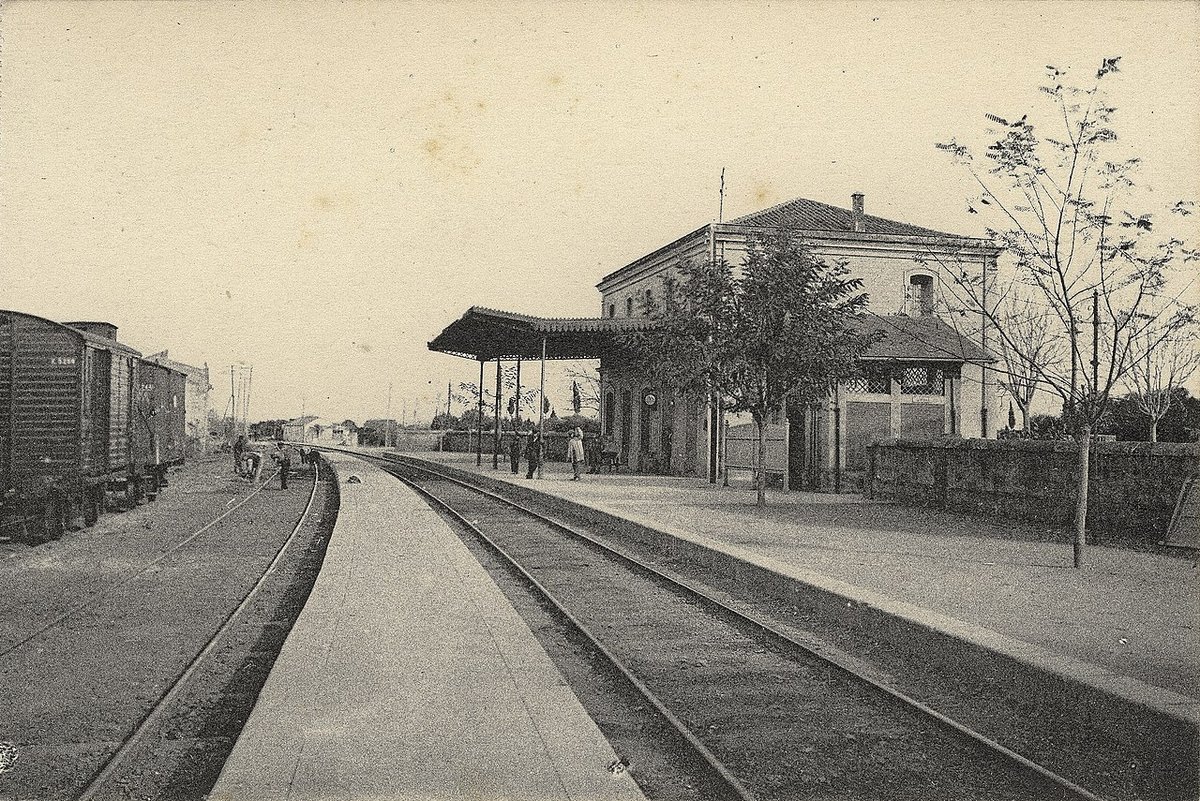
Valencia airport is 55 minutes by hire car on the AP-7 (toll €7.35 each way). There is no direct public transfer; if you insist on trains, take the metro to Valencia-Nord, then the C-5 Cercanías towards Castellón—two trains a day stop at Nules, journey time 1 h 10 m. A taxi from the adjacent town of La Vall d’Uixó costs €12 if you miss the connection. Without wheels you will need patience: buses to the beach run twice daily, timed for school runs, not sunbathers.
The quiet caveat
Come looking for nightlife and you will be asleep by 22:00. The seafront ice-cream kiosk shuts at sunset, and the loudest sound after 23:00 is usually the refrigerated lorries heading for the MercaMadrid depot. Nules offers a glimpse of coastal Spain before tourism, not a resort reinvented for it. Bring a Spanish phrasebook—English menus simply do not exist—and carry cash. Many bars treat cards as a nuisance under €10; the nearest ATM is in the Plaza Mayor and it runs dry on market Thursday.
If that sounds like a hardship, pick Benicàssim up the road. If it sounds like breathing space, time your visit for a weekday in late April, when the blossom is still on the trees, the beach is empty, and the only decision is whether your orange tastes better straight from the crate or squeezed over a plate of cuttlefish rice.