Full Article
about Onda
Historic city with a striking 300-tower castle; major ceramics hub and gateway to the Sierra de Espadán.
Hide article Read full article
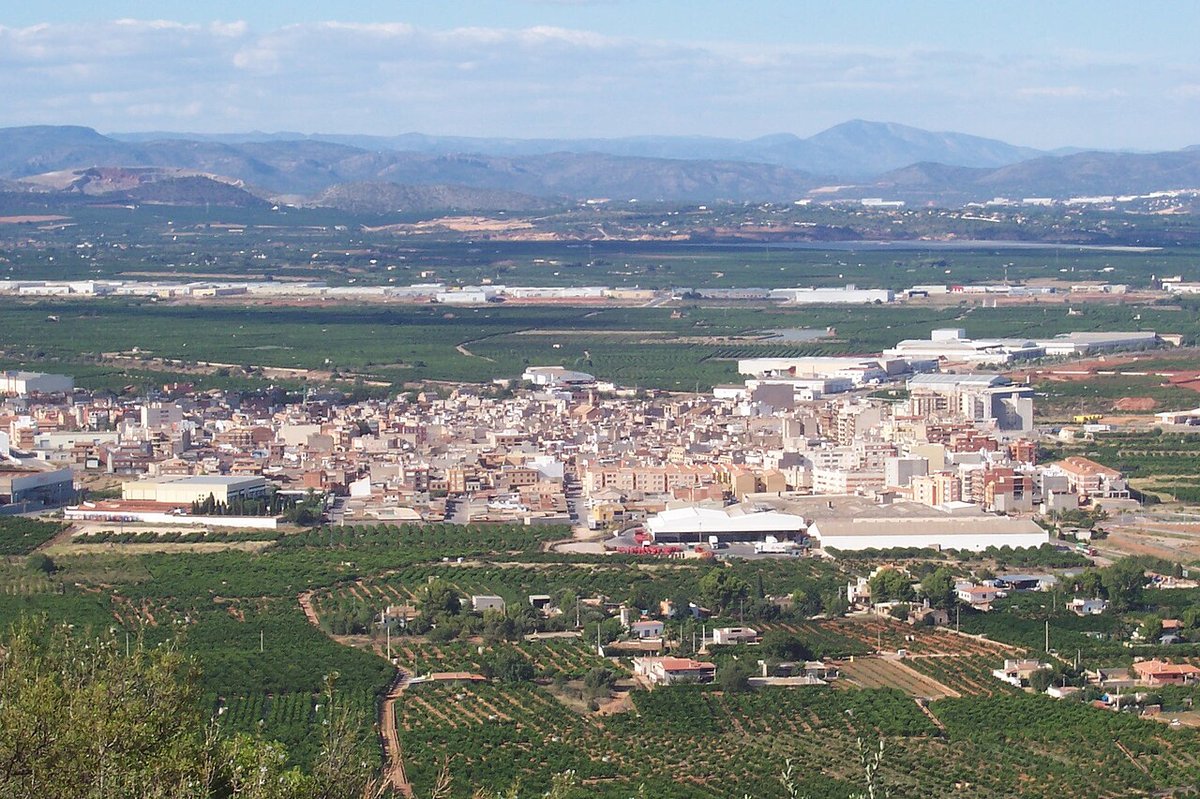
Tourism in Onda begins with something unexpected: the smell. You arrive thinking it will be just another inland town in the province of Castellón, and the first thing you notice is the air. Some days it carries a citrus scent from the surrounding orange groves. Other times there is a faint mineral note drifting out from ceramic kilns. The mix can feel unusual, as if someone had peeled a mandarin over a freshly fired tile.
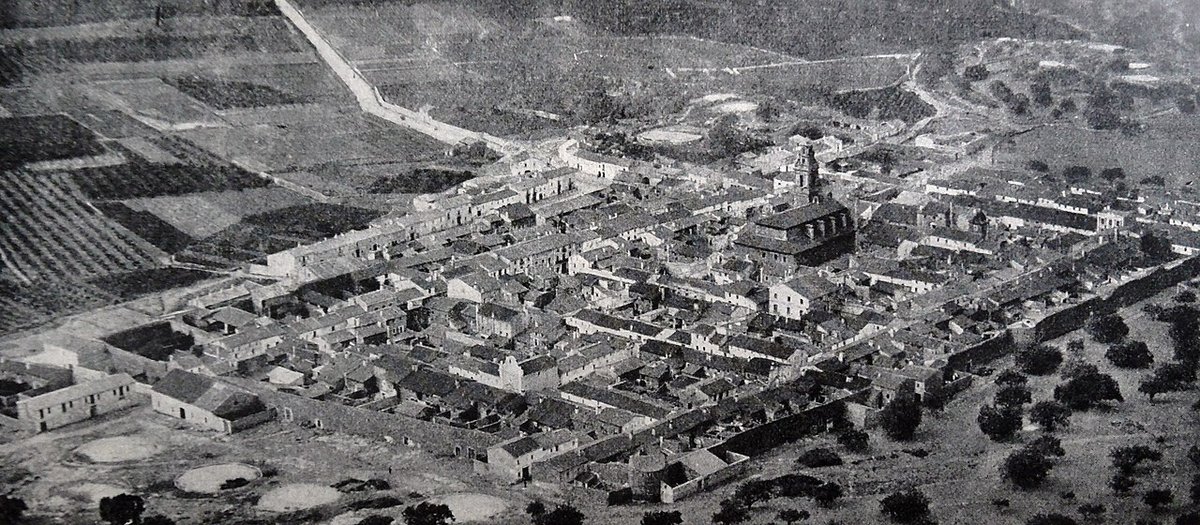
Onda does not immediately dazzle in the way smaller villages sometimes do. More than 25,000 people live here, and it shows. This is not a preserved backdrop or an open-air museum. It feels lived in, with traffic, shops and daily routines unfolding as normal. Yet once you start walking through the historic centre, the impression shifts.
A Castle Without Fairy-Tale Pretensions
The climb up to Onda Castle comes with a mild penance. From the centre, the slope is long and steady, the kind that makes you briefly reconsider your footwear or wonder whether the car would have been easier. Still, it is manageable on foot.
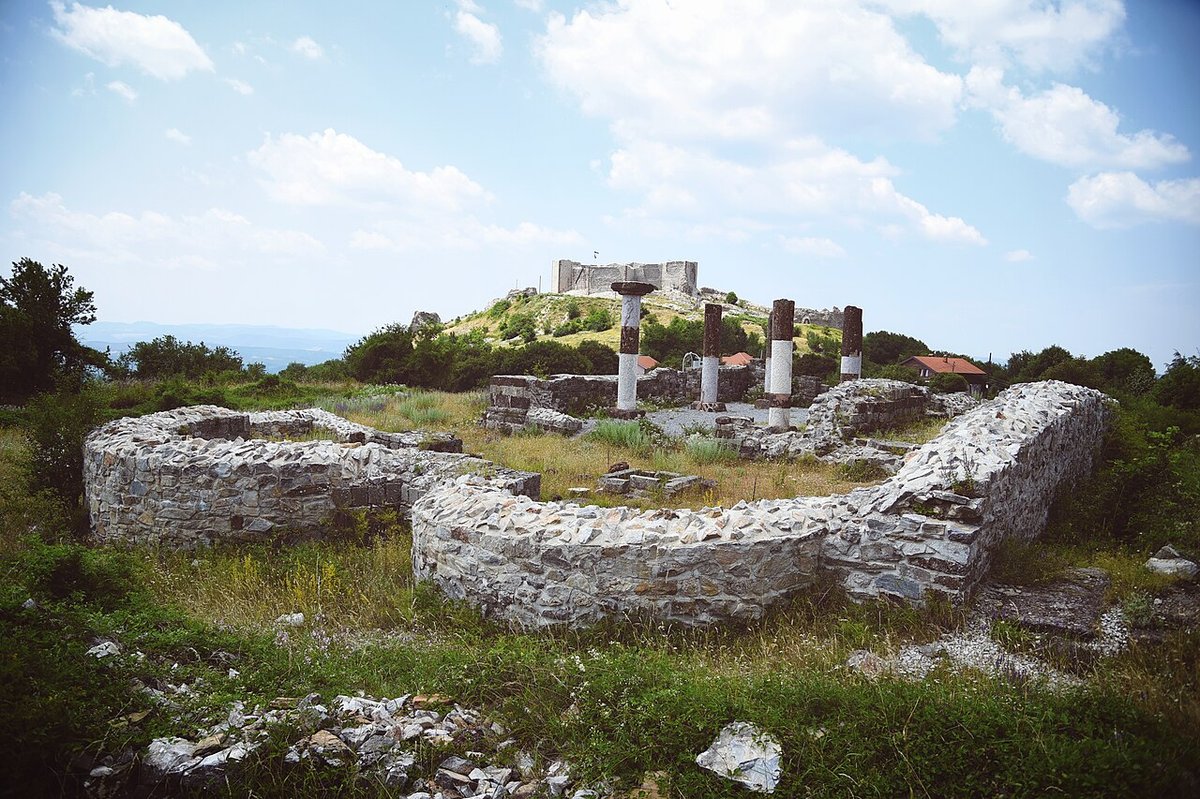
At the top stands the castle that controlled the entire Mijares valley for centuries. You may see it described as the “castle of the 300 towers”, a phrase that sounds dramatic. The reality is different. There are walls, reconstructed towers and broad open areas. It is not a picture-postcard fortress with turrets at every turn.
The real interest lies in what once stood here. Archaeological remains inside the enclosure revealed traces of a significant Islamic palace, with courtyards and arches that hint at its former scale. Today the site is calm. It is the sort of place where you can sit for a while, look out across the landscape and understand why a fortress was built in exactly that spot.
Take water with you. The climb deserves respect, especially in warm weather.
Streets That Keep You Guessing
Onda’s historic centre follows a layout that seems designed to encourage wrong turns. It is not vast, but the narrow streets and short, sharp slopes create a slightly twisted feel.
Turn one corner and there is a house with a carved stone coat of arms. Turn another and you find an old doorway. A staircase appears that seems to lead nowhere in particular. In between, workshops and shops connected to ceramics are part of daily life. Here, ceramics are not a souvenir trend but a long-standing industry.
It is easy to set out looking for a specific street and end up taking a much longer route than planned. That is not a bad outcome. In places like this, the best approach is to walk without too much urgency and see what emerges.
The locals have the manner of a sizeable town rather than a tiny village. First comes a look that suggests you might be lost. Moments later, directions follow, sometimes repeated for clarity. The exchange feels practical and direct.
Food That Means Business
In this part of the Comunidad Valenciana, the best-known dish is olla de la plana. It is a substantial stew once cooked to feed a large household. Beans and rice form the base, joined by vegetables such as cardoon or turnip, along with pork. There is nothing delicate about it, and it does not aim to be. After a plate of olla, the afternoon calls for a slow stroll or a comfortable chair.
Another local staple is coca de mollitas. At first glance it looks like a flatbread covered with toasted crumbs flavoured with garlic and paprika, sometimes accompanied by salted fish. On paper it can sound unusual. Tasted warm, it makes sense, which explains why it remains popular.
These are recipes that do not try to surprise. They simply work.
When to Come
Onda sees plenty of movement during its traditional festivals. Around San Blas at the beginning of February, rosquillas, small ring-shaped pastries, appear everywhere and the streets fill with activity.
Semana Santa, Holy Week, also draws people into the historic centre. Processions make their way up and down the slopes, adding atmosphere to the older streets.
If the aim is a quieter walk, spring is a good option. The orange trees of the Plana Baixa are in blossom, and their scent can be noticeable even as you enter the town by car. It is also a suitable time to explore the area around the Mijares river or to follow the surrounding paths without the intense heat of summer.
How to Get the Most from It
Onda works best as a solid half-day stop rather than a destination to fill an entire weekend on its own. The rhythm is simple: climb to the castle, wander through the historic centre, sit down for an unhurried meal and stroll through the lower part of town. In a few hours you will have a clear sense of the place.
Leave the car at the bottom and walk up. You will feel it if the weather is warm, but the town makes more sense at that pace. By the time you reach the castle, the water from your bottle will taste exceptionally good.
There is another detail worth noticing. If you pass near one of the ceramic warehouses with its doors open, the smell of clay and kiln sometimes drifts out into the street. It is a reminder of what has sustained Onda for decades.
Onda is not the most spectacular town in the province. What it has is character. At first it may seem understated, even ordinary. Spend a few hours here and it begins to tell its own stories through its streets, its castle and that faint mix of citrus and fired earth in the air. On the journey home, it is likely to come back to mind. That, in itself, says quite a lot.