Full Article
about Ribesalbes
A town with a pottery tradition by the Sitjar reservoir; it has a paleontology museum and riverside natural surroundings.
Hide article Read full article
Morning Light by the Mijares
Early in the day, before the sun clears the low hills that cradle the valley, the river is heard before it is seen. The Mijares moves at an unhurried pace, with the steady murmur of a broad irrigation channel, a sound that has accompanied Ribesalbes for generations. At that hour the character of tourism in Ribesalbes becomes clear: quiet streets, shutters half raised and the damp scent drifting in from the nearby vegetable plots.
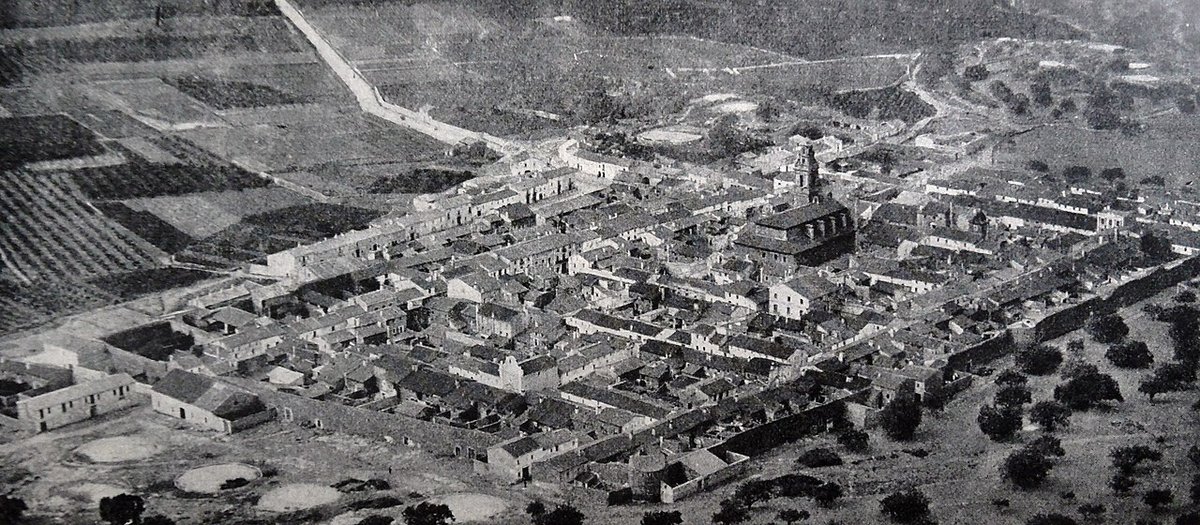
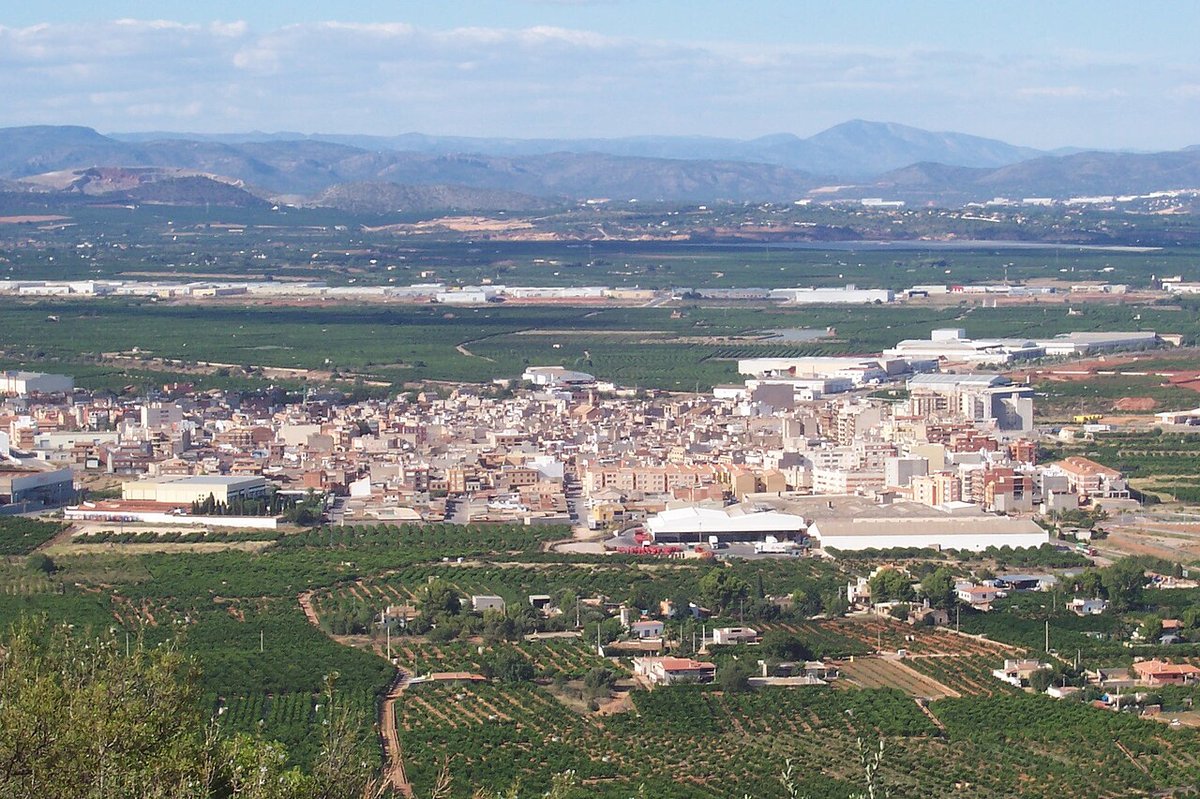
Ribesalbes, home to just over a thousand residents, stretches along a slope facing the river. There are no headline monuments or fixed sightseeing routes. The village is best explored on foot and without hurry, allowing the streets themselves to dictate the direction.
Streets That Follow the Slope
The layout of the old centre adapts to the terrain. Some stretches climb sharply, others curve gently around the hillside. The houses are simple, with pale façades, dark wooden doors and narrow balconies where potted plants endure the intensity of the summer sun.
The parish church of Santa María stands in the middle of the village and can be seen from several points. The current building combines different construction phases, visible in changes of material and in the shape of its windows. Inside, there is a cool, hushed atmosphere that offers relief when the heat outside builds.
A walk through the historic centre does not take long. In half an hour most of the main streets can be crossed, yet it is worth slowing down. Some doorways still show stones worn smooth by decades of footsteps. Looking up, terraced plots appear in the distance, descending towards the river in uneven steps carved into the hillside.
Small details define the experience: a narrow irrigation channel crossing a street, an old door left slightly ajar, the faint sound of water in the background. These are the elements that reveal everyday life more clearly than any landmark.
The Mijares and the Market Gardens
Within a few minutes of leaving the centre, the water can be heard more distinctly. The river Mijares sets the rhythm of the landscape. Small vegetable plots line its course, fed by acequias, traditional irrigation channels that distribute water across the fields. Low stone walls mark out individual parcels.
The colours shift noticeably with the seasons. In spring, intense greens dominate, from market vegetables to nearby citrus trees. By late summer the soil turns drier and a fine dust clings to shoes along the paths.
One of the simplest walks is to follow the agricultural tracks that lead from the village towards the river. They present no real difficulty and are mainly used for working the land or reaching small holdings. In summer it is sensible to carry water. At midday the sun falls directly onto the terraces and shaded stretches are limited.
Life here remains closely tied to cultivation and irrigation. The presence of the acequias is constant, sometimes running alongside a path, sometimes slipping beneath it. Their steady flow reinforces the sense that the village and the river have long moved in step.
Ceramics and the Memory of Clay
For generations, Ribesalbes has been linked to ceramics. This connection does not dominate every corner of the village, yet it forms part of its history and of the wider industrial landscape nearby. The clay drawn from the river played a role in shaping this tradition.
In certain spots, ceramic panels or pieces are set into façades and public spaces. They serve as discreet reminders of an occupation rooted in the local earth. Rather than large displays, these traces appear almost incidentally, blending into daily surroundings while pointing to a craft that once structured much of the area’s activity.
The presence of ceramics adds another layer to the walk through Ribesalbes. It connects the agricultural setting by the Mijares with a more industrial past, both shaped by the same natural resources.
Towards the Sitjar Reservoir and the Surrounding Hills
Agricultural tracks also lead out towards the low hills that enclose the valley. Some residents use them for early morning walks or bike rides, taking advantage of the cooler hours of the day.
Further inland within the municipal boundaries, the landscape opens up. The setting of the Sitjar reservoir comes into view, a broad sheet of water bordered by scrubland. Not all of its perimeter can be accessed, yet nearby paths allow glimpses of the river widening before continuing its course towards La Plana, the coastal plain of Castellón province.
The contrast between the tighter valley around the village and the more expansive reservoir area adds variety to a stay in Ribesalbes. Close to the centre, terraces and irrigation channels dominate. Beyond, the scenery feels wider, with open skies reflected on the surface of the water.
When to Go and Practical Notes
Ribesalbes is best enjoyed in the morning or towards evening. During the summer months, the heat of inland Castellón is noticeable, particularly in streets with little shade.
The most practical approach is to leave the car at the entrance to the village and explore the centre on foot. Almost any point can be reached within minutes. Walking allows time to notice the small features that define the place: a channel of water slipping across the pavement, an old stone threshold, the distant murmur of the Mijares.
Tourism in Ribesalbes does not revolve around ticking off sights. It is about moving slowly through a compact village, understanding how the slope shapes its streets and how the river shapes its surroundings. The result is a visit defined less by spectacle and more by atmosphere, grounded in water, clay and cultivated land.