Full Article
about Sueras/Suera
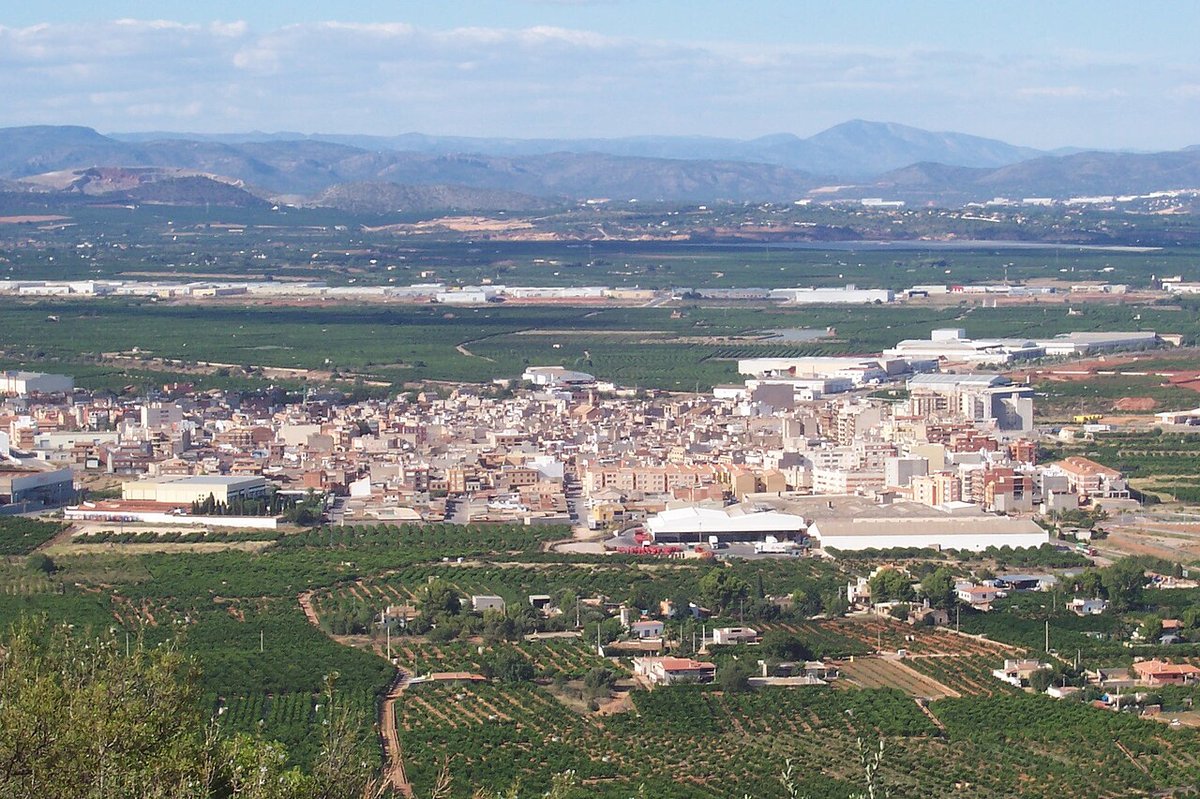
One of the most authentic villages in the Sierra de Espadán; well-kept streets and a magnificent forested setting with springs and ruined castles.
Ocultar artículo Leer artículo completo
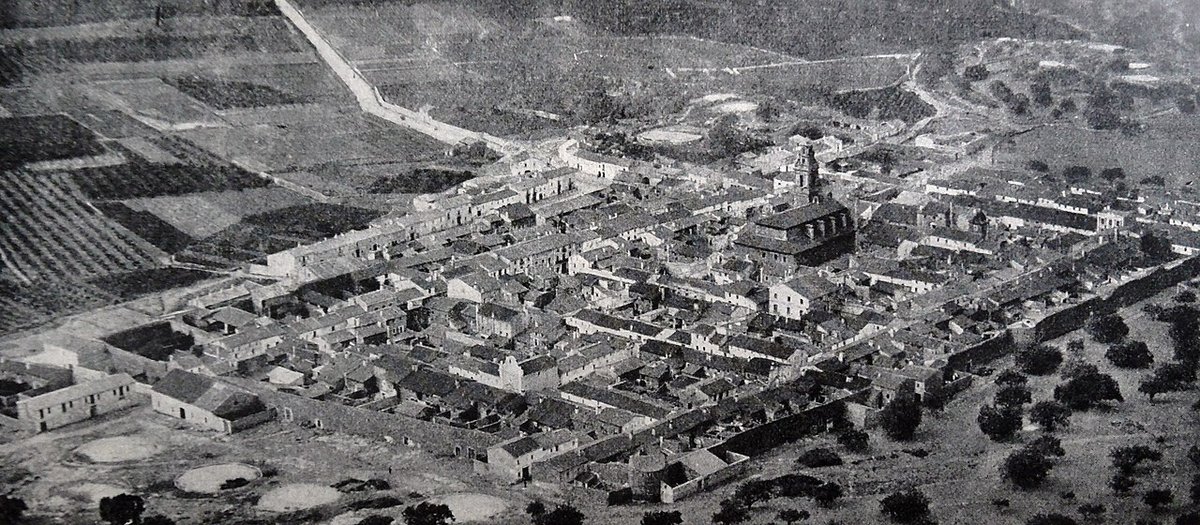
The church bell tolls at 316 metres above sea level, and nobody checks their watch. In Sueras—Suera if you speak Valenciano—time is still measured by daylight and hunger, not by Google Calendar. At this altitude the air carries the scent of hot rosemary instead of salt; the Mediterranean lies twenty-five kilometres east, but the mountains have the final say.
Drive up the CV-205 after lunch and you will meet more goats than cars. The road corkscrews through pale limestone scarred by centuries of almond terraces, then drops you in a single-lane high street where elderly men occupy plastic chairs as if they were leased seats. Parking is wherever the gradient feels kind to a hand-brake; bring coins for the solitary meter outside the ayuntamiento, though the mayor admits the coins usually go towards Christmas lights.
A Map Drawn by Gravity
Every street tilts towards the plaza, so navigation is simple: walk downhill and you reach the bar; walk uphill and you reach the seventeenth-century church of Sant Miquel. The bar has no name on the door—locals call it “la despensa” because it once doubled as the village grocer—and it opens when the owner wakes. Coffee is €1.20, served in glasses thick enough to survive a fiesta. Inside, the television shows Valencia CF on mute while the clientele provide live commentary louder than any commentator.
The church stands on a blister of rock that makes the nave feel airborne. Its bell-tower was rebuilt after the 1834 earthquake; stone wedges still bear the mason’s chisel marks. Step in at 18:00 on a weekday and you may catch the sacristan practising hymns on an electronic keyboard powered by a car battery—mains electricity arrived here in 1972 and the wiring remains suspicious. The altarpiece is gilded pine, not marble, yet the parish records list baptisms back to 1564. Paper, altitude, faith: all survive the dry summers.
Cork, Almonds and the Smell of Rain
Leave the houses behind and the Sierra de Espadán reasserts itself. The GR-36 long-distance footpath skirts the village, climbing through Quercus suber forests that look vandalised—dark rectangles where the bark was stripped last summer. Cork harvesting happens every nine years; the trees bleed terracino then cool to mahogany, living scabs that protect wine bottles all over Europe. Locals claim the same family has cut cork here since 1890, though no one can name the dynasty.
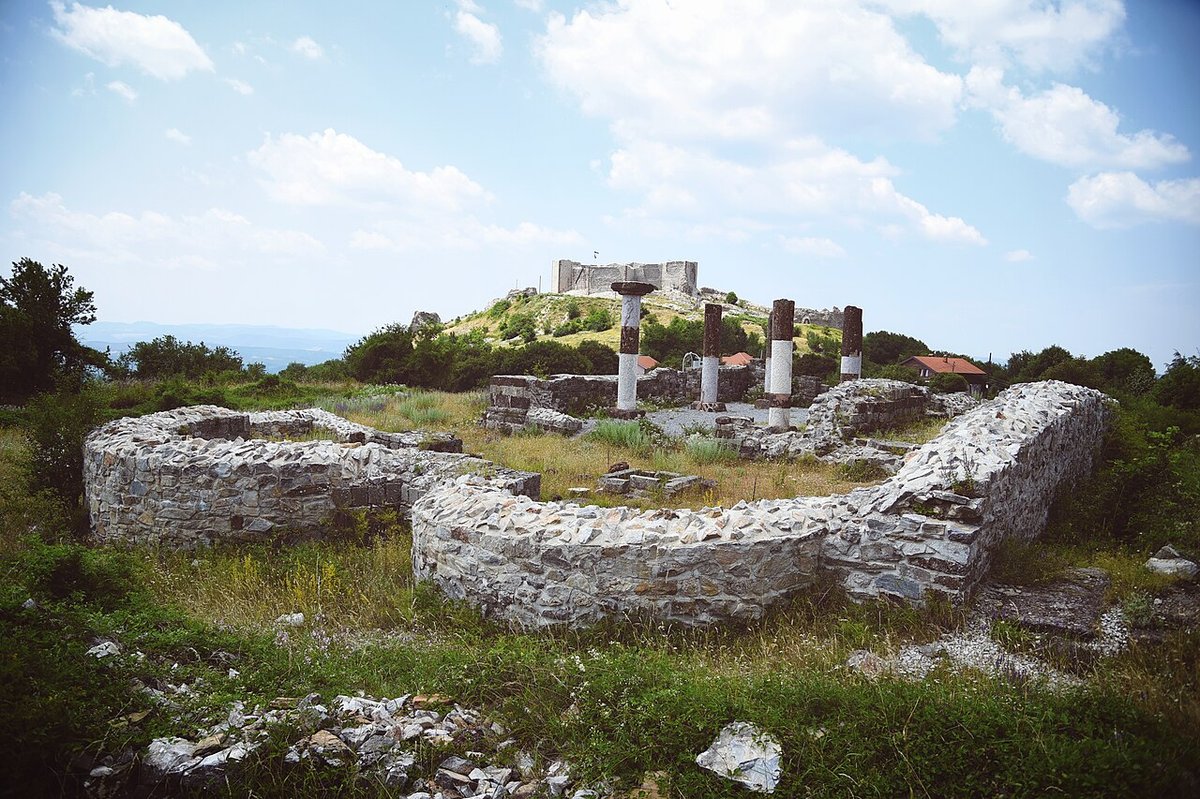
Three way-marked loops start from the old washing trough. The shortest (5 km, yellow dashes) circles the Mauz hillfort, an Iberian ruin notable mainly for 360-degree views and the absence of safety railings. Mid-length (8 km, white-green) dips into the Barranc de la Fos where fennel grows taller than teenagers. The long one (14 km, red) reaches the spring of Cérvol; carry two litres in summer because the water that drips from the lion’s-head spout tastes metallic and may disagree with delicate British stomachs. All routes share one characteristic: shade is seasonal. Almond blossom in February photographs like snow; August photographs like drought. Spring and autumn are the reliable windows.
What Supper Costs
There is no restaurant, only the bar and a weekend-only casal that functions as pop-up dining room. Phone two days ahead (964 129 017) and Conchi will cook for whoever books. The set menu runs to four courses, wine included, and hovers around €18. Rice is baked with pork rib and garbanzos until the base turns socarrat—think paella that’s been to the gym. Lamb chops arrive charred outside, pink within, scented only by thyme smoke. Pudding is orelletes, thin anise fritters that taste like doughnuts after a gap year. Vegetarians get escalivada, aubergine and pepper slow-roasted in the wood oven whose chimney pokes through the roof like a periscope.
Self-caterers should shop in Onda before the final climb. The village mini-market keeps eccentric hours: Tuesday and Friday 10:00–13:00, Saturday “until the bread runs out”. Stock up on local almonds—€4 a kilo, still in their fuzzy skins—and the cork-screw pastries called buixots that appear only for the December living-history fair. That weekend locals dress as charcoal-burners and medieval scribes; visitors pay €2 to enter houses fitted out as 14th-century workshops. Children learn to write Arabic numerals on wax tablets; adults learn that honey mead is stronger than it tastes.
When Silence Gets Noisy
August fiestas honour Sant Miquel with fireworks that start at 04:00. If your idea of holiday does not include rockets beneath the bedroom window, book elsewhere between 28 August and 2 September. The rest of the year the dominant sound is the mechanical bell that marks the Angelus—three times daily, seven strokes, slightly off-key. Winter nights drop to 3 °C; houses are built for heat retention, so bring slippers. Summer afternoons top 34 °C but the air is dry enough that sweat actually evaporates, a novelty for anyone raised on Cornish humidity.
Rain arrives suddenly in late September, smells of resin and turns mule tracks into skating rinks. Waterproof soles beat canvas pumps; the limestone absorbs water then spits it out as a thin dust that coats every camera sensor. January brings the blessing of animals: dogs, donkeys and one suspiciously well-behaved goat queue outside the church while the priest sprinkles holy water from a plastic watering can. Photographs are welcome but ask first—elderly farmers still distrust lenses pointed at livestock.
Getting Out Again
Two buses leave Castellón at 07:15 and 14:00, returning at 13:45 and 19:30. Neither runs on Sunday. A single taxi from Castellón rail station costs €35 if you pre-book; Uber does not recognise the village exists. The nearest cash machine is in Onda, fifteen minutes down the hill; the bar accepts cards but the signal fails when more than three people upload Instagram reels at once. Petrol stations close at 22:00 even in midsummer, so fill up before the final ascent.
Leave early enough and you can breakfast on toast rubbed with tomato and olive oil, drive to the coast for a swim at Benicàssim, and still be back for sunset over the cork forest. The Mediterranean will feel overcrowded after three days of Sueras; the village will feel comatose after three days of Brighton. That, perhaps, is the point.