Full Article
about Tales
Municipality at the edge of Espadán with an irregular old quarter; ideal for hikers and low-mountain lovers.
Hide article Read full article
The sound of a metal shutter rolling up breaks the quiet on Calle Mayor. It’s just past nine. Light, still low and sharp, catches the dust motes stirred by the grocer sweeping his threshold. Underfoot, the paving stones are uneven, worn smooth in the middle by generations of footsteps. This is the hour when the village feels most itself, before the day’s heat settles into the whitewashed walls.
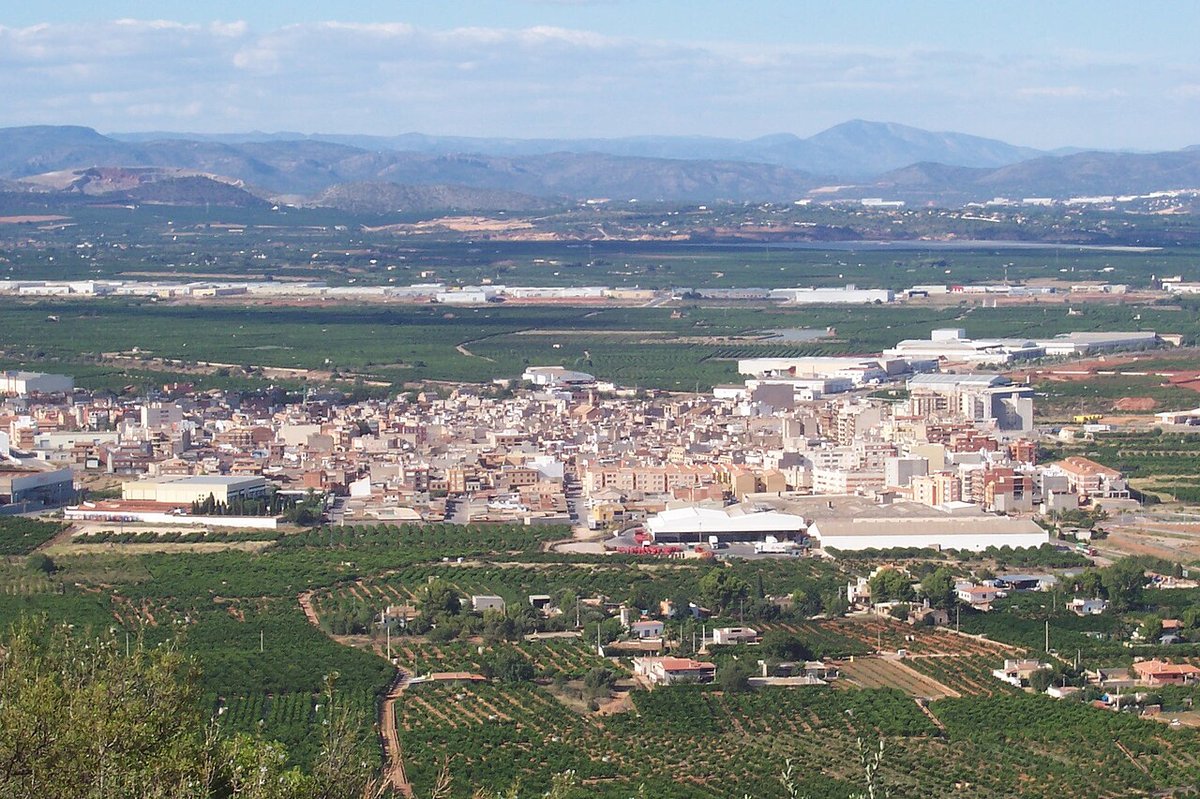
Tales rests where the last citrus terraces meet the first slopes of the sierra d’Espadà. You can see the transition from your doorstep: neat rows of orange trees give way to dark pines climbing the hillside. The air carries a faint, dry scent of pine resin mixed with damp earth from the irrigation channels that still thread through the fields.
A landscape of terraces and stone
The land around Tales is built on bancales. These dry-stone terraces hold back the mountain, creating flat plots for orange and mandarin trees. From a distance, they look like broad steps. Up close, you see the skill in their construction, each stone fitted without mortar. Some walls are centuries old.
Water follows a quieter logic here. Narrow acequias run along field edges, some covered with flat stones, others open. You hear water before you see it, a soft trickle that speaks of a system older than the village itself. In summer, this sound is precious.
The best view of this layering is from the old path that leads toward La Rodana. From there, the order is clear: the village, then the geometric orchards, then the wilder sierra. It’s a working landscape, not a postcard.
Walking into the sierra
Several senderos start just beyond the last houses. They begin between orchard walls, then the path narrows, the ground turns darker, and you’re under pine canopy. The walking is not strenuous, but the terrain is mixed: packed earth, loose stone, exposed tree roots. Good shoes are necessary, not optional.
One route leads to Font de la Parra. It’s a modest spring, often just a damp patch in the rock and a trickle into a stone basin. The value isn’t in spectacle, but in the coolness of the spot and the quiet broken only by birdsong from the holm oaks. If you go in high summer, start at dawn. By ten, the heat is thick and still under the trees.
On very clear winter days, from certain bends in the trail, you might catch a sliver of Mediterranean blue on the horizon. It comes as a surprise, a reminder of how compact this geography is.
The pace of the streets
Back in the village, movement slows. Some streets are barely wider than a car. Life happens close to the ground: a chair placed in a sliver of shade, a conversation across a balcony.
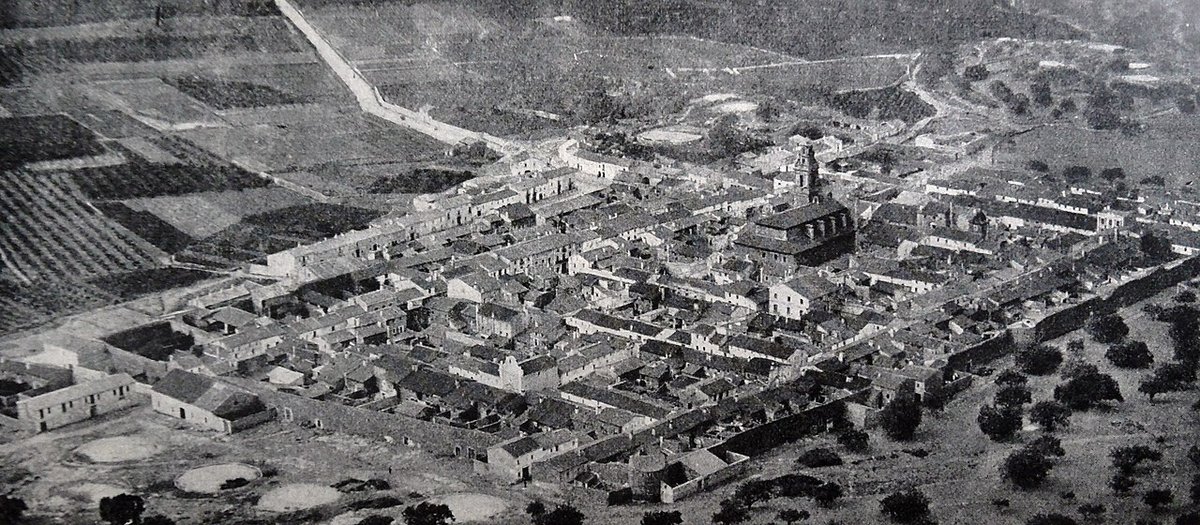
The church of San Miguel Arcángel anchors everything. Its bell tower is visible from almost every corner, a landmark of rough stone. The building shows its history plainly: Gothic arches near the base, simpler Baroque work higher up. It doesn’t try to hide its layers.
Evenings are for paseo. People emerge when the heat breaks. They walk Calle Santa María, where the cobbles are coolest, or gather in small groups where streets open into tiny plazas. The rhythm is conversational.
A kitchen shaped by its surroundings
What people eat here comes directly from that landscape. This means rice dishes with what’s in season: arròs amb fesols i naps with beans and turnips in cooler months. It means stews of rabbit or lamb from local herds.
In winter, you might smell woodsmoke and roasting peppers for all i pebre. In late autumn, the scent of citrus is overwhelming; small signs appear on doors selling oranges directly from family plots. This isn’t gastronomic tourism. It’s just how food has always worked.
Marking time
The year turns on a few key dates. In late September, the festivals for San Miguel fill the plaza with noise and movement for several days. It’s communal and loud.
In January, for San Antonio, bonfires are lit on street corners after dark. Neighbors stand around them, hands outstretched against the cold night, the smell of burning rosemary and pine branches cutting through winter air. These fires feel ancient and necessary.
If you visit during these times, know that the village’s quiet character will be briefly submerged. For solitude, come in November or February.
A practical approach
Tales is about twenty minutes by car inland from Castellón de la Plana. The road from Onda winds through orange groves. Drive it slowly. You’ll share it with tractors and delivery vans servicing the cooperatives.
Parking is easiest at the entrance to the village near the sports ground. From there, you enter on foot. That’s how Tales is meant to be seen: at walking pace, with your eyes level with the stone doorframes and the pots of basil on windowsills.
It’s a place that reveals itself through details—the texture of a wall, the shift in light on a façade, the specific quiet of a siesta hour. It asks for your attention more than your admiration